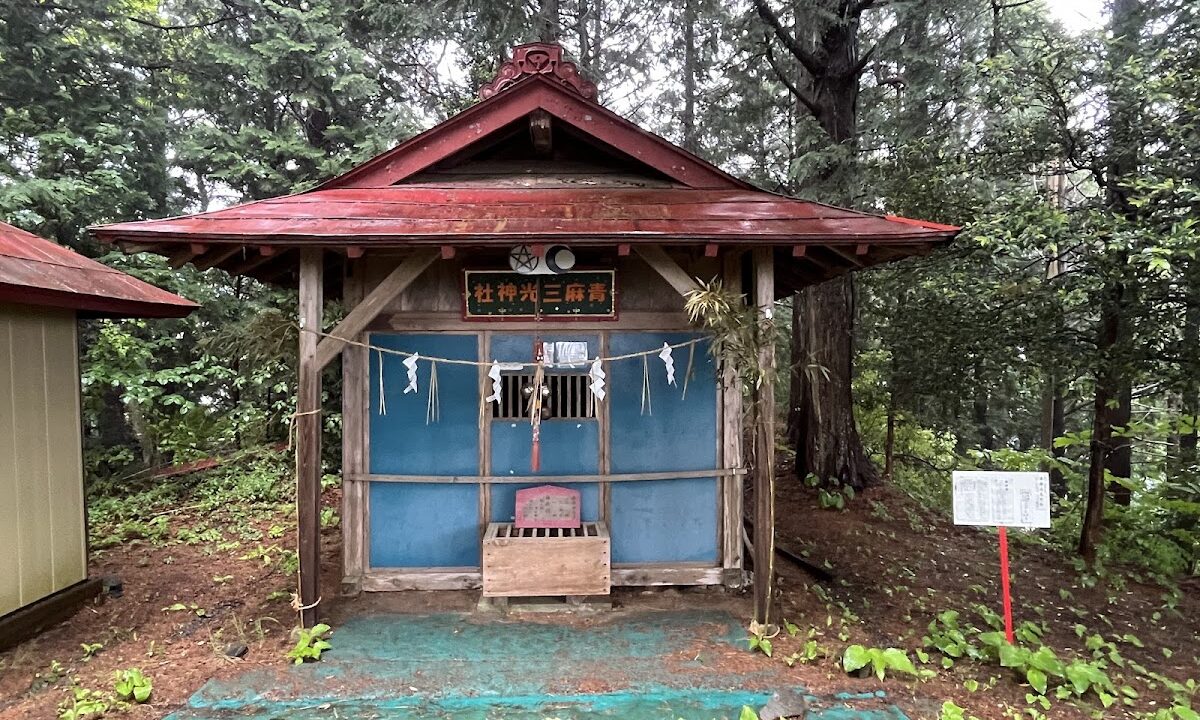
Aoba Sanko Shrine (Hitachiomiya City, Ibaraki Prefecture) Complete Guide | Detailed Explanation of Goshuin, Access, and History
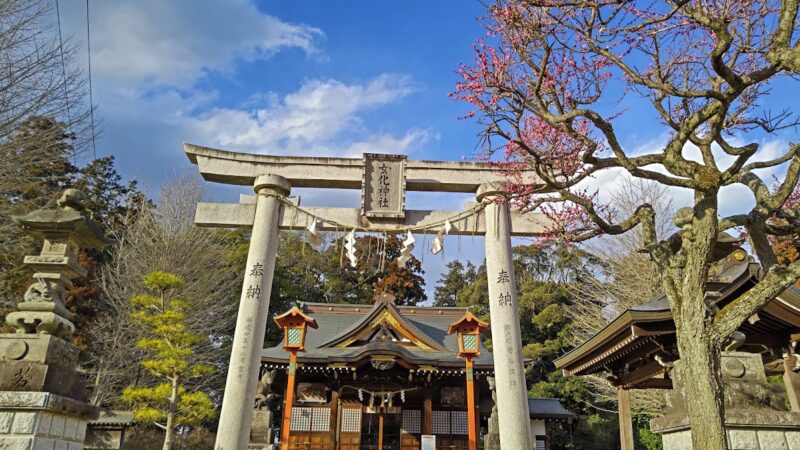
Nestled quietly in the mountainous area of Hitachiomiya City, Ibaraki Prefecture, Aoba Sanko Shrine is known as one of the Aoba Shrines and Sanko Shrines that have been established throughout Japan by inviting branch shrines. This article provides a comprehensive overview of the shrine, including information on its goshuin (shrine stamp), detailed access methods, historical background, and blessings.
What is Aoba Sanko Shrine?
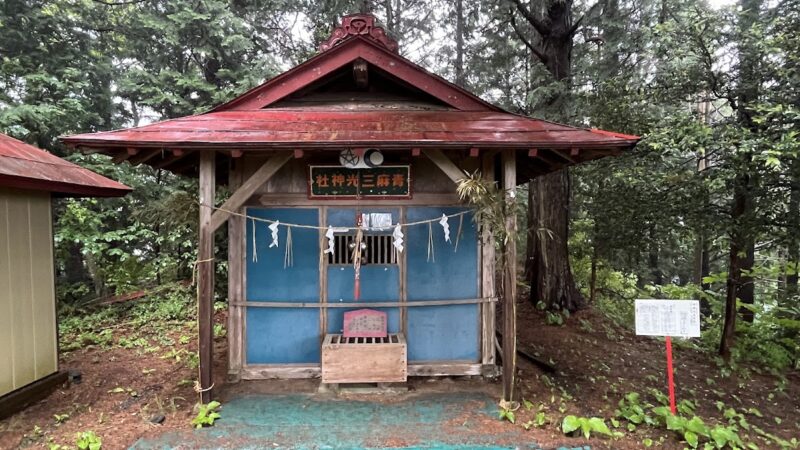
Aoba Sanko Shrine is a shrine located in Shimohizawa, Hitachiomiya City, Ibaraki Prefecture. “Sanko” refers to the three lights of the sun, moon, and stars, and the shrine is noteworthy for its rare form of worship that deifies these three lights.
Relationship with the Head Shrine of Aoba Shrines
The head shrine of all Aoba Shrines and Sanko Shrines nationwide is located in Sendai City, Miyagi Prefecture, and enshrines Amenominakanushi-no-kami, Amaterasu-Omikami, and Tsukuyomi-no-kami as its main deities. Aoba Sanko Shrine in Ibaraki Prefecture is one of the shrines belonging to this lineage of belief, and it enshrines similar deities.
Deities and Beliefs
The following deities are enshrined at Aoba Sanko Shrine:
- Amenominakanushi-no-kami: The primordial deity of the universe
- Amaterasu-Omikami: The sun goddess
- Tsukuyomi-no-kami: The moon goddess
These deities are associated with the creation of heaven and earth, and with celestial beliefs concerning the sun and moon. They have long been worshipped for health, abundant harvests, and family safety.
Information on Aoba Sanko Shrine’s Goshuin (Shrine Seal)
Many visitors to Aoba Sanko Shrine are interested in the shrine’s goshuin (seal). This shrine has a unique method of issuing goshuin.
Location and Method of Receiving Goshuin (Shrine Seals)
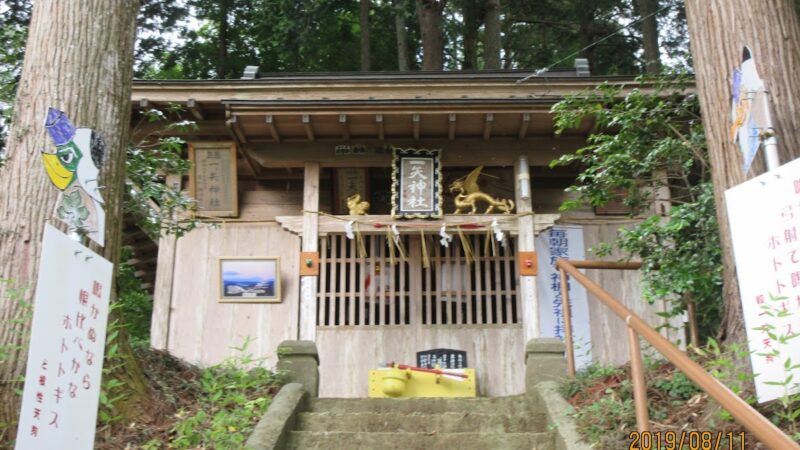
The goshuin of Aoma Sanko Shrine is placed in a box above the offering box at Ichiya Shrine. This is a consideration for visitors, as the shrine is unattended, allowing them to receive the goshuin freely.
Ichiya Shrine is located approximately 200 meters south of Aoma Sanko Shrine, and the two shrines are closely related. When visiting Aoma Sanko Shrine, it is highly recommended to also visit Ichiya Shrine and pay respects at both shrines.
Design and Features of the Goshuin
The pre-printed goshuin has the name “Aoma Sanko Shrine” written in ink and stamped with the shrine’s seal. Its design, symbolizing the Sanko faith, is distinctive and popular among goshuin collectors as a memento of their visit.
About the Offering Fee
The customary offering fee for the pre-printed goshuin is around 300 yen, which is the general market rate, and is placed in the offering box. As it is unmanned, it is left to the good judgment of visitors.
How to Access Aoma Sanko Shrine
Aoma Sanko Shrine is located in a mountainous area, so caution is required when accessing it.
Location
472-3 Shimohizawa, Hitachiomiya City, Ibaraki Prefecture 319-2135
However, it has been reported that the location information on map apps and car navigation systems may differ from the actual location. The actual shrine is located northeast of Ichiya Shrine.
Access by Car
Access to Aoma Sanko Shrine is primarily by car.
Detailed Directions
- Head towards Ichiya Shrine
- Head approximately 200 meters north from Ichiya Shrine
- Turn right onto the unpaved road
- Continue along the road to arrive at Aoma Sanko Shrine
Road Conditions and Vehicle Information
The road leading to the shrine is unpaved. Depending on road conditions, a visit by a small four-wheel drive vehicle is recommended. While regular cars can access the site, extra caution is advised during rainy weather and winter.
If weather is bad or you have concerns about your vehicle, consider limiting your access to Ichiya Shrine and continuing on foot.
Access by Public Transportation
The nearest station is JR Suigun Line Nakafune Station, but the distance from the station to the shrine is considerable, making access by public transportation alone difficult. You should consider using a taxi, but it is recommended to consult with a local taxi company in advance.
Parking
There is no designated parking area around the shrine, but there is space available for visitors. However, please be considerate when parking, as this is also a local residential area.
History and Origins of Aoma Sanko Shrine
History of Sanko Faith
Sanko faith is a belief that deifies the celestial bodies of the sun, moon, and stars, and spread throughout Japan. In areas where agriculture is particularly prevalent, there is a deep reverence for celestial bodies that govern weather and seasonal changes, and these bodies have been objects of prayer for abundant harvests and family safety.
Connection to the Aomasa Worship
“Aomasa” (blue hemp) has long been treated as a sacred plant and used in Shinto rituals. At Aomasa Shrine, this Aomasa is intertwined with the Sanko faith, forming a unique form of worship.
Within Ibaraki Prefecture, the presence of an Aomasa Shrine within the grounds of Mito Hachimangu Shrine indicates that Aomasa faith was widespread throughout the prefecture.
Position in Hitachiomiya City
Hitachiomiya City is located in the northwestern part of Ibaraki Prefecture, at the eastern foot of the Yamizo Mountains, and is a naturally rich area with two first-class rivers, the Naka River and the Kuji River. In this scenic land, Aomasa Sanko Shrine has long been cherished by the people as one of the centers of local faith.
Benefits of Aoba Sanko Shrine
Aoba Sanko Shrine is believed to offer the following benefits:
Prayer for Health
The Sanko deities are believed to govern the power of the sun and moon, the source of life, and have long been associated with the blessing of health and longevity. It is particularly revered for its blessings of healing eye diseases and protection from stroke.
Abundant Harvest and Family Safety
As the shrine enshrines deities who govern the blessings of the sun and moon, essential for agriculture, it is also believed to offer blessings of abundant harvest and family safety.
Protection from Evil and Good Fortune
Amenominakanushi-no-kami, as the primordial deity of the universe, is believed to offer blessings of protection from evil and good fortune, and many people visit the shrine at important turning points in their lives.
Points to Note and Manners When Visiting
Understanding that it is an Unmanned Shrine
Aoba Sanko Shrine is an unmanned shrine. Since there is no shrine office or priests permanently stationed there, worship must be done at your own risk.
Basic Manners for Worship
- Bow before passing through the torii gate.
- Purify yourself at the water basin if available. (If not, purify your heart.)
- Offer your donation, bow twice, clap twice, and bow once.
- Keep the shrine grounds clean. (Always take your trash with you.)
- Take photographs with moderation.
Road and Parking Manners
Since you will be driving on unpaved roads, please remember that these are local roads used by residents and drive with consideration for others. Also, when parking, please be considerate of other worshippers and local residents.
Relationship with Ichiya Shrine
When visiting Aomasa Sanko Shrine, Ichiya Shrine is a must-visit.
About Ichiyashi Shrine
Ichiyashi Shrine is located approximately 200 meters south of Aosama Sanko Shrine and is believed to grant blessings for military success and victory. Due to its name, “Ichiyashi” (meaning “one arrow”), many visitors pray here with the hope of achieving their goals and striking back at their opponents.
Recommendation to Visit Both Shrines
As evidenced by the fact that Aosama Sanko Shrine’s goshuin (seal) is available at Ichiyashi Shrine, the two shrines have a deep connection. If you’re visiting, visiting both shrines will provide a more fulfilling experience.
Nearby Tourist Attractions
Charms of Hitachiomiya City
Hitachiomiya City is a region rich in nature and offers the following tourist attractions:
Nakagawa and Kujigawa Rivers
The Nakagawa and Kujigawa rivers, known for their clear waters, offer activities such as ayu (sweetfish) fishing and canoeing. They are especially popular with anglers during the summer.
Hitachiomiya Roadside Station
A roadside station where you can purchase fresh local produce and specialty products. Ideal for taking a break or buying souvenirs.
Nearby Shrines and Temples
Muramatsu Kokuzo-son (Muramatsu-san Kokuzo-do)
A famous temple known as one of Japan’s three great Kokuzo temples. It’s about a 30-minute drive from Aosama Sanko Shrine.
Fushiki Katori Shrine
One of the historical shrines in this region, attracting local devotion.
Best Season to Visit Aosama Sanko Shrine
Spring (March-May)
The fresh greenery is beautiful, making it the perfect season for visiting. Road conditions are relatively good, making it easily accessible.
Summer (June-August)
The greenery is lush, and you can feel the cool mountain air. However, be aware that road conditions may worsen during the rainy season.
Autumn (September-November)
The autumn foliage season is particularly beautiful, offering a peaceful and tranquil visit to the shrine grounds. The mild weather is ideal for worship.
Winter (December-February)
Snowfall is possible, and road conditions are at their worst during this season. Winter visits require careful preparation and caution.
Mindset for Visiting Aoba Sanko Shrine
Worship in Silence
As this is an unmanned shrine, it offers a precious time to reflect on oneself in silence. By leaving the hustle and bustle of everyday life and worshipping with a calm mind, you can feel a dialogue with the gods.
With a Grateful Heart
It is important to visit with a grateful heart, not just for the sake of obtaining a goshuin (shrine stamp) or taking photos. Be grateful for your health and daily peace, and visit with a heart that prays for future happiness.
Respect for Nature
As this shrine is located in a mountainous area, respect for the surrounding natural environment is essential. Please be sure to take your trash with you and be considerate of the environment.
The Charm of Aoma Sanko Shrine
Rare Sanko Faith
Shrines that enshrine the three lights of the sun, moon, and stars together are rare throughout Japan, and this form of worship itself can be considered a valuable cultural heritage.
Serene Atmosphere
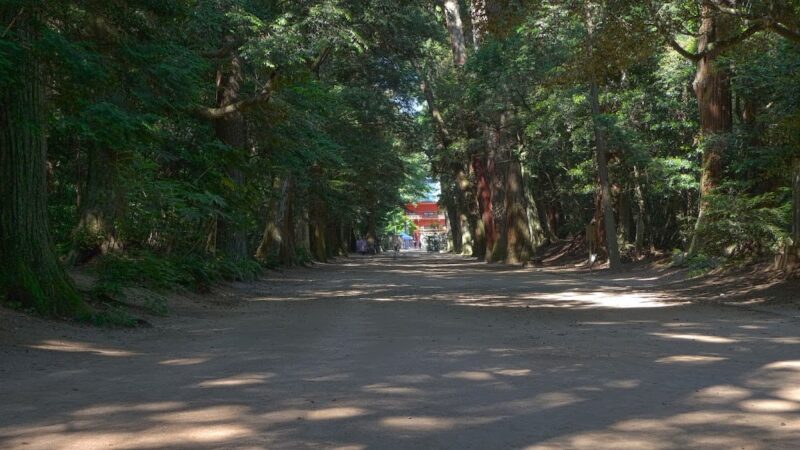
Nestled in a quiet mountainous area, the shrine offers a healing space that allows you to forget the hustle and bustle of the city. Because few people visit, you can enjoy the luxury of a peaceful and tranquil visit.
Experiencing Local History
This is a valuable place where you can experience the history and culture of Hitachiomiya City and the faith of the local people.
Summary
Aoma Sanko Shrine is a shrine of Sanko faith, quietly nestled in the mountainous area of Hitachiomiya City, Ibaraki Prefecture. Access is somewhat difficult, but in return, you can experience a tranquility and sacred atmosphere that only visitors can appreciate.
Since the Goshuin (shrine stamp) is given at Ichiya Shrine, visiting both shrines will provide a more fulfilling pilgrimage experience. Why not visit Aoma Sanko Shrine to pray for good health, a bountiful harvest, and family safety?
When visiting, please understand that it is an unmanned shrine, observe proper etiquette, and visit with a grateful heart. Enjoy the charm of Hitachiomiya City, rich in nature, and have a valuable experience at Aoma Sanko Shrine.
Frequently Asked Questions (FAQ)
Q1: Is Aoma Sanko Shrine unmanned?
A1: Yes, Aoma Sanko Shrine is an unmanned shrine. There is no shrine office or priests permanently stationed there, but pre-written goshuin (shrine stamps) are available on top of the offering box at the nearby Ichiya Shrine.
Q2: Where can I get a goshuin?
A2: Pre-written goshuin for Aoma Sanko Shrine are available in a box on top of the offering box at Ichiya Shrine, located approximately 200 meters south. Please place your offering in the offering box.
Q3: Is it possible to access the shrine by car?
A3: Yes, it is possible, but the road leading to the shrine is unpaved. A small four-wheel drive vehicle is recommended, but it is possible to access the shrine in a regular car if you drive carefully. Extra caution is needed during rainy weather and winter.
Q4: What is the nearest station?
A4: The nearest station is Nakafune Station on the JR Suigun Line, but the shrine is quite a distance from the station, making access by public transport alone difficult. We recommend using a car or taxi.
Q5: When is the best time to visit?
A5: Spring (March to May) and autumn (September to November) are ideal for visiting, as the weather is mild and road conditions are good. Caution is needed during winter due to the possibility of snow.
Q6: Is there parking?
A6: There is no designated parking lot, but there is space for visitors. Please be considerate when parking, as it is also a local road used by residents.
Q7: Should I also visit Ichiya Shrine?
A7: Yes, the two shrines have a deep connection, as evidenced by the fact that the Goshuin (seal) of Aoma Sanko Shrine is available at Ichiya Shrine. We recommend visiting both shrines.
Q8: What kind of blessings can I expect?
A8: It is believed to offer blessings for good health (especially healing of eye diseases), abundant harvests, family safety, protection from evil, and good fortune. It is believed that various wishes can be granted through the power of the Sanko deities.