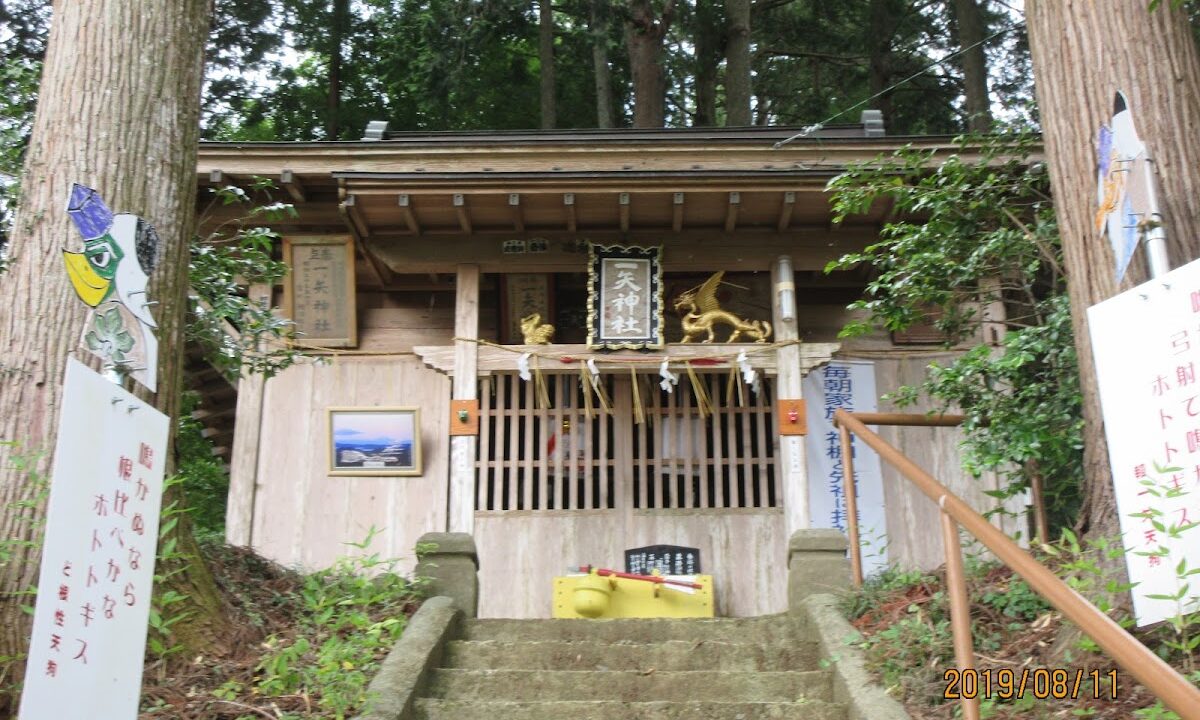
Complete Guide to Ichinoya Yasaka Shrine (Tsukuba City, Ibaraki Prefecture) | The Charm of Goshuin (Shrine Seals), History, and the Garlic Festival
Ichinoya Yasaka Shrine, located in Tamatori, Tsukuba City, Ibaraki Prefecture, is a historic shrine founded in the early Heian period. As a center of Gozu Tenno worship (Gion worship) in Ibaraki Prefecture, it continues to attract many worshippers. This guide provides a detailed introduction to the shrine, from its history to visiting information, highlighting its main hall (a prefectural designated cultural property), a zelkova tree over 800 years old, and its unique garlic amulets.
Basic Information about Ichinoya Yasaka Shrine
Location: 2617 Tamatori, Tsukuba City, Ibaraki Prefecture
Phone Number: 029-864-1132
Deity Enshrined: Susanoo-no-Mikoto
Former Shrine Rank: Village Shrine
Nearest Station: Approximately 55 minutes on foot (4.4km), or 15 minutes by car from Tsukuba Station on the Tsukuba Express
Parking: Available (Free)
Visiting Hours: Grounds are open freely (Please check with the shrine office)
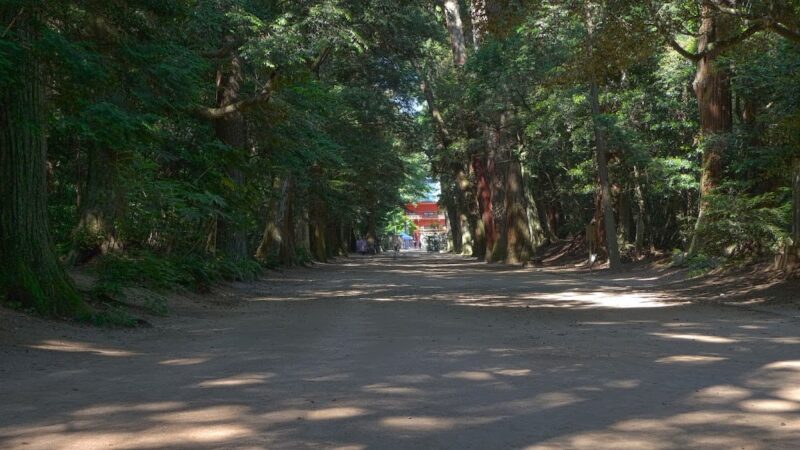
Ichinoya Yasaka Shrine is located in a quiet residential area slightly away from the center of Tsukuba City. The surrounding area is a rural landscape, and a solemn atmosphere permeates the shrine, conveying ancient beliefs to the present day.
History and Origins of Ichinoya Yasaka Shrine
Founded in the Early Heian Period
Ichinoya Yasaka Shrine was founded in the early Heian period, approximately 1100 years ago. While there are various theories regarding the exact founding date, it is generally believed to be the early 9th century. Initially established as a Tenno-sha shrine dedicated to Gozu Tenno, it was affectionately known as “Ichinoya Tenno-sama.”
Regarding the origin of the shrine’s name, “Ichinoya,” there are theories that it was named after the ancient Yano-go region, or that it originates from the offering of the first arrow during prayers for victory in battle.
The Center of Gion Faith in Ibaraki Prefecture
Ichinoya Yasaka Shrine holds a central position in Ibaraki Prefecture’s Gion faith. Within the prefecture, there is a custom that “other Gion festivals in the prefecture cannot be held until the Ichinoya Tenno-sama festival is completed,” demonstrating its central role in Ibaraki’s Gion faith.
Gion faith is a folk belief system that prays for the eradication of disease and protection from disaster, with Kyoto’s Yasaka Shrine as its head shrine. Ichinoya Yasaka Shrine played an important role in the spread of this faith throughout the Kanto region.
The Sengoku Period and the Reverence of the Oda Clan
During the Sengoku period, the Oda clan, a powerful warlord family of Hitachi Province, held this shrine in high esteem. The Oda clan, based at Oda Castle (present-day Oda, Tsukuba City), frequently visited the shrine to pray for victory in battle and for peace within their territory, and it is said they also contributed to the repair of the shrine buildings.
During the Edo period, it received the patronage of the Tsuchiura Domain and developed as the guardian shrine of the region. Following the Meiji-era separation of Shinto and Buddhism, it was officially renamed “Ichinoya Yasaka Shrine,” and remains so to this day.
Deities and Divine Virtues
###### Susanoo-no-Mikoto
The deity enshrined at Ichinoya Yasaka Shrine is Susanoo-no-Mikoto. Susanoo-no-Mikoto is a representative deity in Japanese mythology, known as the younger brother of Amaterasu-Omikami. While known for his fierce nature, he is also a heroic deity who saved people by slaying Yamata no Orochi (a mythical eight-headed serpent).
During the period of syncretism of Shinto and Buddhism, he was identified with Gozu Tenno (another deity) and widely worshipped as a god who wards off epidemics. Even today, he is revered as a god who wards off evil, disasters, and epidemics.
Divine Virtues (Benefits)
Ichinoya Yasaka Shrine is believed to offer the following divine virtues:
- Protection from Evil and Disaster: Protection from epidemics and disasters
- Healing from Illness: Recovery of health and healing from illness
- Safety at Sea: Prayers for the safety of those involved in fishing and shipping
- Abundant Harvest: Prayers for agricultural prosperity and bountiful harvests
- Family Safety: Peace and prosperity of the family
- Business Prosperity: Development of businesses and business success
Especially due to his divine virtue of maritime safety, many people from coastal areas of Ibaraki Prefecture and those involved in fishing visit the shrine.
Highlights and Cultural Properties within the Shrine Grounds
Main Hall (Prefectural Designated Cultural Property)
The greatest highlight of Ichinoya Yasaka Shrine is the main hall, designated as an Ibaraki Prefecture Tangible Cultural Property. This valuable structure preserves the architectural style of the mid-Edo period, characterized by its intricate carvings and elegant form.
The main hall is built in the Ikkensha Nagare-zukuri style, with a copper roof. The front and sides are adorned with magnificent carvings, demonstrating the high level of craftsmanship of the time. The carvings of dragons, lions, and flowers and birds are a must-see.
Worship Hall and Covering Structure (City Designated Cultural Property)
The worship hall and the covering structure (Ooiya) that encloses the main hall are designated as Tsukuba City Tangible Cultural Properties. The covering structure was built to protect the main hall from wind and rain and dates back to the late Edo period. The worship hall is where worshippers offer prayers, and it is also a historically valuable structure.
An 800-Year-Old Zelkova Tree
Standing within the shrine grounds is a magnificent zelkova tree, designated a natural monument of Ibaraki Prefecture. Designated a prefectural natural monument in 1958 (Showa 33), this tree is said to be approximately 800 years old, with a trunk circumference of about 7 meters and a height of about 30 meters.
Throughout its long history, this magnificent zelkova tree has watched over the changes of the shrine. It displays beautiful forms in every season: the fresh green of spring, the deep green of summer, the vibrant autumn foliage, and the shape of its branches in winter. Known as a power spot, many worshippers offer prayers to this sacred tree.
Other Shrine Facilities
There are other points of interest scattered throughout the shrine grounds:
- Stone Torii Gate: A dignified stone torii gate
- Water Basin: A place to purify oneself before praying
- Shrine Office: Reception for amulets and prayers
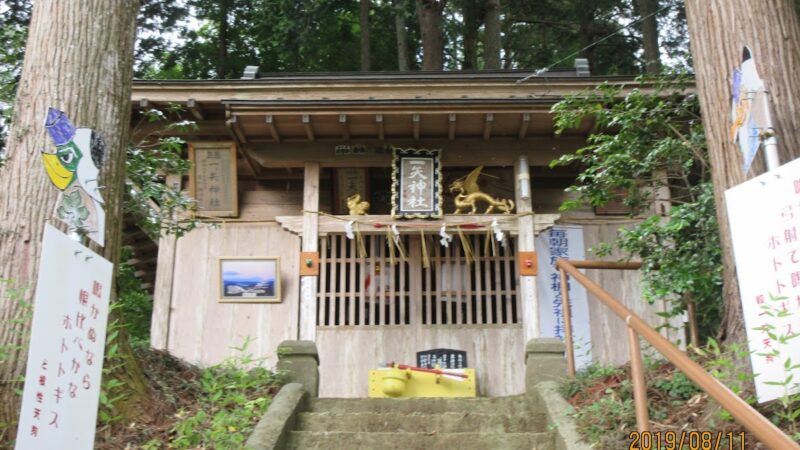
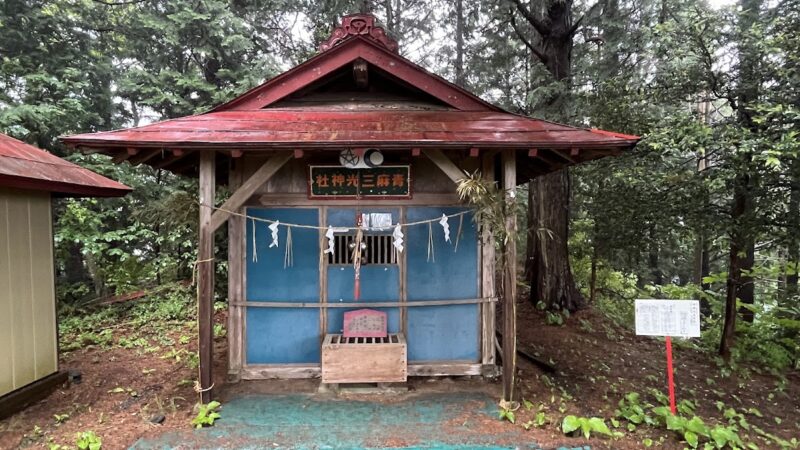
- Shrine Precincts: Several small shrines are enshrined here
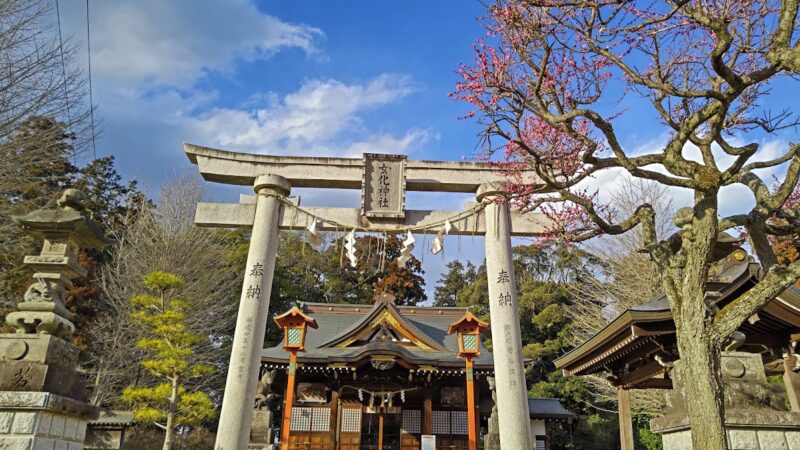
The shrine grounds are well-maintained, allowing for a peaceful and tranquil visit.
Characteristics of the Garlic Festival (Gion Festival)
A Special Annual Festival
The most famous event at Ichinoya Yasaka Shrine is the Gion Festival, commonly known as the “Garlic Festival,” held every July. This festival is an important event that kicks off the Gion Festivals in Ibaraki Prefecture, attracting many worshippers from both within and outside the prefecture.
The Gion Festival is a traditional event that has continued since the Heian period, praying for the eradication of disease. The Gion Festival at Ichinoya Yasaka Shrine holds a special place in Ibaraki Prefecture due to its history and prestige.
Garlic Amulet (Goreikyu)
The most distinctive feature of the Garlic Festival is the “Garlic Amulet (Goreikyu)” distributed only on this day. This is a rare custom nationwide, where real garlic is given as an amulet, and it is believed to have the divine power to ward off disease and misfortune.
Garlic has been believed since ancient times to have the power to ward off evil spirits and prevent disease. This amulet is hung at the entrance of a house or displayed inside the house to pray for good health and protection from illness throughout the year.
On the day of the festival, many worshippers line up from early morning to obtain this garlic amulet. Since the number is limited, it is recommended to visit early if you wish to obtain one.
Festival Details
The Gion Festival features traditional Shinto rituals such as the portable shrine procession and offering ceremonies. The festival, organized by local parishioners, is filled with a timeless atmosphere, allowing visitors to experience traditional Japanese culture firsthand.
About Goshuin (Shrine Seals) and Goshuincho (Shrine Seal Books)
How to Obtain Electronic Goshuin
Ichinoya Yasaka Shrine no longer distributes traditional paper goshuin. Instead, it employs a system where electronic images of “goshuin” are obtained via QR codes. This is a pioneering initiative nationwide, allowing for easy recording of goshuin on smartphones.
Acquisition Procedure:
- Find the QR code located on the shrine grounds.
- Scan the QR code with your smartphone camera.
- Download the electronic goshuin from the displayed page.
- Save it to your smartphone or print it and paste it into your goshuincho.
This method offers the convenience of obtaining goshuin anytime and allows for digital data storage.
About Goshuincho (Stamp Books)
Currently, there is no information regarding the distribution of original Goshuincho at Ichinoya Yasaka Shrine. You can collect stamps by printing the electronic stamps onto paper and pasting them into your own Goshuincho.
For the latest information, please check the official website or contact the shrine office directly.
About Prayers and Amulets
Applying for Prayers
Ichinoya Yasaka Shrine accepts various prayers. We offer prayers for various purposes, including protection from misfortune, family safety, business prosperity, recovery from illness, and safety at sea.
How to Apply for Prayers:
- Apply directly at the shrine office
- Advance telephone reservations are possible (recommended)
- Prayer fees vary depending on the prayer content
Especially during the New Year and Gion Festival periods, crowds are expected, so advance reservations are recommended.
Items Offered
Ichinoya Yasaka Shrine offers the following items:
- Exorcism Amulet: Amulet for protection against misfortune
- Health Amulet: For recovery from illness and prayers for good health
- Maritime Safety Amulet: For those involved in fishing and shipping
- Traffic Safety Amulet: For prayers for safety in cars and bicycles
- Garlic Amulet (Goryo-nii): Available only during the Gion Festival
For details on items and offering fees, please inquire at the shrine office.
Access and Map
Access by Public Transportation
Using the Tsukuba Express:
- Get off at “Tsukuba Station”
- Approximately 55 minutes on foot from the station (4.4 km)
- Approximately 15 minutes by taxi
- Bus: From Tsukuba Center, take the Kanto Railway bus “bound for Tsukuba Yamaguchi via Tamatori,” get off at the “Tamatori” bus stop, and walk for approximately 5 minutes.
Access by public transportation is somewhat inconvenient, so visiting by car is recommended.
Access by Car
From the Joban Expressway:
- Approximately 20 minutes from “Sakura Tsuchiura IC”
- Approximately 15 minutes from “Tsukuba Chuo IC”
From Major Roads:
- Accessible from National Route 354
- Approximately 15 minutes by car from the center of Tsukuba City
Car Navigation Setting: Search for “2617 Tamatori, Tsukuba City, Ibaraki Prefecture” or “Ichinoya Yasaka Shrine”
Parking Information
Free parking is available on the shrine grounds. While there is usually ample parking space, congestion is expected during festivals such as the Gion Festival. During major events, early arrival or use of public transportation is recommended.
Nearby Tourist Attractions
Mount Tsukuba
Mount Tsukuba, located about 20 minutes by car from Ichinoya Yasaka Shrine, is a magnificent peak with an elevation of 877 meters. Composed of two peaks, Mount Nantai and Mount Nyotai, it has been an object of worship since ancient times. You can reach the summit by cable car or ropeway, offering panoramic views of the Kanto Plain.
Tsukuba Shrine
An ancient shrine situated on the slopes of Mount Tsukuba, known for its divine blessings related to matchmaking and marital harmony. Many visitors combine their visit with Ichinoya Yasaka Shrine.
Tsukuba Expo Center
An interactive facility themed around science and technology, featuring a planetarium and various exhibits. A recommended spot for families.
Dohō Park
This vast comprehensive park offers the enjoyment of nature throughout the seasons. It’s perfect for walks and picnics.
Manners and Precautions for Visiting a Shrine
Basic Worship Etiquette
- Bow before passing through the torii gate: Bow slightly before entering the shrine grounds.
- Avoid the center of the path: The center of the path is considered the path of the gods.
- Purify yourself at the water basin:
- Hold the ladle in your right hand and purify your left hand.
- Switch to your left hand and purify your right hand.
- Switch back to your right hand, receive water in your left hand, and rinse your mouth.
- Finally, hold the ladle upright and purify the handle.
- Worship at the main hall:
- Quietly place your offering in the offering box.
- Ring the bell if there is one.
- Two bows, two claps, one bow (bowing deeply twice, clapping twice, bowing deeply once).
Precautions when visiting a shrine
- Attire: Clean, understated clothing is preferable.
- Photography: Be mindful of areas where photography is prohibited, such as inside the main hall.
- Quietness: Please be quiet within the temple grounds.
- Pets: Prior confirmation is required before bringing pets into the temple grounds.
- Smoking and Eating: Please refrain from smoking and drinking outside of designated areas.
Best Time to Visit
- Spring (March-May): Beautiful fresh greenery and pleasant weather.
- Summer (July): Experience the Gion Festival (Garlic Festival).
- Autumn (October-November): The autumn foliage of the large zelkova trees is magnificent.
- Winter (January): New Year’s visit, tranquil atmosphere.
You can visit throughout the year, but the Gion Festival period offers a particularly special experience.
Reviews and Reputation of Ichinoya Yasaka Shrine
Visitor Voices
“The carvings on the main hall are magnificent, and it’s a shrine where you can feel the history. I feel like I received the power of the large zelkova tree.”
“I get a garlic amulet at the Garlic Festival every year. Thanks to that, my whole family is healthy.”
“It’s a quiet and peaceful shrine. It’s a bit far from Tsukuba Station, but it’s worth visiting.”
“The new initiative of electronic goshuin (shrine stamps) is interesting. I felt it was a shrine where tradition and innovation are fused.”
Points of Evaluation
- Historical Value: Over 1100 years of history and a prefectural designated cultural property
- Cultural Properties: Many points of interest, including the main hall, worship hall, and large zelkova tree
- Uniqueness: Garlic amulets, a rare item given out nationwide
- Atmosphere: Serene and solemn grounds
- Access: Convenient with a car, somewhat inconvenient by public transport
Frequently Asked Questions (FAQ)
Q1: How can I obtain a Goshuin (temple/shrine stamp) from Ichinoya Yasaka Shrine?
A1: Ichinoya Yasaka Shrine does not offer paper Goshuin; instead, it provides digital images. You can obtain them by scanning the QR code located on the shrine grounds with your smartphone. The obtained image can be saved on your smartphone or printed and pasted into your Goshuincho (stamp book).
Q2: When are the garlic amulets (Goryo-nira) distributed?
A2: Garlic amulets are distributed only during the Gion Festival (Garlic Festival), held every July. Since quantities are limited, we recommend visiting early on the day of the festival if you wish to obtain one. Please check the shrine’s official website or call for the exact dates.
Q3: Is there parking available?
A3: Yes, there is a free parking lot on the shrine grounds. While there is usually ample space, congestion is expected during major events such as the Gion Festival. We recommend visiting early during peak times.
Q3: Is there parking available?
A3: Yes, there is a free parking lot on the shrine grounds. There is usually sufficient space, but congestion is expected during major events such as the Gion Festival. We recommend visiting early during busy periods. ### Q4: Is it accessible on foot from Tsukuba Station?
A4: It’s approximately a 55-minute walk (4.4 km) from Tsukuba Station. While walking is possible, it requires considerable time and stamina. Using a bus, taxi, or rental car is more convenient. From Tsukuba Center, take the Kanto Railway bus bound for Tsukuba Yamaguchi via Tamatori, and get off at the Tamatori bus stop; it’s about a 5-minute walk from there.
Q5: Is a reservation required for prayers?
A5: While same-day reservations are possible for prayers, it gets particularly crowded during the New Year and Gion Festival periods, so we recommend making a reservation in advance by phone (029-864-1132). Please confirm the prayer fee and duration when making your reservation.
Q6: What are the divine blessings (benefits) of Ichinoya Yasaka Shrine?
A6: The main divine blessings are protection from evil, disaster, epidemics, healing from illness, maritime safety, abundant harvests, family safety, and business prosperity. The blessings for protection from epidemics and maritime safety are particularly well-known, and many people involved in the fishing industry visit the shrine.
Q7: Can I visit the large zelkova tree on the shrine grounds?
A7: Yes, you can freely visit the large zelkova tree on the shrine grounds. It is a sacred tree, approximately 800 years old, designated as a natural monument by Ibaraki Prefecture, and is also known as a power spot. You can enjoy its beautiful appearance throughout the four seasons.
Q8: Are there any places to eat nearby?
A8: Since the area around the shrine is residential, there aren’t many restaurants. If you travel to the center of Tsukuba City or towards Mount Tsukuba, you’ll find plenty of restaurants and cafes. For meals after your visit, we recommend dining around Tsukuba Center or at the foot of Mount Tsukuba.
Summary
Ichinoya Yasaka Shrine is a venerable shrine with over 1100 years of history, located in Tsukuba City, Ibaraki Prefecture. As the center of Gion worship in Ibaraki Prefecture, it continues to attract the faith of many people.
It boasts numerous attractions and charms, including the main hall (a prefectural designated cultural property), an 800-year-old zelkova tree, and the nationally rare garlic amulet. Its innovative approach of offering electronic goshuin (shrine stamps) has also garnered attention.
In particular, the Gion Festival (Garlic Festival) held every July is a special event, bustling with many worshippers seeking garlic amulets for protection against disease. This festival, which kicks off the Gion Festivals in Ibaraki Prefecture, offers a valuable opportunity to experience traditional culture.
While it’s a bit of a distance from Tsukuba Station, it’s easily accessible by car. Ichinoya Yasaka Shrine offers a tranquil setting where you can find peace of mind and receive the divine blessings nurtured by its long history. This shrine is a must-visit when sightseeing in Tsukuba or visiting Mount Tsukuba.
Why not visit and offer your prayers for protection from evil, good health, safety at sea, and other various wishes? The historic shrine buildings and sacred trees will warmly welcome visitors.