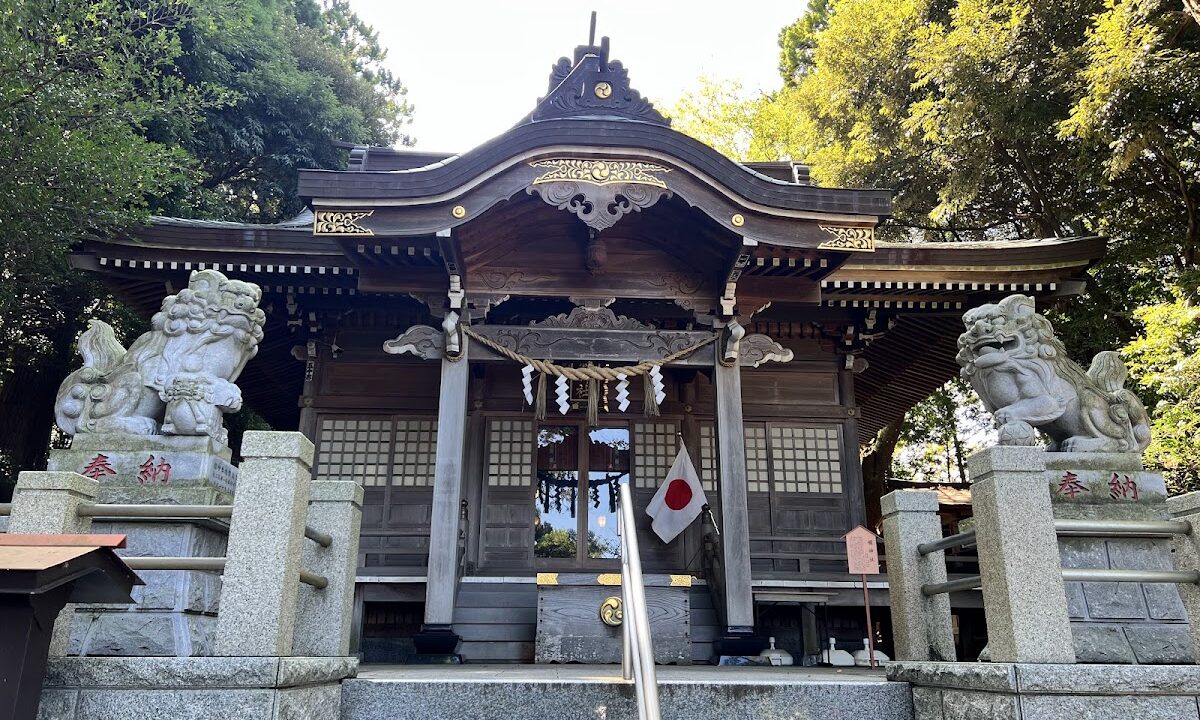
Tomo Shrine (Hitachi City, Ibaraki Prefecture) Complete Guide | Goshuin (Shrine Seal), Rose Garden, and Access Information
Tomo Shrine, located in Tomobe-Higashi, Juo-cho, Hitachi City, Ibaraki Prefecture, is an ancient shrine founded in 1177. Nestled quietly within a residential area, this shrine boasts a unique founding legend, deriving its name from the “stern” (the rear part of a ship) of the vessel carried by the god of Kashima. It is also known for its adjacent rose garden. This article provides a detailed overview of Tomo Shrine, including its history, enshrined deities, goshuin (shrine seal), highlights within the grounds, and access information.
Basic Information about Tomo Shrine
Location: 4-1-2 Tomobe-Higashi, Juo-cho, Hitachi City, Ibaraki Prefecture 319-1303
Phone Number: 0294-32-7373
Deity Enshrined: Takemikazuchi-no-Mikoto
Founded: 1177 (Jisho 1)
Nearest Station: Approximately 3 minutes on foot from Juo Station on the JR Joban Line
Parking: Available
Tomo Shrine is located in a residential area of Hitachi City, Ibaraki Prefecture, yet boasts excellent accessibility, being within walking distance of Juo Station. It’s also conveniently located about 10 minutes by car from the Hitachi-Kita Interchange on the Joban Expressway.
History and Origins of Tomo Shrine
Founding Legend
There is a very interesting legend surrounding the founding of Tomo Shrine. In 1177 (Jishō 1), a ship drifted ashore at what is now Kuniihama, Kawajiri-cho, Hitachi City. A divine statue was enshrined in the stern (the rear part of the ship), and this is believed to be the deity of Kashima Shrine.
The enshrinement of this statue on Funamiyama, the current location, marks the beginning of Tomo Shrine, and the shrine’s name derives from this “stern.” As a shrine dedicated to Takemikazuchi-no-Mikoto, who crossed the sea from Kashima Shrine, it has attracted the faith of the local people.
Tomo Shrine in the Middle Ages
Tomo Shrine also functioned as an important shrine during the Middle Ages. Four ridgepole inscriptions from the late Muromachi period still exist, and these are highly valued as precious historical documents. These inscriptions provide insights into the construction and repair of the shrine at the time, as well as its relationships with influential local figures.
During the medieval period, this region was under the control of the Yatabe clan, and Tomo Shrine was revered as the guardian deity of the local residents and a place to pray for lasting military fortune. It is recorded as “Tomo no Daimyojin,” suggesting its role as a spiritual pillar of the community.
Tomo Shrine in the Modern Era
Following the reforms of the shrine system during the Meiji era, Tomo Shrine was reorganized into its current form. Even through the Showa, Heisei, and Reiwa eras, it continues to be cherished by residents as the local tutelary deity. In recent years, the development of the adjacent rose garden has made it a place visited not only by worshippers but also by people who enjoy the flowers.
About the Deity: Takemikazuchi-no-Mikoto
The main deity enshrined at Tomo Shrine is Takemikazuchi-no-Mikoto. Takemikazuchi-no-Mikoto is a warrior god who plays an important role in Japanese mythology and is also known as the enshrined deity of Kashima Shrine, a representative shrine of Ibaraki Prefecture.
The Divine Nature of Takemikazuchi-no-Mikoto
Takemikazuchi-no-Mikoto is known as the god of thunder and swords, and played a central role in the myth of the transfer of the land. It is said that through his immense military power and negotiating skills, he received the land from Okuninushi-no-Mikoto. Therefore, he is believed to bestow blessings such as lasting military fortune, success in competitions, protection from disaster, and national peace.
Deep Connection to Ibaraki Prefecture
Takemikazuchi-no-Mikoto is a deity whose main base is Kashima Shrine in Ibaraki Prefecture, and the founding legend of Tomo Shrine also originates from the arrival of a ship from Kashima. For this reason, Tomo Shrine is positioned as one of the important shrines demonstrating the spread of Kashima faith.
Subsidiary Shrine: Yasaka Shrine
Yasaka Shrine is also enshrined within the grounds of Tomo Shrine, and Susanoo-no-Mikoto is enshrined there. Susanoo-no-Mikoto is known as the god of protection against misfortune and disease, and together with Takemikazuchi-no-Mikoto, he protects the health and safety of worshippers.
Goshuin (Shrine Seal) Information
Regular Goshuin
Tomo Shrine offers goshuin. While you can obtain them at the shrine office, it is recommended to call ahead to confirm as staff may be absent. The goshuin features the calligraphy and red seal of “Tomo Shrine,” resulting in a simple yet dignified finish.
Limited Edition Goshuin
Tomo Shrine sometimes offers limited edition goshuin in accordance with the seasons and special events. Especially from May to June, when roses are in bloom, special goshuin featuring roses may be available. For the latest goshuin information, please check Tomo Shrine’s official X (formerly Twitter) account (@tomojinja).
Goshuincho (Shrine Seal Book)
Tomo Shrine also offers original goshuincho. The design reflects the characteristics of the shrine and is popular as a memento of a visit.
Hitachi Taga District Divine Jewel Pilgrimage
Tomo Shrine is one of the shrines included in the “Hitachi Taga District Divine Jewel Pilgrimage.” This is a pilgrimage to collect Goshuin (shrine stamps) from 10 shrines in Kitaibaraki City, Takahagi City, and Hitachi City, allowing visitors to experience the history and culture of northern Ibaraki Prefecture while visiting local shrines.
Highlights of the Shrine Grounds
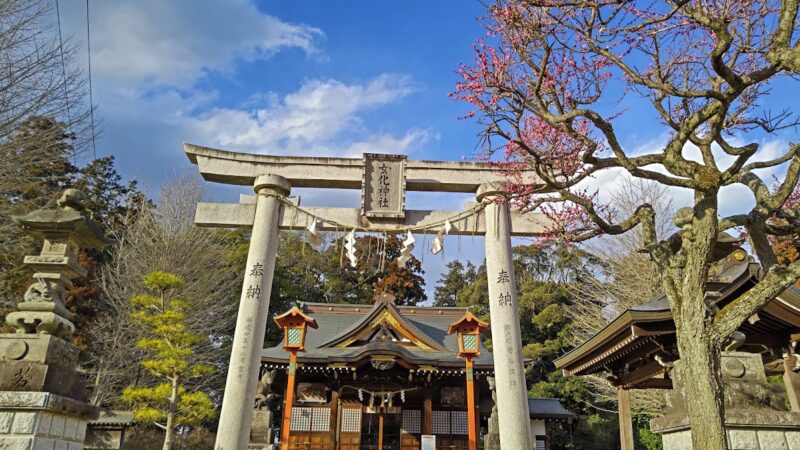
Torii Gate and Approach
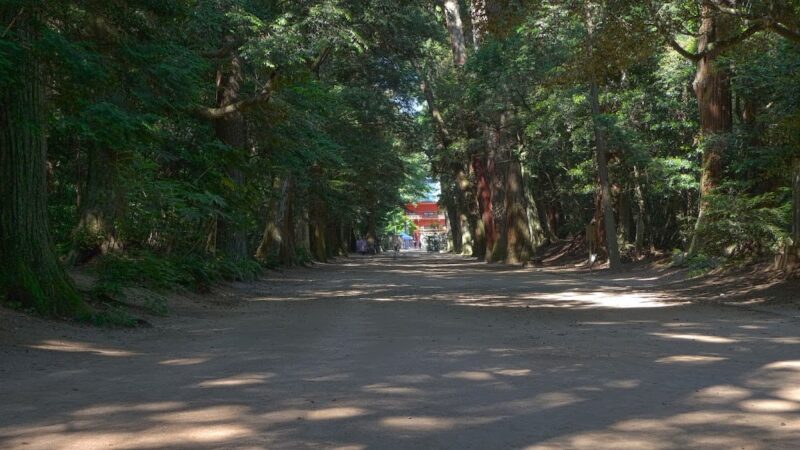
As you proceed along the narrow roads of the residential area, a torii gate suddenly appears before you. This unexpectedness is one of the characteristics of Tomo Shrine, allowing you to experience the不思議な感覚 (mysterious feeling) of a sacred place existing in everyday life. After passing through the torii gate, a tranquil approach continues.
Worship Hall and Main Shrine
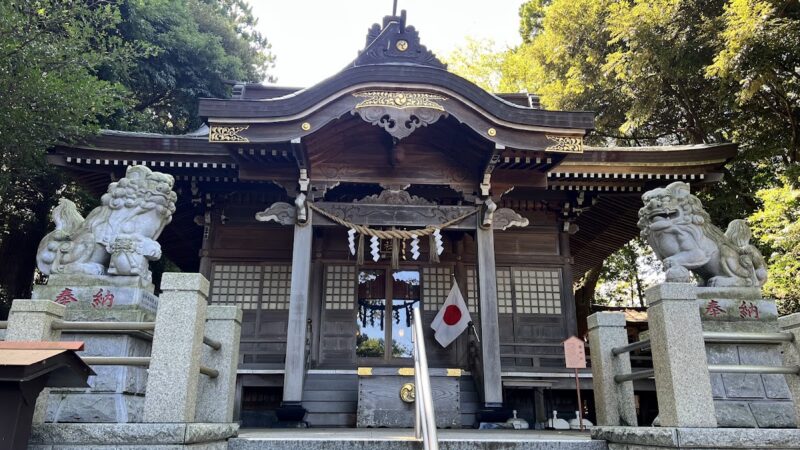
The worship hall of Tomo Shrine is built in a traditional wooden architectural style, presenting a calm and serene appearance. The main shrine enshrines Takemikazuchi-no-Mikoto, allowing for peaceful worship. The shrine grounds are not particularly large, but they are well-maintained and exude a refreshing atmosphere.
Shrine within the Grounds
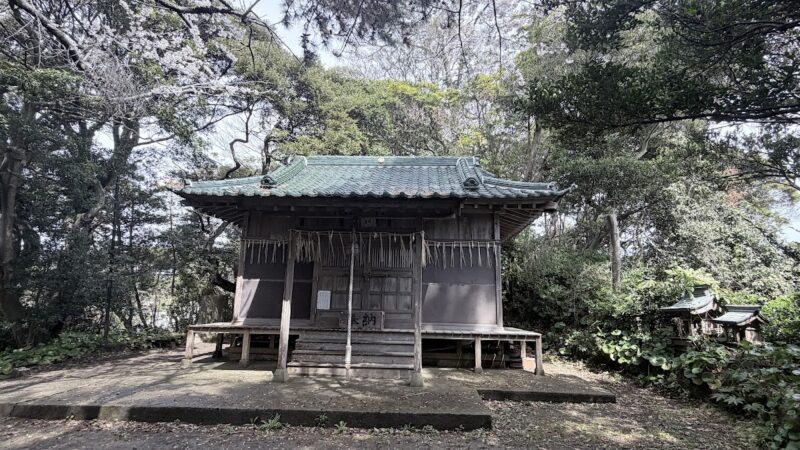
Within the grounds is the Yasaka Shrine, where you can also pay your respects to Susanoo-no-Mikoto. By paying your respects to both the main deity, Takemikazuchi-no-Mikoto, and the Yasaka Shrine, you can receive even greater divine blessings.
Items Available
At the shrine office, you can receive not only Goshuin (shrine stamps) but also amulets and talismans. Various types of amulets are available, including those for military success, protection from evil, and good health.
Tomo Shrine’s Rose Garden
Rose Garden Overview
One of the most distinctive features of Tomo Shrine is its rose garden adjacent to the shrine. Approximately 800 varieties of roses are planted there, making it a rare spot where you can enjoy flowers in conjunction with visiting the shrine. The rose garden is freely accessible, and there is no admission fee.
Best Viewing Season
The roses are in full bloom twice a year.
Spring Viewing Season: The peak season is from May to June, when the most varieties are in full bloom. During this time, the temple grounds are adorned with a dazzling array of colorful roses, creating a truly breathtaking sight.
Autumn Viewing Season: Autumn roses can also be enjoyed from October to November. While not as vibrant as in spring, you can appreciate the beautiful roses in a more tranquil atmosphere.
Everblooming Roses
The rose garden at Tomo Shrine has many everblooming varieties, so you can see some roses in bloom even outside of the peak season. The rose garden, which shows a different face each time you visit, is a popular spot with many repeat visitors.
How to Enjoy the Rose Garden
As you walk around the temple grounds, you’ll see roses everywhere. It’s recommended to take a leisurely stroll before or after your visit and observe the various varieties of roses. It’s also a popular photo spot, and many posts can be seen on social media.
Access Information
Access by Train
Nearest Station: JR Joban Line “Juō Station”
Travel Time: Approximately 3 minutes on foot from Juō Station
After exiting Juō Station, head towards the residential area, and you will arrive at Tomoe Shrine in about 3 minutes on foot. It is very close to the station, making train access convenient. The limited express trains “Hitachi” and “Tokiwa” also stop here from the Tokyo area, making day trips from the Tokyo metropolitan area possible.
Access by Car
From Hitachi-Kita IC on the Jōban Expressway: Approximately 10 minutes
If using the Jōban Expressway, exit at Hitachi-Kita IC and head towards National Route 6. Then, follow the signs towards Juō-chō, and you will arrive at Tomoe Shrine.
Parking
Tomoe Shrine has a parking lot for visitors. However, since it is located in a residential area, parking space is limited. Especially during the rose blooming season, congestion is expected, so please consider using public transportation.
Nearby Tourist Attractions
There are other sights to see around Tomo Shrine in Juo-cho, Hitachi City.
- Juo Panorama Park: A popular spot with a panoramic view of the Pacific Ocean from its observation deck.
- Hitachi Civic Center: A science museum and a celestial theater, recommended for families.
- Other Shrines in Hitachi City: You can also visit other shrines on the Hitachi Taga District pilgrimage.
Annual Events and Festivals
Tomo Shrine holds various Shinto rituals throughout the year.
Annual Grand Festival
The annual grand festival is held every autumn, bringing together local people to enliven the shrine. Portable shrine processions and dedication ceremonies take place, allowing visitors to experience the region’s traditional culture.
New Year’s Visit
The shrine is bustling with visitors for the New Year’s visit. People visit to pray for health and safety throughout the year, enjoying the refreshing atmosphere of the new year.
Other Events
Seasonal Shinto rituals such as the Setsubun Festival and the Summer Purification Ceremony are also held. For detailed dates, please contact the shrine directly or check their official social media accounts.
Manners and Precautions for Visiting the Shrine
Basic Manners for Visiting the Shrine
- Bow before passing through the torii gate.
- Avoid walking in the center of the path (the center is the path for the gods).
- Cleanse your hands and mouth at the purification fountain.
- At the front of the main hall, perform the “two bows, two claps, one bow” ritual.
Photography
Photography is generally permitted in the rose garden and on the shrine grounds, but please be considerate of other visitors. Photography inside the main hall may be prohibited, so please check in advance.
Consideration for the Residential Area
Tomo Shrine is located in a residential area, so consideration for the surrounding residents is necessary. Please be mindful of noise and illegal parking, and strive to visit the shrine quietly.
Reviews and Reputation of Tomo Shrine
Visitor Feedback
Visitors who have visited Tomo Shrine have shared the following comments:
- “It’s a quiet shrine located in a residential area, allowing for a peaceful visit.”
- “The rose garden is wonderful, and the ability to enjoy both shrine visits and flower viewing at the same time is appealing.”
- “It’s close to Juo Station, making it easily accessible.”
- “Since it enshrines Takemikazuchi-no-Mikoto and Susanoo-no-Mikoto, I felt a good connection.”
- “The limited-edition goshuin (shrine stamp) is beautiful, and I recommend it to those who collect goshuin.”
Social Media Reactions
Many posts can be seen on Instagram and X (formerly Twitter), especially during the peak rose season. The combination of vibrant roses and the shrine is popular for its photogenic qualities, and many beautiful photos can be found using the hashtag “#TomoShrine”.
Facilities and Restaurants Around Tomo Shrine
Nearby Restaurants
There are local restaurants around Juo Station, which can be used for meals after visiting the shrine. There are also restaurants where you can enjoy dishes made with local seafood and regional cuisine from Ibaraki Prefecture.
Accommodation
There are several hotels and business hotels in Hitachi City, making it possible for visitors from afar to stay overnight. Accommodation is concentrated around Hitachi Station.
Tomo Shrine and Shrine Pilgrimage in Ibaraki Prefecture
Hitachi Taga District Kami-Tama Pilgrimage
As mentioned above, Tomo Shrine is one of the shrines on the Hitachi Taga District Kami-Tama Pilgrimage. By visiting the 10 shrines in Kitaibaraki City, Takahagi City, and Hitachi City, you can gain a deeper understanding of the region’s history and culture.
Relationship with Kashima Shrine
The main base of Takemikazuchi-no-Mikoto, the deity enshrined at Tomo Shrine, is Kashima Shrine. By visiting Tomo Shrine after or before visiting Kashima Shrine, you can experience the widespread worship of Takemikazuchi-no-Mikoto.
Other Shrines in Ibaraki Prefecture Dedicated to Takemikazuchi-no-Mikoto
There are numerous shrines in Ibaraki Prefecture dedicated to Takemikazuchi-no-Mikoto. Visiting these will allow you to gain a deeper understanding of Ibaraki Prefecture’s shrine culture.
Divine Virtues and Effects of Worship at Tomo Shrine
Main Divine Virtues
Tomo Shrine, dedicated to Takemikazuchi-no-Mikoto, is believed to possess the following divine virtues:
- Long-lasting Military Fortune and Improved Luck in Competitions: Due to his nature as a god of war, you can pray for success in competitions and examinations.
- Protection from Evil and Disaster: His powerful divine strength protects you from various calamities.
- National Peace and Safety and Family Security: Due to his role in the myth of the transfer of the land, he is a god who protects peace and safety.
- Prayers for Good Health: Together with the Yasaka Shrine (dedicated to Susanoo-no-Mikoto) within the grounds, you can pray for good health and protection from disease. ### Visitor Testimonials
Many visitors report feeling refreshed and energized after visiting Tomo Shrine. Those with a strong affinity for Takemikazuchi-no-Mikoto or Susanoo-no-Mikoto often report feeling a positive energy.
Summary
Tomo Shrine is a historic shrine located in Juo-cho, Hitachi City, Ibaraki Prefecture, founded in 1177. It boasts a unique founding legend, originating from the stern of a ship carrying the god of Kashima, and enshrines Takemikazuchi-no-Mikoto as its main deity.
With its convenient location just a 3-minute walk from Juo Station, an adjacent rose garden with approximately 800 varieties of roses, and valuable building plaques from the Muromachi period, it offers plenty to see. Goshuin (shrine stamps) are also available, and it is known as one of the shrines on the Hitachi Taga-gun Kami-Tama Pilgrimage.
Tomo Shrine offers a tranquil atmosphere for worship, despite being located in a residential area. This shrine offers various blessings, including prayers for military success, protection from evil, and good health, making it an attractive destination not only for locals but also for visitors from far away.
Especially during the rose season from May to June and in autumn from October to November, it becomes a rare spot where you can enjoy both shrine worship and flower viewing. When you visit Ibaraki Prefecture, be sure to stop by Tomo Shrine.
Contact Information
Tomo Shrine
4-1-2 Tomobe-Higashi, Juo-cho, Hitachi City, Ibaraki Prefecture 319-1303
TEL: 0294-32-7373
Official Website: https://tomo.or.jp/
Official X (formerly Twitter): @tomojinja
Official Instagram: @tomo.jinjya