Horide Shrine Complete Guide | History, Goshuin (Shrine Seals), and Visiting Information for the Two Shrines in Ibaraki and Niigata
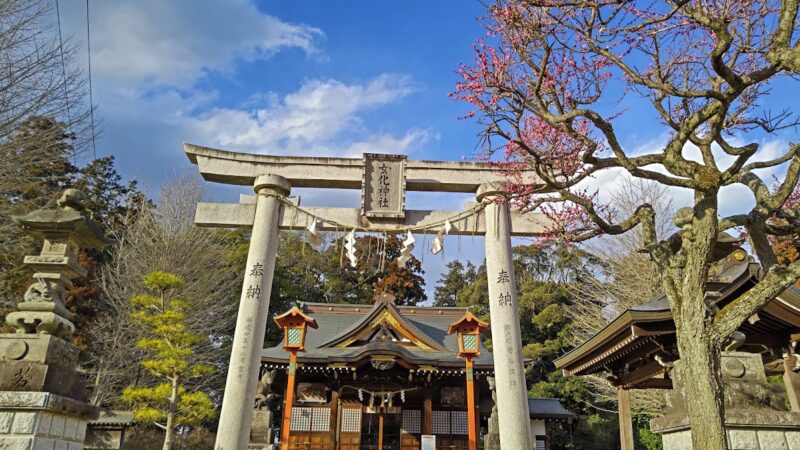
Horide Shrine (Horide Jinja/Horide Jinja) is a unique shrine with two locations in Japan. Located in Hitachinaka City, Ibaraki Prefecture, and Akiha Ward, Niigata City, Niigata Prefecture, both share the name “Horide-dare” (meaning “excavated”), yet possess different histories and divine virtues. This article provides a detailed explanation of the history, visiting information, goshuin information, and annual events of both shrines.
What is Horide Shrine? | Overview of the Two Shrines
There are two shrines named “Horide Shrine” in Ibaraki and Niigata prefectures. Both derive their names from the excavation of sacred objects or treasures from the ground, but their enshrined deities and founding circumstances differ significantly.
Horide Shrine in Hitachinaka City, Ibaraki Prefecture, has a history involving Tokugawa Mitsukuni (Mito Komon) and has recently become nationally known as the “Hoshiimo Shrine” (Dried Sweet Potato Shrine). Meanwhile, Horide Shrine in Akiha Ward, Niigata City, Niigata Prefecture, is a local shrine that has long been revered as the guardian shrine of the Niitsu area.
Horide Shrine in Hitachinaka City, Ibaraki Prefecture | Famous as the Dried Sweet Potato Shrine
History and Origins of Horide Shrine (Ibaraki)
Horide Shrine, located in Ajigaura-cho, Hitachinaka City, Ibaraki Prefecture, is a Hachiman shrine with Hondawake-no-mikoto as its main deity. Its founding is deeply connected to Tokugawa Mitsukuni, the second lord of the Mito Domain.
During the Edo period, a burial mound existed in this area. Tokugawa Mitsukuni, also known as an archaeologist, excavated the mound for academic research and unearthed a sacred object. It is said that the shrine was founded by order of Mitsukuni following this discovery. Therefore, although Horide Shrine was founded relatively recently, it has a special history linked to the famous historical figure Mito Komon. ### Horide Shrine Hachiman | Divine Virtues and Faith
Horide Shrine’s principal deity, Homutawake-no-Mikoto, is widely worshipped as Hachiman, the deified form of Emperor Ojin. While Hachiman worship developed as a guardian deity for samurai families, it is now believed to offer a wide range of divine blessings, including good fortune in competitions, protection from evil, family safety, and traffic safety.
Locally known as “Horide no Hachiman-sama,” the shrine has long been revered as a place of great divine virtue, due to its history of being visited by Tokugawa Mitsukuni. A sacred tree is also enshrined within the grounds, allowing visitors to pray in a peaceful and tranquil environment.
Hoshiimo Shrine | Founding of a New Shrine in the Reiwa Era
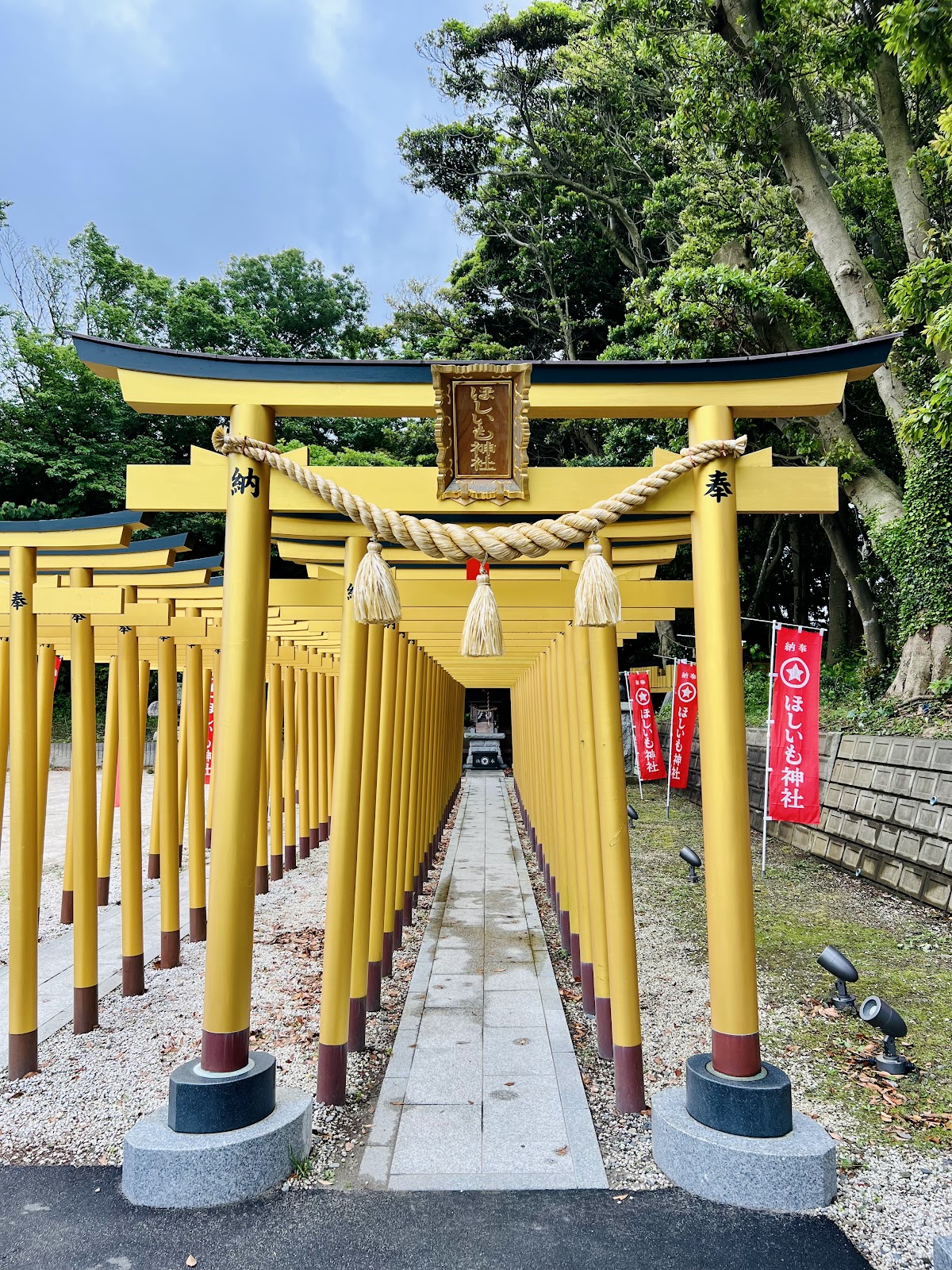
The Hoshiimo Shrine, founded in 2019 (Reiwa 1), is what brought Horide Shrine national attention. This new shrine was built with the wish that “everything one desires may be obtained.”
Hoshiimo Shrine enshrines five pioneers who contributed to the development of dried sweet potatoes (hoshiimo), a specialty product of Ibaraki Prefecture. These five, along with Yoshibei Koike, Toshihichi Miyazaki, Toshihichi Yuasa, Kumatarō Ōwada, and Matsukichi Shirato, are revered as “Gods of Dried Sweet Potatoes.”
This unique concept, combining a local specialty with religious belief, has become a topic of discussion on social media, attracting many visitors. The easily understandable divine blessings—such as “granting wishes” and “obtaining desired items”—have garnered particular support from younger generations.
Visitor Information | Access and Grounds
Location: Ajigaura-cho, Hitachinaka City, Ibaraki Prefecture
Transportation Access:
- Within walking distance from Ajigaura Station on the Hitachinaka Seaside Railway Minato Line
- The shrine’s flag can be seen from the bus window heading to Hitachi Seaside Park
- Access by car is also possible, and parking is available.
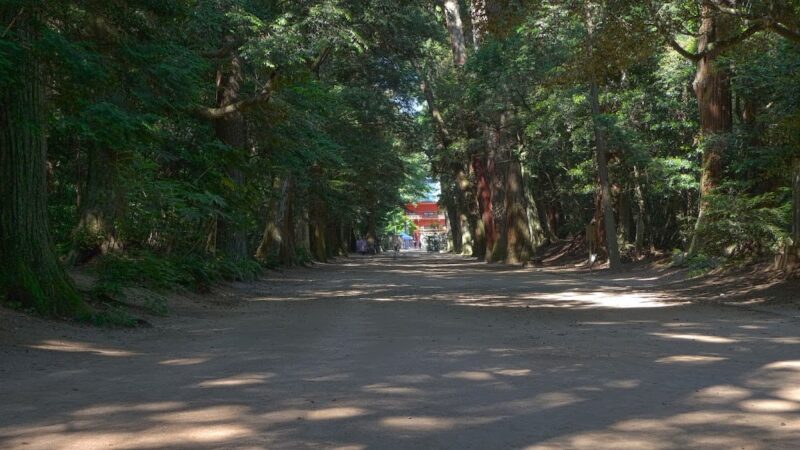
The grounds are relatively compact, but include the main hall, the new shrine of the Hoshiimo Shrine, and a sacred tree. Visitors can pray in a peaceful environment, calming their minds.
Goshuin (Shrine Seal) Information
In addition to the regular goshuin, Horide Shrine sometimes distributes seasonal and special goshuin. Since the founding of the Hoshiimo Shrine, goshuin with designs featuring dried sweet potatoes have also become popular.
Goshuin are available at the shrine office, and many people receive them as a memento of their visit. For limited edition goshuin, it is recommended to check the shrine’s official information in advance.
Horide Shrine, Akiha Ward, Niigata City, Niigata Prefecture | Guardian Deity of Niitsu
History and Origins of Horide Shrine (Niigata)
Horide Shrine, located in Niitsu Honmachi, Akiha Ward, Niigata City, Niigata Prefecture, is a representative shrine of the former Niitsu area, and its former shrine rank was Gosha (village shrine). It is revered as the guardian deity of the entire region, known as the “Guardian Deity of Niitsu.”
The founding of this shrine dates back to the Kamakura period. Around 1200, Hiraga Sukeyoshi built Kanazu Castle in Kanazu and adopted the name Kanazu Kojiro Sukeyoshi. During the construction of the castle, while digging a moat near the current Kanazu Public Hall, which was the entrance to the castle, two golden sacred objects were unearthed. It is said that the shrine was founded following this discovery.
The name “Horide” (meaning “unearthed”) originates from the fact that these sacred objects were unearthed. It is an interesting relationship between this shrine and the Horide Shrine in Ibaraki Prefecture, sharing the same name despite having different historical backgrounds.
Divine Virtues and Role in the Community
Horide Shrine in Niitsu has been affectionately known as “Horide-sama” since the samurai era to the present day, illuminating this region. Its divine virtues are believed to have brought prosperity to Niitsu, which once flourished as a railway town, and extend to the entire Akiha Ward of present-day Niitsu.
As the guardian shrine of the region, it plays an important role in life rituals such as matchmaking, protection from evil, and Shichi-Go-San (a traditional Japanese rite of passage for children), and is the center of faith for local residents.
Visiting Information and Access
Location: Niitsu Honmachi, Akiha Ward, Niigata City, Niigata Prefecture
Transportation Access:
- Within walking distance from JR Shin’etsu Main Line “Niitsu Station”
- Accessible by car
In addition to the main shrine, the grounds contain subsidiary shrines and sacred trees, creating an atmosphere that evokes the history of the region.
Annual Events and Prayers
Horide Shrine in Niitsu holds various festivals and annual events throughout the year. Many worshippers visit the shrine during seasonal events such as the first shrine visit of the year, the Setsubun festival, and the annual grand festival.
The shrine also accepts various prayers, including those for Shichi-Go-San (a traditional rite of passage for children), protection from evil, safe childbirth, and traffic safety. It serves as a place to pray for life’s milestones and daily safety. Those wishing to receive a prayer are advised to contact the shrine in advance to make a reservation.
Goshuin (Shrine Seals) and Offerings
Horide Shrine in Niitsu also offers goshuin (shrine seals), which are popular as mementos of their visit. In addition to regular goshuin, limited-edition goshuin are sometimes distributed in specific years, such as Reiwa 8 (2026).
Offerings include amulets, talismans, votive tablets, and lucky charms, with amulets available to suit various wishes. The latest information on offerings can be found on the shrine’s official website.
Similarities and Differences Between the Two Shrines
Similarities
- Origin of Name: Both shrines derive their names from the fact that they were “excavated.”
- Connection to Historical Figures: Ibaraki is associated with Tokugawa Mitsukuni, and Niigata with Hiraga Sukeyoshi.
- Center of Regional Worship: Both shrines function as important places of worship in their respective regions.
Differences
- Location: Hitachinaka City, Ibaraki Prefecture and Akiha Ward, Niigata City, Niigata Prefecture
- Founding Period: Niigata is from the Kamakura period, Ibaraki from the Edo period
- Former Shrine Rank: Niigata is a Gosha (village shrine), Ibaraki is a Sonsha (village shrine)
- Characteristics: Ibaraki is popular in modern times as the “Hoshiimo Shrine” (dried sweet potato shrine), while Niigata is a traditional general guardian shrine.
Points to Note When Visiting Horide Shrine
Manners and Etiquette for Visiting Shrines
There are basic manners to observe when visiting a shrine. When passing through the torii gate, bow once and avoid walking in the center of the path. Cleanse your hands and mouth at the purification fountain before proceeding to the main shrine. After offering your donation, perform the ritual of two bows, two claps, and one bow.
Receiving Prayers
If you wish to receive prayers for Shichi-Go-San (a traditional Japanese rite of passage for children), warding off evil, or praying for safe childbirth, it is recommended to contact the shrine in advance to make a reservation. Especially during peak seasons (New Year’s, Shichi-Go-San season, etc.), crowds are expected, so early reservations are advisable.
When receiving prayers, it is customary to prepare a first offering (prayer fee) and bring it in a ceremonial envelope. The amount may vary depending on the shrine, so it’s a good idea to check beforehand.
Photography
Photography is generally permitted on the shrine grounds, but there may be restrictions inside the main shrine or during festivals. Also, please be considerate of other worshippers. Even if you plan to post on social media, remember that this is a sacred place and behave respectfully.
Nearby Tourist Information
Around Hitachinaka City, Ibaraki Prefecture
Near Horide Shrine (Ibaraki) is Hitachi Seaside Park. It’s a popular tourist spot where you can enjoy seasonal flowers such as nemophila in spring and kochia in autumn. Ajigaura Beach is also nearby and is bustling with tourists during the swimming season.
Hitachinaka City is also famous as a production area for dried sweet potatoes, and various types can be purchased at local direct sales stores. Enjoying local specialties in conjunction with a visit to the dried sweet potato shrine is highly recommended.
Around Akiha Ward, Niigata City, Niigata Prefecture
The Niitsu district, where Horide Shrine (Niigata) is located, has a history as a thriving railway town. At the Niitsu Railway Museum, you can learn about the region’s railway history. Akiha Ward is also known as a petroleum town, and at the Petroleum World Museum, you can learn about the history of the petroleum industry.
Niitsu is also famous as a town of flowers, particularly peony cultivation. The peony garden offers a magnificent display of flowers in season.
The Modern Significance of Horide Shrine
Both Horide Shrines demonstrate the role of shrines in modern society through different approaches.
Horide Shrine in Ibaraki Prefecture appeals to younger generations with its approachable concept of “dried sweet potato shrine,” and is attracting attention as a new type of shrine that connects local specialties with faith. The construction of a new shrine in the new Reiwa era demonstrates the flexibility to adapt to the times while preserving tradition.
On the other hand, Horide Shrine in Niigata Prefecture continues to fulfill its traditional role as the guardian shrine of the region, playing a crucial role in maintaining the bonds of the local community. Even in today’s increasingly urbanized world, its continued existence as a spiritual anchor for the community is highly significant.
Summary | Planning a Visit to Horide Shrine
The existence of two shrines with the same name, Horide Shrine, in Ibaraki and Niigata prefectures, each with different histories and characteristics, is an interesting example of the diversity of shrine faith in Japan.
Horide Shrine in Hitachinaka City, Ibaraki Prefecture, has a history connected to Tokugawa Mitsukuni and has gained modern popularity as the “Dried Sweet Potato Shrine.” Meanwhile, Horide Shrine in Akiha Ward, Niigata City, Niigata Prefecture, has a history dating back to the Kamakura period and serves as the guardian shrine of Niitsu, a central point of local faith.
Both shrines play important roles in their respective regions, bestowing peace of mind and divine blessings upon worshippers. If you have the opportunity to visit Ibaraki or Niigata, be sure to plan a visit to Horide Shrine. Those collecting Goshuin (shrine stamps) can enjoy the special experience of visiting both Horide Shrines.
When visiting, we recommend quietly offering your prayers while reflecting on the unique history and divine blessings of each shrine.