
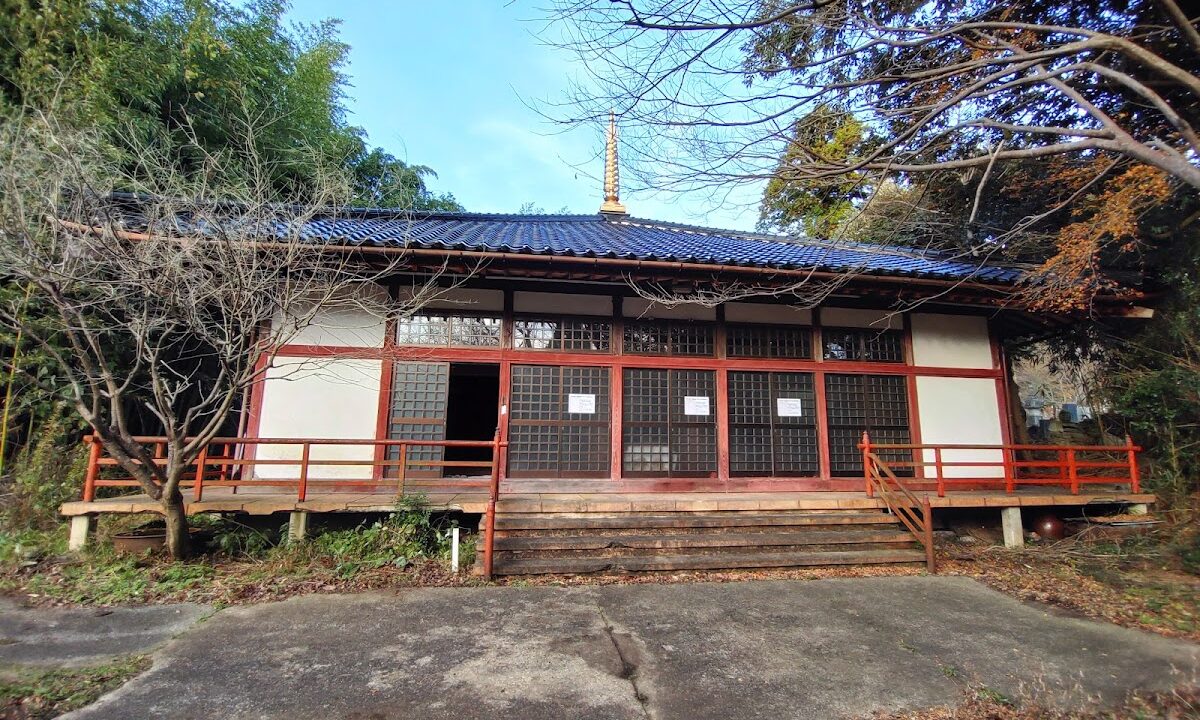
Inshoji Temple (Nanao City, Ishikawa Prefecture) Complete Guide | History and Highlights of the Hokke-shu Jinmon-ryu Sect
About Inshoji Temple
Inshoji Temple is a temple of the Hokke-shu Jinmon-ryu sect located in Kojima-machi, Nanao City, Ishikawa Prefecture. Situated in a historic area facing Nanao Bay in the central part of the Noto Peninsula, this temple has long been cherished as a center of local faith.
The Hokke-shu Jinmon-ryu sect is one of the Nichiren Buddhist sects that inherits the teachings of Nichiren Shonin, and Inshoji Temple performs religious services and ceremonies based on its doctrines. Nanao City has long flourished as the political, economic, and cultural center of Noto Province, and Inshoji Temple has played an important role in its history.
While many temples are scattered throughout Ishikawa Prefecture, Inshoji Temple is known as a temple with its own unique history and culture due to its affiliation with the distinctive Hokke-shu Jinmon-ryu sect.
History and Origins of Insho-ji Temple
Background of its Founding
The founding date and detailed origins of Insho-ji Temple are based on records and oral traditions passed down in the region. The area around Nanao City was under the control of the provincial governors and feudal lords of Noto Province from the medieval to early modern periods, and many temples and shrines were built.
The Hokke-shu Jinmon-ryu, a branch of the Nichiren sect, possesses its own unique doctrines and organization, and has spread its faith particularly in the Hokuriku region. It is believed that Insho-ji Temple developed within this context, becoming a temple that attracted the faith of the local people.
Hokke Faith in the Noto Region
The Noto Peninsula has long been known as a region of deep religious faith, and temples of various sects have coexisted. Hokke faith is one such faith, and the practice of chanting the title “Namu Myoho Renge Kyo,” the teaching of Nichiren Shonin, has been carried out.
Insho-ji Temple has served as one of the centers of Hokke faith in the Noto region, and has been a spiritual pillar for the local residents. Especially from the Edo period onward, it is believed that the establishment of the danka system (parishioner system) strengthened ties with the local community.
Developments since the Modern Era
During the Meiji era, many temples faced difficult times due to the anti-Buddhist movement and the separation of Shinto and Buddhism. However, Insho-ji Temple, too, has continued to preserve its Buddhist teachings with the support of the local people. Even as times changed from Showa to Heisei and then to Reiwa, the temple has continued to operate in a way that is adapted to modern times while inheriting traditional Buddhist services and events.
About the Hokke-shu Jinmon-ryu
Characteristics of the Sect
The Hokke-shu Jinmon-ryu is one of the sects that branched off from the Nichiren sect, and is based on the teachings of Nichiren Shonin. The name “Jinmon-ryu” is said to originate from the distinctive doctrines and traditions of this sect.
In the Hokke sect, the Lotus Sutra is considered the supreme scripture, and it is taught that one can approach Buddha’s enlightenment by chanting the title “Namu Myoho Renge Kyo.” Furthermore, it places great importance on the writings and teachings of Nichiren Shonin, and emphasizes prayers for salvation in this world and for peace in society.
Differences from Other Nichiren Sects
Besides the Nichiren Sect’s main branch, there are various other branches of the Nichiren Sect, including the Hokke Sect (Honmon-ryu, Shinmon-ryu, Jinmon-ryu, etc.), Nichiren Shoshu, and Honmon Butsuryu-shu. While these share basic doctrines, there are differences in doctrinal interpretation, ritual forms, and organizational structures.
The Hokke-ryu Jinmon-ryu has its own unique traditions and organization, and has a history of spreading its faith in specific regions. Temples belonging to this sect are scattered throughout the Hokuriku region, including Ishikawa Prefecture, playing a part in the local religious culture.
Insho-ji Temple Grounds and Highlights
Main Hall
The main hall of Insho-ji Temple is thought to possess the traditional architectural style of a Hokke Sect temple. The principal image is enshrined inside, and daily services and religious ceremonies are held there. In Nichiren Buddhist temples, it is common to enshrine a statue of Nichiren Shonin or a mandala as the principal object of worship.
The inner sanctuary of the main hall houses Buddhist implements and scriptures that have been preserved and passed down by successive chief priests, creating a solemn atmosphere befitting a place of faith.
Atmosphere of the Temple Grounds
Located in Kojima-machi, Nanao City, the grounds of Insho-ji Temple are situated in a quiet environment surrounded by the nature of Noto. A common characteristic of temples in Ishikawa Prefecture is the environment that allows visitors to experience the changing seasons.
From cherry blossoms and plum blossoms in spring, to fresh greenery in summer, autumn leaves in fall, and snowscapes in winter, the temple grounds display different expressions with each season, providing peace of mind to visitors.
Cemetery and Parishioner System
Insho-ji Temple also has a cemetery, where the remains of parishioners who have considered this temple their family temple for generations are laid to rest. Managing cemeteries and performing memorial services are important roles of temples, and many worshippers visit during Obon and Higan.
Relationship between Nanao City and Insho-ji Temple
History and Culture of Nanao City
Nanao City is located in the central part of the Noto Peninsula and has flourished as the center of Noto Province since ancient times. During the Sengoku period, Nanao Castle, the residence of the Hatakeyama clan, was built, making it the political and economic center of Noto.
During the Edo period, it came under the control of the Kaga Domain and developed as a port town. Nanao Bay is a natural harbor, and shipping and fishing industries have thrived. Against this historical backdrop, many temples and shrines were built, and the local religious culture was formed.
Role of Insho-ji Temple in the Region
Insho-ji Temple has played a central role in faith in the Kojima-machi area of Nanao City. Through funerals, memorial services, and annual events for its parishioners, it has supported the ties of the local community.
Even today, temples hold significant importance not only as religious institutions but also as places that convey the history and culture of a region. Insho-ji Temple, too, can be considered a valuable example of preserving the Buddhist culture of Noto.
Nichiren and Hokke Sect Temples in Ishikawa Prefecture
The Spread of Hokke Faith in the Hokuriku Region
Several temples belonging to the Nichiren and Hokke sects exist within Ishikawa Prefecture. These temples have gathered faith in their respective regions and spread the teachings of Nichiren Shonin.
While the Hokuriku region is known for its particularly strong Shinshu (Jodo Shinshu) faith, Hokke faith also has a certain foundation, and there is a history of diverse religious cultures coexisting.
Temple Culture in the Noto Region
In addition to Hokke sect temples like Insho-ji Temple, the Noto Peninsula is dotted with temples of various sects, including the Shinshu Otani sect, Soto Zen, and Shingon Buddhism. Each temple possesses its own unique history and tradition, enriching the region’s religious culture.
In the vicinity of Nanao City, there are important Nichiren Buddhist temples in the Hokuriku region, such as Myojo-ji Temple (Hakui City), allowing us to learn about the historical spread of the Lotus Sutra faith.
Annual Events and Ceremonies at Insho-ji Temple
Main Annual Events
Nichiren Buddhist temples hold various ceremonies and events throughout the year. It is believed that the following events are also held at Insho-ji Temple:
New Year’s Day (Shushō-e)
A ceremony is held to welcome the new year and pray for peace throughout the year. Parishioners visit for their first shrine visit of the year and exchange New Year’s greetings.
Spring Equinox Ceremony
A week-long ceremony for ancestor worship is held centered around the spring equinox. The temple grounds are bustling with parishioners visiting their ancestors’ graves.
Obon (Urabon-e)
In August, a ceremony is held to welcome and honor the spirits of ancestors. Traditional Buddhist ceremonies such as Tanagyo (a Buddhist service for ancestors) and Segaki (a Buddhist service for hungry ghosts) are held.
Autumn Equinox Service
Ancestral memorial services are held again, centered around the autumnal equinox.
Oeshiki (Gomyoko)
A memorial service commemorating the founder of the sect is held around October 13th, the anniversary of Nichiren Shonin’s death. This is one of the most important events for Hokke sect temples.
Daily Services
At the temple, morning and evening services are held daily, with chanting of sutras and mantras. This is both a daily practice for the monks and an important duty to pray for the peace of the parishioners and the community.
Basic Information
Location and Access
Address
Kojima-machi, Nanao City, Ishikawa Prefecture
Access Method
- Access by Train: The nearest station is JR Nanao Line “Nanao Station”. From the station, you can access the temple by taxi or bus.
- Access by Car: From the Nanao Interchange on the Nōetsu Expressway, head towards the city center. From within Nanao city, use a map app or car navigation system to head towards Kojima-machi.
- Parking: Depending on the size of the temple, parking spaces for visitors may be available. It is recommended to check in advance, especially for memorial services.
Visiting Hours and Viewing
Like most temples, you can visit the temple grounds during daytime hours. However, if you wish to view the main hall or receive a detailed explanation, it is recommended to contact the temple in advance.
For memorial services and events, it is advisable to check in advance regarding attendance by non-parishioners.
Contact Information
For specific phone numbers and contact information, please refer to the temple information and religious corporation registration information in Nanao City, or you can check directly at the site.
Tourist Attractions Around Inshōji Temple
Attractions in Nanao City
When visiting Inshōji Temple, you can also visit tourist attractions around Nanao City.
Wakakura Onsen
A representative hot spring resort in Nanao City, lined with scenic hot spring inns facing the sea. A popular base for sightseeing in the Noto Peninsula.
Nanao Castle Ruins
The ruins of a mountain castle from the Sengoku period, designated as a national historic site. From the mountaintop, you can enjoy a panoramic view of Nanao Bay and feel the history of Noto.
Noto Island
An island floating in Nanao Bay, connected by a bridge. It boasts numerous tourist facilities, including an aquarium and a glass art museum.
Around Nanao Port
A market and restaurants offering fresh seafood line the area, allowing you to enjoy Noto’s food culture.
Visiting Temples and Shrines in Ishikawa Prefecture
Besides Insho-ji Temple, Ishikawa Prefecture has many other historical temples and shrines.
Myojo-ji Temple (Hakui City)
The head temple of the Nichiren sect in the Hokuriku region, with numerous buildings designated as important cultural properties.
Soji-ji Temple (Wajima City)
A historic temple known as the head temple of the Soto Zen sect.
Oyama Shrine (Kanazawa City)
A shrine dedicated to Lord Maeda Toshiie, famous for its unique stained-glass gate.
Ishiura Shrine (Kanazawa City)
Considered the oldest shrine in Kanazawa, known for its blessings for matchmaking.
Visiting these temples and shrines allows you to gain a deep understanding of Ishikawa Prefecture’s rich religious culture and history.
Guidelines for Visiting Insho-ji Temple
Temple Visiting Manners
When visiting a temple, please observe the following basic manners:
- Attire: Dress neatly and modestly. Formal attire is especially desirable when attending a memorial service.
- Behavior on Temple Grounds: Visit quietly and be considerate of other visitors.
- Photography: It is advisable to obtain permission in advance before taking photographs of the temple grounds and buildings. Photography inside the main hall and of Buddha statues is often prohibited.
- Offerings and Donations: It is customary to offer a monetary donation when visiting the temple. If requesting a memorial service or prayer, an appropriate donation should be prepared.
Visiting by Non-Parishioners
Insho-ji Temple operates as a temple for parishioners, and therefore may differ from facilities for general tourists. While visiting the temple grounds is possible, it is recommended to contact the temple in advance to confirm if you wish to view the main hall or receive a detailed explanation.
It is important to visit with respect as it is a place of faith for the local community.
The Teachings of the Nichiren Sect and Modern Society
The Teachings of Nichiren Shonin
The fundamental teachings of Nichiren Shonin, which form the basis of the Nichiren Sect, consider the Lotus Sutra to be the supreme scripture, and that anyone can attain Buddhahood by chanting the title “Namu Myoho Renge Kyo.”
Nichiren Shonin was a Buddhist monk during the Kamakura period who, amidst the social conditions of his time, preached that the teachings of the Lotus Sutra were the only way to save people and bring peace to the nation. His teachings continue to be a source of spiritual support for many people today.
The Role of Temples in Modern Times
In modern society, temples play various roles beyond simply being religious institutions.
A Place of Spiritual Support
In today’s stressful society, temples are important places to find peace of mind. By praying in the quiet temple grounds, one can escape the hustle and bustle of daily life and have time to reflect on oneself.
A Center for Local Communities
Temples, especially in rural areas, play a vital role in supporting the bonds of local communities. Through religious services and events, they serve as places for intergenerational exchange.
Preservation of Culture and History
Temples are important institutions that transmit the history and traditional culture of their region to the present day. Many cultural assets, such as architecture, Buddhist statues, paintings, and calligraphy, have been preserved by temples.
End-of-Life Planning and Memorial Services
As “end-of-life planning,” which focuses on preparing for the end of life, gains attention, temples remain a vital presence at life’s milestones, serving as places for funerals and memorial services.
Buddhist Culture of Noto and Insho-ji Temple
Religious Culture of the Noto Peninsula
The Noto Peninsula is known for its warm and friendly people, as symbolized by the saying, “Noto is gentle, even the soil.” The kindness and deep faith of the people in this region have been cultivated over a long history.
In Noto, temples of various sects, including Shinshu, Soto, Shingon, and Hokke, coexist, each supporting the region’s religious culture. There are also many shrines, and the tradition of syncretism between Shinto and Buddhism remains strong.
Regional History as Told by Insho-ji Temple
Insho-ji Temple, as a temple that plays a part in Noto’s Buddhist culture, conveys the region’s history to the present day. Rooted in the Kojima-machi area of Nanao City, this is a place of worship that has been preserved by successive generations of priests and parishioners.
Even small temples in rural areas hold invaluable cultural value, imbued with the prayers and history of the local people. Insho-ji Temple, too, is an indispensable part of understanding the history of Noto.
The Charm of Temple Pilgrimages in Ishikawa Prefecture
Diverse Sects and Histories
Ishikawa Prefecture boasts temples of diverse sects, including the Shinshu Otani sect, Shinshu Honganji sect, Soto Zen, Shingon sect, Nichiren sect, and Hokke sect. Each temple possesses its own unique history and characteristics, offering different attractions to visitors.
Kanazawa, the castle town of Kaga Hyakumangoku, has many large temples associated with the Maeda family, while the Noto region is dotted with temples deeply rooted in the local community. This diversity is a major attraction of temple pilgrimages in Ishikawa Prefecture.
Goshuin Pilgrimage and Temple Visits
In recent years, “Goshuin pilgrimages,” where people visit temples and shrines while collecting Goshuin (temple/shrine stamps), have become popular. Many temples in Ishikawa Prefecture offer Goshuin, and they are cherished by many as a memento of their visit.
It’s best to check directly with Insho-ji Temple to see if they offer Goshuin. Goshuin are not merely stamps; they are a heartfelt token of respect and proof of your visit.
Temple Scenery Through the Seasons
Temples in Ishikawa Prefecture offer beautiful scenery throughout the four seasons. From cherry blossoms in spring, fresh greenery in early summer, autumn leaves, and snowscapes in winter, the temple grounds display different expressions with each season, soothing the hearts of visitors.
Temples in the Noto region, in particular, are often surrounded by nature, allowing for peaceful and tranquil experiences.
Inquiries and Visiting Planning for Insho-ji Temple
Preparations Before Visiting
When visiting Insho-ji Temple, it’s a good idea to check the following points in advance. 1. Confirm Access Methods: Check the location using a map app or car navigation system and decide on your mode of transportation.
- Visiting Hours: Check the general visiting hours. If you wish to visit the main hall, prior contact is recommended.
- Attire and Items to Bring: Prepare appropriate clothing and bring prayer beads or other items as needed.
- Plan Surrounding Sightseeing: Plan your visit to combine Inshoji Temple with other sightseeing spots in Nanao City and the Noto Peninsula.
Combining with Nanao City Sightseeing
Combining a visit to Inshoji Temple with sightseeing in Nanao City and the Noto Peninsula will make for a more fulfilling trip. There are many ways to enjoy your trip, such as staying at Wakura Onsen, savoring fresh seafood from Noto, or extending your trip to Noto Island or Wajima City.
Positioning your visit to Inshoji Temple as part of a journey to experience Noto’s rich nature and historical culture will create deeper travel memories.
Summary
Insho-ji Temple, located in Kojima-machi, Nanao City, Ishikawa Prefecture, is a temple of the Hokke-shu Jinmon-ryu sect and has played a central role in local faith. This temple, which conveys the rich Buddhist culture of the Noto region to the present day, is a valuable entity with historical value and deep ties to the community.
Belonging to the distinctive Hokke-shu Jinmon-ryu sect, it continues to uphold the teachings of Nichiren Shonin while remaining a temple that is close to the local community even today. In the historic town of Nanao City, Insho-ji Temple quietly, yet surely, serves as a spiritual haven for the people.
When visiting Ishikawa Prefecture, why not visit not only famous tourist spots like Kanazawa and Wakura Onsen, but also locally rooted temples like Insho-ji Temple? There, you’ll find the true face of Noto, not found in tourist guides.
By experiencing Noto’s beautiful nature, the warmth of its people, and the faith culture cultivated over a long history, you can enjoy a truly enriching experience. I hope that visiting Inshoji Temple will make your trip to Noto more profound and meaningful.


