Complete Guide to Daishoji | History, Highlights, and Access
The name Daishoji refers to several temples throughout Japan, and is also widely known as the former castle town of Daishoji in Kaga City, Ishikawa Prefecture. This article provides comprehensive information about Daishoji, explaining everything from its historical background to modern tourist information.
What is Daishoji? Basic Information and Overview
Daishoji is a place name and temple name with multiple meanings. The two most well-known are:
Daishoji District, Kaga City, Ishikawa Prefecture
Located in the heart of Kaga City, Ishikawa Prefecture, this former castle town was the seat of the Daishoji Domain during the Edo period. It retains the atmosphere of a castle town, and many historical buildings and cultural assets remain.
Daishoji (Temples) Across Japan
There are several Buddhist temples named “Daishoji” throughout Japan. Particularly famous is Daishoji Temple in Sakyo Ward, Kyoto City, known as a monzeki temple (a temple headed by a member of the imperial family).
History of Daishoji, Kaga City, Ishikawa Prefecture
Establishment and Development of the Daishoji Domain
The history of Daishoji developed significantly from the Sengoku period to the Edo period. In 1639 (Kanei 16), Maeda Toshiharu, the third son of Maeda Toshitsune, established the Daishoji Domain with a 70,000 koku (unit of rice production) yield, marking the beginning of the region’s development as a full-fledged castle town.
The Daishoji Domain was a branch domain of the Kaga Domain and was ruled by the Maeda family for approximately 230 years. During this time, urban planning for the castle town progressed, and a town layout was formed with samurai residences, merchant districts, and temple grounds neatly arranged.
History of Daishoji Castle
Daishoji Castle is a mountain castle built on Kinjozan Mountain in the present-day Daishoji district of Kaga City, Ishikawa Prefecture. During the Sengoku period, it served as a base for the Ikkō-ikki rebellion, and later came under the control of the Maeda family.
The castle was abandoned after the Meiji Restoration, and only parts of the stone walls and the remains of the baileys remain today. However, the castle ruins are a popular scenic spot offering panoramic views of the Kaga Plain and the Sea of Japan.
Development of Castle Town Culture
Throughout the Edo period, Daishoji flourished as a center of culture and art. It is particularly known for its efforts in reviving Kutani ware, becoming the center of “Reviving Kutani.” Furthermore, while influenced by the culture of the Kaga Domain, it cultivated its own unique townspeople culture.
Major Tourist Spots in Daishoji
Kinjōzan (Daishoji Castle Ruins)
Kinjōzan, the site of Daishoji Castle, is an excellent viewpoint overlooking the city. In spring, it is a popular cherry blossom viewing spot, attracting many visitors, and is maintained as “Kinjōzan Park.”
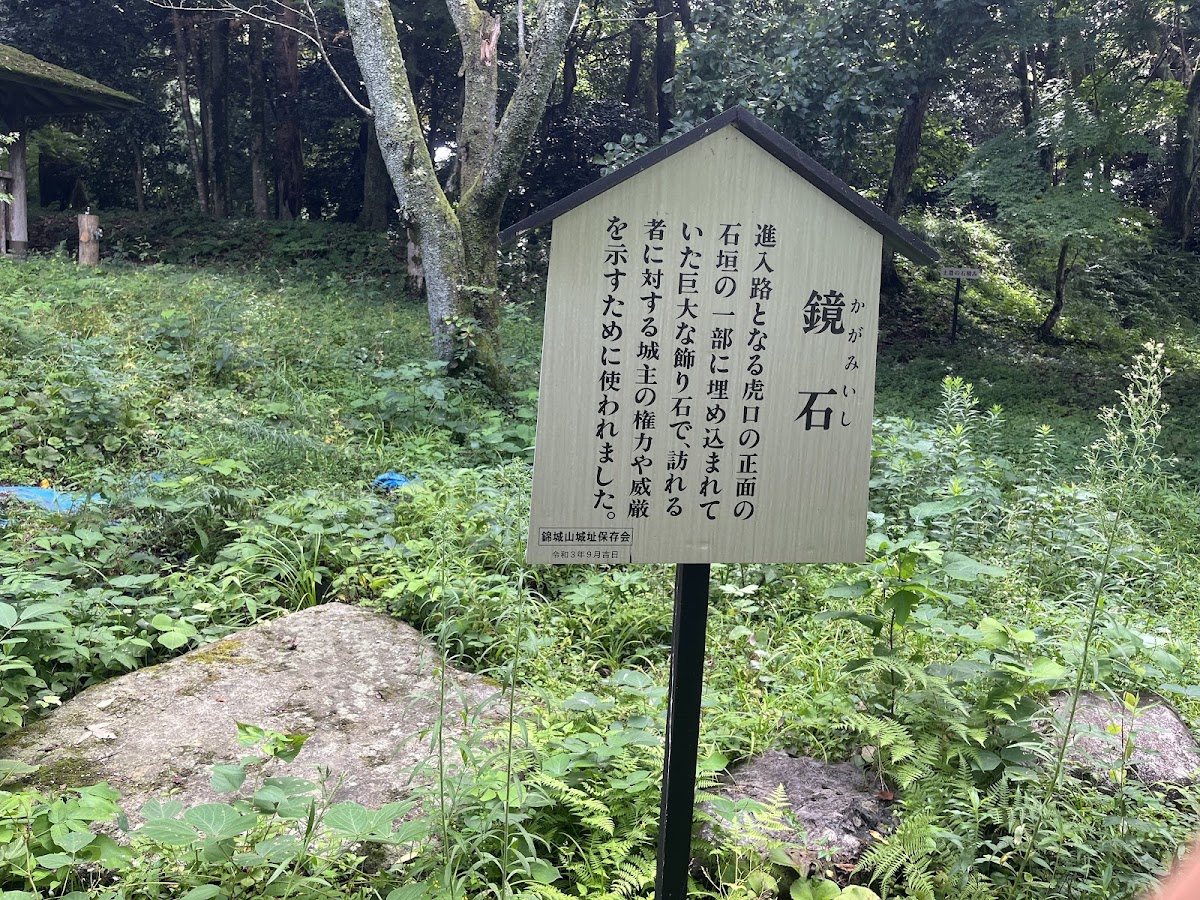
The summit is about a 20-minute walk away. Along the way, you’ll find remnants of stone walls and explanatory signs, making for an enjoyable historical walk.
Jisshoin Temple
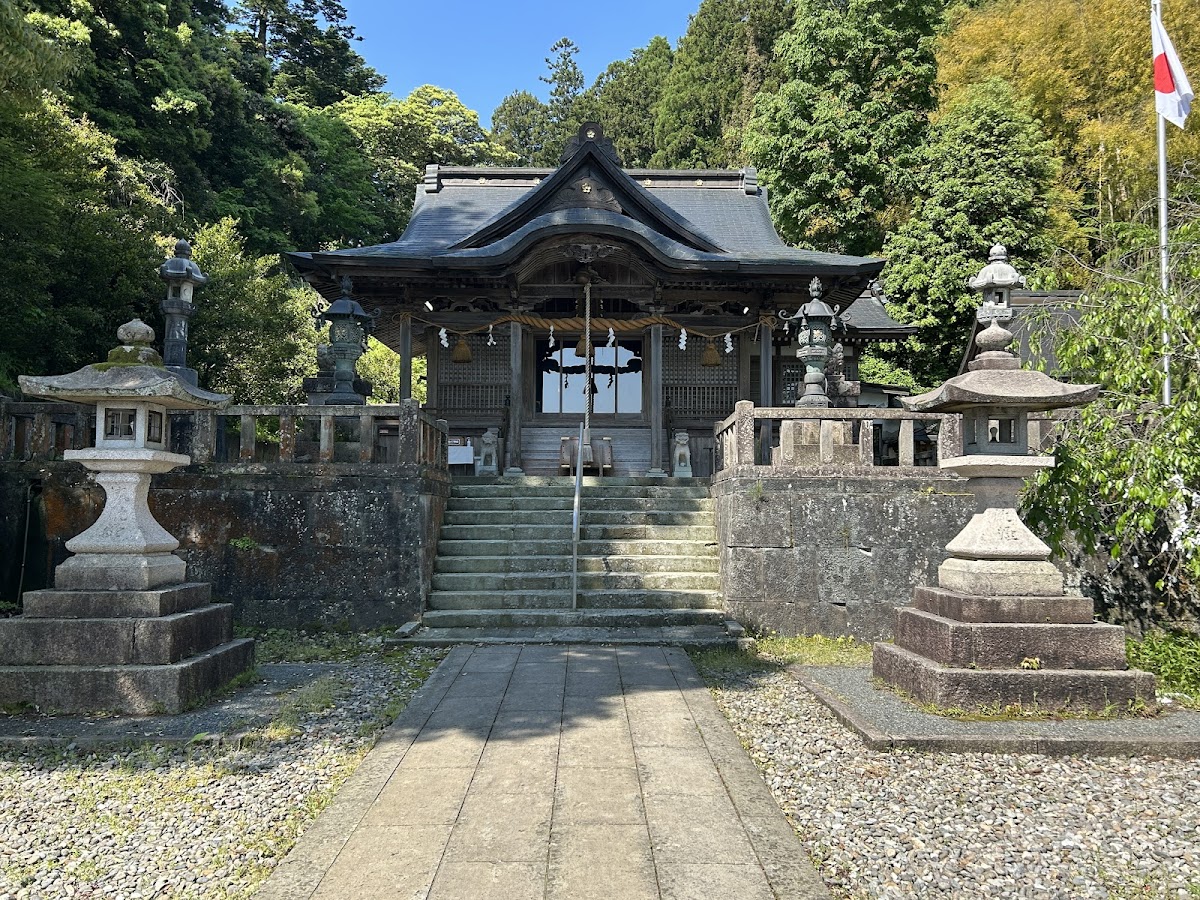
Jisshoin Temple, the family temple of the Maeda family, lords of the Daishoji Domain, retains a strong sense of the Edo period. The temple grounds contain the tombs of successive lords, and its magnificent main gate and main hall speak to the prestige of the time.
Ishikawa Prefectural Kutani Ware Museum
Located in the Daishoji area, the Kutani Ware Museum is a specialized museum showcasing the history and works of revived Kutani ware. Visitors can learn about the evolution of Kutani ware from the late Edo period to the present day and admire numerous beautiful polychrome porcelain pieces.
The museum also regularly holds special exhibitions, introducing traditional Kutani ware techniques and works by contemporary artists.
Yamanoshita Temple Group
The area of Daishoji known as “Yamanoshita” (meaning “below the mountain”) is home to many temples. This is a remnant of the Edo period castle town planning, where temples were gathered in one place for defensive reasons.
A stroll along the quiet cobblestone paths, visiting historic temples, is one of the highlights of sightseeing in Daishoji.
Kumasaka River and Cherry Blossom Trees
Along the Kumasaka River, which flows through the town of Daishoji, there is a beautiful row of cherry trees. In spring, the “Daishoji River Floating Doll Festival” is held. This traditional event, in which hina dolls are floated on the river, attracts many tourists.
About Daishoji, Kyoto
Overview of Daishoji (Sakyo-ku, Kyoto City)
Daishoji, located in Okazaki, Sakyo-ku, Kyoto City, is a Rinzai Zen temple officially known as “Daishoji Monzeki.” As a prestigious monzeki temple where an imperial princess served as the head priest, it was also called “Gotera Gosho” (Imperial Temple Palace).
History and Origin
Daishoji is an ancient temple said to have been founded during the Muromachi period. Because successive generations of imperial family members and princesses of court nobles entered the temple, it is known as a prestigious nunnery monzeki temple.
The temple grounds contain historical buildings and gardens, making it a hidden gem in Kyoto, cherished by some enthusiasts. However, it is usually closed to the public, and viewing is only possible during special openings.
Cultural Assets and Highlights
Daishoji Temple houses items related to the Imperial family, as well as valuable Buddhist statues and paintings. Special openings offer a rare opportunity to view these cultural assets up close.
Other Daishoji Temples
There are other temples named “Daishoji” throughout Japan.
Daishoji Temples in Tokyo
There are also several Daishoji temples in Tokyo, each with a different sect and history. They remain popular with many parishioners and visitors today, serving as centers of local faith.
Characteristics of Daishoji Temples in Various Regions
Daishoji temples throughout Japan belong to various sects, including Shingon, Tendai, and Nichiren Buddhism. A key characteristic is that each temple has cultivated its own unique history and culture in its respective region.
How to Access Daishoji Temple
Access to Daishoji Temple, Kaga City, Ishikawa Prefecture
Access by Train
- Get off at Daishoji Station on the JR Hokuriku Main Line
- Approximately 30 minutes by limited express train or 50 minutes by local train from Kanazawa Station
- Approximately 40 minutes by limited express train from Fukui Station
Access by Car
- Approximately 5 minutes from Kaga IC on the Hokuriku Expressway
- Approximately 50 minutes from Kanazawa city center via National Route 8
Access by Plane
- Approximately 30 minutes by car from Komatsu Airport
- Take a bus from Komatsu Airport to Daishoji Station via JR Kaga Onsen Station
Access to Daishoji Temple, Kyoto
Access by Train
- Approximately 15 minutes on foot from Higashiyama Station on the Kyoto Municipal Subway Tozai Line
- Approximately 20 minutes on foot from Sanjo Station on the Keihan Railway
Access by Bus
- Kyoto City Bus “Okazaki Park” Get off at “Museum/Heian Jingu-mae” bus stop and walk for about 5 minutes.
Tourist Attractions Around Daishoji Temple
Kaga Onsenkyo (Kaga Hot Spring Village)
Within a 10-20 minute drive from Daishoji Temple are the Kaga Onsenkyo hot springs, including Yamashiro Onsen, Yamanaka Onsen, and Katayamazu Onsen. A travel plan combining sightseeing and hot springs is recommended.
Natadera Temple
Located about a 15-minute drive from Daishoji Temple, Natadera Temple is a renowned temple known as a sacred site of Hakusan worship. Its highlights include the unique rock formations and beautiful gardens, and the scenery is particularly spectacular during the autumn foliage season.
Kitamaebune Village Museum
This museum allows you to learn about the history of Kitamaebune ships, which flourished in the Sea of Japan trade from the Edo period to the Meiji period. You can learn about the relationship between Daishoji Temple and maritime transport.
Annual Events in Daishoji
Daishoji River Floating Doll Festival (March)
This traditional event, held every March, involves floating colorful Hina dolls down the Kumasaka River. A popular springtime spectacle, it attracts many tourists.
Kinjozan Cherry Blossom Festival (April)
Held when the cherry blossoms on Kinjozan Mountain are in full bloom, the festival features nighttime illuminations. Food stalls are set up, and the area is bustling with cherry blossom viewers.
Daishoji Jumangoku Festival (May)
This event recreates the history and culture of the Daishoji Domain, featuring a samurai procession and traditional performing arts. It’s a valuable opportunity to experience the history of the castle town.
Kaga Daishoji Chrysanthemum Exhibition (October-November)
In autumn, a chrysanthemum exhibition is held, showcasing magnificent chrysanthemum displays. It’s a chance to appreciate traditional Japanese horticultural culture.
Daishoji’s Local Products and Cuisine
Kutani Ware
Daishoji is the center of the revival of Kutani ware, and many kilns and artists are still active there today. You can purchase a wide variety of Kutani ware, from traditional colored enamelware to modern designs.
Kaga Cuisine
Enjoy traditional Kaga cuisine made with fresh seafood from the Sea of Japan and Kaga vegetables. The snow crab and sweet shrimp in winter are especially exquisite.
Daishoji Soba
Handmade soba noodles made with locally grown buckwheat flour are a hidden specialty of Daishoji. They are characterized by their firm texture and fragrant flavor.
Japanese Sweets
There are many long-established Japanese confectionery shops that carry on the culture of the castle town, offering a selection of refined Japanese sweets. They make perfect souvenirs.
Accommodation in Daishoji
Ryokans and Hotels
The Daishoji area offers a variety of accommodations, from historic ryokans to modern business hotels. Another popular option is a stay in the nearby Kaga Onsenkyo hot spring resort area and a visit to Daishoji Temple.
Guesthouses/Homestays
In recent years, the number of guesthouses renovated from old traditional houses has increased, allowing guests to experience the atmosphere of a castle town. You can also enjoy interacting with the locals.
Model Itinerary for Daishoji Sightseeing
Day Trip Course (Duration: Approx. 5 hours)
- 10:00 AM: Arrive at JR Daishoji Station
- 10:15 AM: Stroll through the temple complex at Yamashita (approx. 1 hour)
- 11:30 AM: Climb Mt. Kinjo and visit the castle ruins (approx. 1 hour)
- 12:30 PM: Lunch in town (Kaga cuisine)
- 2:00 PM: Visit the Ishikawa Prefectural Kutani Ware Museum (approx. 1 hour)
- 3:00 PM: Stroll along the Kumasaka River and purchase souvenirs
- 4:00 PM: Depart from Daishoji Station
2-Day/1-Night Course
Day 1
- Morning: Sightseeing in Daishoji town (temple complex, Mt. Kinjo)
- Afternoon: Visit the Kutani Ware Museum and Jisshoin Temple
- Evening: Travel to Kaga Onsenkyo, stay at a hot spring inn.
Day 2
- Morning: Visit Natadera Temple
- Afternoon: Kitamaebune Village Museum, souvenir shopping
- Evening: Return home
Points to Note and Advice for Daishoji Sightseeing
Best Season for Sightseeing
The best seasons for sightseeing in Daishoji are April, when the cherry blossoms are in bloom, and November, when the autumn leaves are beautiful. However, since there are many tourists during these times, we recommend booking accommodations early.
Summer has relatively few tourists, allowing for a leisurely stroll. While the snow-covered castle town in winter is charming, preparation for snowfall is necessary.
Transportation
Daishoji town is compact enough to explore on foot, but a car is convenient for efficiently visiting surrounding tourist spots. Consider using a rental car or a sightseeing taxi.
Clothing and Items to Bring
If you plan to hike Mt. Kinjo, comfortable walking shoes are essential. Also, don’t forget to dress appropriately for the season and prepare sun protection (hat, sunscreen) and rain gear.
Photography
Photography is prohibited in some areas within the temple grounds, so be sure to obtain permission before taking pictures. Also, when taking pictures in residential areas, be mindful of privacy.
Culture and Tradition of Daishoji
Kutani Ware Tradition
Daishoji has played an important role in the history of Kutani ware as the birthplace of “Revival Kutani.” In the late Edo period, with the support of the Daishoji domain, Kutani ware techniques were revived, and a unique style was established.
Even today, artists are active, preserving traditional techniques while also challenging themselves with new forms of expression.
Kaga Lion Dance
The Daishoji area has inherited the tradition of the lion dance, unique to the Kaga region. A magnificent lion dance is performed during festivals, symbolizing the region’s cultural identity.
Tea Ceremony Culture
Influenced by the Kaga domain, tea ceremony culture also developed in Daishoji. Even today, tea ceremony classes and tea gatherings are held, ensuring the continuation of traditional culture.
Modern Charms of Daishoji
Preservation of Historic Townscapes
In Daishoji, efforts are underway to preserve the historical townscape. The number of cafes and galleries utilizing old townhouses and samurai residences is increasing, creating a new charm where tradition and modernity blend.
Hub of Art and Culture
Events and workshops combining traditional crafts, including Kutani ware, with contemporary art are held. Galleries showcasing the works of young artists are scattered throughout the area, making it a culturally stimulating region.
Revitalization of the Local Community
Opportunities for interaction between visitors and local residents are increasing, such as guided tours by local residents and community spaces utilizing townhouses. The warm hospitality is a major part of Daishoji’s charm.
Summary: To Fully Enjoy the Charms of Daishoji
Daishoji is a fascinating region where rich history and culture, beautiful natural scenery, and the warm hospitality of its people harmonize. Daishoji in Kaga City, Ishikawa Prefecture, retains the atmosphere of an Edo-period castle town while continuing to evolve as a modern cultural hub.
Kyoto’s Daishoji, as a prestigious monzeki temple with ties to the Imperial family, holds special historical value.
Both Daishoji temples are valuable places to deeply experience traditional Japanese culture. With diverse ways to enjoy Daishoji, including historical walks, traditional craft experiences, hot springs, and gourmet food, we highly recommend visiting.
By gathering information in advance and planning your visit carefully, you can appreciate the charm of Daishoji even more deeply. Daishoji, which displays different expressions in each of the four seasons, is a profound tourist destination where you can discover something new every time you visit.