Daikoji Yakushido (Ichinoseki City, Iwate Prefecture) Complete Guide | Visiting the Important Cultural Property, the Standing Statue of Yakushi Nyorai, and its History
Daikoji Temple, located in Senmaya-cho, Ichinoseki City, Iwate Prefecture, is a historic temple that has long been a center of faith for the local people. In particular, the Yakushido (Medicine Buddha Hall), located to the left of the main hall, houses a wooden standing statue of Yakushi Nyorai, designated as an Important Tangible Folk Cultural Property of Iwate Prefecture. Its high historical and cultural value attracts many worshippers and cultural property enthusiasts.
This article comprehensively explains everything you need to know before visiting Daikoji Yakushido, including its history, cultural value, highlights, and access information.
What is Daikoji Yakushido?
Daikoji Yakushido is a temple facility located in Senmaya Miyashiki, Senmaya-cho, Ichinoseki City, Iwate Prefecture. It is situated within the grounds of Daikoji Temple and is built as a separate building from the main hall. The name Yakushido (Medicine Buddha Hall) originates from the fact that it enshrines Yakushi Nyorai (Medicine Buddha) as its principal deity.
Yakushi Nyorai, formally known as “Yakushi Rurikō Nyorai,” has been worshipped since ancient times as the principal deity of the Eastern Pure Land of Lapis Lazuli, a Buddha who heals people’s illnesses and wards off disasters. While Yakushido halls are built throughout Japan, Daikoji Yakushido is particularly known for its valuable cultural assets.
History and Origins of Daikoji Temple
Although detailed records of Daikoji Temple’s founding date are not available, based on local traditions, architectural style, and the style of the enshrined Buddha statues, it is believed to have functioned as a center of local faith from the medieval to the early modern period.
Senmaya Town has long flourished as a transportation hub, and many temples and shrines were built in the surrounding area. Daikoji Temple, within this historical context, played an important role as a spiritual pillar for the local residents.
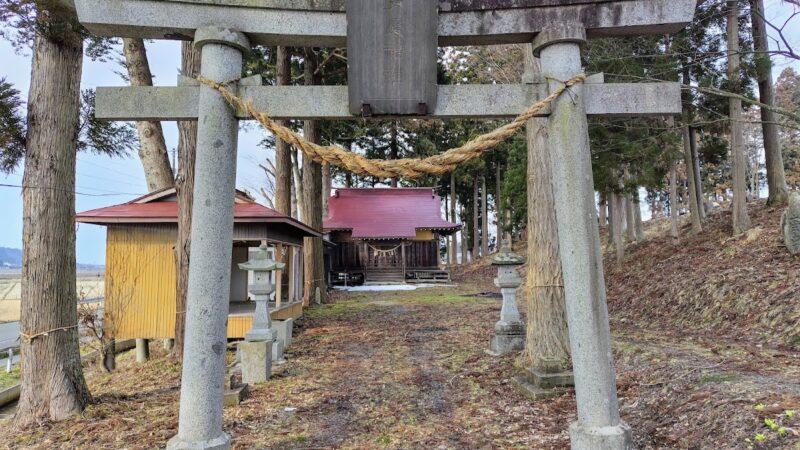
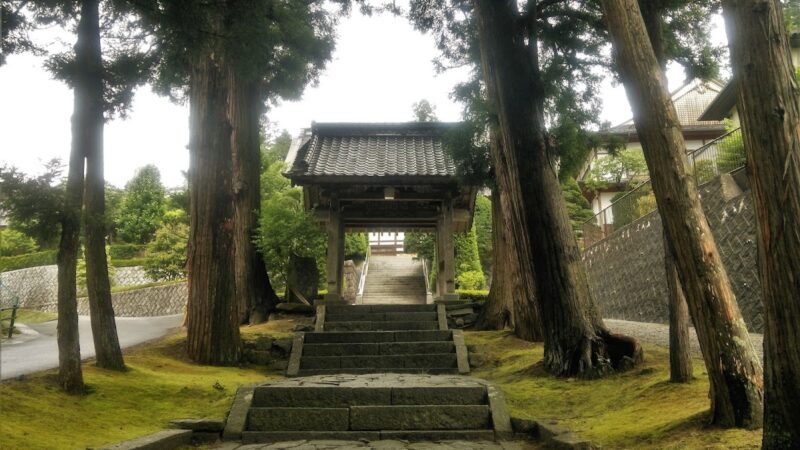
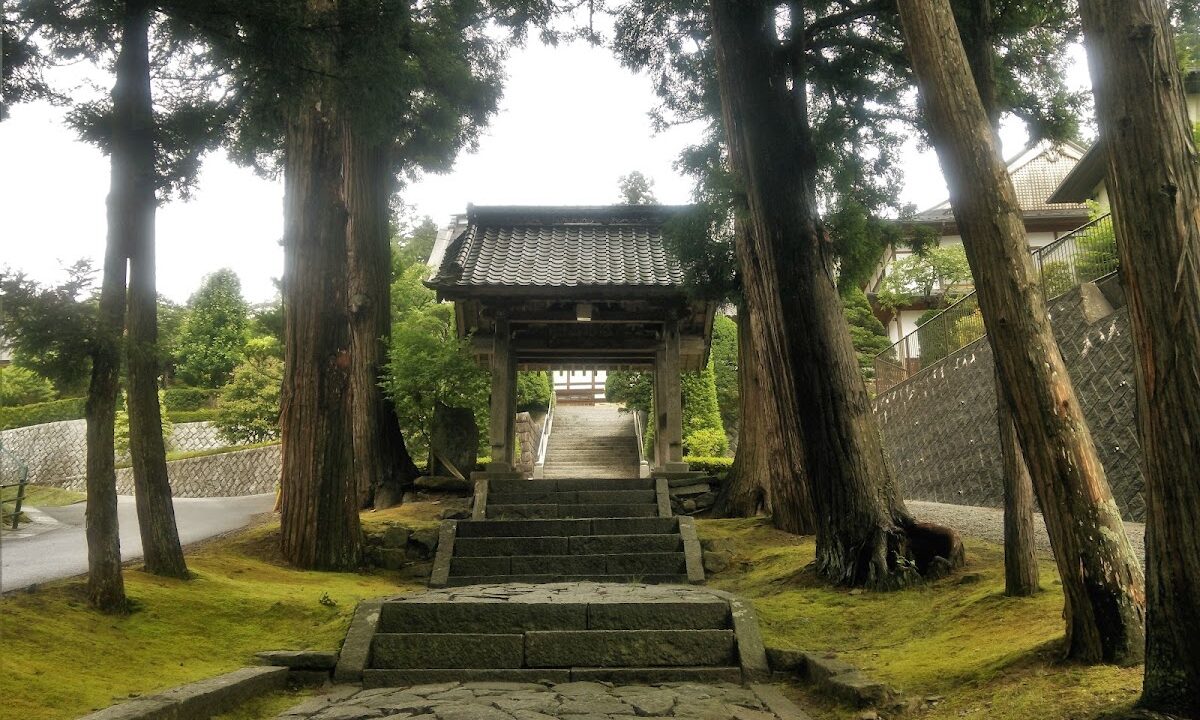
The temple grounds are characterized by a charming approach surrounded by ancient cedar trees. Passing through the main gate and climbing the stairs, the imposing main hall comes into view. The grounds are meticulously maintained, and a tranquil atmosphere welcomes visitors.
Iwate Prefecture Designated Important Tangible Folk Cultural Property: Wooden Standing Statue of Yakushi Nyorai
The greatest highlight of Daikoji Yakushido is the “Wooden Standing Statue of Yakushi Nyorai,” designated as an Important Tangible Folk Cultural Property of Iwate Prefecture. This Buddha statue is of high cultural value and occupies an important position in the history of Buddhist art in Iwate Prefecture.
Characteristics of the Wooden Standing Statue of Yakushi Nyorai
As its name suggests, the Wooden Standing Statue of Yakushi Nyorai is a standing statue of Yakushi Nyorai. While Yakushi Nyorai is generally depicted as a seated figure, the standing form is relatively rare and is thought to reflect the characteristics of the era and region in which it was created.
Based on its style and sculptural techniques, the statue is estimated to have been created between the late Heian period and the Kamakura period, making it a valuable cultural heritage that conveys the advanced skills of Buddhist sculptors of that time. It is characterized by the warm expression unique to wood carving and the beautifully flowing depiction of the drapery.
Significance of Cultural Property Designation
Iwate Prefecture Designated Important Tangible Folk Cultural Properties are designated under the Iwate Prefecture Cultural Property Protection Ordinance, a system that designates particularly important cultural properties located within the prefecture. This designation guarantees that the cultural property will be properly preserved and managed, and passed down to future generations.
The wooden standing statue of Yakushi Nyorai at Daikoji Temple is an indispensable resource for understanding the changes in Buddhist art in Iwate Prefecture and is recognized as an important cultural property that tells the story of the region’s religious history.
History of Yakushi Nyorai Worship
Yakushi Nyorai worship was introduced to Japan during the Nara period and became widely practiced by people ranging from nobles to commoners during the Heian period. In particular, Yakushi-do (halls dedicated to the healing of Yakushi Buddha) were built in various locations as a form of worship for those praying for recovery from illness and longevity.
Yakushi worship was also popular in the Tohoku region, and many Yakushi-do were built, mainly in rural areas. Daikoji Temple’s Yakushi-do also functioned within this tradition, serving as a place to pray for the health and well-being of local residents.
Highlights of Daikoji Temple Grounds
Besides the Yakushi-do, there are many other points of interest within the grounds of Daikoji Temple that visitors should pay attention to.
Main Hall
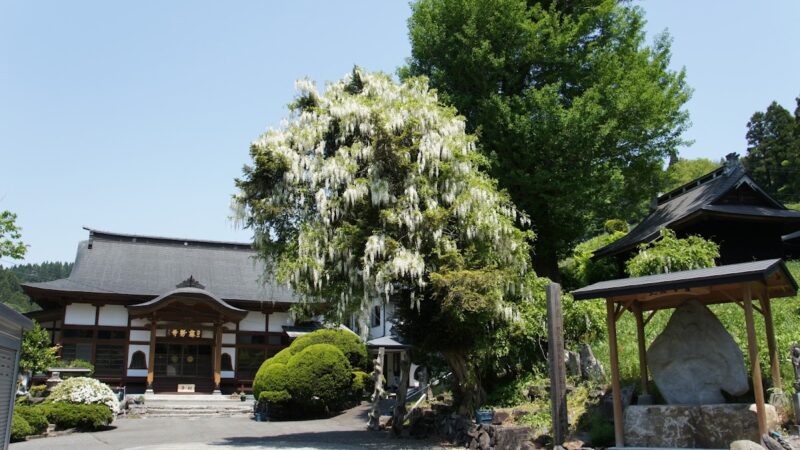
Daikoji Temple’s main hall is characterized by its imposing structure, preserving the traditional style of temple architecture. Daily religious services and ceremonies are held in the main hall, which functions as the center of local faith.
The principal image is enshrined inside the main hall, allowing visitors to quietly offer their prayers. Paying attention to the architectural style and decorations will allow you to feel the history of the temple more deeply.
Approach and Temple Gate
The approach to Daikoji Temple is surrounded by ancient cedar trees, allowing visitors to enjoy the changing seasons as they walk. Especially during the seasons of fresh greenery and autumn leaves, the beauty of the trees is striking, deepening the experience of visiting the temple.
After passing through the temple gate, a path leading up the stairs to the main hall appears. The process of climbing these stairs step by step is itself an integral part of the pilgrimage, a way to calm the mind.
Bell Tower
To the left of the temple grounds stands the bell tower, beyond which lies an even more tranquil space. The bell tower is an important structure of the temple, serving not only to tell the time but also to represent the Buddhist concept of “offering through sound.”
Garden and Temple Grounds Maintenance
The grounds of Daikoji Temple are meticulously maintained, creating a serene, garden-like atmosphere. Well-cared-for landscaping and clean paths provide a pleasant space for visitors.
Maintaining this environment is supported by the daily efforts of temple staff and local residents, symbolizing the temple’s deep roots in the community.
Visiting Information and Manners
When visiting Daikoji Yakushido, it is important to observe basic temple visiting manners.
Basic Visiting Manners
- Dress Code: Avoid revealing clothing and wear modest attire.
- Photography: Photography is generally permitted on the temple grounds, but photography inside the hall or of Buddha statues may be prohibited. Please check in advance.
- Quietness: Act quietly on the temple grounds and be considerate of other visitors.
- Offerings: Place your offering quietly in the offering box. Instead of the two bows, two claps, and one bow (Shinto style), pray quietly with your hands clasped together.
- Cultural Property Protection: Be careful not to directly touch designated cultural properties.
Visiting Hours and Admission Fee
While you can generally visit the grounds of Daikoji freely, it is recommended to check in advance regarding viewing the interior of the Yakushido. Viewing the interior may be restricted from the perspective of cultural property protection. If you wish to visit, it is recommended that you contact the temple in advance to confirm.
Events and Special Viewings
The temple holds various religious services and events throughout the year. Special services are sometimes held, especially on the 8th of each month (the auspicious day of Yakushi Nyorai), during the spring and autumn equinoxes, and during the Obon festival.
During these events, cultural artifacts not normally open to the public may be available for special viewing, so it’s a good idea to inquire with the temple in advance.
Access Information
Detailed instructions on how to access Daikoji Temple are provided below.
Location
〒029-0803
89 Miyashiki, Senmaya-cho, Ichinoseki City, Iwate Prefecture
Access by Car
Using the Tohoku Expressway
- Approximately 30 minutes from Ichinoseki IC via National Route 284
- Parking: Parking spaces available on the temple grounds or in the surrounding area (details recommended upon arrival)
Using the Sanriku Expressway
- Approximately 40 minutes from Rikuzentakata Osabe IC
When using a car navigation system, searching by address or phone number is convenient.
Access by Public Transportation
Using the JR Ofunato Line
- Approximately 15 minutes on foot from Senmaya Station
- Approximately 5 minutes by car from Senmaya Station
Using a Local Bus
- Take an Iwate Kotsu bus from Ichinoseki Station towards Senmaya
- Get off at the “Senmaya” bus stop and walk approximately 10 minutes
Public transportation is limited, so it is recommended to check the timetable in advance.
Nearby Tourist Attractions
When visiting Daikoji Temple, exploring the surrounding tourist attractions will make your trip even more fulfilling.
Main Tourist Attractions in Ichinoseki City
- Genbikei Gorge: A gorge designated as a National Place of Scenic Beauty
- Geibikei Gorge: A gorge famous for its boat rides, counted as one of Japan’s 100 Scenic Views
- Chusonji Temple (Hiraizumi Town): An ancient temple known for its Golden Hall, a World Heritage Site
- Motsuji Temple (Hiraizumi Town): A temple with a beautiful Pure Land garden designated as a Special Place of Scenic Beauty
Cultural Value and Preservation Activities of Daikoji Yakushido Hall
Daikoji Yakushido Hall and the wooden standing statue of Yakushi Nyorai are not merely tourist attractions, but important cultural heritage that conveys the history and culture of the region.
Significance as a Regional Cultural Property
The Ichinoseki region in southern Iwate Prefecture has flourished as a cultural exchange point since ancient times. While influenced by Hiraizumi culture, it is a region that has cultivated its own unique forms of faith and culture.
Daikoji Yakushido Hall is a valuable example demonstrating the multifaceted nature of regional culture and holds an important position in the study of Buddhist culture in the Tohoku region.
Cultural Property Preservation Efforts
The wooden standing statue of Yakushi Nyorai, designated as a cultural property, is preserved under appropriate environmental management. Wooden cultural properties are susceptible to changes in humidity and temperature, as well as insect damage, requiring regular inspections and preservation treatments.
With the cooperation of local residents, the government, and experts, various preservation activities are underway to ensure that this valuable cultural property is passed on to future generations.
Connection with the Local Community
Daikoji Temple is not merely a location of cultural property; it remains deeply rooted in the faith and lives of local residents. Through annual events and memorial services, it plays a role in supporting intergenerational community ties.
This aspect as a “living cultural property” is also one of the important values of Daikoji Yakushido Hall.
Daikoji Temple in the Four Seasons
Daikoji Temple displays different expressions in each of the four seasons, allowing visitors to enjoy different charms depending on the time of year they visit.
Spring (March-May)
In spring, the temple grounds are enveloped in fresh green leaves, creating a vibrant and lively landscape. During cherry blossom season, the approach to the temple and the grounds are adorned with delicate pink hues, attracting many visitors.
Summer (June-August)
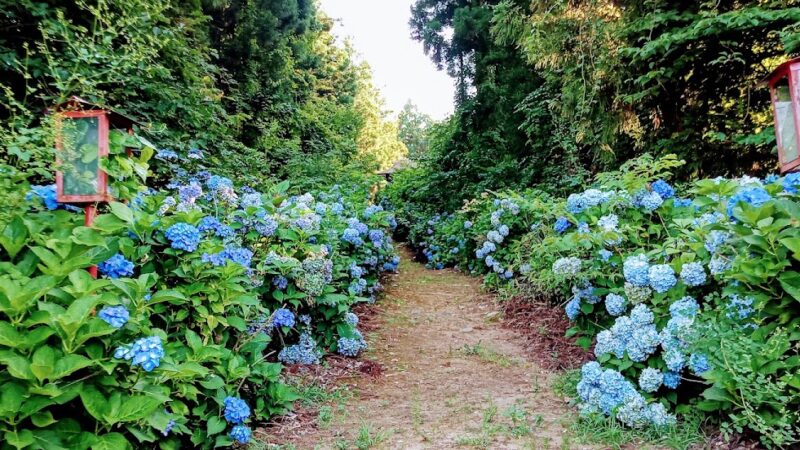
In summer, the temple grounds, enveloped in deep green, exude a cool and refreshing atmosphere. The shade of the ancient cedar trees is pleasant even on hot days, allowing visitors to find peace and tranquility.
Autumn (September-November)
During the autumn foliage season, the temple grounds are dyed in shades of red and yellow, presenting the most beautiful scenery of the year. The harmony between the autumn leaves and the ancient temple architecture deeply moves visitors.
Winter (December-February)
In winter, the temple grounds are covered in snow, creating a serene atmosphere. The snow-covered main hall and Yakushi-do hall exude a solemn atmosphere, allowing visitors to enjoy the unique beauty of winter.
Important Points to Note When Visiting Daikoji Yakushido
Weather and Clothing
Ichinoseki City, Iwate Prefecture, has a continental climate, with relatively hot summers and severely cold winters. Please prepare appropriate clothing for the season you are visiting.
- Spring/Autumn: Layering is recommended to adapt to temperature changes.
- Summer: Don’t forget sun protection and hydration.
- Winter: Take thorough precautions against the cold. Shoes suitable for snowy paths are also necessary.
Accessibility Information
There are stairs within the temple grounds, so visits with wheelchairs or strollers are limited. If you are visiting with someone who requires assistance, it is recommended to consult with the temple in advance.
Surrounding Facilities
There are limited restaurants and rest facilities around Daikoji Temple, so it is advisable to plan meals and rest stops in advance, especially if you are visiting by car.
To Deeply Understand the Charm of Daikoji Yakushido
Recommendation for Pre-Visit Study
Before visiting Daikoji Yakushido, gaining basic knowledge about Yakushi Nyorai worship and Buddhist culture in the Tohoku region will enrich your visit.
We recommend using local libraries, museums, and online resources for pre-visit study.
Guided Tours and Learning Opportunities
In Ichinoseki City and Iwate Prefecture, guided tours and lectures on cultural properties are sometimes held. Taking advantage of these opportunities allows you to gain a deeper understanding of the value of cultural properties while listening to explanations from experts.
Photography Tips
Photography is often permitted within the temple grounds, but there are generally restrictions on photographing cultural properties such as Buddhist statues. Please check the permitted areas and take photos while observing proper etiquette.
The scenery of the approach to the temple, the temple grounds, and the exterior of the buildings make excellent subjects for documenting the beauty of the four seasons.
Collaboration with the Community and Passing on to the Future
The preservation and utilization of Daikoji Yakushido Hall is a challenge for the entire community, and at the same time, a source of local pride.
Collaboration with Local Education
Local elementary and junior high schools provide opportunities for students to visit cultural properties such as Daikoji Temple as part of their local history studies. By learning about the history and culture of the region, children can pass on an awareness of cultural property protection to the next generation.
Utilization as a Tourism Resource
Daikoji Yakushido Hall is also an important tourism resource for Ichinoseki City. By developing tourist routes that combine it with famous tourist destinations such as the World Heritage site Hiraizumi, Genbikei Gorge, and Geibikei Gorge, the cultural charm of Iwate Prefecture can be conveyed to more people.
Sustainable Preservation Activities
The preservation of cultural properties requires continuous funding and personnel. Various forms of support, including government assistance, volunteer activities by local residents, and donations from visitors, support the future of cultural properties.
Summary: The Value and Significance of Visiting Daikoji Yakushido
Daikoji Yakushido, located in Senmaya-cho, Ichinoseki City, Iwate Prefecture, is a temple of high historical and cultural value, housing the “Wooden Standing Statue of Yakushi Nyorai,” an Iwate Prefecture-designated Important Tangible Folk Cultural Property.
The tranquil grounds, the charming approach surrounded by ancient cedar trees, and the meticulously maintained garden-like space offer peace of mind to visitors. Above all, the wooden standing statue of Yakushi Nyorai, estimated to have been created between the Heian and Kamakura periods, speaks volumes to us as a precious legacy in the history of Buddhist art in the Tohoku region.
Visiting Daikoji Yakushido is not merely sightseeing; it is a valuable experience of connecting with the region’s history and culture, and reflecting on the faith and activities of our ancestors. When visiting Iwate Prefecture, be sure to visit Daikoji Yakushido and experience its serene atmosphere and the power of its cultural heritage.
Visiting Daikoji Yakushido Temple in conjunction with other famous tourist destinations such as the World Heritage site Hiraizumi and Genbikei Gorge will allow you to gain a deeper understanding of the rich cultural landscape of southern Iwate Prefecture. Daikoji Yakushido Temple, which shows different expressions in each of the four seasons, is a place with profound charm where you can discover something new no matter how many times you visit.