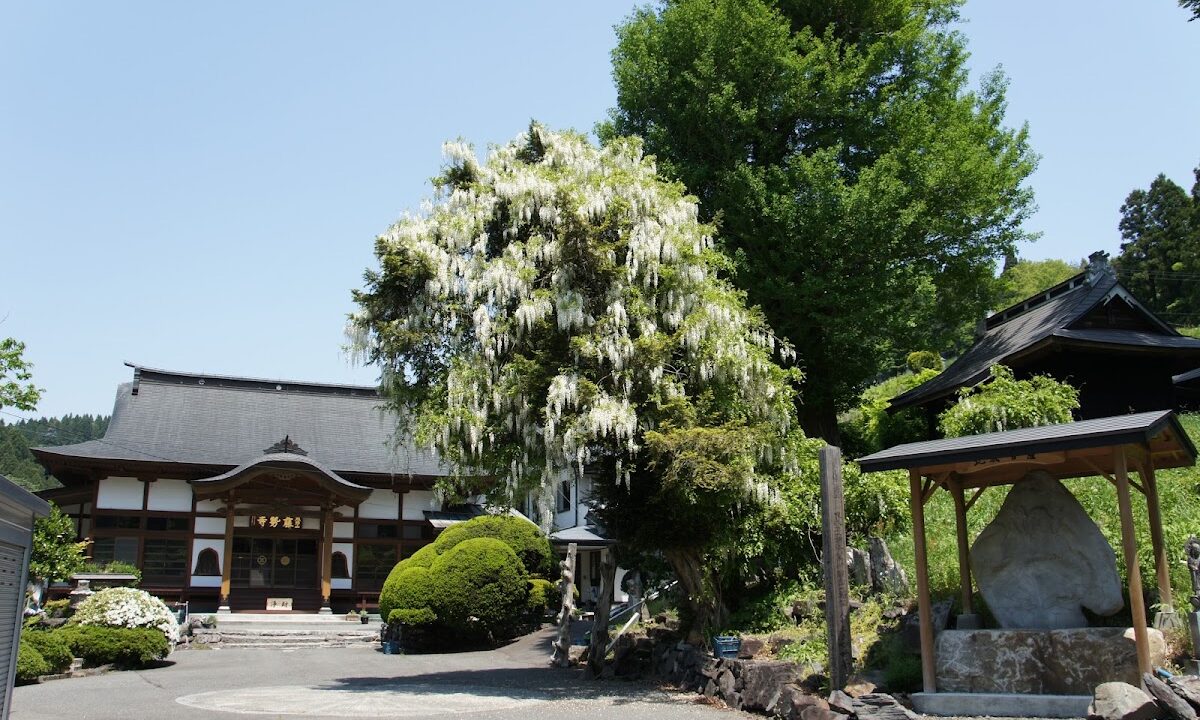
Toseiji Temple (Iwate Prefecture) Complete Guide: History, Highlights, and Access Information
Located in Iwate Prefecture, Toseiji Temple is a valuable temple that preserves the history and culture of the region. This article provides detailed information you should know before visiting, from the historical background of Toseiji Temple to its highlights, visiting information, and access methods.
About Toseiji Temple
Toseiji Temple is a Buddhist temple located in Iwate Prefecture. It is an ancient temple with a long history as a center of faith for local residents. Nestled in a tranquil environment, this temple is popular with visitors seeking peace of mind away from the hustle and bustle of urban areas.
Temple Overview
Toseiji Temple has maintained the style of traditional temple architecture while also playing a central role in the local community. Religious facilities, including the main hall, are arranged within the temple grounds, creating a landscape harmoniously blended with the beauty of nature throughout the seasons.
History of Fujiseiji Temple
Origin of Founding
There are several local legends regarding the founding of Fujiseiji Temple. Like many temples in Iwate Prefecture, it is believed to have been established by influential local figures and monks during the medieval to early modern period. As Buddhist culture spread throughout the Tohoku region, a center of faith was formed in this area as well.
Historical Changes
Fujiseiji Temple has been influenced by various eras throughout its long history. During the Sengoku period (Warring States period), it is said to have had connections with local warlords, and during the Edo period, it became deeply rooted in the local community under the danka system (parishioner system).
From the anti-Buddhist movement after the Meiji Restoration, through the wars of the Showa era, and up to the present day, it has a history of preserving its Buddhist teachings while overcoming the turbulent times.
Connection with the Community
Fujiseiji Temple has functioned not only as a religious facility but also as a cultural and social center of the community. It has been used not only for Buddhist ceremonies such as funerals and memorial services, but also as a venue for local events and gatherings, playing a role in strengthening the bonds among residents.
Highlights of the Temple Grounds
Main Hall
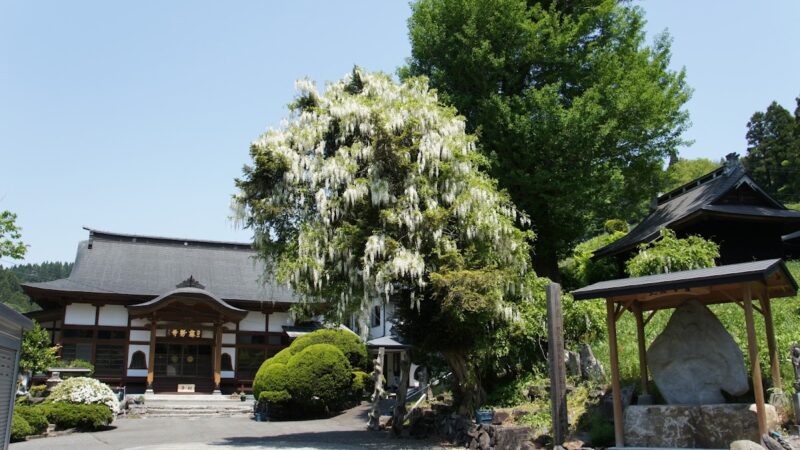
The main hall of Fujisei-ji Temple is the central building of the temple. Built using traditional wooden construction techniques, it houses the principal image of Buddha. Visitors can quietly offer their prayers and pray for peace of mind in the main hall.
The building’s details are adorned with carvings and decorations showcasing the craftsmanship of artisans, allowing visitors to appreciate the beauty of traditional Japanese architecture.
Natural Environment of the Temple Grounds
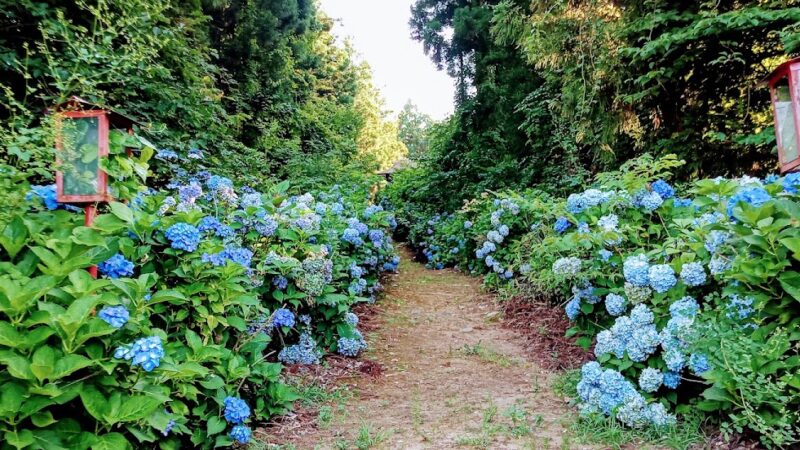
The grounds of Fujisei-ji Temple are blessed with an environment where visitors can enjoy the changing seasons. Cherry blossoms and fresh greenery in spring, deep green in summer, vibrant autumn leaves, and snowscapes in winter—each season offers a different view.
Especially during the autumn foliage season, the trees on the grounds change color, allowing visitors to enjoy a beautiful landscape in a tranquil atmosphere.
Stone Monuments and Memorial Towers
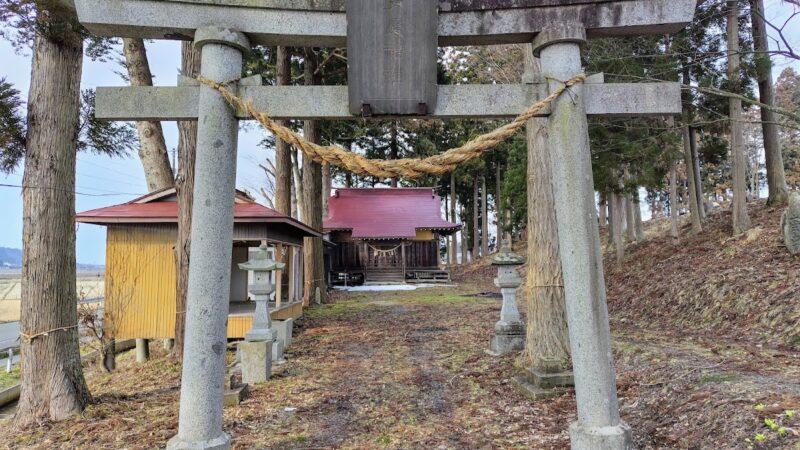
Within the temple grounds, there are memorial towers and monuments for successive chief priests and parishioners. These stone structures are valuable historical documents that tell the story of the temple’s history and also provide clues to the history of the region.
Annual Events and Memorial Services
Regular Memorial Services
Fujiseiji Temple holds various memorial services throughout the year. Traditional Buddhist events such as the spring and autumn equinox services and the Obon memorial service are held, with many parishioners and local residents participating.
Special Events
On special days, such as temple festivals and the anniversary of the temple’s founder, different memorial services and events may be held. These events are important opportunities to strengthen the ties between the temple and the community.
Visiting Information
Visiting Hours
Fujiseiji Temple is generally open for visits during daylight hours. However, times may change during memorial services and events, so it is recommended to check in advance.
Temple Visiting Etiquette
When visiting a temple, please observe the following basic manners:
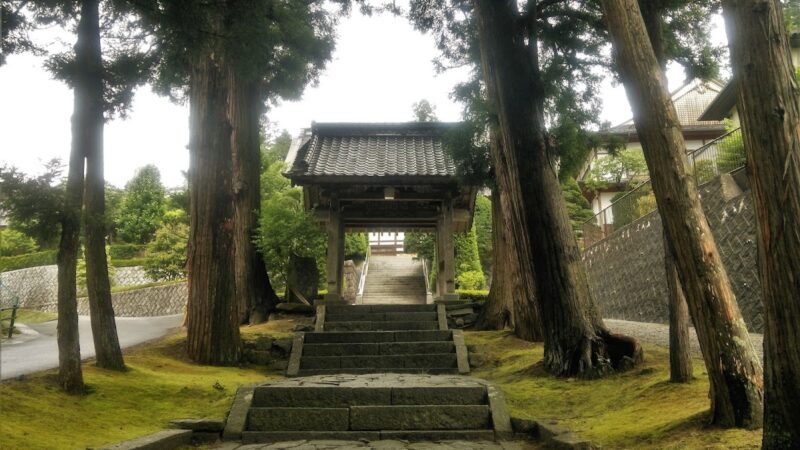
- Bow when passing through the temple gate
- Be quiet within the temple grounds and refrain from loud conversations
- Remove your shoes before entering the main hall and arrange them neatly
- Take photographs only in designated areas
- Eating and drinking are strictly prohibited inside the main hall
- Smoking is prohibited except in designated areas
About Goshuin (Temple Seals)
Many temples offer Goshuin, but it is recommended to inquire directly with Fujiseiji Temple regarding their availability and hours. When requesting a Goshuin, please bring your Goshuincho (stamp book) and make your request politely.
Access Information
Location
Fujiseiji Temple is located in Iwate Prefecture, but it is recommended to check the latest information regarding the detailed address before visiting. When searching using a car navigation system or smartphone map app, please search for “Fujiseiji Iwate Prefecture”.
Access by Transportation
Access by Car
If visiting by private car, access the temple via local roads from the nearest highway interchange. Checking access routes from major roads in Iwate Prefecture in advance will ensure a smooth journey.
Enter the temple name or address into your car’s navigation system to set your destination.
Access by Public Transportation
If using public transportation, you will need to take a bus or taxi from the nearest train station. While some major stations in Iwate Prefecture have bus services, the number of services may be limited, so it is recommended to check the timetable in advance.
If using a taxi, board at the taxi stand in front of the station and tell the driver “Fujiseiji Temple.”
Parking
It is recommended to check before visiting whether the temple has parking facilities. Even if there is parking space for visitors, it may be crowded during religious services and events, so please allow ample time for your visit.
Nearby Tourist Attractions
Historical Sites in Iwate Prefecture
When visiting Fujiseiji Temple, exploring the surrounding tourist attractions will allow you to gain a deeper understanding of Iwate Prefecture’s history and culture.
Iwate Prefecture boasts diverse tourist resources, including the Hiraizumi World Heritage Site (Chusonji Temple, Motsuji Temple, etc.), Morioka Castle Ruins Park, and the Tono Folk Tale Village. Researching nearby tourist destinations in advance will help you create a more fulfilling travel plan.
Natural Scenery
Iwate Prefecture is blessed with abundant nature. It features a varied topography, including mountainous areas, valleys, and coastlines, allowing you to enjoy beautiful scenery throughout the seasons.
There may also be spots around Fujiseiji Temple where you can enjoy nature. Gathering information from local tourist associations and tourist information centers is recommended.
Local Food Culture
When visiting Iwate Prefecture, you’ll also want to enjoy the local food culture. Iwate Prefecture boasts numerous nationally renowned local dishes, including Wanko Soba, Morioka Reimen (cold noodles), and Maesawa Beef.
Try enjoying dishes made with local ingredients at restaurants and roadside stations around Fujiseiji Temple.
Guidelines for Visiting Temples
The Significance of Temple Visits
Visiting a temple is not merely sightseeing; it’s a valuable opportunity to reflect on oneself and calm the mind. By escaping the hustle and bustle of everyday life and offering prayers in the quiet temple grounds, one can attain inner peace.
When visiting Fujiseiji Temple, remember that it is a place of faith, not just a tourist attraction, and offer your prayers with respect.
Basic Buddhist Etiquette
There are basic etiquette rules for visiting a temple:
- Gassho (palms together in prayer): Bring both hands together in front of your chest and pray sincerely.
- Chanting: Recite any sutras you know, such as the Heart Sutra.
- Offering Money: Offer money with gratitude.
- Making a Wish: Make a wish with gratitude and a vow, rather than a greedy wish.
These rules may vary slightly depending on the sect, but the most important thing is a sincere heart.
The Role of Fujiseiji Temple in the Local Community
As a Community Center
Fujiseiji Temple has functioned not only as a religious facility but also as an important hub for the local community. Through the danka (parishioner) system, it has deep ties with local families and serves as a place for intergenerational exchange.
Cultural Transmission
Temples also play a role in passing on Buddhist culture and local traditions to the next generation. Through memorial services and events, they also have an educational function in fostering respect for ancestors and gratitude. ### Significance in Modern Society
In modern society, temples are becoming increasingly important as places of spiritual solace. For people seeking spiritual fulfillment that cannot be obtained through material wealth alone, temples have become invaluable.
Fujiseiji Temple continues to fulfill its role as a source of spiritual support for local residents and as a place of peace for visitors.
Temple Culture in Iwate Prefecture
Buddhism in the Tohoku Region
The Tohoku region, including Iwate Prefecture, has developed its own unique Buddhist culture. Historical backgrounds, such as the flourishing of Buddhist culture under the Oshu Fujiwara clan at the end of the Heian period and the establishment of the danka system (parishioner system) during the Edo period, have influenced the current temple culture.
Major Temples in Iwate Prefecture
Iwate Prefecture has many historically important temples, including Chusonji Temple and Motsuji Temple, which are registered as World Heritage Sites. These temples, as valuable cultural heritage representing Japanese Buddhist culture, attract many worshippers and tourists from both within Japan and abroad.
While Fujiseiji Temple may differ in scale and fame from other well-known temples, it possesses a unique value as a temple deeply rooted in the local community.
Community-Based Faith
One of the characteristics of Iwate Prefecture’s temple culture is its deeply rooted form of faith. Beyond large tourist temples, numerous small temples exist that are integral to the daily lives of local people, each playing an important role within the community.
Precautions During Visits
Dress Code
While there are no strict dress code requirements for visiting temples, please dress appropriately, considering it is a religious site. Especially when entering the main hall, it is advisable to avoid revealing or overly flashy clothing.
Photography
Photography is generally permitted within the temple grounds, but it may be prohibited inside the main hall or around Buddhist statues. Always check before taking photos, and refrain from photographing in prohibited areas.
Furthermore, avoid taking photos during religious services or that may disturb other visitors.
Visiting with Children
If you are visiting with children, be sure to explain beforehand that they should behave quietly. It is important to ensure they do not run around or shout. Visiting a temple is also a good opportunity to teach children manners and etiquette.
Contacting Fujiseiji Temple
Things Recommended to Check in Advance
Before visiting Fujiseiji Temple, it is recommended that you check the following:
- Visiting Hours
- Schedule of Memorial Services and Events
- Availability and Number of Parking Spaces
- Information on the Issuance of Goshuin (Temple Seals)
- Detailed Access Information
- Admission Fee
Contact Method
It is common to contact temples by phone. However, they may not be able to answer calls during memorial services, so please consider the time of day when contacting them.
Recently, more temples are disseminating information through websites and social media, but it is necessary to check Fujiseiji Temple’s information dissemination status individually.
Summary
Fujiseiji Temple is a historical temple deeply rooted in the local community of Iwate Prefecture. Located in a tranquil environment far removed from the hustle and bustle of the city, Fujiseiji Temple offers a precious place for peaceful worship, providing solace not only to local residents but also to visitors.
If you have the opportunity to visit Iwate Prefecture, why not visit not only famous tourist temples but also locally rooted temples like Fujiseiji Temple? There, you might encounter authentic local culture that you won’t find in tourist guidebooks.
Visiting a temple is not merely sightseeing; it’s a precious time to reflect on yourself and quiet your mind. When you visit Fujiseiji Temple, please worship with respect and find peace of mind in its serene atmosphere.
We hope that your visit to Fujiseiji Temple, while experiencing Iwate Prefecture’s rich nature and history, and the warmth of its local people, will be a memorable experience for you.