Daishoji Temple (Ichinoseki City, Iwate Prefecture) Complete Guide | History, Goshuin (Temple Seal), and Access Information
Located in Hanaizumi-cho, Ichinoseki City, Iwate Prefecture, Ryūunzan Daishoji Temple is an ancient Soto Zen temple that attracts many visitors as the 17th temple of the Oshu Thirty-Three Kannon Pilgrimage and the 88th temple (the final temple) of the Hokkoku Eighty-Eight Temple Pilgrimage. This article comprehensively introduces information you should know before visiting Daishoji Temple, from its history to its goshuin (temple seal), cultural properties, and access methods.
History and Origin of Daishoji Temple
From Tendai to Soto Zen: Temple Transformation
Daishoji Temple has a long history, and at its founding, it existed as a Tendai sect temple called “Hakuryūzan Okadera.” However, after being abandoned for a time, it was rebuilt and reopened in 1354 by Zen Master Gessen, changing its name to “Daisho-ji” and becoming affiliated with the Soto Zen sect.
With a history of over 660 years since its restoration, Daisho-ji has long been a cherished center of local faith. Its historical transition from Tendai Buddhism to Soto Zen Buddhism is a valuable example illustrating the transformations of Japanese Buddhism during the medieval period.
Meaning of the Mountain Name “Ryuunzan”
The mountain name of Daisho-ji, “Ryuunzan,” is thought to be related to its former name, “Hakuryuzan.” In Buddhism, dragons are revered as beings that control water and rain, and were also objects of worship for abundant harvests in agricultural regions. This mountain name embodies the wish for regional prosperity and the happiness of its people.
Daishoji Temple Grounds and Buildings
The Temple Gate in the Two-Story Style
The temple gate of Daishoji Temple is a magnificent two-story gate (Niomon) built in 1986. This gate welcomes visitors to the temple grounds, and its imposing presence conveys the temple’s status. The two-story gate style is a type of architectural style where Buddhist statues or guardian deities are often enshrined on the upper level.
After passing through the temple gate, a dozen or so stone steps lead up to the main hall. The process of climbing these steps, one step at a time, is a precious moment of shifting one’s mind from everyday life to a sacred space.
The Main Hall and Kannon Hall
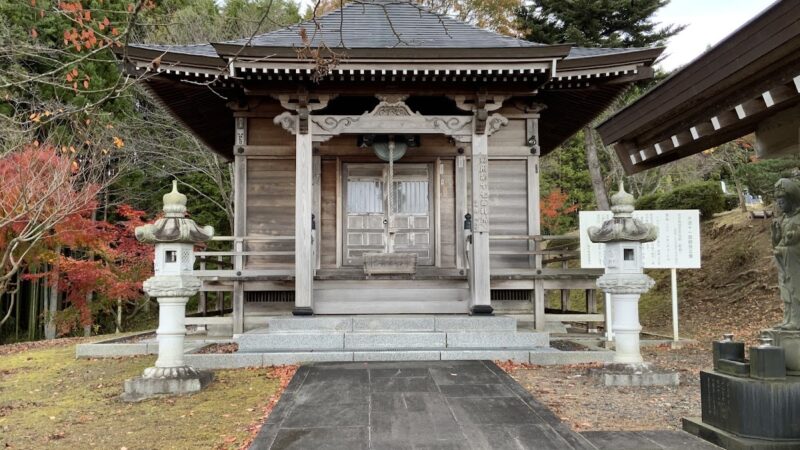
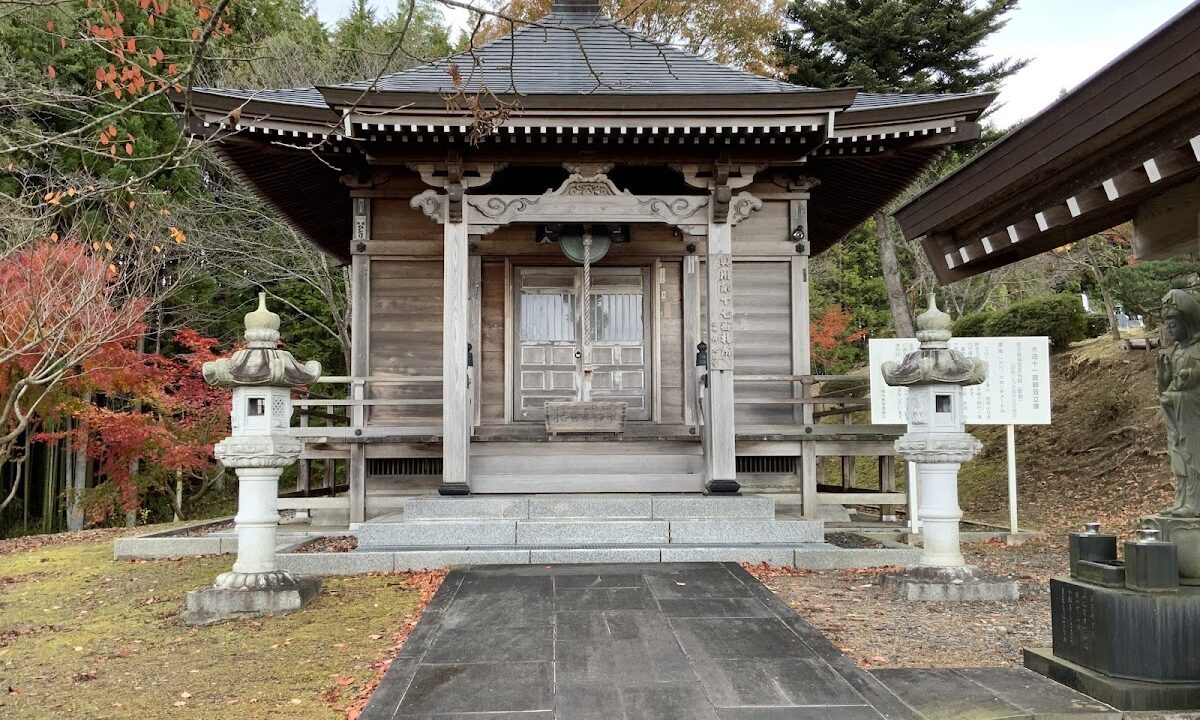
The main hall has a simple yet solemn structure, typical of a Soto Zen temple, and houses the principal image, Shakyamuni Buddha. Meanwhile, the principal image of the temple, the Eleven-Faced Kannon Bodhisattva, is enshrined in a small Kannon Hall located at the top of a stone staircase beyond the cemetery to the left of the main hall.
The Kannon Hall also functions as a storage facility, playing a role in protecting valuable cultural artifacts. This arrangement can be seen as a way to cultivate deeper faith by separating the everyday worship space from the special object of worship.
Principal Image and Principal Image of the Temple
Shakyamuni Buddha (Principal Image of Daishoji Temple)
The principal image of Daishoji Temple is Shakyamuni Buddha. Shakyamuni Buddha refers to Shakyamuni, the founder of Buddhism, and is considered the most important object of worship in the Soto Zen sect. The Soto Zen sect is a branch of Zen Buddhism that emphasizes seated meditation and values the practice and daily life based on the teachings of Shakyamuni Buddha.
Eleven-Faced Kannon Bodhisattva (Principal Image of the Pilgrimage Site)
The principal image of this pilgrimage site, the 17th of the 33 Kannon Pilgrimage Sites of Oshu, is the Eleven-Faced Kannon Bodhisattva. This statue is a standing figure, 165 centimeters tall, and is said to have been brought from the Kanto region during the late Heian period.
The Eleven-Faced Kannon, with its eleven faces on its head, symbolizes compassion, seeing in all directions and never overlooking the suffering of all beings, thus providing relief. This Kannon statue was designated a cultural property of Iwate Prefecture in 1954, and its artistic and historical value is highly regarded.
Late Heian period Buddhist statues are characterized by their gentle and graceful expressions, and are valuable cultural heritage that conveys the high level of skill of the Buddhist sculptors of that time. When you visit, please take the time to admire the compassionate expression of this Kannon.
Daishoji Temple as a Pilgrimage Site
17th Temple of the Oshu Thirty-Three Kannon Pilgrimage
Daishoji Temple is designated as the 17th temple of the Oshu Thirty-Three Kannon Pilgrimage. The Oshu Thirty-Three Kannon Pilgrimage is a pilgrimage route that visits 33 Kannon temples scattered from southern Iwate Prefecture to northern Miyagi Prefecture, and many believers visit it seeking peace of mind and the fulfillment of their wishes.
From Daishoji Temple, the 17th temple, to the next temple, Dokeiji Temple (the 18th temple), is approximately 4 kilometers to the south. Pilgrims continue their journey on foot or by car, seeking the protection of Kannon.
88th Temple (Final Temple) of the Hokkoku Eighty-Eight Sacred Sites Pilgrimage
Daishoji Temple is also the 88th temple of the Hokkoku Eighty-Eight Sacred Sites Pilgrimage. Temple number 88 holds special significance as the final temple on the pilgrimage, the “temple of completion.” “Completion” signifies the fulfillment of a wish or the completion of the pilgrimage, making it a deeply moving temple for many pilgrims as the place where they end their long journey.
The Hokkoku 88 Temple Pilgrimage, established in imitation of the Shikoku 88 Temple Pilgrimage, is a pilgrimage route symbolizing the religious culture of the Tohoku region, and Daishoji Temple plays an important role as its final destination.
About the Goshuin (Temple Seal)
Characteristics of Daishoji Temple’s Goshuin
Daishoji Temple offers goshuin to visitors. The goshuin features calligraphy such as “Eleven-faced Kannon Bodhisattva” or “Oshu 33 Kannon, Temple No. 17,” along with the temple’s vermilion seal.
The goshuin is not merely a commemorative stamp, but proof of worship and a certificate of connection with the Buddha. When receiving a Goshuin (temple stamp), it is customary to first respectfully pay your respects at the main hall and Kannon hall before requesting it at the Goshuin office.
Manners when receiving a Goshuin
When receiving a Goshuin, please observe the following manners:
- Always pay your respects before receiving the Goshuin.
- Prepare a Goshuincho (avoid using notebooks or blank paper).
- Prepare the Goshuin fee in advance (generally around 300-500 yen).
- Request the Goshuin using polite language.
- Wait quietly while the Goshuin is being written.
While collecting Goshuin is becoming a hobby, it is important to cherish the spirit of faith and not forget to show respect to the temple.
Iwate Prefecture Designated Cultural Property
The Eleven-Headed Kannon Bodhisattva statue at Daishoji Temple was designated a tangible cultural property of Iwate Prefecture in 1954. This Buddhist statue, believed to have been created in the late Heian period, is a standing figure 165 centimeters tall and is said to have been brought from the Kanto region.
Heian period Buddhist statues are characterized by their elegant and serene style, known as the Jocho style, and this Kannon statue is thought to follow that tradition. Having maintained its beautiful form for so many years, this statue is a valuable cultural heritage that conveys the high skill and deep faith of the Buddhist sculptors of that time.
With its cultural value and its long-standing reverence as an object of worship for the local people, this Kannon statue can be said to be the most important treasure of Daishoji Temple.
Access to Daishoji Temple
Basic Information
Address
58 Mizusawa-yashiki, Oimatsu, Hanaizumi-cho, Ichinoseki City, Iwate Prefecture 029-3103
Phone Number
0191-82-4040
Sect
Soto Zen
Mountain Name/Temple Name
Ryuunzan Daishoji Temple
Access by Train
The temple is approximately 1.2 to 2 kilometers from Hanaizumi Station on the JR Tohoku Main Line. It takes about 20 to 30 minutes on foot. A taxi from the station takes about 5 minutes.
Hanaizumi Station is a few stations north of Ichinoseki Station and is served by local trains on the Tohoku Main Line. From Tokyo, it’s convenient to take the Shinkansen to Ichinoseki Station and then transfer to the Tohoku Main Line.
Access by Car
If using the Tohoku Expressway
- Approximately 15-20 minutes from Ichinoseki Interchange
- Approximately 30 minutes from Tsukidate Interchange
Take National Route 4 or a prefectural road towards Hanaizumi Town. Entering the address or phone number into your car’s navigation system will ensure a smooth arrival.
Parking
The temple has parking spaces for visitors, but it may be crowded during long holidays or on days with special memorial services. It is recommended to check by phone in advance.
Points and Manners for Visiting
Flow of Visiting
- Bow at the Temple Gate: Before entering the temple grounds, bow at the temple gate.
- Purify at the Water Basin: If there is a water basin, purify your hands and mouth.
- Pray at the Main Hall: First, pray to Shakyamuni Buddha in the main hall.
- Visiting the Kannon Hall: Next, proceed to the Kannon Hall and pay your respects to the Eleven-Faced Kannon Bodhisattva.
- Receiving a Goshuin (temple stamp): After your visit, receive your Goshuin at the Goshuin office.
- Bowing at the Temple Gate: Bow at the temple gate when leaving the temple grounds.
Attire and Items to Bring When Visiting
There are no specific dress code requirements for visiting temples, but it is best to avoid revealing or flashy clothing and opt for clean, understated attire. Those on pilgrimages may wear pilgrimage attire such as white robes and straw hats.
The following items are useful to bring:
- Goshuincho (stamp book)
- Offering fee (small change)
- Prayer beads (if you have them)
- Incense and candles (if offering)
Photography
Photography of the temple grounds is generally permitted, but photography inside the main hall or of Buddha statues may be prohibited. Always obtain permission before taking photos or check the posted notices. It’s also important to be considerate of other visitors.
Nearby Tourist Attractions
Highlights of Ichinoseki City
Ichinoseki City, where Daishoji Temple is located, has many other attractions.
Genbikei Gorge
This gorge, designated as a national scenic spot and natural monument, offers beautiful scenery created by strangely shaped rocks and clear streams. The local specialty, “flying dumplings,” is also famous.
Geibikei Gorge
This gorge, counted as one of Japan’s 100 most beautiful landscapes, is popular for its boat rides. The scenery of cliffs exceeding 100 meters in height is breathtaking.
Motsuji Temple
One of the constituent assets of the World Heritage Site “Cultural Heritage of Hiraizumi,” this temple boasts a beautiful Heian period Pure Land garden. It’s about a 30-minute drive from Daishoji Temple.
The Charms of Hanaizumi Town
Hanaizumi Town, where Daishoji Temple is located, is a region of tranquil rural landscapes that show different faces with each season. You can enjoy the beauty of each season: cherry blossoms in spring, lush green fields in summer, golden rice fields in autumn, and snowscapes in winter.
There is also a local farmers’ market where you can purchase fresh vegetables, fruits, and local specialties. It’s recommended to stop by after visiting the temple.
Annual Events and Activities
Daishoji Temple, a Soto Zen Buddhist temple, holds various religious services and events throughout the year.
Main Annual Events
- Shushōe: New Year’s memorial service
- Spring Equinox Service: Spring equinox memorial service
- Hanamatsuri: Memorial service celebrating the birth of Buddha (around April 8th)
- Obon Memorial Service: Memorial service for ancestors (August)
- Autumn Equinox Service: Autumn equinox memorial service
- Founder’s Memorial Service: Memorial service in remembrance of Zen Master Gessen
For specific dates and times, please contact the temple in advance.
About the Sōtō Zen School
The Sōtō Zen School, to which Daishōji Temple belongs, is a branch of Zen Buddhism introduced to Japan by Zen Master Dōgen during the Kamakura period. It emphasizes “Shikantaza,” that is, simply sitting in meditation, and teaches that daily life itself is a form of training.
The head temples of the Soto Zen sect are Eihei-ji Temple in Fukui Prefecture and Soji-ji Temple in Kanagawa Prefecture. With approximately 14,000 temples nationwide, it is one of the largest Buddhist sects in Japan in terms of the number of temples.
The teaching of “Shusho Itto” (修承一等) is the fundamental philosophy of the Soto Zen sect, stating that practice and enlightenment are not separate things, but rather that practice itself is enlightenment.
Message to Visitors
Daishoji Temple, a venerable temple with a history of over 660 years, has welcomed many visitors as a pilgrimage site for the 33 Kannon temples of Oshu and the 88 temples of Hokkoku. It remains a beloved place for local people to experience the compassion of Kannon and seek inner peace.
The time spent praying in the tranquil temple grounds will be a precious moment to escape the hustle and bustle of everyday life and confront yourself. Standing before the Kannon statue, which has been passed down since the Heian period, one can reflect on the countless people who have offered similar prayers throughout its long history.
For those undertaking pilgrimages, this temple represents an important step on their journey. Especially as the final temple of the Hokkoku Eighty-Eight Sacred Sites pilgrimage, it will be a moving place to conclude a long pilgrimage.
Summary
Ryūunzan Daishōji Temple is a Sōtō Zen temple located in Hanaizumi-chō, Ichinoseki City, Iwate Prefecture. It is a historic temple restored in 1354 by Zen Master Gessen. As the 17th temple of the Ōshū Thirty-Three Kannon Pilgrimage and the 88th temple (the final temple) of the Hokkoku Eighty-Eight Sacred Sites pilgrimage, it attracts many pilgrims.
The main deity is Shakyamuni Buddha, and the principal deity of the pilgrimage site is the Eleven-Faced Kannon Bodhisattva. The Kannon statue, in particular, is a valuable Buddhist image designated as a cultural property of Iwate Prefecture, dating from the late Heian period. The temple’s architecture, including the two-story gate, main hall, and Kannon Hall, is also a highlight.
It is accessible approximately 1.2 to 2 kilometers from Hanaizumi Station on the JR Tohoku Main Line, and about 15 to 20 minutes by car from the Ichinoseki Interchange on the Tohoku Expressway. Temple stamps (Goshuin) are available, making it a recommended temple for pilgrims and those visiting temples and shrines.
When visiting Ichinoseki City, be sure to visit Daishoji Temple, experience the compassion of Kannon, and spend some time in peaceful contemplation. This temple, steeped in history and faith, will leave a deep impression on the hearts of its visitors.