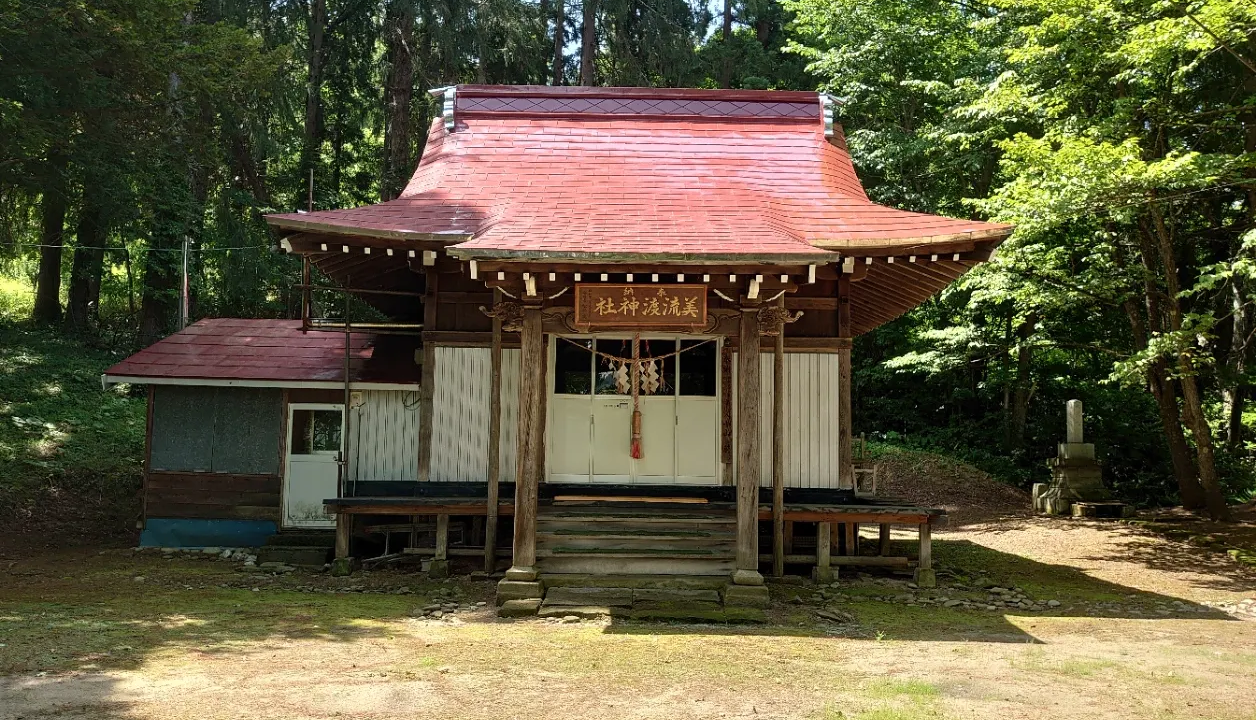
Mito Shrine (Iwate Prefecture) Complete Guide | History, Deities, Blessings, and Access Information
Mito Shrine, located in Iwate Prefecture, is a shrine that has been revered by the local people for centuries. This article provides a detailed introduction to Mito Shrine, including its historical background, enshrined deities, blessings, highlights within the shrine grounds, and helpful access information for visitors.
Overview of Mito Shrine
Mito Shrine (Mito Jinja) is a shrine located in Iwate Prefecture with a long history as a spiritual center for the local community. Nestled in a tranquil environment, the shrine is a place where people can escape the hustle and bustle of everyday life and find peace of mind, cherished by both local residents and visiting worshippers.
The name of the shrine, “Mito,” means “crossing a beautiful land,” and true to its name, it is characterized by a beautiful landscape that harmonizes with the surrounding natural environment.
History and Origins of Mito Shrine
History of Founding
While there are no clear records regarding the exact founding date of Mito Shrine, local traditions suggest it has been worshipped as a guardian deity of the region since ancient times. Like many shrines in Iwate Prefecture, it is deeply intertwined with the history of regional development, and is believed to have been founded by pioneers praying for the safety of the land and a bountiful harvest.
Historical Changes
During the Edo period, it served as a village shrine, attracting the faith of residents and functioning as a place to pray for agricultural and daily life safety. Even during the Meiji era’s reforms of the shrine system, it was positioned as an important regional shrine, and has continued to preserve regional traditions to this day.
From the Showa to the Heisei period, the shrine buildings were renovated and the grounds were improved, resulting in its current appearance. Through the volunteer activities of local residents and the support of parishioners, the shrine is maintained, and traditional events are passed down.
Deities and Divine Virtues
About the Deities
The deities enshrined at Mito Shrine are gods who have been worshipped as guardian deities of the region. Like many local shrines, it is believed that the deities enshrined here are those who preside over abundant harvests, family safety, and regional prosperity.
More detailed information about the specific deities can be obtained by consulting the shrine’s history and local traditions. When visiting, it is recommended to inquire about the deities at the shrine office.
Divine Virtues and Blessings
The main blessings you can pray for at Mito Shrine include the following:
- Family Safety: Protection of family health and peaceful life
- Abundant Harvest: Bountiful agricultural harvests and food safety
- Business Prosperity: Development of businesses and business success
- Traffic Safety: Safe travel and smooth journeys
- Protection from Misfortune: Protection from disasters and a pure life
- Regional Peace and Tranquility: Peace and development of the entire region
As a guardian deity of the region, it is believed to offer a wide range of blessings across all aspects of life.
Highlights of the Shrine Grounds
Shrine Buildings
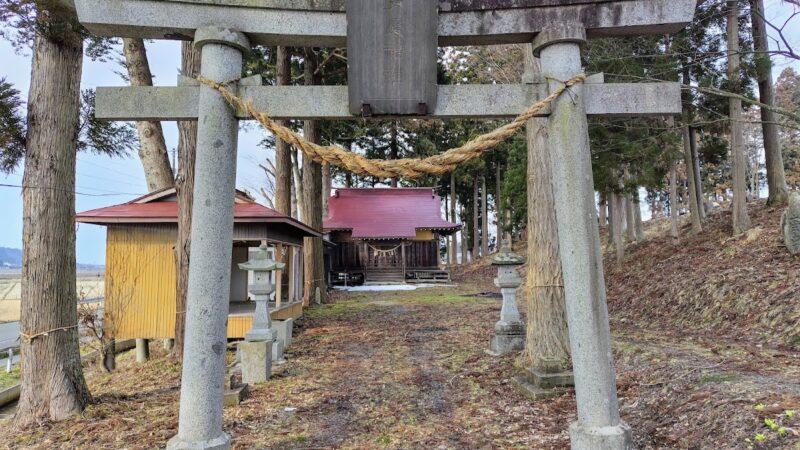
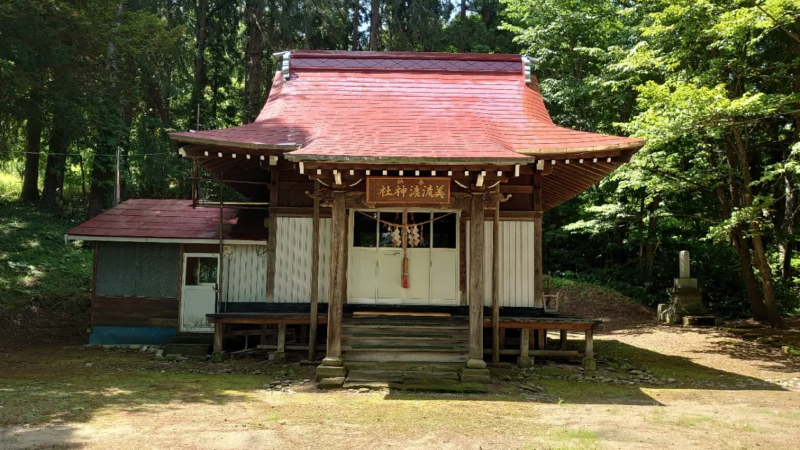
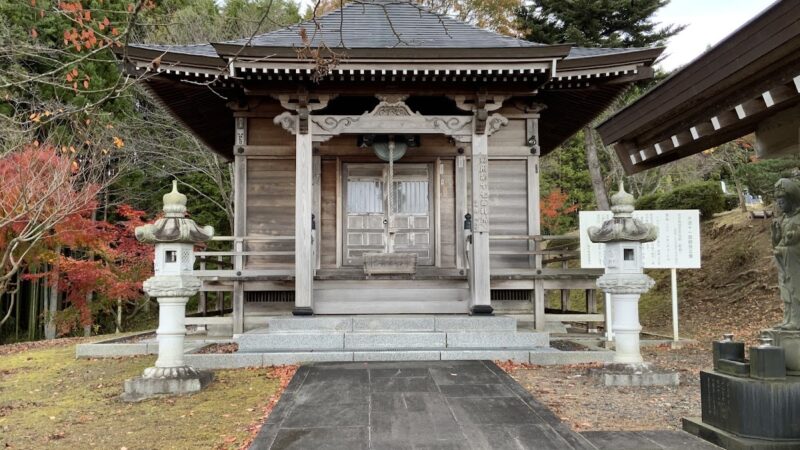
The shrine buildings of Mito Shrine maintain the style of traditional shrine architecture while being adapted to the local climate and environment. Both the main hall and the worship hall exude the warmth of wooden architecture, gently welcoming visitors.
The decorations and carvings of the shrine buildings showcase the skills of local craftsmen, revealing the beauty of meticulously crafted details.
Natural Environment of the Shrine Grounds
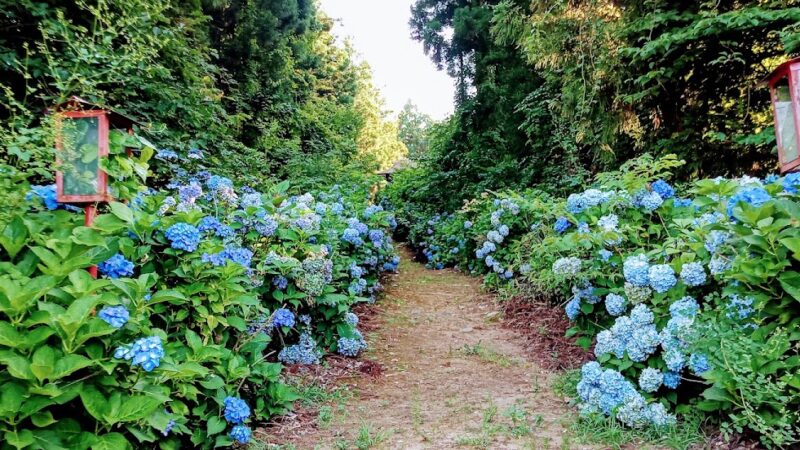
The grounds of Mito Shrine are surrounded by abundant nature. The trees and flowers, which display different expressions with each season, soothe the hearts of visitors.
In spring, the fresh greenery is beautiful; in summer, it is enveloped in deep green; in autumn, the autumn leaves color the grounds; and in winter, a solemn atmosphere permeates the silence. Visiting the shrine while experiencing the changing seasons will be a special experience.
Atmosphere of the Sacred Precinct
Stepping onto the shrine grounds, you can feel a pure air different from everyday life. The quiet environment, where you can pray with a calm heart, is a major attraction of Mito Shrine.
Annual Events and Festivals
Grand Festival
Mito Shrine holds various festivals and events throughout the year. The Grand Festival, in particular, is an important event for the community, with many parishioners and local residents participating.
The annual festival features traditional rituals such as the procession of portable shrines and the dedication of sacred dances, providing an important opportunity to pass on local culture to future generations.
Annual Events
- New Year’s Day Festival (January 1st): Prayers for safety and prosperity in the new year
- Setsubun Festival (February): A ritual to ward off evil and invite good fortune
- Spring Festival: Prayers for a bountiful harvest
- Summer Purification Ceremony (June): Purification of sins and impurities accumulated over the past six months
- Autumn Festival: Offering thanks for the harvest
- Year-End Purification Ceremony (December): Purification of sins and impurities accumulated over the year, and preparation for welcoming the new year
These events also play a role in preserving local traditions and strengthening community bonds.
Etiquette and Manners for Visiting a Shrine
Basic Etiquette for Visiting a Shrine
When visiting Mito Shrine, please observe the following basic etiquette:
- Bow at the Torii Gate: Bow before passing through the torii gate to signal your entry into the sacred area.
- Walking on the Path: The center of the path is considered the path of the gods, so walk along the edges.
- Purification at the Water Basin: Purify your hands and mouth before praying.
- Praying at the Main Hall: Pray using the two bows, two claps, and one bow method.
Etiquette for Water Basin
Correct way to purify yourself at the water basin:
- Hold the ladle in your right hand and purify your left hand.
- Switch the ladle to your left hand and purify your right hand.
- Hold the ladle in your right hand again, receive water in your left hand, and rinse your mouth.
- Purify your left hand once more.
- Cleanse the handle of the ladle by standing it upright, then return it to its original position.
Mindset During Worship
Worship is an important act of offering gratitude and prayers to the gods. With a calm heart, express your gratitude and offer your prayers with a quiet heart. It is also important to remain quiet within the shrine grounds, refraining from speaking loudly or running.
Items Offered and Amulets
Types of Amulets
Mito Shrine offers amulets to meet the various wishes of worshippers. Representative amulets include the following:
- Family Safety Amulet: Protects the health and peace of the family
- Traffic Safety Amulet: Prayers for safe driving and safe travels
- Academic Success Amulet: Prayers for academic improvement and passing exams
- Exorcism Amulet: Wards off evil and protects from misfortune
- Health Amulet: Protects physical and mental health
About Goshuin (Shrine Seals)
You can receive a Goshuin as a memento of your visit to the shrine. A Goshuin (temple/shrine stamp) is a precious item that is written directly by a Shinto priest as proof of your visit.
When receiving a Goshuin, prepare your Goshuincho (stamp book) and politely request it at the shrine office. The offering fee varies depending on the shrine, but is generally around 300 to 500 yen.
Access Information
Location
It is recommended to confirm the exact location of Mito Shrine in advance. It is located in Iwate Prefecture, and you can also find it by asking locals for directions.
Transportation Access
Using Public Transportation:
It is necessary to check the distance and travel time from the nearest station or bus stop in advance. Since public transportation in Iwate Prefecture may have limited service, it is recommended to check the timetable in advance.
Using a Car:
Access by car is often convenient. You can visit by entering the shrine name or address into your car navigation system.
Parking Information
The availability and number of parking spaces vary depending on the size of the shrine. It’s a good idea to check the availability of parking before visiting. On days when crowds are expected, such as during festivals, early arrival is recommended.
Visiting Hours
Visiting shrines is generally recommended during daylight hours. Since the shrine office may have limited opening hours, it’s recommended to check in advance if you wish to receive a Goshuin (shrine stamp) or amulet.
Nearby Tourist Attractions
Attractions of Iwate Prefecture
Iwate Prefecture, where Mito Shrine is located, boasts abundant nature and numerous historical tourist spots. Enjoying sightseeing in the surrounding area in conjunction with your shrine visit is highly recommended.
Natural Scenery:
- Beautiful mountains and valleys
- Natural landscapes throughout the seasons
- Unique regional vegetation and wildlife
History and Culture:
- Nearby temples and shrines
- Historical buildings
- Local traditional cultural facilities
Local Specialty Products
Iwate Prefecture is rich in specialty products nurtured by its abundant nature. When visiting a shrine, enjoying local specialties or purchasing them as souvenirs is one of the pleasures of travel.
- Agricultural Products: Fresh vegetables and fruits
- Seafood: Seafood from the Sanriku coast
- Crafts: Traditional handicrafts
- Local Confectionery: Local Japanese and Western sweets
Points to Note When Visiting a Shrine
Regarding Attire
When visiting a shrine, clean and subdued attire is desirable. Formal attire is especially recommended if you are receiving a formal prayer. Also, be mindful of the season and take adequate precautions against the cold, especially in winter.
Photography Etiquette
Photography is generally permitted on the shrine grounds, but please observe the following points:
- Do not take photos in areas where photography is prohibited, such as inside the main hall.
- Be considerate and avoid disrupting festivals and ceremonies.
- Respect the privacy of other worshippers.
- Refrain from using flash photography.
Items to Bring
Useful items to bring when visiting:
- Goshuincho: For receiving Goshuin (shrine stamps).
- Small change: For offerings and first fruits offerings.
- Handkerchief: For use after purifying yourself at the water basin.
- Seasonal Equipment: Parasol, rain gear, warm clothing, etc.
Connection with the Community
Parishioner Organization and Local Community
Mitow Shrine is supported by the local parishioner organization. The parishioners protect the shrine through various service activities, such as maintenance and preparation for festivals.
Thanks to the dedicated activities of these local people, the shrine has continued to play a role as a spiritual pillar of the community throughout its long history. ### Preservation of Local Culture
Shrines are important places for preserving local traditional culture. Through festivals and annual events, ancient customs and traditional performing arts are passed down to the next generation.
Participation in festivals by local children also plays an educational role in fostering affection and pride for their hometown.
The Charm of Mito Shrine
Serene Atmosphere
The greatest charm of Mito Shrine is its serene atmosphere. A space where one can escape the hustle and bustle of everyday life and find peace of mind is a precious thing in modern society.
Stepping onto the shrine grounds, one feels as if time is flowing slowly. One can spend time calming their mind while listening to the birdsong and the rustling of the trees.
Experiencing Local History
Visiting a shrine allows one to experience the history and culture of the region. Mito Shrine, too, shows evidence of its long history, having walked alongside the local people.
The architecture of the shrine buildings, the layout of the grounds, and the offerings—each element is imbued with the history of the region.
Beauty in the Seasons
The natural beauty of the shrine grounds, which changes with each season, offers new discoveries with every visit. The fresh greenery of spring, the deep green of summer, the vibrant autumn leaves, and the snowy winter landscapes—each season possesses a unique beauty specific to Mito Shrine.
Enrichment of the Heart Through Worship
A Heart of Gratitude
Visiting a shrine is an opportunity to express gratitude to the gods. By consciously recognizing gratitude for things we often take for granted in our daily lives, our hearts become richer.
Taking time to appreciate the many blessings we usually take for granted—such as good health, family, food, and work—leads to spiritual fulfillment.
Purification of the Heart
Spending time in the pure air of a shrine also leads to purification of the heart. It provides an opportunity to temporarily escape from daily stress and worries and clear one’s mind.
Purification of the Heart By purifying yourself at the water basin and offering quiet prayers, your mind will be refreshed, allowing you to return to your daily life with a renewed spirit.
Making a Wish
During your visit, you can also convey your wishes to the gods. However, it’s important to maintain a humble attitude, not simply making requests, but vowing to make efforts yourself and then asking for their support.
Planning a Visit to Mito Shrine
Preparations
Before visiting Mito Shrine, the following preparations will make your visit smoother:
- Check Access: Research transportation options and travel time.
- Check Visiting Hours: Check the opening hours of the shrine office, etc.
- Check the Weather: Check the weather forecast for the day and prepare appropriate clothing.
- Gather Information on Surrounding Areas: Gather information on restaurants, rest areas, etc.
Recommended Time to Visit
Mito Shrine can be visited throughout the year, but each season has its own charm:
- Spring (March-May): Beautiful fresh greenery and a mild climate, making it easy to visit.
- Summer (June-August): The shrine grounds, enveloped in deep green, offer a refreshing atmosphere.
- Autumn (September-November): Beautiful autumn foliage and a pleasant climate.
- Winter (December-February): Visiting in the tranquility offers a solemn and special experience.
Visiting during festival season allows you to witness local traditional events and have a deeper experience.
Estimated Time of Visit
Please use the following as a guideline for the time required for visiting Mito Shrine:
- Simple Worship Only: Approximately 30 minutes
- Leisurely Strolling the Grounds: Approximately 1 hour
- Receiving a Goshuin (Shrine Stamp): An additional 30 minutes including waiting time
- Including Surrounding Sightseeing: Half a day to a full day
Visiting with ample time will allow you to worship in a relaxed manner.
Summary
Mito Shrine, a historical shrine located in Iwate Prefecture, has long been a place of worship for the local people. It offers a peaceful environment where you can calm your mind and spend a special time away from the hustle and bustle of everyday life.
Mito Shrine, believed to offer various blessings such as family safety, abundant harvests, and business prosperity, continues to welcome many worshippers today as the guardian deity of the region. It’s a place where you can experience the beauty of Japanese shrine culture through the changing seasons and traditional festivals and events.
When visiting Iwate Prefecture, we highly recommend visiting Mito Shrine and taking some time for peaceful worship. You’ll surely feel a sense of spiritual enrichment as you connect with the region’s history and culture.
When visiting, please observe basic etiquette and manners, and approach the deities with reverence. We hope your visit to Mito Shrine will be a memorable experience.