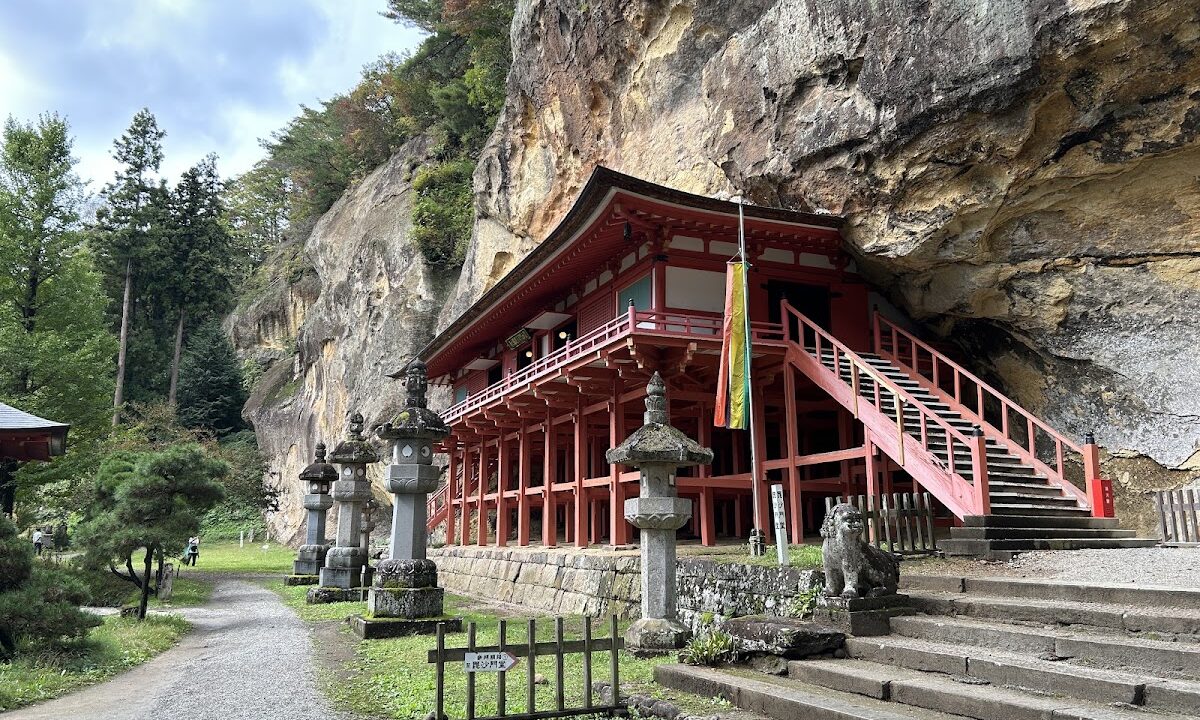
Takimonji Temple (Ichinoseki City, Iwate Prefecture) Complete Guide | History, Access, and Visiting Information
Takimonji Temple, located in Iwami-cho, Ichinoseki City, Iwate Prefecture, is a historic temple belonging to the Soto Zen sect. This guide provides detailed information about this temple, which has long been a center of local faith, from basic information to its history and highlights for visitors.
Basic Information about Takimonji Temple
Location and Access
Location: 206 Konosu, Iwami-cho, Ichinoseki City, Iwate Prefecture
Takimonji Temple is located in the Iwami-cho district of Ichinoseki City, in a quiet area surrounded by rich nature. Ichinoseki City is located in southern Iwate Prefecture, near the border with Miyagi Prefecture.
Access Information:
- Access by Train: Approximately 20 minutes by car from Ichinoseki Station on the JR Tohoku Main Line
- Access by Car: Approximately 15 minutes from Ichinoseki Interchange on the Tohoku Expressway
- Access by Bus: Local buses are available from Ichinoseki Station (approximately 10 minutes on foot from the nearest bus stop)
Temple Overview
- Sect: Soto Zen
- Chief Priest: Yuko Ogi
- Principal Image: Shakyamuni Buddha (estimated)
- Founding Date: The exact founding date is unknown, but it is a historical temple with records in old local documents.
The Soto Zen sect is a branch of Zen Buddhism that emphasizes practice centered on seated meditation. Takimonji Temple has also functioned as a spiritual center for the local people, based on the teachings of the Soto Zen sect.
What is the Soto Zen School?
Characteristics of the Soto Zen School
The Soto Zen School is a branch of Zen Buddhism introduced to Japan during the Kamakura period by Zen Master Dogen. Its most important practice is “Shikantaza,” that is, simply sitting in meditation.
Main Characteristics of the Soto Zen School:
- Emphasis on Zen Meditation: Practicing Zen meditation as a means to attain enlightenment.
- Daily Life as Practice: All daily activities, such as eating and cleaning, are considered practice.
- Head Temples: A system of two major head temples: Eiheiji Temple in Fukui Prefecture and Sojiji Temple in Kanagawa Prefecture.
- Teachings: Aiming for enlightenment through “shedding body and mind” (Shinjin Datsuraku).
Numerous Soto Zen temples exist in Iwate Prefecture, and Takimonji Temple is one of them, supporting the local Buddhist culture.
History and Origin of Takimonji Temple
Origin of the Temple Name
The name “Takimonji Temple” is thought to reflect the local topography and historical background. The inclusion of the character “Taki” (waterfall) suggests the possibility of a waterfall being located within or around the temple grounds, or a connection to Shugendo (mountain asceticism) which worships waterfalls.
Several temples and sacred sites in Iwate Prefecture are associated with waterfalls, exhibiting a unique form of faith that blends nature worship and Buddhism. Takimonji Temple is considered one of the temples that developed within this regional religious culture.
Historical Background of Iwami-cho, Ichinoseki City
Ichinoseki City has long flourished as a transportation hub. During the Edo period, it was under the control of the Sendai Domain, and the Ichinoseki Domain was established there. The Iwami-cho area is known as a region rich in nature within Ichinoseki City.
The Konosu district, where Takimonji Temple is located, has a history of development as an agricultural area, and Takimonji Temple has played an important role as a temple supporting the religious lives of the local residents.
Highlights of the Temple Grounds
Main Hall
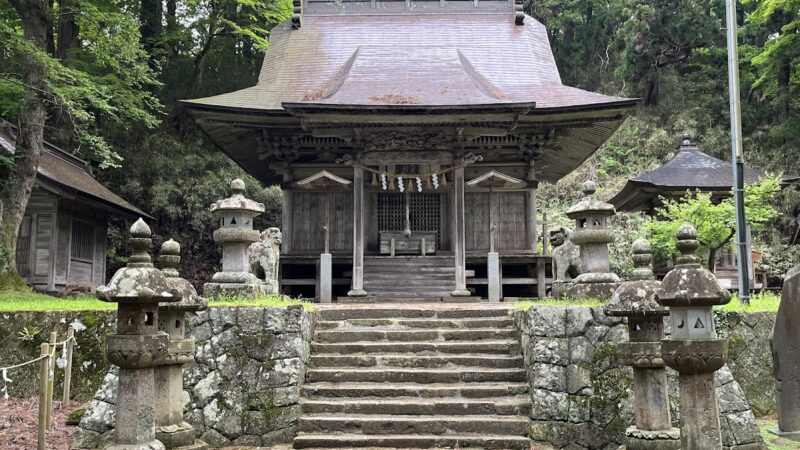
The main hall of Takimonji Temple is believed to follow the traditional architectural style of Soto Zen temples. Daily services are held in the main hall, and parishioners and local residents visit to pay their respects.
In Soto Zen temples, the main hall typically houses a statue of Shakyamuni Buddha as the principal image, with Manjushri Bodhisattva and Samantabhadra Bodhisattva placed on either side.
Natural Environment of the Temple Grounds
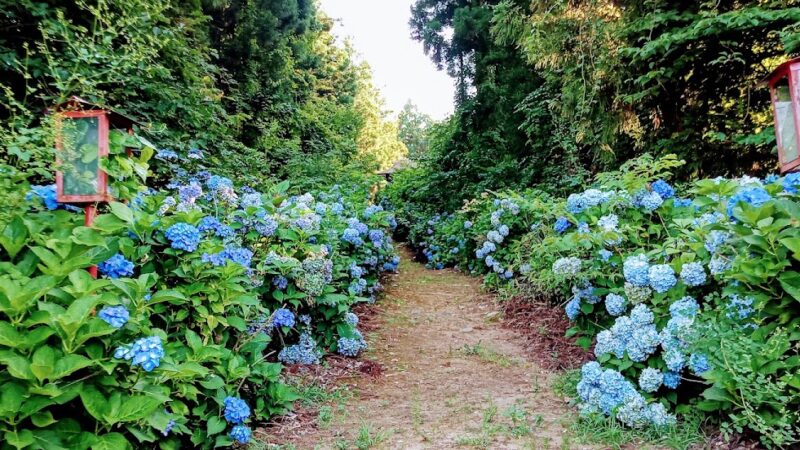
Iwami-cho is a region rich in nature, and the grounds of Takimonji Temple offer beautiful scenery throughout the seasons. Especially:
- Spring: The season when cherry blossoms and fresh greenery adorn the temple grounds
- Summer: A tranquil space enveloped in deep green
- Autumn: A time when the autumn leaves are beautiful
- Winter: A solemn atmosphere amidst a snowy landscape
Etiquette and Manners for Visiting a Temple
How to Visit a Soto Zen Temple
When visiting Takimonji Temple, please observe the following basic etiquette:
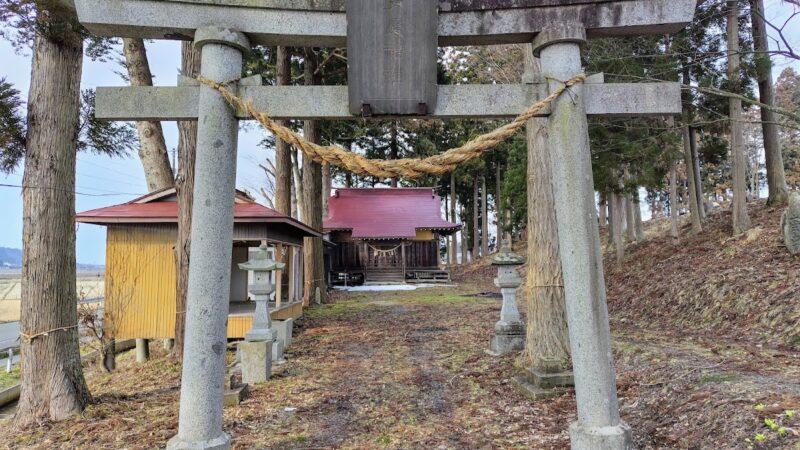
- A Bow at the Temple Gate: Bow before entering the temple grounds
- Purification at the Water Basin: If there is a water basin, purify your hands and mouth
- Worship at the Main Hall:
- Proceed quietly to the front of the main hall
- Place your offering (without making noise)
- Clasp your hands together and bow once or three times
- Calm your mind and offer your prayer
- A Bow Upon Exit: Bow again when leaving the temple gate
Precautions When Visiting a Temple
- Please maintain silence within the temple grounds.
- Please take photographs only in designated areas.
- Please enter the main hall only if permitted.
- If there is a parking lot, please park in the designated area.
Buddhist Services and Memorial Services Available at Takimonji Temple
Funerals and Memorial Services
Takimonji Temple primarily serves its parishioners and conducts the following Buddhist services and memorial services:
- Funeral: A funeral service conducted according to the rituals of the Soto Zen sect.
- Memorial Services: Memorial services for the deceased, such as the seventh day, forty-ninth day, first anniversary, and third anniversary.
- Obon Memorial Service: A memorial service for ancestors.
- Higan Memorial Service: A memorial service held during the spring and autumn equinoxes.
Prayers and Memorial Services
- Mizuko Kuyo: A memorial service to comfort the spirits of miscarried or stillborn children.
- Ancestral Memorial Service: A memorial service to honor successive generations of ancestors.
- Various Prayers: Prayers for family safety, business prosperity, etc.
Those wishing to perform Buddhist services or memorial services are advised to contact the temple in advance to discuss the date and content.
About the Chief Priest, Reverend Yuko Ogi
The current chief priest, Reverend Yuko Ogi, is a Soto Zen Buddhist monk who maintains Takimonji Temple. Soto Zen monks obtain their qualifications through rigorous training and play a vital role in providing spiritual support to parishioners and the local community.
Soto Zen monks typically undergo the following training process:
- Ordination: The first step as a monk
- Angyo Training: Intensive training at the head temple or specialized monastery
- Acquisition of Various Qualifications: Teacher qualifications, etc.
The chief priest fulfills a wide range of roles, including daily services, memorial services for parishioners, and the maintenance and management of the temple.
Temple Culture of Ichinoseki City and Takimonji Temple
Buddhist Culture of Ichinoseki City
Ichinoseki City has many Buddhist temples, each supporting the local faith culture. The main denominations are:
- Soto Zen: Numerous temples, including Takimonji Temple
- Jodo-shu/Jodo Shinshu: Temples practicing Nembutsu (recitation of Amida Buddha’s name)
- Shingon-shu: Esoteric Buddhist temples
- Nichiren-shu: Temples practicing Hokke (Lotus Sutra) faith
These temples function not only as venues for funerals and memorial services, but also as places for community activities.
Characteristics of Temples in Southern Iwate Prefecture
Southern Iwate Prefecture is a region with active cultural exchange with Miyagi Prefecture, and its Buddhist culture has developed uniquely. In particular:
- Influence of Date Domain Culture: Temple architecture and culture influenced by the Sendai Domain (Date Domain) during the Edo period.
- Fusion with Shugendo: A unique form of faith that blends mountain worship and Buddhism.
- Community-Based Temple Management: Strong ties with the community centered on the danka (parishioner) system.
Takimonji Temple is positioned as one of the temples with these regional characteristics.
Nearby Tourist Attractions
Famous Places in Ichinoseki City
When visiting Takimonji Temple, we recommend also visiting other tourist attractions in Ichinoseki City:
Genbikei Gorge:
- A gorge designated as a National Scenic Spot and Natural Monument
- Approximately 15 minutes by car from Takimonji Temple
- A spectacular view created by emerald green water and strangely shaped rocks
- Famous for its specialty, “flying dumplings”
Geibikei Gorge:
- A gorge counted as one of Japan’s 100 most beautiful landscapes
- A popular tourist spot where you can enjoy boating
- Approximately 30 minutes by car from Takimonji Temple
Ichinoseki Onsenkyo (Ichinoseki Hot Spring Village):
- Multiple hot spring resorts including Genbikei Onsen and Mayu Onsen
- Ideal for relaxing after visiting the temple
Nearby Temples and Shrines
There are many other temples and shrines in Ichinoseki City and the surrounding area:
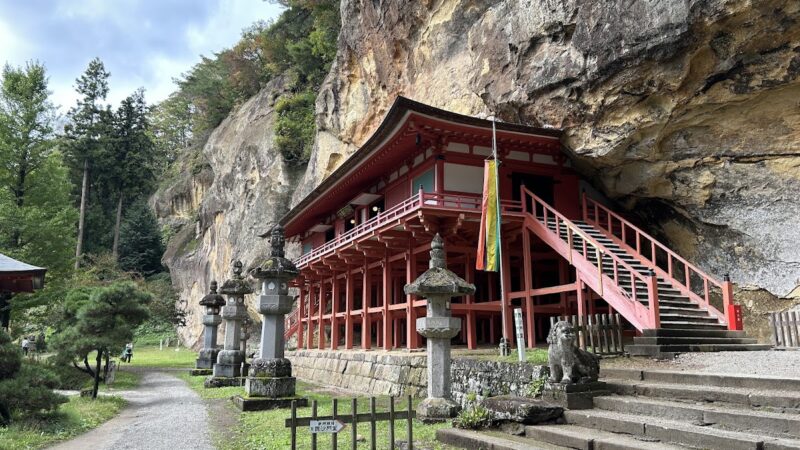
- Takkoku-no-Iwaya Bishamondo: An ancient temple in Hiraizumi town, featuring unique architecture built on a rock face.
- Chuson-ji Temple: A representative temple of Hiraizumi, registered as a World Heritage Site (approximately 40 minutes by car).
- Motsu-ji Temple: A temple known for its Jodo garden in Hiraizumi.
Planning a visit to Takimon-ji Temple
Best time to visit
Takimon-ji Temple is open year-round, but the best times are:
- Spring (April-May): Season of fresh greenery and mild weather.
- Autumn (October-November): Beautiful autumn foliage and pleasant weather.
- Obon (mid-August): Time for ancestral worship and memorial services.
- Higan (March and September): Time for spring and autumn Higan memorial services.
Estimated time required
- Visiting the temple only: Approximately 30 minutes to 1 hour
- Including sightseeing in the surrounding area: Half a day to a full day
- Sightseeing Tour of Major Tourist Spots in Ichinoseki City: 1-2 days
Useful Items to Bring
- Goshuincho (Stamp Book): For receiving temple stamps (check availability beforehand)
- Prayer Beads: For use during worship
- Camera: For taking photos of the temple grounds (only in areas where photography is permitted)
- Comfortable Shoes: For walking around the temple grounds
How to Become a Temple Member
About the Temple Member System
A temple member is someone who provides financial and spiritual support to a specific temple, and in return, the temple performs Buddhist services such as funerals and memorial services.
Benefits of becoming a temple parishioner:
- You can entrust funeral and memorial services with peace of mind.
- You may be able to use the temple cemetery.
- You can receive life advice from the head priest.
- You can participate in temple events.
Obligations of a temple parishioner:
- Payment of parishioner fees (maintenance fees).
- Participation in temple events (to the extent possible).
- Cooperation in the maintenance and development of the temple.
If you wish to become a parishioner of Takimonji Temple, we recommend that you contact the temple directly for consultation.
Temple Tours in Iwate Prefecture
Major Temples in Iwate Prefecture
Iwate Prefecture has many historical temples. Temples to visit along with Takimonji Temple:
Hiraizumi Area:
- Chusonji Temple (Tendai sect): A World Heritage Site famous for its Golden Hall
- Motsuji Temple (Tendai sect): A World Heritage Site with a beautiful Pure Land garden
- Kanjizaiōin Temple Ruins: A historical site in Hiraizumi
Morioka Area:
- Hōonji Temple (Sōtō sect): Known for its Five Hundred Arhats
- Gidaji Temple (Sōtō sect): The family temple of the Nanbu family, lords of the Morioka domain
Ōshū Area:
- Shōhōji Temple (Sōtō sect): One of the largest Zen temples in Iwate Prefecture
- Kuroishiji Temple (Tendai sect): Famous for its Somin Festival
Suggested Temple Tour Route
Ichinoseki/Hiraizumi Course (1 day):
- Visit Takimonji Temple (morning)
- Sightseeing at Genbikei Gorge (lunch)
- Visit Chusonji Temple and Motsuji Temple (afternoon)
- Stay at Hiraizumi Onsen
Southern Iwate Prefecture Temple Tour (2 days):
- Day 1: Temples in Ichinoseki City and Genbi Gorge
- Day 2: Hiraizumi World Heritage Temple Group
Soto Zen Teachings and Practice
Zen Meditation Experience
Many Soto Zen temples hold Zen meditation sessions for the general public. Takimonji Temple may also hold Zen meditation sessions, so we recommend inquiring if you are interested.
Effects of Zen Meditation:
- Mental stability and stress reduction
- Improved concentration
- Opportunity for self-reflection
- Improved posture
Practice in Daily Life
The teachings of the Soto Zen school emphasize the idea that not only Zen meditation, but all aspects of daily life are forms of spiritual practice:
- Mealtime Etiquette: Gratitude for food
- Cleaning: An act of purifying the mind
- Greetings: Cherishing connections with others
- Focusing on the Present Moment: The practice of mindfulness
Summary
Takimonji Temple, located in Iwami-cho, Ichinoseki City, Iwate Prefecture, is a historic Soto Zen temple that has supported the faith of the local people. Under the leadership of Chief Priest Yuukou Ogi, the temple operates in a way that respects its parishioners and local residents while upholding the traditional teachings of the Soto Zen school.
When visiting Ichinoseki City, you can experience the rich culture and history of southern Iwate Prefecture by visiting local temples such as Takimonji Temple, along with natural scenic spots like Genbikei and Geibikei Gorge.
Those wishing to visit the temple, considering becoming a parishioner, or seeking advice regarding Buddhist services and memorial services are advised to contact the temple in advance. Why not spend some time in the tranquil temple grounds, calming your mind and escaping the hustle and bustle of everyday life to reflect on yourself?
Takimonji Temple, as one of the precious temples that preserves Iwate Prefecture’s rich Buddhist culture, will continue to walk hand in hand with the community.