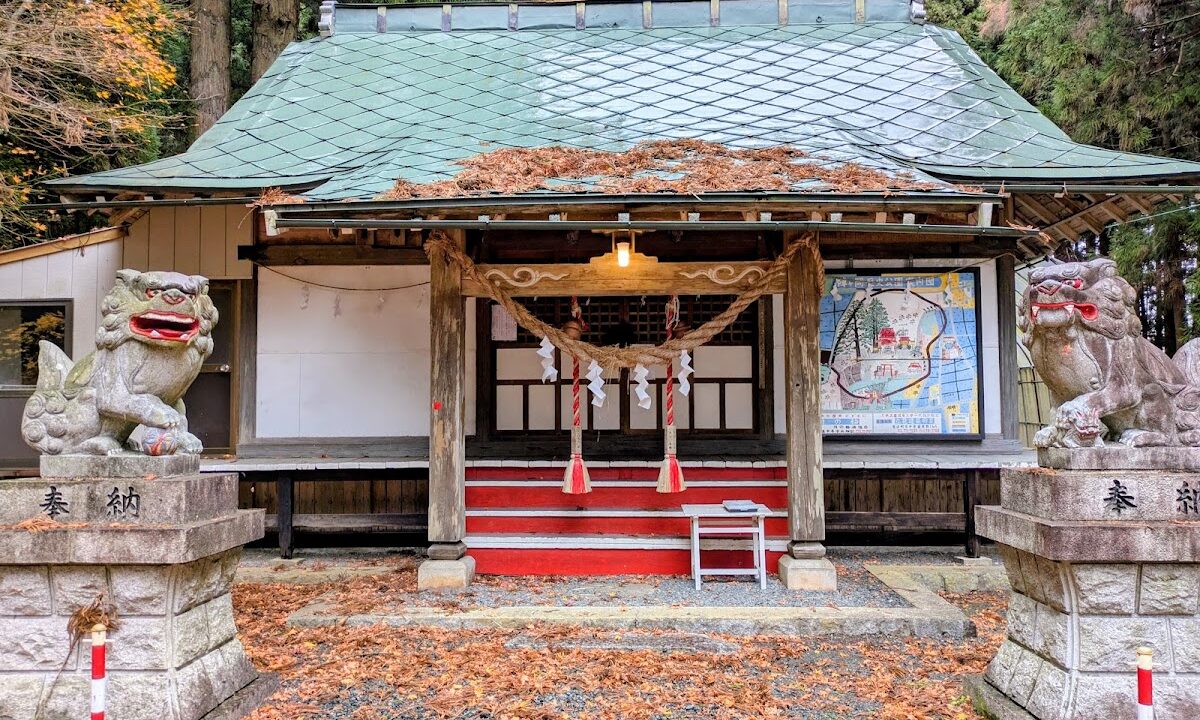
Hachijinja Shrine (Iwate Prefecture) Complete Guide: History, Blessings, and Access Information
Hachijinja Shrine, located in Iwate Prefecture, is a historic shrine that has long been cherished by the local community. This article provides a detailed introduction to Hachijinja Shrine, including its history, blessings, points to note when visiting, and access information.
What is Hachijinja Shrine?
Hachijinja Shrines are numerous shrines located throughout Iwate Prefecture, each revered as a guardian deity of its region. The name “Hachi” (meaning “bee”) is said to originate from the bee, which has been considered a symbol of fertility and prosperity since ancient times, and the shrine has played an important role as a place to pray for the development of agriculture and industry.
Characteristics of the Shrine
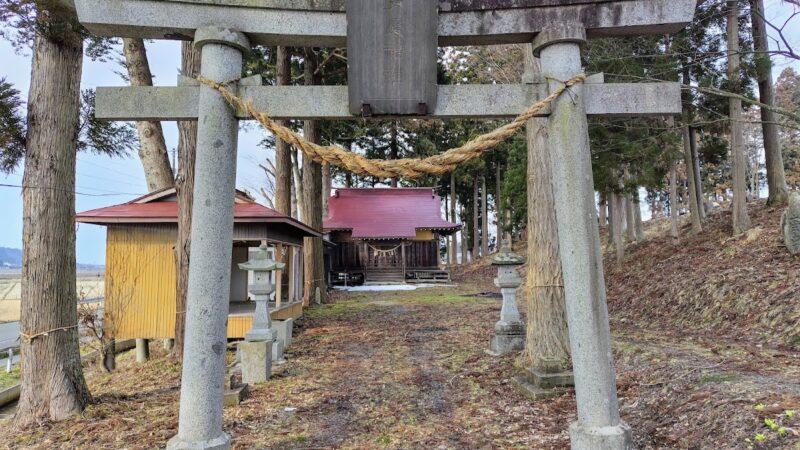
Many Hachijinja Shrines are located in tranquil places surrounded by rich natural environments. Ancient trees flourish within the grounds, allowing visitors to enjoy beautiful scenery throughout the seasons. For local residents, it is a place of daily worship, and various festivals are held throughout the year.
History and Origins of Hachijinja Shrine
Origin of Founding
The founding date of Hachijinja Shrines varies by region, but many are believed to date back to before the Edo period. Iwate Prefecture has long been a region where agriculture thrives, and Hachijinja Shrines were established as places to pray for abundant harvests and family safety.
Bees have been revered as “messengers of the gods” since ancient times, and in areas where beekeeping was practiced, there was a custom of deifying and worshipping bees. Furthermore, the intricate structure of beehives and their cooperative work as a group were seen as symbolizing an ideal form of society.
Connection with the Community
Hachijinja Shrines have been deeply rooted in people’s lives as a central presence in local communities. Visits were always made at key points in agricultural work, and festivals praying for bountiful harvests were held. Even today, they remain important cultural centers that preserve local traditions.
Deities and Benefits
Main Deity
The main deity of Hachijinja shrines may vary depending on the shrine, but most enshrine the following gods:
- Ukanomitama-no-Mikoto: God of abundant harvests
- Okuninushi-no-Mikoto: God of matchmaking and business prosperity
- Sukunahikona-no-Mikoto: God of medicine and hot springs
Expected Benefits
By visiting Hachijinja shrines, you can expect the following benefits:
- Abundant Harvests and Agricultural Prosperity: Bees are considered beneficial insects that help with pollination and are seen as guardians of agriculture.
- Business Prosperity and Success: By emulating the diligence of bees, you can pray for business success.
- Family Safety and Protection from Evil: As a god that protects the community, it watches over the safety of your family.
- Health and Longevity: Honey has been considered to have medicinal properties since ancient times and is believed to be effective in praying for good health.
- Matchmaking and Fertility: Due to the high reproductive capacity of bees, it is also believed to bring blessings for good relationships and prosperity of descendants.
Etiquette and Manners for Visiting the Shrine
Basic Way to Visit the Shrine
When visiting the Hachijinja Shrine, please follow these steps:
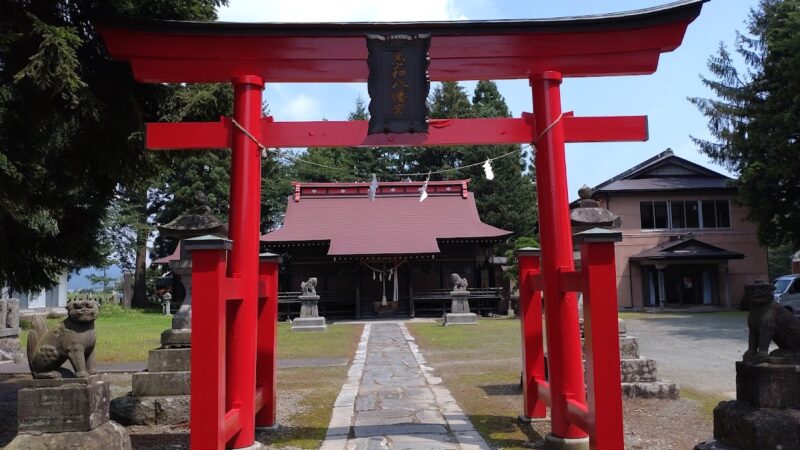
- Bow Before Entering the Shrine Grounds: Before entering the grounds, bow slightly before the torii gate.
- Purify Yourself at the Water Basin: If there is a water basin, purify your hands and mouth.
- Walking Along the Path: The center of the path is considered the path of the gods, so walk along the sides.
- Etiquette at the Main Hall: The basic etiquette is two bows, two claps, and one bow.
- Bow Upon Exiting: When leaving the torii gate, turn around and bow.
About Offerings
Offerings are a way of expressing gratitude to the gods. There are no set rules regarding the amount, but some people prefer amounts with wordplay, such as 5 yen (go-en, meaning good fortune) or 45 yen (shiju go-en, meaning good fortune throughout). What’s important isn’t the amount, but the sincere sentiment.
Annual Events and Festivals
Main Annual Events
At Hachijinja Shrine, various festivals are held throughout the year:
Spring Festivals
- Spring Grand Festival (April-May): An important festival praying for a bountiful harvest
- Prayer Ceremony Before Rice Planting: Prayers for safety during farm work and a good harvest
Summer Festivals
- Summer Purification Ceremony (Around June 30th): A Shinto ritual to purify and cleanse away the impurities accumulated over the past six months
- Summer Festival: A lively festival where local people gather
Autumn Festivals
- Autumn Grand Festival (September-October): A festival to give thanks for the harvest
- Niiname-sai Festival (Around November 23rd): An important festival where new grain is offered to the gods
Winter Festivals
- Year-End Grand Purification Ceremony (December 31st): Purifying oneself of the year’s impurities and preparing for the New Year.
- First Shrine Visit of the Year (January 1st-3rd): Praying for safety in the New Year.
Special Rituals
In some regions, unique rituals specific to Hachijinja shrines are passed down through generations. For example, a “Bee Memorial Service” may be held to pray for the safety of beekeeping and a bountiful honey harvest.
Highlights of the Shrine Grounds
Main Hall and Worship Hall
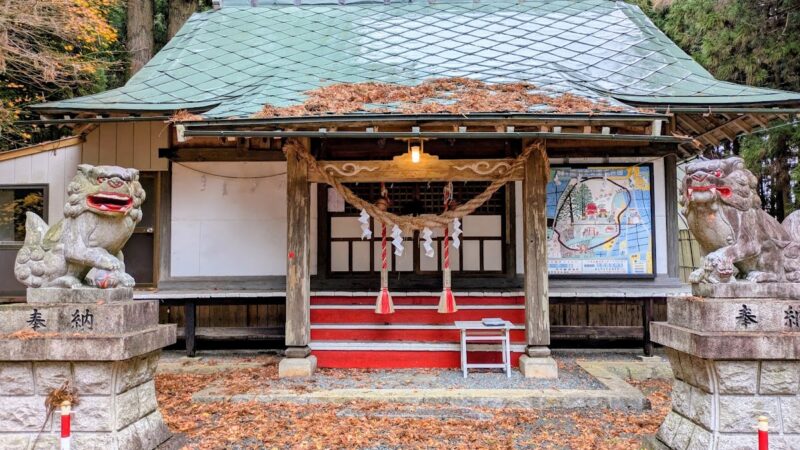
The main hall and worship hall of Hachijinja shrines follow the traditional style of shrine architecture. You can feel the beauty of the wooden architecture and the dignity that comes from withstanding the elements for many years. Pay attention to the carvings and decorations.
Sacred Trees
Many Hachijinja shrines have sacred trees that are hundreds of years old. These giant trees, such as cedar and zelkova, are living witnesses to the history of the shrine and are popular as power spots. By touching the sacred trees, you can feel the energy of nature.
Stone Monuments and Memorials
Within the shrine grounds, you may find stone monuments inscribed with the history of the shrine and local events. Reading these allows you to understand the deep connection between the shrine and the community.
Shrine Office and Gift Shop
The shrine office offers amulets and Goshuin (stamped seals). There may also be amulets featuring bees, unique to Hachijinja Shrine, so be sure to check them out.
Amulets and Goshuin
Popular Amulets
The following are some of the amulets offered at Hachijinja Shrine:
- Business Prosperity Amulet: An amulet inspired by the diligence of bees
- Abundant Harvest Amulet: Popular among those engaged in agriculture and horticulture
- Health and Longevity Amulet: An amulet based on the medicinal properties of honey
- Matchmaking Amulet: An amulet believed to bring good fortune in relationships
- Traffic Safety Amulet: A prayer for daily safety
About Goshuin
Goshuin are stamps given by the shrine as proof of worship. The goshuin (seal stamp) at Hachijinja Shrine sometimes features designs inspired by bees and beehives. Bring your goshuincho (seal stamp book) and receive your goshuin at the shrine office after your visit.
Etiquette for receiving a goshuin:
- Receive it after your visit
- Open your goshuincho and hand it over
- Prepare the offering (usually 300-500 yen)
- Use polite language
Access Information
Access by Public Transportation
Access to Hachijinja Shrine varies depending on its location, but generally, the following methods are available:
By Train/Bus
- Take a local bus from the nearest JR station
- Walk from the bus stop
- Taking a taxi is also a convenient option
Hachijinja Shrines in Iwate Prefecture are often located in rural areas, so public transportation may be limited. It is recommended to check the timetable in advance and plan your visit accordingly.
Access by Car
By Private Car
- Use the Tohoku Expressway or National Highway
- Enter the shrine name or address into your car navigation system
- It’s a good idea to check parking availability in advance.
Many Hachi Shrines have parking lots for visitors, but they can get crowded during festivals. Especially during New Year’s visits and the annual festival, try to arrive early.
Visiting Hours and Precautions
Visiting Hours
- Entry to the shrine grounds is generally only permitted during the daytime
- The shrine office is usually open from 9:00 AM to 5:00 PM
- Goshuin (shrine stamps) and amulets are available during the shrine office’s opening hours
Precautions During Visit
- Be careful of snow and icy roads in winter
- Take insect repellent in summer
- Wear appropriate clothing for your visit
- Maintain silence on the shrine grounds
Nearby Tourist Attractions
Historical Sites
When visiting Hachi Shrine, consider visiting the nearby tourist attractions as well. Iwate Prefecture boasts abundant nature and numerous historical sites:
- Hiraizumi Cultural Heritage: A group of temples registered as a World Heritage Site, including Chuson-ji Golden Hall and Motsu-ji Temple.
- Tono Folk Tale Village: The area that served as the setting for Kunio Yanagita’s “Tono Monogatari” (Tales of Tono).
- Morioka Castle Ruins Park: The site of the Morioka Domain’s castle, also famous for its cherry blossoms.
Natural Landscapes
- Kitakami River: A majestic river flowing through Iwate Prefecture.
- Mount Iwate: A beautiful mountain known as “Southern Mount Fuji.”
- Ryusendo Cave: One of Japan’s three largest limestone caves.
Gourmet Information
When visiting Iwate Prefecture, be sure to enjoy local specialty dishes:
- Wanko Soba: A specialty dish of Morioka.
- Morioka Reimen: Characterized by its firm noodles and spicy flavor.
- Maesawa Beef: Iwate’s proud brand of beef.
- Jajamen: One of Morioka’s three famous noodle dishes
The Charm of Hachijinja Shrine
Harmony with Nature
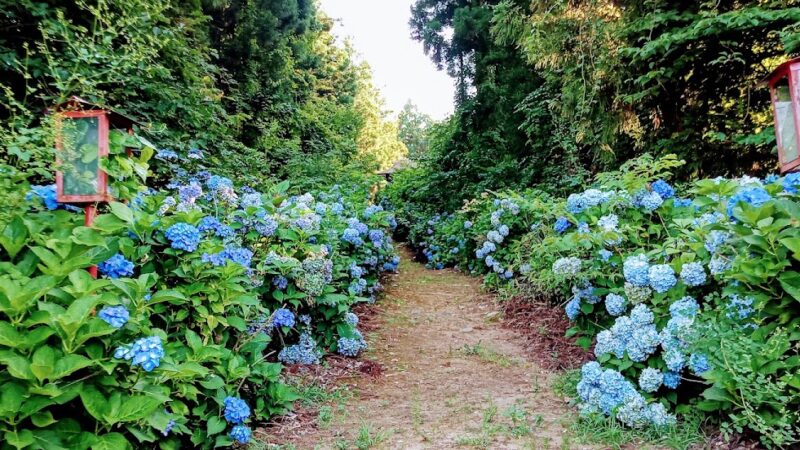
The greatest charm of Hachijinja Shrine lies in its harmony with nature. Stepping onto the shrine grounds, you forget the hustle and bustle of the city and find yourself in a peaceful space. The rustling of trees, the chirping of birds, and the flowers of each season gently welcome visitors.
Preservation of Local Culture
Hachijinja Shrine plays an important role in passing on the traditional culture of the region. Through festivals and Shinto rituals, the wisdom and faith of our ancestors are passed down to the next generation. Visiting the shrine offers a valuable experience of touching upon traditional Japanese culture.
Charm as a Power Spot
In recent years, Hachijinja Shrine has also attracted attention as a power spot. Bees have been considered symbols of good fortune since ancient times, and it is believed that the shrine possesses strong energy. The area around the sacred tree, in particular, is popular as a place where one can feel the power of nature.
Best Season for Visiting Shrines
Spring (March-May)
Spring is a season of vibrant life, with beautiful fresh greenery filling the shrine grounds. At shrines with cherry trees, you can enjoy both cherry blossom viewing and worship. Spring festivals are also held, allowing you to experience the lively atmosphere of the community.
Summer (June-August)
Summer is a season of deep greenery and pleasant, cool shade. At shrines holding summer festivals, you can enjoy interacting with local people. However, it is also a time when insects are abundant, so insect repellent is essential.
Autumn (September-November)
Autumn is the most suitable season for visiting shrines, with its beautiful autumn foliage. Autumn festivals are held to give thanks for the harvest, celebrating the region’s bountiful harvest. The weather is mild, allowing for a leisurely stroll through the shrine grounds.
Winter (December-February)
In winter, the snow-covered shrine grounds present a fantastical beauty. The shrine is bustling with many visitors during the New Year’s pilgrimage season. However, be aware of snow and ice. Make sure to dress warmly before visiting.
Prayers and Wishes at Hachijinja Shrine
Effective Prayer Methods
Points to make your prayers at the shrine more effective:
- State your specific wish in your heart: Be specific, not vague.
- Don’t forget to express gratitude: Express your gratitude not only for your wish but also for everyday blessings.
- Visit regularly: It’s important to visit regularly, not just once.
- Return with thanks after your wish is granted: Once your wish is fulfilled, be sure to return with thanks.
Special Prayers and Rituals
If you wish to make a special personal prayer or pray for the safety of your family, you can receive a prayer from a Shinto priest. If you wish to receive a prayer, it is recommended to contact the shrine office in advance and make a reservation.
Main Prayers Offered:
- Prayers for Family Safety
- Prayers for Business Prosperity
- Prayers for Protection from Evil
- Prayers for Recovery from Illness
- Prayers for Success in Exams
- Prayers for Safe Childbirth
Legends and Traditions of Hachijinja Shrine
Folk Beliefs Related to Bees
In the Tohoku region, including Iwate Prefecture, there are various folk beliefs related to bees:
- Finding a beehive brings good fortune: Finding a beehive, especially in early spring, was considered a good omen.
- A bee entering the house brings good news: A bee entering the house was a sign of good fortune.
- Honey is a panacea: Since ancient times, honey has been valued as medicine and used to treat various illnesses.
Local Stories
Hachijinja Shrine has interesting local stories. For example, there are legends of a village where, during an epidemic, prayers were offered at the Hachi Shrine and miraculously the disease subsided. Another story tells of a drought where prayers for rain at the Hachi Shrine brought much-needed rain.
While these legends lack scientific basis, they illustrate how the shrine has served as a source of spiritual support for the local people.
Photography Etiquette
Permitted Photography Locations
Photography is generally permitted at Hachijinja Shrine, but please note the following:
Photography Allowed
- Scenery within the shrine grounds
- Torii gate and approach
- Sacred tree (exterior only)
- Seasonal flowers
Photography Prohibited/Consideration Required
- Inside the main hall (unless special permission is granted)
- During Shinto rituals (be considerate and avoid disrupting)
- If other worshippers’ faces are visible in the photo
- Check in advance if using a tripod
Precautions for Social Media Posts
When posting photos on social media, please keep the following in mind:
- Respect the privacy of other worshippers
- Make comments that acknowledge the sacred nature of the place
- Be cautious about disclosing location information
- Avoid posts that would damage the dignity of the shrine
People Supporting Hachijinja Shrine
Chief Priest and Other Priests
The chief priest and other priests are responsible for protecting Hachijinja Shrine and conducting daily rituals. They play a vital role not only in the maintenance and management of the shrine but also as advisors to the local community. If you have any questions during your visit, please feel free to ask.
Parishioners and Worshippers
The shrine is supported by the local parishioners and worshippers. The shrine is maintained through numerous volunteer activities, including cleaning, preparing for festivals, and maintaining the grounds. Visitors can also contribute to the maintenance of the shrine by keeping the grounds clean.
Experiential Programs at Hachijinja Shrine
Participation in Seasonal Events
Some Hachijinja shrines allow general participants to take part in seasonal events:
- Mochi-making Festival: Held during New Year’s and other festivals
- Cleaning Activities: Volunteer cleaning of the shrine grounds
- Festival Assistance: Preparation and operation of local festivals
Cultural Experiences
Some shrines offer the following cultural experience programs:
- Shinto Lectures: Learn the basics of Shinto
- Etiquette Classes: Learn proper worship etiquette
- Goshuincho Making: Create your own original goshuincho (stamp book)
Hachijinja Shrine and Environmental Protection
Coexistence with Nature
Hachijinja shrines are actively involved in protecting the natural environment. The trees on the shrine grounds are not merely scenic elements, but are carefully protected as part of the ecosystem.
Honeybee Conservation Activities
In recent years, the decline in honeybee populations has become a global problem, but some Hachijinja shrines are engaged in honeybee conservation activities. Collaboration with beekeepers and planting of nectar-producing plants within the shrine grounds are underway.
Summary: The Significance of Visiting Hachijinja Shrine
Hachijinja Shrine is not merely a tourist spot; it is a place where the history and culture of the region are condensed. By visiting, you can find the following significance:
- Peace of Mind: Find peace of mind in the tranquil shrine grounds
- Understanding Traditional Culture: Experience Japanese Shinto culture
- Connecting with Nature: Feel the changing seasons
- Connection with the Community: Learn about the history and culture of the region
- Fulfillment of Wishes: Offer sincere prayers
A visit to Hachijinja Shrine will be a precious time to step away from your busy daily life and reflect on yourself. When you visit Iwate Prefecture, be sure to visit Hachijinja Shrine and experience its charm.
Shrines watch over us as unchanging presences in the flow of time from the past to the present and into the future. We hope that your experience at Hachijinja Shrine will have a positive impact on your life. When visiting the shrine, please remember to be grateful, respectful, and sincere in your prayers. We pray that Hachijinja Shrine will continue to exist for many years to come, serving as a spiritual haven for many people.