Yazawa Hachimangu Shrine (Hanamaki City, Iwate Prefecture): A Complete Guide to the Ancient Shrine Founded by Minamoto no Yoriyoshi and Yoshiie – History, Deities, and Access
Yazawa Hachimangu Shrine, located in Hanamaki City, Iwate Prefecture, is a historical shrine founded during the Heian period by Minamoto no Yoriyoshi and his son Yoshiie. It has ties to the Former Nine Years’ War and has been revered by the local people for nearly a thousand years. This article comprehensively introduces information useful for visiting Yazawa Hachimangu Shrine, including its history, enshrined deities, highlights within the grounds, access methods, and information on Goshuin (shrine stamps).
History and Origins of Yazawa Hachimangu Shrine
The Former Nine Years’ War and Minamoto no Yoriyoshi and Yoshiie
The founding of Yazawa Hachimangu Shrine dates back to the Eisho era (1046-1053). During this period, Minamoto no Yoriyoshi, the Chinju-fu Shogun (Commander-in-Chief of the Northern Defense Headquarters) and Governor of Mutsu Province, and his son Yoshiie (later known as Hachiman Taro Yoshiie), who received an imperial decree from the Imperial Court to subdue the Abe clan of Oshu, traveled to Oshu.
Before undertaking the crucial task of defeating Abe no Sadato and Muneto, Minamoto no Yoriyoshi and his son Yoshiie established a shrine in Yazawa, enshrining Hondawake-no-Mikoto, to pray for national peace and military success. This history of its founding demonstrates that Yazawa Hachimangu Shrine is not merely a local guardian shrine, but a historically significant shrine built by a warrior with a national mission.
Construction of the Shrine during the Kohei Era
After successfully suppressing the rebels, Minamoto no Yoriyoshi formally constructed the shrine during the Kohei era (1058-1065). The Former Nine Years’ War ended in 1062 (Kohei 5), and it is believed that the shrine was built as an expression of gratitude for the victory. The shrine built at this time served as a symbol of the Minamoto clan’s military power in Oshu and functioned as a center of local faith.
Restoration and Relocation in the Edo Period
Approximately 760 years after its founding, in September of Bunsei 1 (1818), a large-scale restoration of the shrine was carried out, and a relocation ceremony was held. This restoration indicates that Yazawa Hachimangu Shrine was maintained as an important place of worship in the region even in the late Edo period. The Bunsei period, known as the Bunka-Bunsei era, was a time when Edo culture flourished, and efforts were made to improve shrines.
Merger in the Meiji Period
In Meiji 43 (1910), two shrines located in the village at the time, Atago Shrine and Hakusan Shrine, were abolished and merged into Yazawa Hachimangu Shrine. As a result, Kagutsuchi-no-Mikoto and Shirayama-hime-no-Mikoto were enshrined together, resulting in the current composition of enshrined deities.
This consolidation was carried out as part of the Meiji government’s policy of consolidating shrines. Under the principle of one shrine per village, many small shrines were merged throughout the country, and Yazawa Hachimangu Shrine was chosen as the central shrine.
Deities Enshrined
Yazawa Hachimangu Shrine enshrines the following three deities:
Hondawake-no-Mikoto
Hondawake-no-Mikoto, the principal deity, is the divine name of Emperor Ojin, the 15th emperor. He is worshipped as Hachiman-sama in Hachiman shrines throughout Japan and is widely revered as a god of military fortune and national protection. He also has aspects of a god of industrial development, traffic safety, and education, and is revered as a god who protects all aspects of people’s lives.
Minamoto no Yoriyoshi and his son Yoshiie worshipped Hachiman-sama because the Minamoto clan revered Hachiman-sama as their tutelary deity. Yoshiie, in particular, is known by the nickname “Hachiman Taro” and is famous for having undergone his coming-of-age ceremony at Iwashimizu Hachimangu Shrine. ### Kagutsuchi-no-Mikoto
Kagutsuchi-no-Mikoto, the god of fire, was originally enshrined at Atago Shrine. He was worshipped as the god of fire prevention and blacksmithing, attracting the faith of those involved in metalworking and seeking protection from fires. In rural areas, he was an important figure as a god protecting the safety of those who used fire in their daily lives.
Shirayama-hime-no-Mikoto
Shirayama-hime-no-Mikoto, the central deity of Hakusan worship, is a goddess often identified with Kukuri-hime-no-Kami. She was originally enshrined at Hakusan Shrine. She is worshipped as the goddess of matchmaking, harmony, and agriculture, and is particularly believed to possess divine virtues related to water and farming.
By enshrining these three deities in a single shrine, Yazawa Hachimangu Shrine has become a shrine with diverse divine virtues, including military fortune, fire prevention, agriculture, and matchmaking.
Highlights of the Shrine Grounds
Main Hall and Shrine Buildings
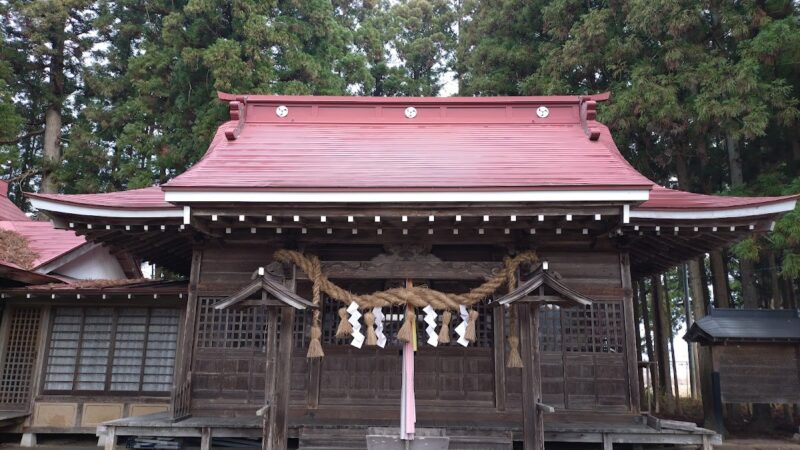
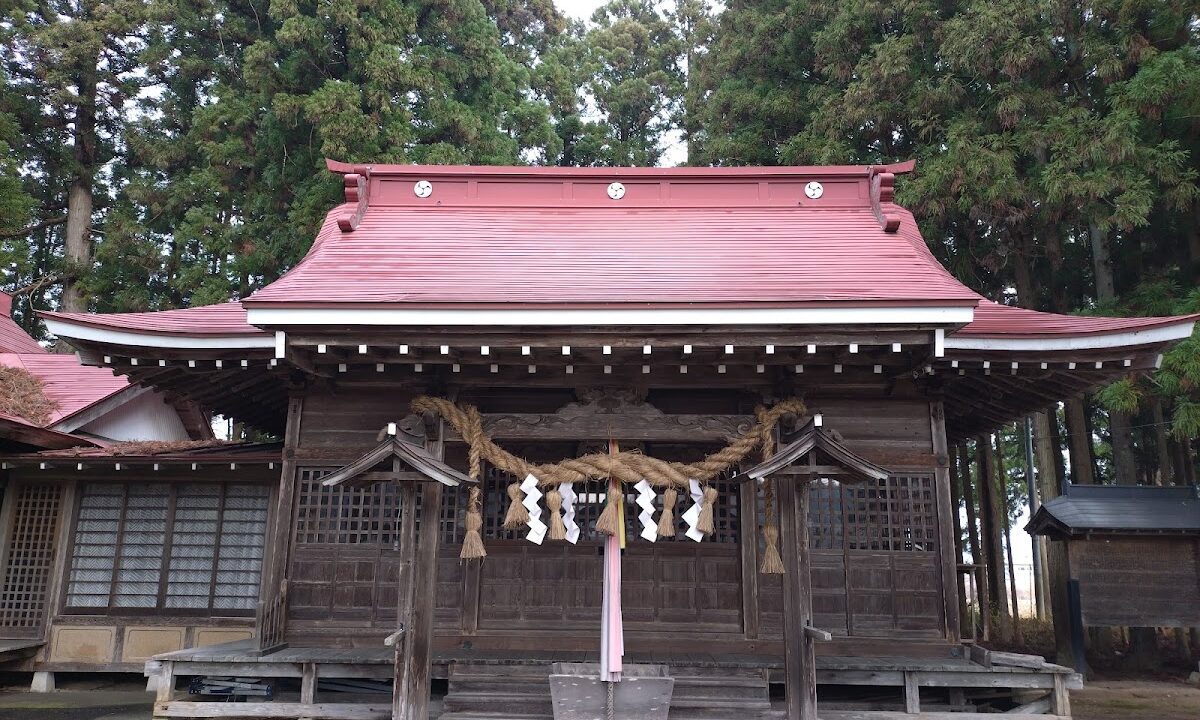
The shrine buildings of Yazawa Hachimangu Shrine have stood since their restoration in 1818 (Bunsei 1). The main hall maintains a traditional shrine architectural style while being adapted to the local climate and environment. The appearance of the shrine buildings conveys the dignity of a shrine with a long history and the faith that has been carefully preserved by the local people.
Atmosphere of the Shrine Grounds
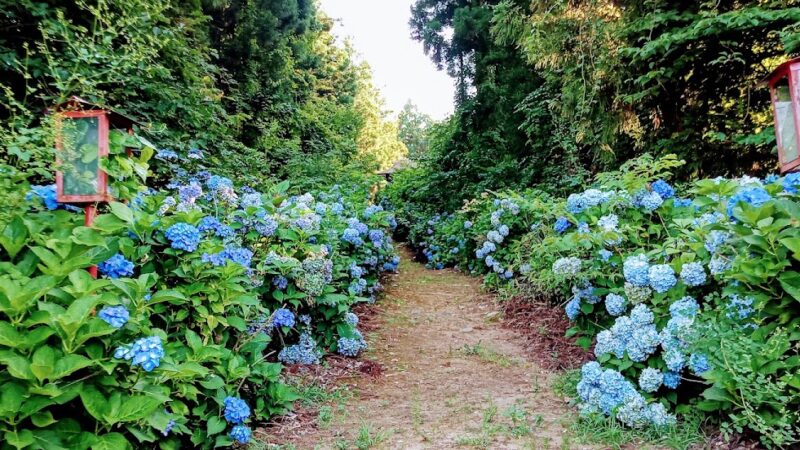
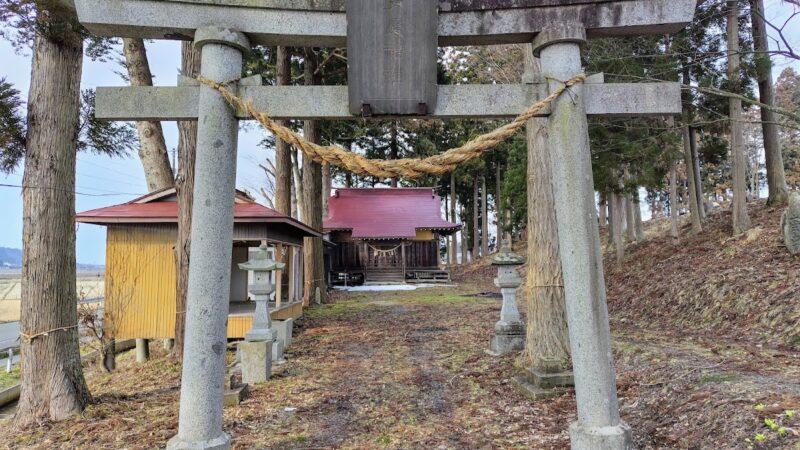
The grounds of Yazawa Hachimangu Shrine are enveloped in a quiet and peaceful atmosphere. Located in the rural area of Hanamaki City, visitors can offer their prayers in peace amidst the surrounding nature. Ancient trees can be seen on the grounds, telling the story of the shrine’s long history.
Komainu and Stone Sculptures
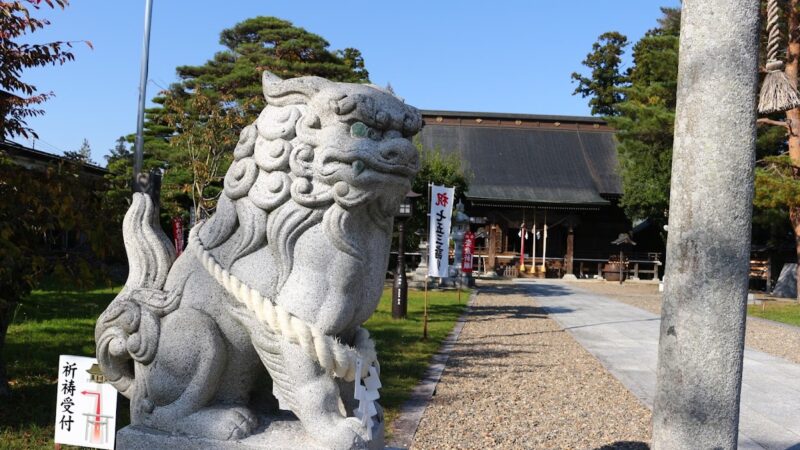
Stone sculptures, including komainu (guardian lion-dogs), are placed on the grounds, each conveying the form of faith from the era in which they were dedicated. These stone sculptures are also evidence of how the local people have cherished this shrine for generations.
Festivals and Annual Events
Yazawa Hachimangu Shrine holds various festivals and religious ceremonies throughout the year.
Annual Grand Festival
The annual grand festival is the most important festival at Yazawa Hachimangu Shrine. Local people gather to express gratitude to the gods and pray for future peace. The festival involves solemn religious ceremonies, preserving local traditions.
New Year’s Visit
Many worshippers visit the shrine for their first shrine visit of the new year. It is bustling with people praying for safety throughout the year, family well-being, and business prosperity, serving as a center of local faith.
Other Annual Events
Seasonal religious ceremonies such as the Setsubun Festival and the Spring and Autumn Festivals are held, continuing the close connection between local life and faith.
Goshuin (Shrine Seal) Information
Goshuin (shrine seals) are available at Yazawa Hachimangu Shrine. Goshuin (temple/shrine stamps) are a token of worship and a way to preserve a connection with the shrine, making them popular among many visitors.
Those wishing to receive a goshuin should speak to the shrine office after their visit. However, depending on the size of the shrine and the presence of the chief priest, the hours during which goshuin can be issued may be limited. It is recommended to check with the Iwate Prefectural Shrine Association or related information beforehand.
If you do not already have a goshuincho (stamp book), this may be a good opportunity to acquire one. Visiting shrines throughout Iwate Prefecture allows you to enjoy a journey that touches upon the region’s history and culture.
Location and Access
Location
Yazawa Hachimangu Shrine is located in Hanamaki City, Iwate Prefecture. Hanamaki City is known as the hometown of Kenji Miyazawa and is a region where rich nature and culture harmonize. The Yazawa area is a historically significant area within Hanamaki City, where traditional land divisions called “jiwari” still remain.
Location: Hanamaki City, Iwate Prefecture (For detailed address information, please check the Iwate Prefectural Shrine Association database or the Yaoyorozu no Kami website.)
Nearest Station/Line
The following railway lines are available to access Yazawa Hachimangu Shrine:
JR Tohoku Main Line: Hanamaki Station is the nearest major station. It is convenient to travel by car from Hanamaki Station.
JR Kamaishi Line: This line runs through Hanamaki City, and depending on the situation, this station may also be usable.
Since it is a distance from the station, we recommend using a taxi or rental car.
Nearest Bus Stop/Line
If using public transportation, you may be able to use local buses such as Iwate Kotsu. However, local bus routes often have limited service, so it is important to check the timetable in advance.
Since there are many roads that follow the local layout, we recommend that first-time visitors use a car navigation system or smartphone map app.
Access by Car
Tohoku Expressway: Access is possible via local roads from Hanamaki IC or Hanamaki Minami IC. The estimated time required is approximately 15-30 minutes.
Regarding parking, given the size of the shrine, there may be parking spaces on the grounds or nearby, but it is recommended to check in advance.
History and Cultural Background of Hanamaki City
Places Associated with Kenji Miyazawa
Hanamaki City is the birthplace of Kenji Miyazawa, known as a poet and children’s author. Miyazawa’s works strongly reflect the nature and climate of Iwate Prefecture, and visiting Hanamaki allows for a deeper understanding of the world of Miyazawa’s literature. In addition to visiting Yazawa Hachimangu Shrine, it is also recommended to visit the Kenji Miyazawa Memorial Museum and the Children’s Village.
Culture of Land Division
In Hanamaki City, including the Yazawa district, remnants of a traditional land division system called “chiwari” can be seen. Chiwari was a system of periodically redistributing land, and it was widely practiced in the Tohoku region from the Edo period to the Meiji period. The unique landscape formed by this system remains a characteristic of the region today.
The Setting of the Former Nine Years’ War
The Former Nine Years’ War, which is related to the founding of Yazawa Hachimangu Shrine, is an indispensable event when discussing the history of Oshu (northern Japan). Through this war, the Minamoto clan’s influence extended to the Tohoku region, leading to the rise of the Oshu Fujiwara clan. Many historical sites related to the Former Nine Years’ War and the Later Three Years’ War remain in Iwate Prefecture, making it a great place to enjoy a historical exploration trip.
Nearby Attractions
Hanamaki Onsenkyo (Hanamaki Hot Spring Village)
Hanamaki City is also known as a hot spring resort area, with several hot springs including Hanamaki Onsen, Dai Onsen, and Matsukura Onsen. We recommend relaxing in the hot springs after visiting Yazawa Hachimangu Shrine.
Hayachine Shrine
Hanamaki City is also home to Hayachine Shrine, which enshrines the sacred Mount Hayachine. This is another shrine with a long history, famous for its Kagura (sacred dance). Those planning a shrine tour in Iwate Prefecture should definitely visit.
Hanamaki City Museum
This museum allows you to learn about the history and culture of Hanamaki City. It displays local historical and archaeological materials, which are helpful in gaining a deeper understanding of the historical background of Yazawa Hachimangu Shrine.
Manners and Etiquette for Visiting a Shrine
When visiting a shrine, it is important to observe basic etiquette.
How to Pass Through a Torii Gate
The torii gate is the entrance to the sacred area. Bow before passing through the gate to show respect. Since the center of the path is considered the path of the gods, it is considered best to walk along the sides.
How to Wash Your Hands at the Water Basin
If there is a water basin for washing hands and feet, follow these steps to purify your body and mind.
- Take the ladle with your right hand and wash your left hand.
- Switch the ladle to your left hand and wash your right hand.
- Switch the ladle back to your right hand, receive water in your left hand, and rinse your mouth.
- Wash your left hand again.
- Hold the ladle upright, let the water flow down the handle, and return it to its original position.
Worship at the Main Hall
The basic ritual at the main hall is “two bows, two claps, one bow.”
- Bow deeply twice.
- Clap your hands twice at chest height.
- Offer your prayer.
- Finally, bow deeply once.
How to behave on the Shrine Grounds
The shrine grounds are a sacred place. Please be quiet and refrain from speaking loudly or running. Photography is often permitted, but there are places where photography is prohibited, such as inside the main hall, so please be careful.
The Charm and Significance of Visiting Yazawa Hachimangu Shrine
Yazawa Hachimangu Shrine is a venerable shrine with a history of nearly a thousand years, yet it is not flashy and quietly continues to protect the faith of the local community. The fact that historical heroes Minamoto no Yoriyoshi and Yoshiie were involved in its founding is particularly appealing to those interested in Japanese history.
Furthermore, the process by which three deities were enshrined through the Meiji era serves as an example of how shrines have changed during Japan’s modernization.
Visiting this historic shrine when you come to Hanamaki, a place associated with Kenji Miyazawa, will allow you to experience Iwate’s history and culture more deeply. The charm of Yazawa Hachimangu Shrine lies in the special experience of escaping the hustle and bustle of the city, finding peace in its tranquil grounds, and offering your own prayers in the same place where ancient warriors prayed.
Summary
Yazawa Hachimangu Shrine is a historic shrine located in Hanamaki City, Iwate Prefecture, founded by Minamoto no Yoriyoshi and his son Yoshiie during the Former Nine Years’ War. It enshrines Hondawake-no-Mikoto as its main deity, and also enshrines Kagutsuchi-no-Mikoto and Hakusan-hime-no-Mikoto. Having undergone historical changes such as the construction of the shrine buildings during the Kohei era, restoration in 1818 (Bunsei 1), and the consolidation of deities in 1910 (Meiji 43), it continues to be cherished as a center of local faith.
When visiting Hanamaki City, please consider visiting this historic shrine in conjunction with your tour of places associated with Kenji Miyazawa. In its tranquil grounds, you can spend a peaceful time reflecting on the history of Oshu.
Detailed information about Yazawa Hachimangu Shrine is available on websites such as the Iwate Prefectural Shrine Association and Yaoyorozu no Kami. We recommend utilizing these resources when planning your visit.