Complete Guide to Tannaiyama Shrine (Iwate Prefecture) | History, Goshuin (Shrine Seals), Seven Wonders, and Access Information
Tannaiyama Shrine, located in Towa-cho, Hanamaki City, Iwate Prefecture, is a historical shrine founded during the Heian period. Formerly known as “Daishoji,” it was a sacred site where Shinto and Buddhism were combined, and it attracted devout followers from historical figures such as Sakanoue no Tamuramaro and Fujiwara no Kiyohira. This article provides detailed information you should know before visiting Tannaiyama Shrine, including its history, goshuin (shrine seals), highlights of the grounds, legends of its seven wonders, cultural properties, and access methods.
What is Tannaiyama Shrine?
Tannaiyama Shrine is located in Taniuchi 2-ku, Towa-cho, Hanamaki City, Iwate Prefecture, and enshrines Tanichihiko-no-kami as its main deity. The current shrine building was rebuilt in 1810, and the main hall and other structures are designated as tangible cultural properties of Iwate Prefecture, making them valuable cultural heritage.
The shrine grounds are home to seven mysterious legends, and it is known as a shrine enveloped in a mystical atmosphere. It is a popular tourist spot in Hanamaki City, attracting many visitors, including those interested in history and cultural properties, and those on a power spot tour.
Location and Basic Information
- Location: 220 (or 2-303) Taniuchi 2-ku, Towa-cho, Hanamaki City, Iwate Prefecture 028-0122
- Inquiries: 0198-44-2623 (Residence of Chief Priest Ohara)
- Visiting Hours: Open year-round (Daytime visits recommended)
- Parking: Available
- Admission Fee: Free
History of Tannaiyama Shrine
The history of Tannaiyama Shrine is ancient, dating back to the Heian period. Let’s take a closer look at its changes from its founding to the present day.
Founding in the Heian Period
Tannaiyama Shrine is said to have been founded during the Jōwa era (834-848) of the Heian period by Shakunichikō, a disciple of Kūkai (Kōbō Daishi). Originally, it was a temple called “Daishoji,” and it flourished as a sacred site where Shinto and Buddhism were syncretized.
It is said that Shaku Nichiko constructed a hall, enshrined Fudo Myoo, and named it Tannaiyama Gongen. During this period, Buddhist culture was flourishing in the Tohoku region, and Tannaiyama was an important center of faith.
Connection with Sakanoue no Tamuramaro
According to tradition, Sakanoue no Tamuramaro, a military commander in the early Heian period, visited Tannaiyama during his eastern campaign and renovated the shrine. Sakanoue no Tamuramaro is known for his subjugation of the Emishi people, and many legends about him remain in the Tohoku region.
The record of Tamuramaro’s renovation of the shrine indicates that Tannaiyama Shrine was an important religious facility in the Tohoku region from ancient times.
The Faith of Fujiwara no Kiyohira
It is said that Fujiwara no Kiyohira, the first head of the Oshu Fujiwara clan during the late Heian period, also held a deep faith in Tannaiyama Shrine. Fujiwara no Kiyohira is known for constructing the Konjikido (Golden Hall) of Chuson-ji Temple and was a patron of Buddhist culture.
During the time when the Oshu Fujiwara clan flourished, centered around Hiraizumi, it is believed that Tannaiyama Shrine also developed under their influence. Kiyohira’s faith indicates that Tannaiyama was highly regarded by those in power at the time.
From the Medieval to the Early Modern Period
During the medieval period, the shrine attracted the faith of warlords such as Minamoto no Yoriyoshi and the Ohara clan of Anbyo Castle. After the Sengoku period and into the Edo period, it also received fervent devotion from the Nanbu clan, including Nanbu Toshitaka, the lord of Morioka Domain.
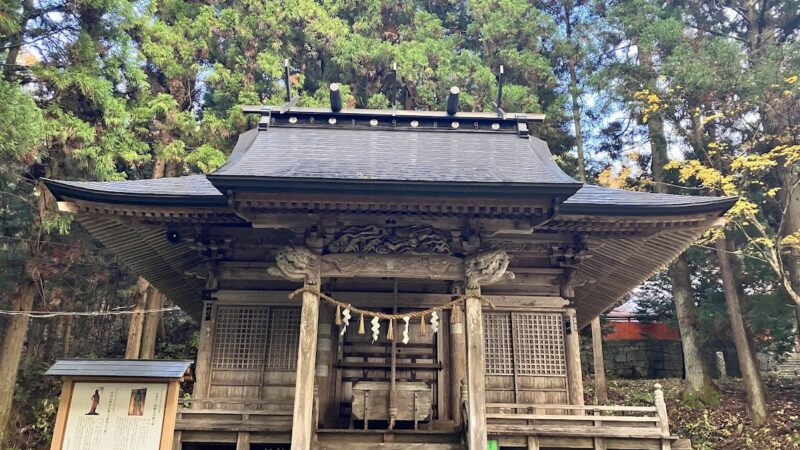
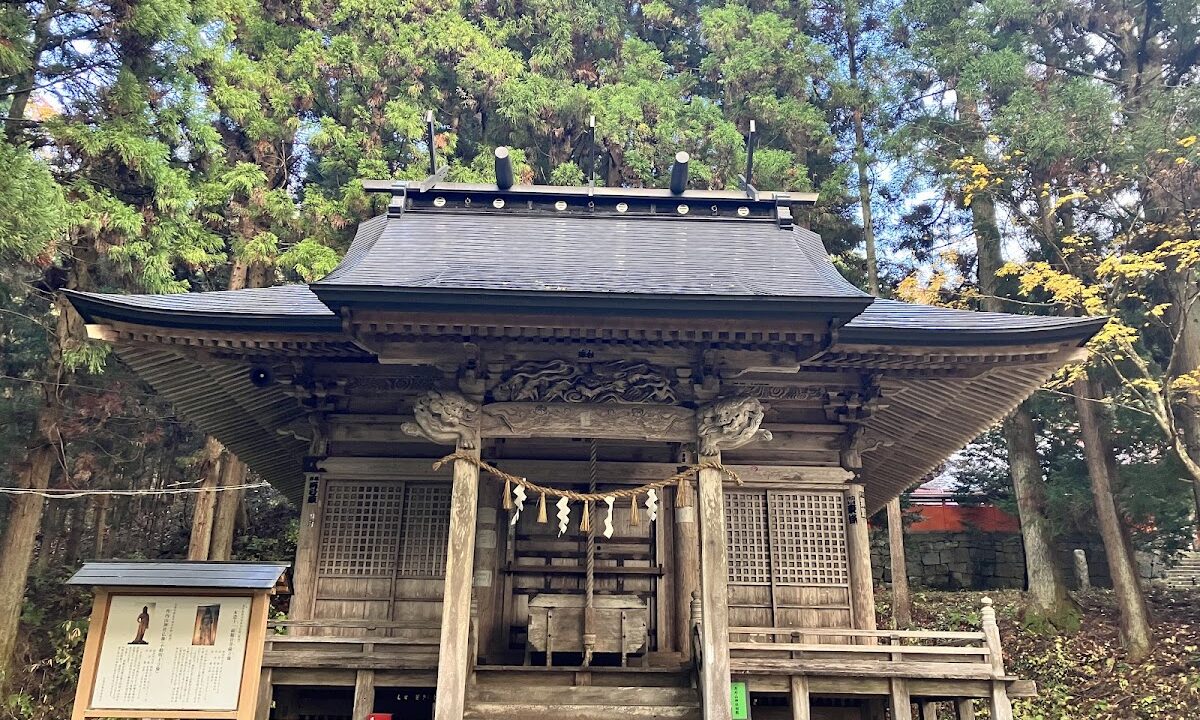
The current shrine building was rebuilt in 1810 (Bunka 7). This shrine features painted murals and wall carvings by the master craftsman Chiba Yaejiro, and is highly regarded as a representative example of late Edo period architecture in Iwate Prefecture.
Meiji Restoration and Separation of Shinto and Buddhism
Due to the Meiji Restoration’s decree separating Shinto and Buddhism, the temple previously known as “Daishoji” was converted into a shrine, becoming the current “Tannaiyama Shrine.” During this period, while syncretic Shinto-Buddhist sites were separated nationwide into either shrines or temples, Tannaiyama remained a shrine.
Since the Meiji era, it has been carefully preserved as a center of local faith and a facility for preserving valuable cultural assets.
Deities and Benefits
Main Deity: Tanichihiko-no-kami
The main deity of Tannaiyama Shrine is Tanichihiko-no-kami. This deity has been revered since ancient times as the guardian deity of the region. It is believed to be related to the place name “Taniuchi,” and is an object of worship rooted in the land.
Benefits
Tannaiyama Shrine is said to offer the following benefits:
- Good Fortune and Prosperity: Improvement of luck in all aspects of life
- Family Safety: Health and safety of family members
- Business Prosperity: Success and prosperity in business
- Protection from Evil: Protection from disasters
- Academic Success: Improvement of academic achievements
Due to the mystical atmosphere of the shrine grounds, it is also attracting attention as a power spot, and many worshippers visit seeking physical and mental refreshment and spiritual healing.
The Seven Mysteries of Tannaiyama Shrine
One of the great attractions of Tannaiyama Shrine is the legend of the “Seven Mysteries” passed down within the shrine grounds. These mysterious phenomena and legends further enhance the mystique of the shrine.
The Rock That Doesn’t Accumulate Snow
A certain rock within the shrine grounds exhibits the mysterious phenomenon of not accumulating snow even in winter. While the surrounding area is covered in snow, this rock is said to always be exposed, and it is revered as a sacred rock imbued with divine power.
While some theories attribute this phenomenon to a natural cause due to the rock’s location and shape, it has long been passed down as a mystical phenomenon.
Other Mysteries
Many of the details of the Seven Mysteries are passed down orally as local legends, and not all are clearly recorded. When visiting, you can gain a deeper understanding of the mysterious charm of Tannaiyama Shrine by speaking directly with the chief priest and local residents.
Highlights and Cultural Properties within the Shrine Grounds
The grounds of Tannaiyama Shrine contain numerous buildings and cultural properties of high historical and artistic value.
Main Hall (Iwate Prefecture Designated Tangible Cultural Property)
Rebuilt in 1810 (Bunka 7), the main hall is a valuable building that preserves the architectural style of the late Edo period. Designated as an Iwate Prefecture Tangible Cultural Property, its intricate decorations and structure showcase the pinnacle of the craftsmanship of the time.
The exterior of the shrine features a waist transom, a suzuna (a type of decorative panel), and side screens, creating an overall dignified atmosphere.
Zushi (Iwate Prefecture Designated Tangible Cultural Property)
The zushi (a type of Buddhist or Shinto ritual object) inside the main hall is also an Iwate Prefecture Designated Tangible Cultural Property. A zushi is a Buddhist or Shinto ritual object used to house deities or Buddhist statues, and it is exquisitely crafted and beautifully decorated.
Painted Wall Sculptures by Chiba Yaerō
The painted wall sculptures on the shrine walls are the work of the master craftsman Chiba Yaerō. Chiba Yaerō was a sculptor who was active in the late Edo period and left many works in temple and shrine architecture in the Tohoku region.
The sculptures at Tannaiyama Shrine depict animals, plants, and mythological motifs with exquisite detail, demonstrating the high level of artistic standards of the time. The colors remain vividly preserved, and it is astonishing how well-preserved these works are, considering they are over 200 years old.
Tannaiyama Shrine Sutra Mound
Within the shrine grounds lies a historical site called a sutra mound (kyozuka). A sutra mound is a mound where Buddhist scriptures were buried underground, and they were frequently constructed from the Heian period to the Kamakura period.
The Tannaiyama Shrine sutra mound is considered an important historical site for understanding the state of religious belief in the medieval period and is preserved as a cultural property of Iwate Prefecture. From the sutra mound, one can sense the faith of the people of that time who sought to pass on Buddhist teachings to future generations under the belief of the Latter Day of the Law.
Nature within the Shrine Grounds
The grounds of Tannaiyama Shrine are surrounded by abundant nature. Ancient and giant trees stand tall, allowing visitors to enjoy the beautiful scenery of each season. The fresh greenery of spring and the vibrant autumn foliage are particularly magnificent, attracting many worshippers.
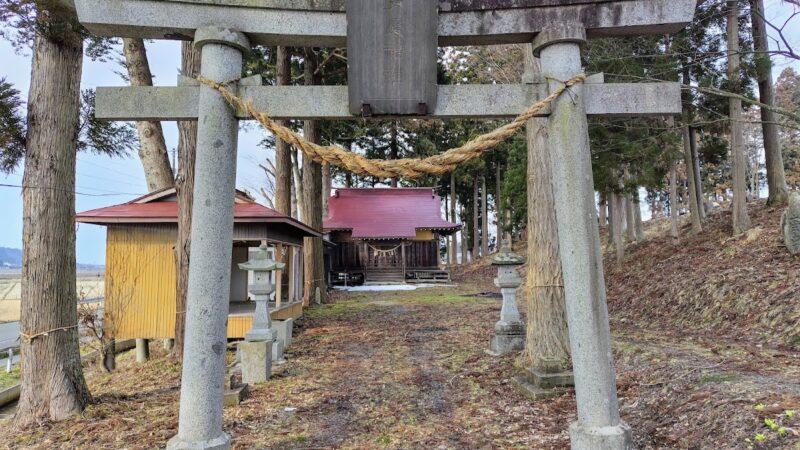
The shrine buildings, nestled in a tranquil forest, exude a solemn atmosphere befitting a sacred place.
Information on Goshuin (Shrine Seals) and Goshuincho (Shrine Seal Books)
About Goshuin
Goshuin (shrine seals) are available at Tannaiyama Shrine. Goshuin are popular as proof of worship and as souvenirs of travel.
We recommend contacting the shrine in advance when requesting a goshuin. Since the chief priest may be absent, if you want to be sure to receive a goshuin, it’s best to contact the inquiry number (0198-44-2623) before visiting.
Goshuincho (Shrine Seal Books)
We recommend checking with Tannaiyama Shrine upon arrival regarding the availability of their original goshuincho. Many people visit Tannaiyama Shrine as part of a goshuin pilgrimage visiting shrines throughout Iwate Prefecture.
Etiquette for Visiting the Shrine
When receiving a Goshuin (shrine stamp), please observe the following etiquette:
- Complete your prayers first before receiving the Goshuin.
- Prepare your Goshuincho (stamp book) (pre-printed stamps may be available).
- Prepare the offering fee (generally 300-500 yen).
- Request the stamp using polite language.
- Respect the priest’s schedule.
Access Information
Access by Train and Bus
Nearest Station: JR Kamaishi Line “Haruyama Station”
From Haruyama Station, it’s approximately a 15-minute bus ride or a 40-minute walk. Since bus service is limited, it’s recommended to check the timetable in advance.
If using a taxi, it takes approximately 10 minutes from Haruyama Station.
Access by Car
From Tohoku Expressway “Hanamaki IC”:
- Approximately 40 minutes via National Route 283
From Kamaishi Expressway “Towa IC”:
- Approximately 15 minutes (most convenient route)
Access by car is the most convenient. There is ample parking on the temple grounds, so you can visit with peace of mind.
Navigation Settings
- Address: 220, Taniuchi 2-ku, Towa-cho, Hanamaki City, Iwate Prefecture
- Phone Number: 0198-44-2623 (For Navigation Search)
Nearby Tourist Attractions
When visiting Tannaiyama Shrine, we recommend also visiting the tourist attractions around Hanamaki City:
- Miyazawa Kenji Memorial Museum: Experience the world of Miyazawa Kenji, the poet and children’s author born in Hanamaki City
- Hanamaki Onsenkyo: Relax in a variety of hot spring facilities
- Narushima Washi Craft Museum: Observe and experience traditional washi paper making
- Michi-no-Eki Towa: Enjoy local specialties and gourmet food
Best Season for Visiting
Spring (April-June)
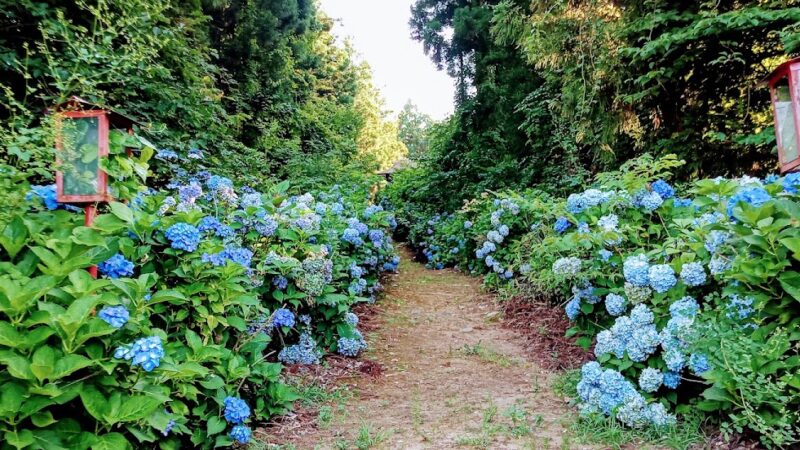
This is a beautiful season with fresh greenery, and the trees on the shrine grounds are dyed in vibrant green. The weather is mild and suitable for visiting.
Summer (July-August)
The temple grounds, enveloped in lush greenery, offer a cool and refreshing atmosphere, making it ideal for escaping the summer heat. However, it’s advisable to take precautions against insects.
Autumn (September-November)
The autumn foliage season is particularly beautiful, attracting many visitors. The best time to visit is from mid-October to early November.
Winter (December-March)
The shrine buildings amidst the snowy landscape are enchanting. This is also the season to witness the wonder of the “rocks that don’t accumulate snow.” However, caution is advised regarding snow and icy roads.
Points to Note When Visiting
Attire
- Wear comfortable shoes (the shrine grounds utilize the natural terrain).
- Dress appropriately for the season.
- Take sufficient precautions against the cold in winter.
Items to Bring
- Camera (for photographing cultural properties and nature)
- Goshuincho (stamp book) (if you wish to receive a Goshuin stamp)
- Insect repellent (in summer)
- Drinks (especially in summer)
Manners
- Worship quietly within the shrine grounds.
- Do not touch cultural properties.
- Always take your trash with you.
- Refrain from taking photos in areas where photography is prohibited.
Summary of the Charms of Tannaiyama Shrine
Tannaiyama Shrine is a shrine with many charms, including a long history dating back to the Heian period, valuable cultural properties, and the mystical legend of the seven wonders. It also has deep connections to historical figures such as Sakanoue no Tamuramaro and Fujiwara no Kiyohira, making it an important place for understanding the history of the Tohoku region.
The painted wall carvings by master craftsman Chiba Yaejiro are of high artistic value, representing the pinnacle of late Edo period craftsmanship. Furthermore, the main hall and shrine, designated as tangible cultural properties of Iwate Prefecture, are in excellent condition, allowing visitors to learn about the architectural style of the time.
The legends of the seven mysteries, including the “rock where snow never accumulates,” add a mystical atmosphere to the shrine, enhancing its appeal as a power spot. The grounds, surrounded by abundant nature, showcase beauty in every season, offering visitors healing and peace.
Located in a somewhat secluded area of Towa-cho, Hanamaki City, this secluded location preserves a tranquil atmosphere and allows one to feel the weight of faith passed down through generations. This shrine is recommended for a wide range of people, from history buffs and cultural property enthusiasts to power spot visitors and those seeking inner peace.
When you visit Iwate Prefecture, be sure to stop by Tannaiyama Shrine. The time spent quietly praying in the grounds steeped in over a thousand years of history will surely be a special experience.