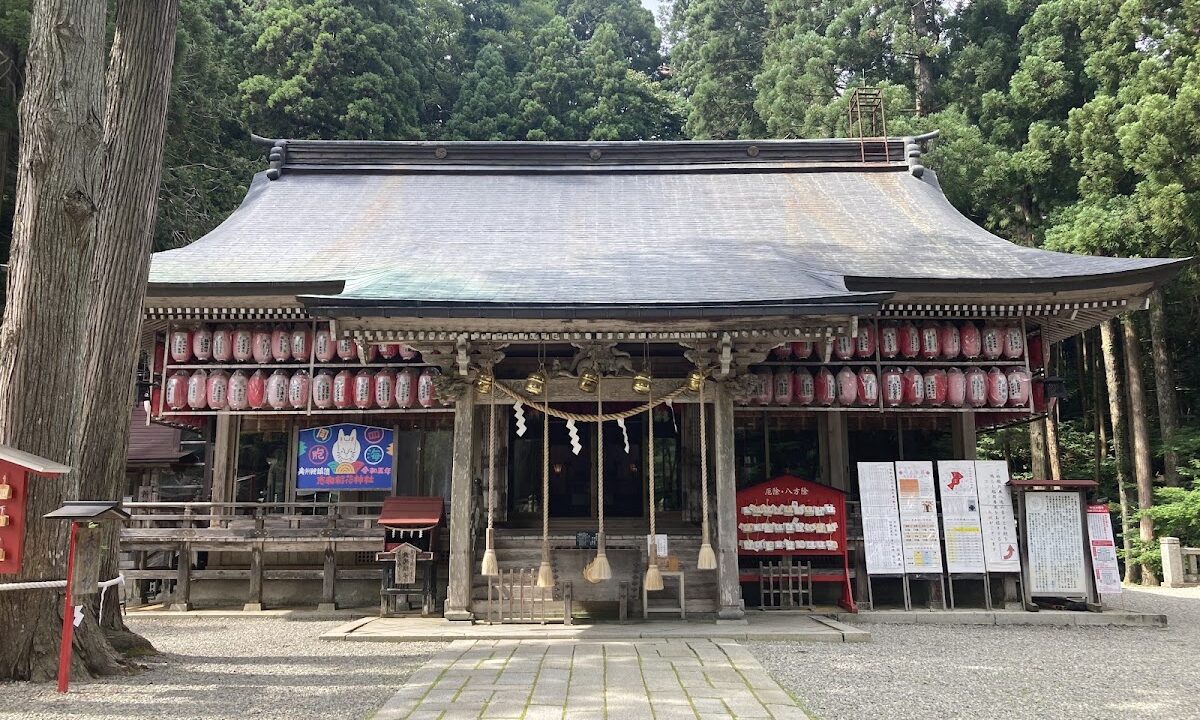
Complete Guide to Uchimuro Inari Shrine (Iwate Prefecture): History, Benefits, Access, and Visiting Information
Uchimuro Inari Shrine, located in Iwate Prefecture, is a shrine of Inari worship that has been cherished by the local people for centuries. This article provides detailed information you should know before visiting Uchimuro Inari Shrine, including its history, benefits, how to worship, and access information.
What is Uchimuro Inari Shrine?
Uchimuro Inari Shrine is an Inari shrine located in Iwate Prefecture. It has a long history as a center of local faith, where people pray for abundant harvests and business prosperity. There are said to be approximately 30,000 Inari shrines throughout Japan, with Fushimi Inari Taisha in Kyoto being the head shrine, but each Inari shrine in different regions has cultivated its own unique history and beliefs.
Basic Knowledge of Inari Worship
Inari shrines enshrine Ukanomitama-no-kami as their main deity and are known for their blessings of abundant harvests, business prosperity, and family safety. The name “Inari” is said to originate from “Inari” (rice harvest), strongly reflecting its character as an agricultural deity. The enshrinement of foxes as divine messengers is also a characteristic of Inari shrines.
History and Origins of Uchimuro Inari Shrine
Founding History
Based on local oral traditions and records, the founding date of Uchimuro Inari Shrine is believed to date back to the Edo period. At that time, the Iwate region was under the rule of the Nanbu clan, and agriculture was a thriving industry. It is presumed that the Inari shrine was built as a gathering place for farmers praying for a bountiful harvest.
Connections to the Community
Uchimuro Inari Shrine has functioned as a spiritual pillar of the local community. Through seasonal festivals such as the spring harvest prayer festival and the autumn harvest thanksgiving festival, the shrine has historically served as a place to deepen the bonds among local residents.
Changes Since the Modern Era
Amidst changes in Japan’s religious policy, including the Meiji-era separation of Shinto and Buddhism and the post-war incorporation of religious organizations, Uchimuro Inari Shrine has also experienced various changes. However, it has been protected by the deep faith of the local people and has been carefully maintained to this day.
Deities and Blessings
Main Deity
The main deity of Uchimuro Inari Shrine is Ukanomitama-no-kami, the common deity of Inari shrines. This deity is known as the god of food and grains, appearing in the Kojiki and Nihon Shoki.
Expected Benefits
By visiting Uchimuro Inari Shrine, you can expect the following benefits:
- Abundant Harvest: Success in agriculture, abundant harvests
- Business Prosperity: Success in business, business development
- Family Safety: Health and peace of the family
- Good Fortune: Improved luck, attracting good fortune
- Industrial Development: Prosperity of local industries
Foxes and Inari Faith
Inari shrines often have statues of foxes, the messengers of the gods. Foxes are considered messengers of Inari, and because they exterminate mice that damage crops, they have been revered as guardians of abundant harvests. You may also be able to see fox statues at Uchimuro Inari Shrine.
Highlights of the Shrine Grounds
Main Hall and Worship Hall
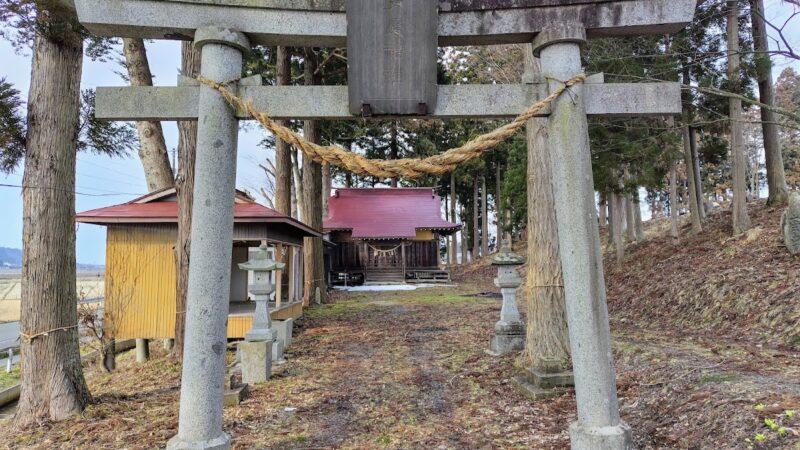
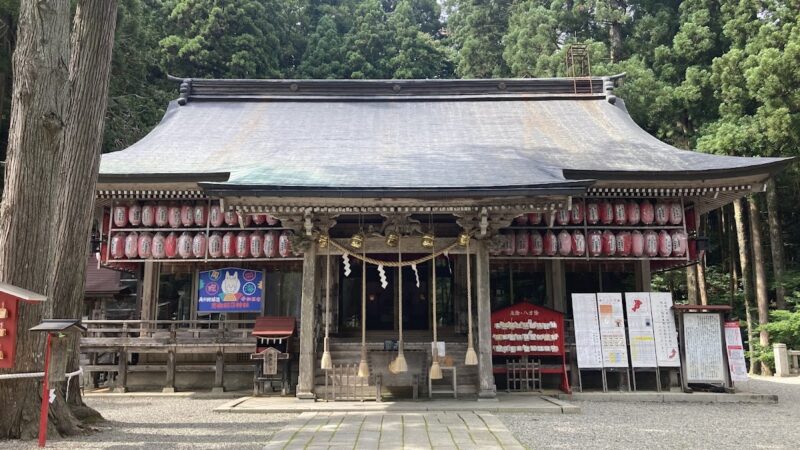
The main hall of Uchimuro Inari Shrine is built in the style of traditional shrine architecture and is the center of local faith. In the worship hall, worshippers can offer prayers to the gods. ### Torii Gate
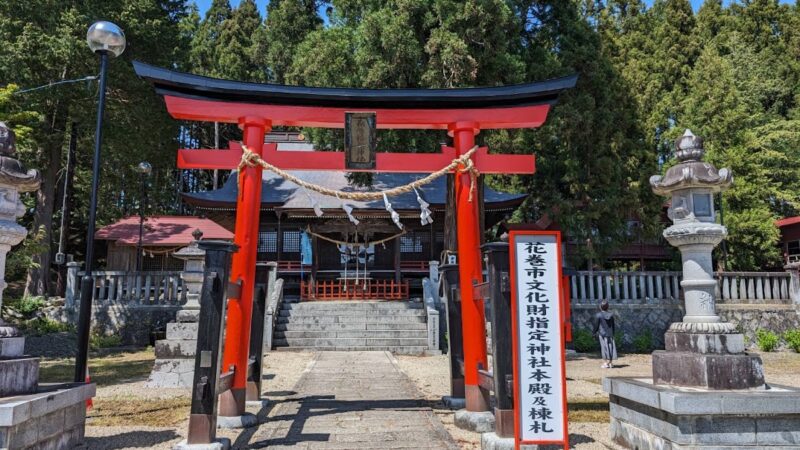
The vermilion torii gate, a symbol of Inari shrines, marks the entrance to the sacred area. Passing through the torii gate signifies a transition from the everyday world to a sacred space.
Subsidiary Shrines
Sometimes, small shrines dedicated to deities other than the main deity are located within the shrine grounds. These are valuable reflections of local beliefs and history.
Natural Environment
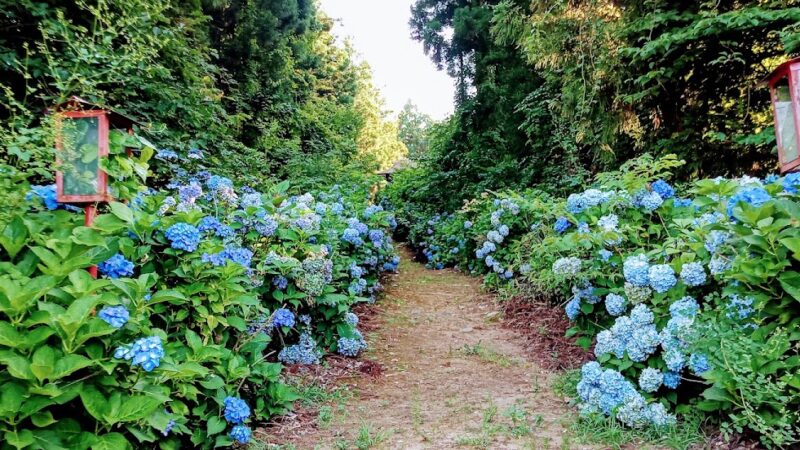
Nearby the rich natural beauty of Iwate Prefecture, Uchimuro Inari Shrine offers a chance to experience the beauty of nature throughout the seasons. Especially during the fresh greenery of spring and the vibrant autumn foliage, visitors can enjoy nature walks in conjunction with their shrine visit.
How to Visit and Etiquette
Basic Etiquette for Visiting a Shrine
There are certain manners to observe when visiting a shrine:
- Bow before passing through the torii gate: This shows respect before entering the sacred area.
- Walk along the edge of the path: The center is considered the path of the gods.
- Purify yourself at the water basin:
- Hold the ladle in your right hand and purify your left hand.
- Switch the ladle to your left hand and purify your right hand.
- Switch the ladle back to your right hand, receive water in your left hand, and rinse your mouth.
- Finally, hold the ladle upright to purify the handle.
- Worship at the main hall:
- Place your offering.
- Ring the bell (if present).
- Bow twice, clap twice, and bow once.
- Bow when leaving: Turn around and bow once before leaving the torii gate.
Attire for Visiting a Shrine
There are no specific dress code requirements, but clean and modest attire that reflects the sacred nature of the place is desirable.
Regarding Photography
Photography is generally permitted within the shrine grounds, but it may be prohibited inside the main hall or in certain sacred areas. Please follow the signs and be considerate of other visitors.
Information on Goshuin (Shrine Seals) and Amulets
Regarding Goshuin (Shrine Seals)
Goshuin are given as proof of visiting the shrine. The availability of Goshuin at Uchimuro Inari Shrine may vary depending on the shrine office’s opening hours and whether staff are permanently stationed there. We recommend checking in advance.
Amulets and Offerings
At Inari shrines, the following offerings are common:
- Amulet for Business Prosperity: For business owners
- Amulet for Abundant Harvest: For those involved in agriculture
- Amulet for Family Safety: For praying for the safety of family members
- Amulet for Good Fortune and Prosperity: For general improvement of luck
Annual Events and Festivals
Main Festivals
At Uchimura Inari Shrine, the following annual events may be held:
- Hatsuumasai (February): The most important festival at Inari shrines
- Spring Grand Festival: Praying for a bountiful harvest
- Autumn Grand Festival: Giving thanks for the harvest
- Hatsumode (January 1st-3rd): New Year’s visit
About Hatsuuma
Hatsuuma is an important festival at Inari shrines, held on the first Day of the Horse in February. This day is considered the day Inari-sama descended, and the shrine is bustling with many worshippers.
Access Information
Location
For the exact location of Uchimuro Inari Shrine, you need to check the specific city or town within Iwate Prefecture. Please check the latest information before visiting.
Access by Public Transportation
Access to shrines in Iwate Prefecture varies by region:
- Train: Take a bus or taxi from the nearest station
- Bus: Check the bus schedule in advance
- Taxi: Convenient to use from the nearest station
Access by Car
- Use the Tohoku Expressway and take local roads from the nearest interchange
- Enter the shrine name or address into your car navigation system
- Check for parking availability in advance
Parking Information
Many local shrines have parking spaces on the grounds or nearby, but the number of spaces may be limited. Due to expected congestion during festivals, early arrival is recommended.
Best Time and Season for Visiting
Seasonal Attractions
- Spring (March-May): Beautiful fresh greenery and mild climate
- Summer (June-August): Lush green grounds, possibility of summer festivals
- Autumn (September-November): Beautiful autumn foliage and harvest festival season
- Winter (December-February): Serene atmosphere amidst snowy landscapes, Hatsuumasai festival
Visiting Hours
While visiting the shrine itself is generally possible at any time during the day, the issuance of Goshuin (shrine stamps) and amulets at the shrine office is limited to opening hours. Generally, this is from 9:00 AM to around 4:00 PM.
Nearby Tourist Attractions
Main Tourist Destinations in Iwate Prefecture
In addition to visiting Naishitsu Inari Shrine, you can enjoy sightseeing in Iwate Prefecture:
- Hiraizumi World Heritage Site: Chusonji Golden Hall, Motsuji Temple, etc.
- Morioka City: Morioka Castle Ruins Park, Morioka Hachimangu Shrine
- Tono Region: Known as the land of folk tales
- Sanriku Coast: Beautiful coastline and seafood
- Hachimantai: A highland resort rich in nature
Local Specialties and Gourmet Food
Iwate Prefecture is a region with a rich food culture:
- Wanko Soba: A Morioka specialty
- Maesawa Beef: High-grade brand beef
- Nanbu Senbei: Traditional confectionery
- Sanriku Seafood: Fresh seafood
Precautions When Visiting
Weather Preparations
Iwate Prefecture is a region that experiences snowfall in winter. For winter visits, warm clothing and non-slip shoes are essential.
Insect Repellent
For summer visits, due to the rich natural environment, carrying insect repellent spray is recommended.
Emergency Contact Information
If you experience any health problems during your visit, you will need to contact the nearest medical facility, police, or fire department. Please check your mobile phone’s signal strength.
The Charm of Uchimuro Inari Shrine
A Faith Rooted in the Community
The greatest charm of Uchimuro Inari Shrine is that it is a place of worship deeply connected to the local community. Unlike large-scale tourist shrines, it has a simple and warm atmosphere.
A Tranquil Worship Environment
Another charm is the opportunity to worship peacefully in an environment away from the hustle and bustle of urban areas. It is a place where you can find inner peace while listening to the sounds of nature.
History and Culture of Iwate
By visiting Uchimuro Inari Shrine, you can experience the history, culture, and faith of the people of Iwate Prefecture. Participating in local festivals and events will lead to a deeper understanding.
The Modern Significance of Inari Worship
From Agriculture to Commerce
Originally revered as an agricultural deity, Inari’s role as a god of business prosperity has become increasingly emphasized over time. Today, people pray to Inari for the development of all industries.
Maintaining Community
In rural areas experiencing depopulation, shrines play a crucial role in maintaining local communities. Intergenerational exchanges are fostered through festivals and rituals.
Role as a Spiritual Pillar
Even in today’s materially affluent society, shrines remain important for people seeking spiritual peace and a sense of belonging.
Mindset for Worship
Gratitude
The foundation of shrine worship is gratitude for daily blessings. It’s important not only to make wishes but also to be grateful for what you have.
Humility
A humble attitude is required before the gods. Refrain from arrogant attitudes and disrespectful behavior.
Continuous Faith
It is believed that visiting repeatedly whenever possible, rather than ending with a single visit, and continuously deepening one’s connection with the deity, will lead to greater blessings.
Summary
Uchimuro Inari Shrine, a historic Inari shrine located in Iwate Prefecture, has attracted the faith of local people. Many worshippers visit seeking blessings for abundant harvests, business prosperity, and family safety.
Unlike large-scale shrines in urban areas, Uchimuro Inari Shrine possesses a simple charm rooted in the local community. When visiting Iwate Prefecture, why not pay a visit? You will surely find peace of mind in a tranquil environment surrounded by abundant nature.
When visiting, it is important to observe basic etiquette and manners, and to face the deity with gratitude. Furthermore, enjoying nearby tourist spots and Iwate Prefecture’s food culture will make your trip even more fulfilling.
We hope that Uchimuro Inari Shrine will become a spiritual haven for everyone and a source of support in various aspects of life.