Complete Guide to Itachibei Inari Shrine (Hanamaki City, Iwate Prefecture) | The History of the Three Inari Shrines of the Nanbu Domain and its Charm as a Cat Shrine
Itachibei Inari Shrine, located in Hanamaki City, Iwate Prefecture, is a venerable shrine that has long been revered as one of the three Inari shrines of the Nanbu Domain. In recent years, it has also become known as a “cat shrine,” attracting cat lovers from all over Japan. This article comprehensively introduces information you should know before visiting Itachibei Inari Shrine, including its history, enshrined deities, access methods, goshuin (shrine stamp) information, and the charm of the shrine’s cats.
The History and Prestige of Itachibei Inari Shrine
Status as one of the Three Inari Shrines of the Nanbu Domain
Itachibei Inari Shrine is a historical shrine founded in Tenna 1 (1681, 2339 in the Japanese calendar). During the reign of Tokugawa Tsunayoshi, the fifth shogun, Shigenobu, the 29th lord of the Nanbu domain, donated the land of Itachihino (the current location) as a shrine site based on a divine oracle, and the shrine was established there.
As one of the three Inari shrines of the Nanbu domain, it was positioned as the “guardian deity of the south,” and successive lords prayed there for the peace and safety of their people, abundant harvests, and the fulfillment of their wishes. This high status speaks to the importance of the shrine.
Granting of the First Rank
The most important historical fact demonstrating the status of Itachihino Inari Shrine is that it was granted the First Rank by Emperor Nakamikado, the 114th emperor, on June 9, 1725 (Kyoho 10). The First Rank is the highest rank in the divine hierarchy, and this grant proves that the shrine is a historically significant shrine recognized by the imperial court.
Origin of the Place Name Itachibei
The unique place name and shrine name “Itachibei” originates from the old name of this region, “Itachibei-no.” It may have been named due to the relationship between the animal weasel and Inari worship, or perhaps due to the topographical features. However, there are various theories about its detailed origin, creating a mysterious atmosphere.
Deities and Divine Virtues
Main Deities
The following two deities are enshrined at Itachibei Inari Shrine:
Ukanomitama-no-Mikoto
A widely known deity of grain and food, and the main deity of Inari shrines. He is believed to bestow blessings of abundant harvests, business prosperity, and industrial development.
Toyouke-hime-no-Mikoto
A goddess who presides over food and grains, and is also the enshrined deity of the Outer Shrine of Ise Grand Shrine. As the guardian deity of clothing, food, and shelter, it is believed to bring peace and tranquility to all aspects of life.
Divine Virtues and Faith
The following divine virtues are believed to be associated with Itachihei Inari Shrine:
- Abundant Harvest and Business Prosperity: The basic divine virtue of Inari shrines
- Fulfillment of All Wishes: The fulfillment of various wishes
- Family Safety and Protection from Evil: The safety of the family and protection from disaster
- Prayer for Pet Health: Many worshippers pray especially for the health of their cats
- Good Fortune and Prosperity: Improved luck and the inviting of good fortune
Highlights of the Shrine Grounds
Vermilion Torii Gate and Approach
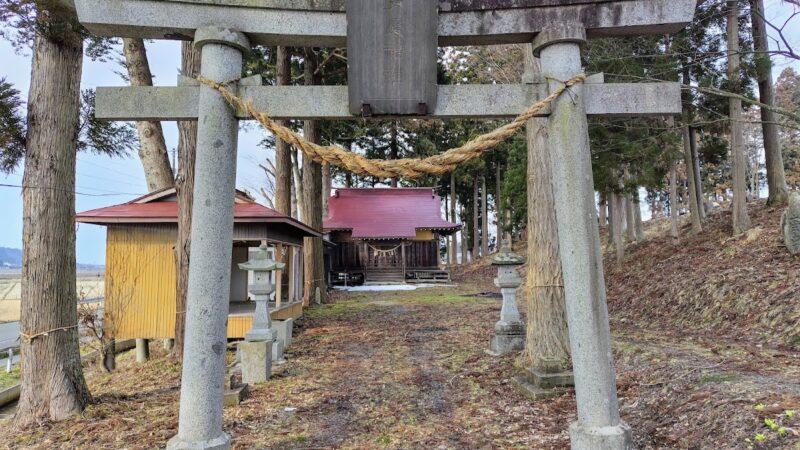
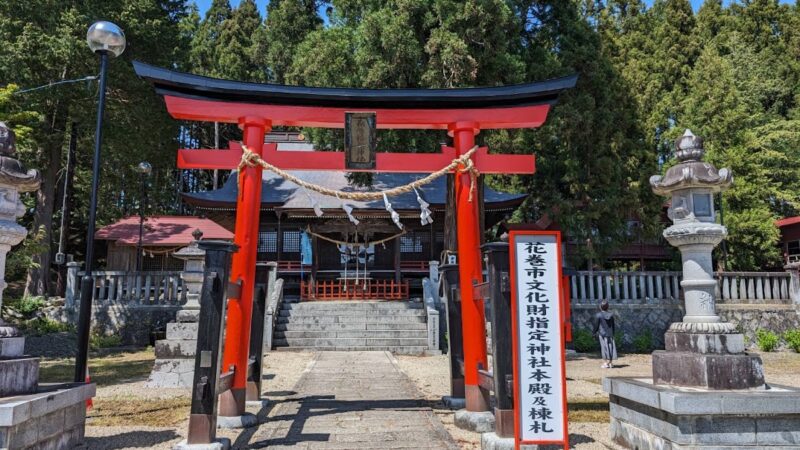
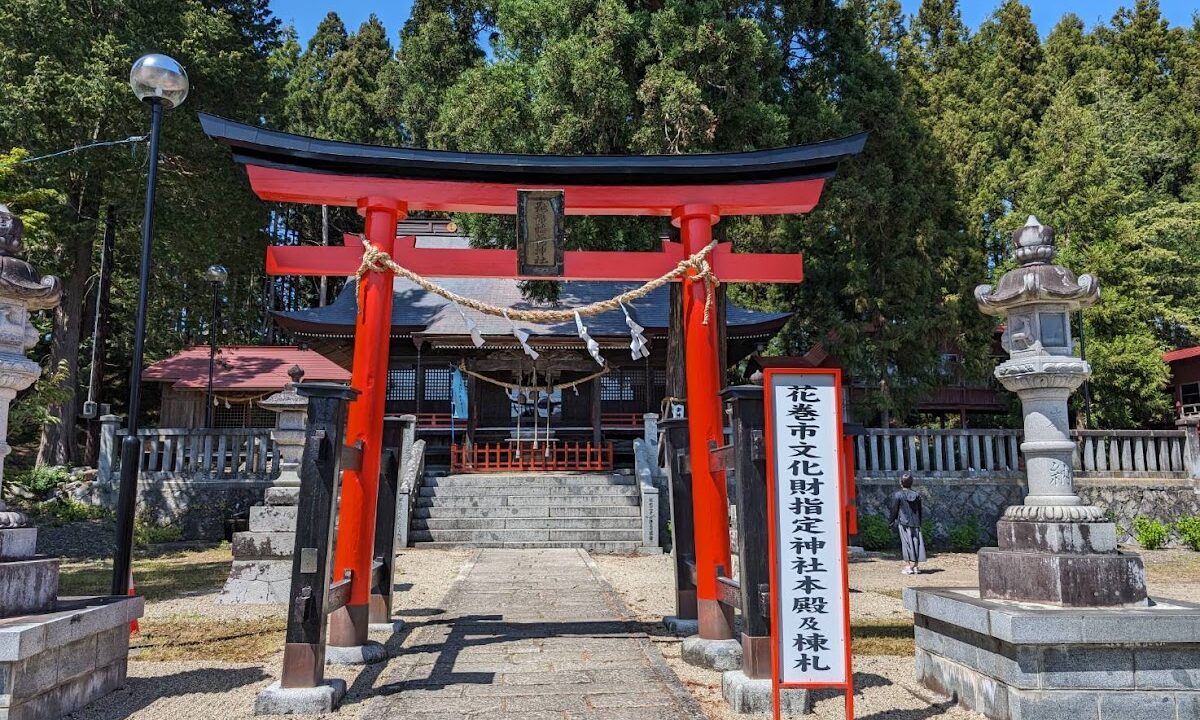
At the entrance to Itachihei Inari Shrine is a stone torii gate, and beyond that stands another magnificent vermilion torii gate. These vermilion torii gates, characteristic of Inari shrines, welcome worshippers as the entrance to the sacred area.
Between the two torii gates, on the left, is a purification fountain where you can cleanse your body and mind before praying.
Worship Hall and Main Shrine
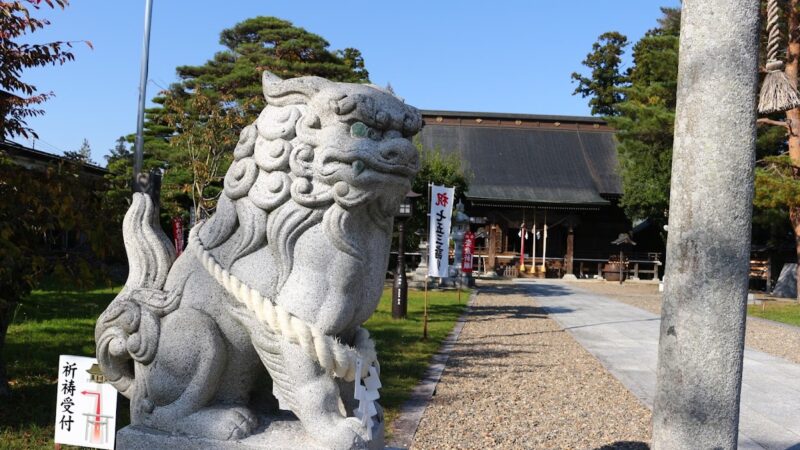
After passing through the vermilion torii gate and proceeding straight along the path, you will find stairs leading up to the worship hall. The worship hall is built in a traditional shrine architectural style, creating a solemn atmosphere.
Behind the worship hall is the main shrine, where the enshrined deity is worshipped. Worshippers pray here using the two bows, two claps, and one bow ritual.
Sacred Tree Over 800 Years Old
Particularly noteworthy within the shrine grounds is the gigantic sacred tree towering to the right of the worship hall. Said to be over 800 years old, this sacred tree is a living witness to the shrine’s long history, and its presence is overwhelming.
Many worshippers clasp their hands together in front of the sacred tree, a power spot where they can feel the strength and sacredness of this ancient tree. Many people pray for good health, longevity, and improved vitality, drawing inspiration from the life force of the trees.
Itachihei Inari Shrine as a Cat Shrine
The Presence of “Shiru,” the Shrine Cat
The biggest reason why Itachihei Inari Shrine has become known nationwide as a “cat shrine” in recent years is the presence of the shrine cat that lives on the grounds. “Shiru,” the second-generation shrine cat, is a popular figure who gently welcomes visitors and watches over the shrine grounds.
According to the shrine’s priest, Michimasa Furukawa, cat lovers from all over the country visit to meet Shiru. It has become a popular spot for cat lovers and is trending on social media.
Prayers for Cat Health
Itachihei Inari Shrine accepts prayers for the health of pets, including cats. Many cat owners visit to pray for the longevity and health of their beloved felines, and the shrine is especially bustling with cat lovers on February 22nd, “Cat Day.”
This shrine embodies a new form of faith, reflecting the modern value of pets as family members and offering sincere prayers for the health of animals.
Cat-themed offerings
The shrine office offers a variety of cat-themed offerings. Cat charms and votive tablets are among the items that cat lovers will appreciate, making them popular as souvenirs of visits or as amulets for beloved cats.
Goshuin (shrine stamp) and Goshuincho (stamp book) information
About Goshuin
At Itachihei Inari Shrine, you can receive a goshuin as proof of your visit. The goshuin features the shrine’s name and the date of visit written in ink, and stamped with a red seal.
For those collecting goshuin, this shrine, one of the three Inari shrines of the Nanbu domain, is an essential stop on a shrine pilgrimage in Iwate Prefecture.
Goshuin reception hours
Goshuin are available at the shrine office. Reception hours are within the visiting hours, but since priests may not always be present, it is recommended to call ahead to confirm if you wish to receive a Goshuin (temple/shrine stamp).
Phone number: 0198-22-2910
Original Goshuincho (Stamp Book)
Itachihei Inari Shrine also offers original Goshuincho. The cat-designed Goshuincho is popular as a first stamp book for cat lovers and as a commemorative item.
Access and Basic Information
Location
336 Ishigami-cho, Hanamaki City, Iwate Prefecture 025-0095
Access by Train
Nearest Station: JR Tohoku Main Line/Kamaishi Line “Hanamaki Station”
It is approximately a 21-minute walk (about 1.7 km) from Hanamaki Station. The route from the station is relatively flat, making it a pleasant stroll.
Hanamaki Station is not a stop on the Tohoku Shinkansen line, but if you are using the Shinkansen, it is convenient to get off at “Shin-Hanamaki Station” and transfer to a local train to Hanamaki Station.
Access by Car
Approximately 10 minutes from the Tohoku Expressway “Hanamaki IC”
Access by car is the most convenient. There is a parking lot for visitors on the temple grounds, which is free of charge. However, there are no restrooms on the temple grounds, so it is recommended to use the facilities beforehand.
There is a convenience store within a 2km radius, so you can stop by if needed.
Access by Bus
It is also possible to take a local bus from Hanamaki Station, but the number of buses is limited, so it is recommended to check the timetable in advance. The nearest bus stop is a few minutes’ walk away.
Visiting Hours
While you can generally visit the temple grounds freely, if you wish to receive a Goshuin (temple stamp) or pick up any other items at the temple office, it is recommended to visit during daytime hours.
Parking and Facilities Information
- Parking: Available (Free)
- Restrooms: None on the shrine grounds (Use nearby facilities)
- Accessibility: Due to stairs, wheelchair access may be partially difficult.
Nearby Tourist Attractions
Hanamaki Onsenkyo (Hanamaki Hot Spring Village)
Hanamaki Onsenkyo is located about 15 minutes by car from Itachihei Inari Shrine. You can relax and soothe your fatigue in the hot springs after your visit. Several hot spring areas are scattered throughout the area, including Hanamaki Onsen, Dai Onsen, and Namari Onsen.
Miyazawa Kenji Memorial Museum
Hanamaki City is known as the hometown of children’s author Miyazawa Kenji. Visiting facilities associated with Kenji, such as the Miyazawa Kenji Memorial Museum and Miyazawa Kenji Fairy Tale Village, allows you to experience Hanamaki’s culture.
Hanamaki City Center
The area around Hanamaki Station is lined with shopping streets and restaurants, where you can enjoy local cuisine. In particular, Hanamaki’s specialty, Wanko Soba, and dishes made with local ingredients are must-try.
Manners and Precautions for Visiting a Shrine
Basic Worship Etiquette
- Bow before passing through the torii gate: This is a courtesy before entering the sacred area.
- Purify yourself at the water basin: Purify your left hand, right hand, and mouth in that order.
- Walk along the edge of the path: The center is considered the path of the gods.
- Two bows, two claps, one bow: This is the basic etiquette in front of the main hall.
Consideration for Shrine Cats
For cat lovers, interacting with the shrine cats is one of the joys, but please be mindful of the following points:
- Do not force contact if the cats seem uncomfortable.
- Avoid making loud noises.
- Do not feed them without permission.
- Refrain from using flash photography.
- Do not disturb the cats’ rest.
Regarding Photography
Photography is generally permitted on the shrine grounds, but please observe the following manners.
- Please refrain from taking photos inside the main shrine.
- Please be considerate of other worshippers.
- Please check in advance before using a tripod.
- Please be mindful of location information when posting on social media.
Annual Events and Festivals
Grand Festival
At Itachihei Inari Shrine, various festivals are held throughout the year. The Grand Festival, in particular, is the most important festival of the shrine, attracting many parishioners and worshippers.
New Year’s Visit
The shrine is bustling with worshippers for the New Year’s visit. Many people, including locals, visit to pray for safety and prosperity throughout the year.
Cat Day (February 22nd)
In recent years, February 22nd, “Cat Day,” has seen a special turnout of cat lovers from all over Japan. Many worshippers visit to pray for the health of their cats and to interact with the shrine’s cats.
A Summary of the Charms of Itachihei Inari Shrine
Itachihei Inari Shrine is a unique shrine that combines the dignified history of one of the three Inari shrines of the Nanbu Domain with the approachable charm of a modern “cat shrine.”
With its history of being granted the highest rank, a sacred tree over 800 years old, and the adorable shrine cat “Shiru,” the shrine grounds harmonize tradition and modernity, offering a heartwarming pilgrimage experience while feeling the weight of history.
In addition to traditional divine blessings such as abundant harvests and business prosperity, Itachihei Inari Shrine also caters to modern needs such as prayers for pet health, making it a must-visit shrine when visiting Hanamaki City, Iwate Prefecture.
Visiting it in conjunction with the Hanamaki Onsenkyo hot spring resort and places associated with Kenji Miyazawa will allow you to enjoy a fulfilling Hanamaki sightseeing experience. This charming shrine is recommended for everyone, including those who collect Goshuin (shrine stamps), cat lovers, and those who want to visit historical shrines in Iwate.
Checkpoints Before Visiting
When planning your visit, it’s a good idea to check the following points beforehand.
- If you need a Goshuin (temple/shrine stamp): Confirm the presence of a Shinto priest by phone in advance (0198-22-2910)
- If visiting by car: Parking is free; restrooms are available in nearby facilities.
- Special days such as Cat Day: Crowds are expected, so please allow ample time for your visit.
- Photography: Please observe proper etiquette and be considerate of other visitors and cats.
- Seasonal attire: Iwate Prefecture experiences snowfall in winter, so please prepare appropriate clothing for the season.
For the latest information and details, we recommend checking official sources or contacting the shrine directly. With a heartfelt visit, receive the divine blessings of Itachihei Inari Shrine.