Complete Guide to Yokoyama Hachimangu Shrine (Iwate Prefecture) | History, Goshuin (Shrine Seal), and Access Information
Yokoyama Hachimangu Shrine, located in Miyako City, Iwate Prefecture, is an ancient shrine boasting a history of over 1300 years. Revered by the local people as the guardian shrine of Miyako-Hei District, it is also known as the birthplace of the place name “Miyako.” This article provides a detailed introduction to Yokoyama Hachimangu Shrine, including its history, highlights within the grounds, goshuin information, and access methods.
Basic Information on Yokoyama Hachimangu Shrine
Yokoyama Hachimangu Shrine is a shrine located in Miyacho, Miyako City, Iwate Prefecture, and its former shrine rank was Gosha (village shrine). Along with Morioka Hachimangu Shrine, it is known as one of the representative Hachimangu shrines of the former Morioka Domain.
Location: 2-5-1 Miyacho, Miyako City, Iwate Prefecture 027-0052 (or sometimes listed as 2-6-17)
Shrine Rank: Former Village Shrine
Main Deity: Emperor Ōjin (Homudawake no Mikoto)
Reception Hours: 9:00 AM – 5:00 PM
The shrine is situated on a mountain called Yokoyama, located on the banks of the Hei River, and is close to the city center of Miyako. It has a fine shrine office with resident priests who provide courteous service to visitors.
History and Origins of Yokoyama Hachimangu Shrine
Founding and Ancient History
According to shrine tradition, Yokoyama Hachimangu Shrine was founded in the 9th year of the Hakuhō era (680 AD). It is believed to have been founded during the reign of Emperor Tenmu, making it one of the oldest shrines in the Tohoku region.
Interestingly, there is a legend concerning the origin of Yokoyama. According to shrine tradition, Yokoyama is said to be a mountain that was carried down by a flood from the upper reaches of the Hei River. This mysterious origin speaks to the ancient people’s appreciation of the mystical nature of natural phenomena.
The Legend of Sarumaru Tayu and the Wado Era
During the Wado era (708-715), there is a legend concerning Sarumaru Tayu, a well-known poet. It is said that Sarumaru Tayu incurred the emperor’s displeasure and was exiled to this area.
After his exile, Sarumaru Tayu became the shrine guardian (Shinto priest) of Yokoyama Hachimangu Shrine and composed poetry here. The existence of Sarumaru Tayu, one of the Thirty-Six Immortal Poets, is an important element that enhances the cultural value of Yokoyama Hachimangu Shrine.
The Origin of the Place Name “Miyako”
Yokoyama Hachimangu Shrine is also known as the birthplace of the place name “Miyako.” According to legend, during the Kankō era (1004-1012), the shrine’s chief priest was granted the name “Miyako” by the imperial court for his service in pacifying Naruto in Awa Province (present-day Tokushima Prefecture).
Within the shrine grounds stands a “Shinka-hi” (sacred song monument) that tells the origin of the name “Miyako,” making it a valuable historical site that conveys the history of this region. This monument is a source of pride for the citizens of Miyako and is one of the many attractions visited by worshippers.
Minamoto no Yoshitsune and His Retainers at Yokoyama Hachimangu Shrine
A noteworthy aspect of Yokoyama Hachimangu Shrine’s history is its connection to Minamoto no Yoshitsune. It is said that in 1189, after the fall of the Fujiwara clan of Hiraizumi, Yoshitsune and his retainers visited Yokoyama Hachimangu Shrine and stayed there in prayer before fleeing north.
One of Yoshitsune’s retainers, Suzuki Saburo Shigeie, was quite elderly and decided he could not endure any further escape, so he decided to remain at Yokoyama Hachimangu Shrine. Legend says that Shigeie changed his name to Shigezaburo and became the shrine’s chief priest.
This legend of Suzuki Shigeie holds an important place in the history of Yokoyama Hachimangu Shrine and is passed down locally as part of the legend of Yoshitsune’s journey north. Whether Yoshitsune truly fled to Hokkaido or met his end in Hiraizumi remains a historical mystery, but Yokoyama Hachimangu Shrine is certainly one of the settings for that legend.
From the Early Modern Period to the Present
During the Edo period, it received the patronage of the Morioka Domain and became the guardian shrine of Miyako-Hei County, attracting local devotion. Under the Meiji era’s shrine ranking system, it was designated a Gosha (village shrine), establishing its position as an important shrine in the region.
Even today, Yokoyama Hachimangu Shrine functions as a spiritual pillar for the citizens of Miyako, and is bustling with many worshippers during New Year’s visits and the annual festival. Miyako City suffered significant damage in the 2011 Great East Japan Earthquake, but Yokoyama Hachimangu Shrine played an important role as a symbol of regional recovery.
Highlights of the Shrine Grounds
Shrine Buildings and Architecture
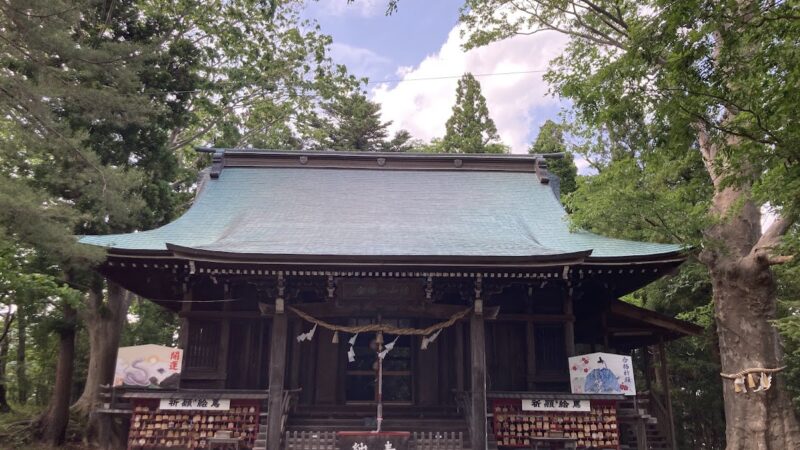
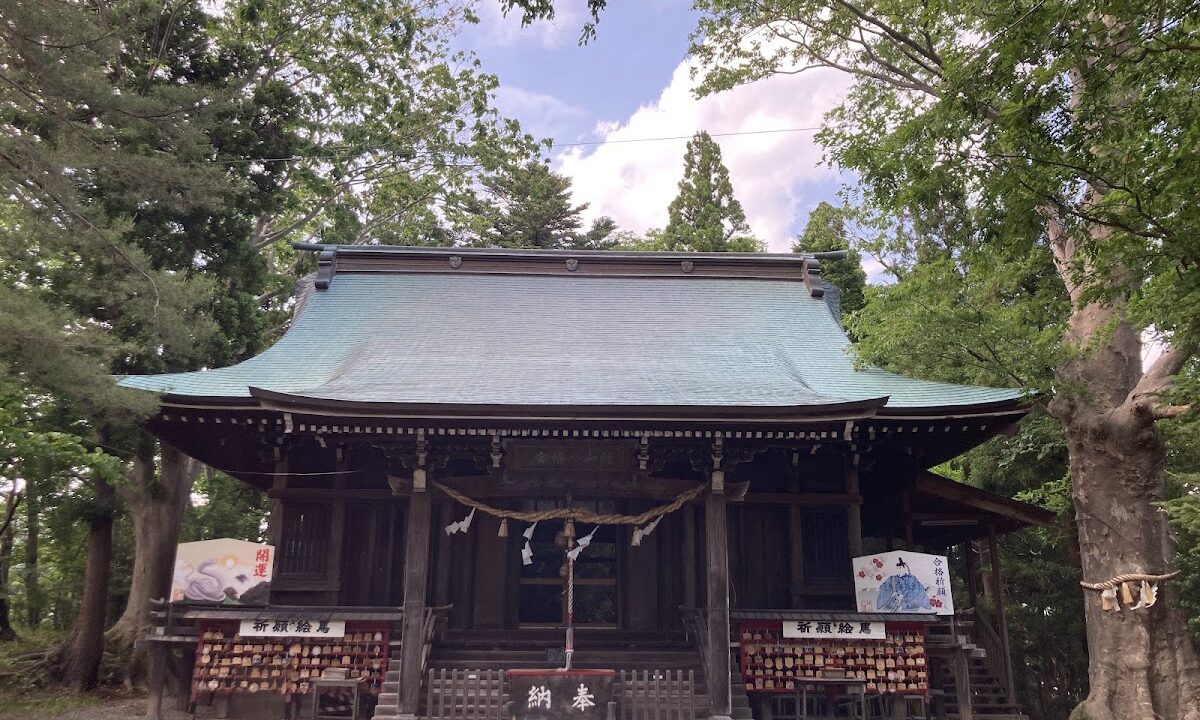
The shrine buildings of Yokoyama Hachimangu Shrine are dignified structures that evoke a sense of history. The main hall is built in the Hachiman style and, together with the worship hall, welcomes worshippers. The grounds are well-maintained, and a refreshing atmosphere permeates the area.
Upon entering the grounds after climbing the stone steps, the first thing that catches the eye is the magnificent worship hall. Its traditional wooden architectural style tells a story of long history and evokes a sense of solemnity in worshippers.
Divine Song Monument
One of the most noteworthy historical sites on the shrine grounds is the “Divine Song Monument.” This monument bears an inscription of a song that gave rise to the name Miyako, making it an indispensable resource for understanding the region’s history.
Standing before the monument, one can feel the weight of history, knowing that this land has been called “Miyako” for over a thousand years. When you visit Miyako, be sure to reflect on the origin of the place name in front of this monument.
Shrines and Subsidiary Shrines
Besides the main shrine, Yokoyama Hachimangu Shrine has several subsidiary shrines and auxiliary shrines within its grounds. These small shrines are also important places of worship for the local community. They enshrine deities rooted in the region, such as Kuromori Shrine, showcasing diverse forms of faith.
Shrine Office and Amulet/Charm Distribution Center
Yokoyama Hachimangu Shrine has a fine shrine office with a resident priest. The office offers Goshuin (shrine stamps), various amulets, and talismans. The building itself is modern and clean, and the staff are courteous in their service to visitors.
The shrine grounds are relatively compact, so you can explore the entire area in about 30 minutes, even at a leisurely pace. However, those interested in history can gain a deeper understanding by carefully reading the sacred song monuments and historical records.
Goshuin (Shrine Seal) Information
Yokoyama Hachimangu Shrine offers goshuin to visitors. The goshuin are handwritten, making them a popular souvenir of your visit.
Goshuin Reception Hours: 9:00 AM – 5:00 PM (within shrine office hours)
Offering Fee: Similar to other shrines (approximately 300-500 yen)
The goshuin features the calligraphy and red seal of “Yokoyama Hachimangu,” along with the date. Its simple yet powerful calligraphy is a distinctive feature, making it highly regarded among collectors.
In addition, Yokoyama Hachimangu Shrine offers original goshuin notebooks. These notebooks, with their designs reflecting Miyako’s history, are popular souvenirs. For those collecting Goshuin (temple/shrine stamps), why not get a new Goshuincho (stamp book) at Yokoyama Hachimangu Shrine?
When receiving a Goshuin, it is customary to visit the shrine office after completing your prayers. Since the shrine priests may not always be present, it is recommended to call ahead to confirm availability if you wish to receive a Goshuin.
Annual Events and Grand Festival
Yokoyama Hachimangu Shrine holds various Shinto rituals and festivals throughout the year. Here are some of the most important events:
New Year’s Visit
Many worshippers from both within and outside Miyako City visit the shrine for their first shrine visit of the new year. As the guardian shrine of Miyako-Hei District, it is a place where local people pray for safety and prosperity in the new year. It is especially crowded from New Year’s Day to the third day, so it is recommended to visit with plenty of time to spare.
Grand Festival
The Grand Festival of Yokoyama Hachimangu Shrine is the most important festival of the year. Traditional Shinto rituals are performed, including a portable shrine procession and offering ceremonies. This is a valuable opportunity to experience the region’s traditional culture, so those visiting Miyako during the festival season should definitely participate.
Other Annual Events
Seasonal Shinto rituals such as Setsubun Festival, Shichi-Go-San (children’s festival), and Natsukoshi no Oharae (summer purification ceremony) are also held. These events are important opportunities to strengthen community ties, demonstrating that Yokoyama Hachimangu Shrine remains a vibrant place of faith even today.
Access
Yokoyama Hachimangu Shrine is relatively easy to access, being close to Miyako city center.
Access by Train
Nearest Station: JR Yamada Line/Sanriku Railway Rias Line “Miyako Station”
Distance from Station: Approximately 750m-800m
Walking Time: Approximately 10-15 minutes
Yokoyama Hachimangu Shrine is within walking distance from Miyako Station. Leaving the station and heading towards Miyako city center, walking along the Hei River will bring you to the sacred grove of Yokoyama Hachimangu Shrine. The route is relatively easy to follow, and locals are happy to provide directions.
Bicycle Rental
Bicycle rental services are available near Miyako Station. Using a bicycle allows you to reach the shrine in about 5 minutes from the station, making it convenient for combining with other sightseeing spots. Bicycles are ideal for sightseeing in Miyako city, allowing you to efficiently explore the coastline and city center.
Access by Car
From the Tohoku Expressway:
- Approximately 100km, about 2 hours, via National Route 106 from Morioka IC
From the Sanriku Coastal Road:
- Approximately 5 minutes from Miyako Chuo IC
Parking: There is parking space for visitors on the shrine grounds or nearby. However, it may be full during peak times such as the annual festival, so please consider using public transportation.
When searching using a car navigation system, please enter “Yokoyama Hachimangu Shrine” or the address “2-5-1 Miyacho, Miyako City, Iwate Prefecture”.
Access by Bus
You can also use the local bus service that circulates within Miyako City. Take the city bus from Miyako Station and get off at the nearest bus stop; the shrine is a few minutes’ walk from there. Bus timetables vary depending on the season and day of the week, so it is recommended to check in advance.
Nearby Tourist Attractions
When visiting Yokoyama Hachimangu Shrine, we recommend also visiting other tourist attractions in Miyako City.
Jodogahama Beach
A representative scenic spot of Miyako City and a central tourist destination of the Sanriku Reconstruction National Park. Its name comes from the beautiful contrast between the white rock face and the blue sea, which was described as “like paradise.” It is approximately a 15-minute drive from Yokoyama Hachimangu Shrine.
Miyako City Fish and Vegetable Market
A market lined with fresh seafood, where you can enjoy the bounty of Miyako’s sea. The area is particularly lively in the mornings, offering a chance to experience local food culture.
Sakiyama Shell Mound Jomon Forest Museum
This museum exhibits Jomon period ruins, allowing visitors to learn about the ancient history of this region. For those interested in the long history of Yokoyama Hachimangu Shrine, exploring the Jomon culture, which predates it even further, is highly recommended.
Sanriku Railway
The Sanriku Railway, a symbol of recovery from the Great East Japan Earthquake, is a sightseeing train that allows you to enjoy the beautiful scenery of the Sanriku coast. Starting from Miyako Station, you can visit coastal towns.
Manners and Etiquette for Visiting Shrines
When visiting Yokoyama Hachimangu Shrine, please observe the following basic manners.
Etiquette for Visiting Shrines
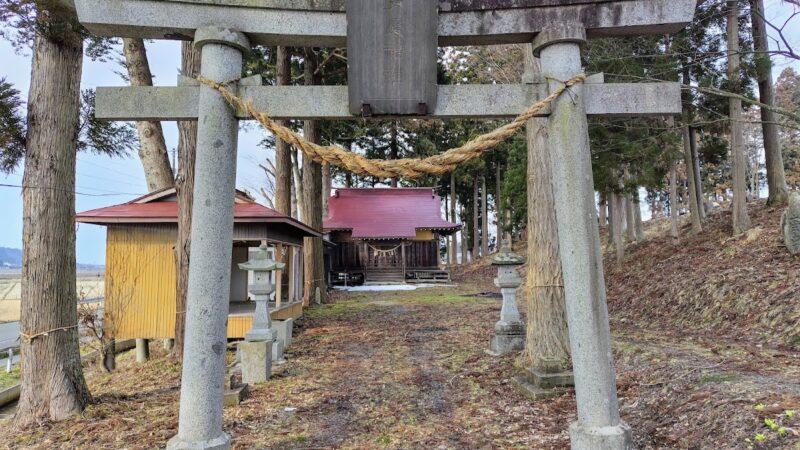
- Bow Before Passing Through the Torii Gate: As a sign of respect when entering the sacred area, bow before the torii gate before entering the shrine grounds.
- Purifying at the Water Basin: If there is a water basin, scoop water with the ladle and purify your left hand, right hand, and mouth in that order.
- Walking Along the Path: The center of the path is considered the path of the gods, so it is preferable to walk along the sides.
- Worship at the Main Hall: The basic procedure is two bows, two claps, and one bow. Place your offering, ring the bell, bow deeply twice, clap twice, and finally bow deeply once more.
- Behavior on the Shrine Grounds: Worship quietly and be considerate of other worshippers.
Regarding Photography
Photography is generally permitted on the shrine grounds, but there are areas where photography is prohibited, such as inside the main hall. If unsure, check with the shrine office. It is also important to be considerate and avoid including other worshippers in your photos.
Regarding Attire
While there are no specific dress code requirements, it is desirable to dress appropriately for a sacred place. Especially when formally visiting or receiving prayers, avoid overly casual attire.
Cultural Value of Yokoyama Hachimangu Shrine
Yokoyama Hachimangu Shrine is not merely a tourist attraction; it is an important cultural asset embodying the history and culture of Miyako City.
Significance as the Origin of the Place Name
Being the birthplace of the place name “Miyako” is one of the most important cultural values of this shrine. Place names form the foundation of a region’s identity, and Yokoyama Hachimangu Shrine can truly be said to be the source of Miyako City’s identity.
The Legend of Yoshitsune and Folkloric Value
The legend of Minamoto no Yoshitsune’s journey north is a folk tradition widely distributed in the Tohoku region. The legend of Yoshitsune and Suzuki Shigeie preserved at Yokoyama Hachimangu Shrine is also valuable material showing the movement of people and cultural exchange in Tohoku during the medieval period. Regardless of whether it is historically factual, the very fact that such legends have been passed down demonstrates the cultural richness of the region.
Continuity of Faith
The fact that faith has continued for over 1300 years is remarkable in itself. Yokoyama Hachimangu Shrine, which has continued to function as a spiritual anchor for people from ancient times to the present day, can be said to be living evidence of the continuity of Japanese religious culture.
The Great East Japan Earthquake and Reconstruction
The Great East Japan Earthquake, which occurred on March 11, 2011, caused immense damage to Miyako City. The tsunami caused catastrophic damage to the coastal areas, and many lives were lost.
Yokoyama Hachimangu Shrine, located on high ground in the city center, escaped direct tsunami damage, but as a center of the local community, it became a source of emotional support for the victims. After the earthquake, many citizens visited Yokoyama Hachimangu Shrine to pray for the repose of the souls of the victims and for reconstruction.
Currently, Miyako City is steadily recovering, and Yokoyama Hachimangu Shrine continues to function as a spiritual pillar of the community. When you visit the shrine, please reflect on the hardships this region has experienced and the strength of the people who have overcome them.
The Position of Yokoyama Hachimangu Shrine in Miyako City’s History
Yokoyama Hachimangu Shrine is an indispensable part of Miyako City’s history. From ancient times through the Middle Ages, early modern period, modern era, and into the present day, this shrine has always been at the heart of Miyako’s history.
In ancient times, it was a remote area where Sarumaru Tayu was exiled; in the Middle Ages, it was the northernmost point where Yoshitsune fled; in the early modern period, it was a local shrine protected by the Morioka Domain; and in modern times, it serves as a symbol of Miyako citizens’ identity. Yokoyama Hachimangu Shrine has played different roles in each era.
However, at its core, it has always maintained its unchanging role as the “guardian shrine of Miyako Hei County.” The fact that it has continued to exist as an object of people’s faith, even as political systems and social structures have changed, is the true value of Yokoyama Hachimangu Shrine.
Summary
Yokoyama Hachimangu Shrine, located in Miyako City, Iwate Prefecture, is a shrine steeped in history and legend. Since its founding in 680 AD (Hakuhō 9), it has attracted the faith of the local community for over 1300 years, captivating many as the birthplace of the name “Miyako” and the setting for the legend of Minamoto no Yoshitsune.
When visiting Miyako City, be sure to pay your respects at Yokoyama Hachimangu Shrine and experience the deep history and culture of this region. This ancient shrine, standing on the banks of the Hei River, is sure to offer you a special experience.
Its convenient location, just a 10-minute walk from Miyako Station, and the availability of handwritten goshuin (shrine stamps), make it ideal for shrine enthusiasts. Visiting it in conjunction with the natural scenery of Jōdogahama Beach will allow you to fully experience the charm of Miyako.
Yokoyama Hachimangu Shrine is a special place where past and present, legend and reality, nature and culture intersect. We hope this article will be helpful in your visit to Yokoyama Hachimangu Shrine.