Complete Guide to Joshōkōji Temple (Kyoto Prefecture) | The Charm of a Zen Temple Associated with Emperor Kōgon and its Nine-Layered Cherry Tree
Nestled quietly in the mountainous region of Keihoku, Ukyo-ku, Kyoto City, Jōshōkōji Temple is a Zen temple of the Rinzai sect, Tenryūji school, founded by Emperor Kōgon, who lived through the turbulent history of the Nanboku-chō period. It has deep ties to the Imperial family. Its official name is “Daio Meizan Manju Jōshōkō Zenji,” and it exudes a unique atmosphere where the world of Zen and the history of the Imperial family intersect, far removed from the hustle and bustle of the capital.
This article will introduce the charm of this special temple in its entirety, from its historical background to its famous cherry trees, including the “Nine-Layered Cherry Tree” designated as a national natural monument, to the temple’s highlights, access information, and surrounding tourist information.
History of Joshōkōji Temple | The Turmoil of the Nanboku-chō Period and Emperor Kōgon
Emperor Kōgon and the Founding of Joshōkōji Temple
Jōshōkōji Temple was founded in 1362 (Jōji 1) by Emperor Kōgon, the first emperor of the Northern Court. Emperor Kōgon lived during the Nanboku-chō period, a period of unprecedented turmoil in Japanese history. He withdrew from the political power struggles and decided to dedicate himself to Zen Buddhism.
At that time, the political situation in Kyoto was extremely unstable, and amidst the conflict between the Southern and Northern Courts, Emperor Kōgon, weary of the secular power struggles, retired to this area north of Kyoto. It is believed that the establishment of a hermitage here and his devotion to Zen practice marked the beginning of Joshōkōji Temple.
The Devotion of Successive Emperors and the Temple’s Imperial Connections
Since its founding, Joshōkōji Temple has received the deep devotion of successive emperors. The temple had deep connections not only with Emperor Kōgon, but also with other emperors of the Northern Court, such as Emperor Go-Kōgon and Emperor Go-En’yū, strengthening its character as a ancestral temple of the Imperial family.
Within the temple grounds is a mausoleum containing the remains of three emperors: Emperor Kōgon, Emperor Kōmyō, and Emperor Sukō, a testament to its deep ties with the Imperial family. This historical background makes Jōshōkōji not merely a Zen temple, but a special place where one can feel the history of Japan firsthand.
Historical Significance of the Nanboku-chō Period
The Nanboku-chō period (1336-1392) was a time when Emperor Go-Daigo established the Southern Court in Yoshino, clashing with the Northern Court in Kyoto. Emperor Kōgon, while asserting the legitimacy of the Northern Court, voluntarily became a monk amidst political turmoil and founded Jōshōkōji in this location.
This choice demonstrates the emperor’s desire for spiritual peace, away from power struggles, and Jōshōkōji continues to exist today as a witness to this history.
The Cherry Blossoms of Joshokoji Temple | Three Famous Trees and a Breathtaking Spring View
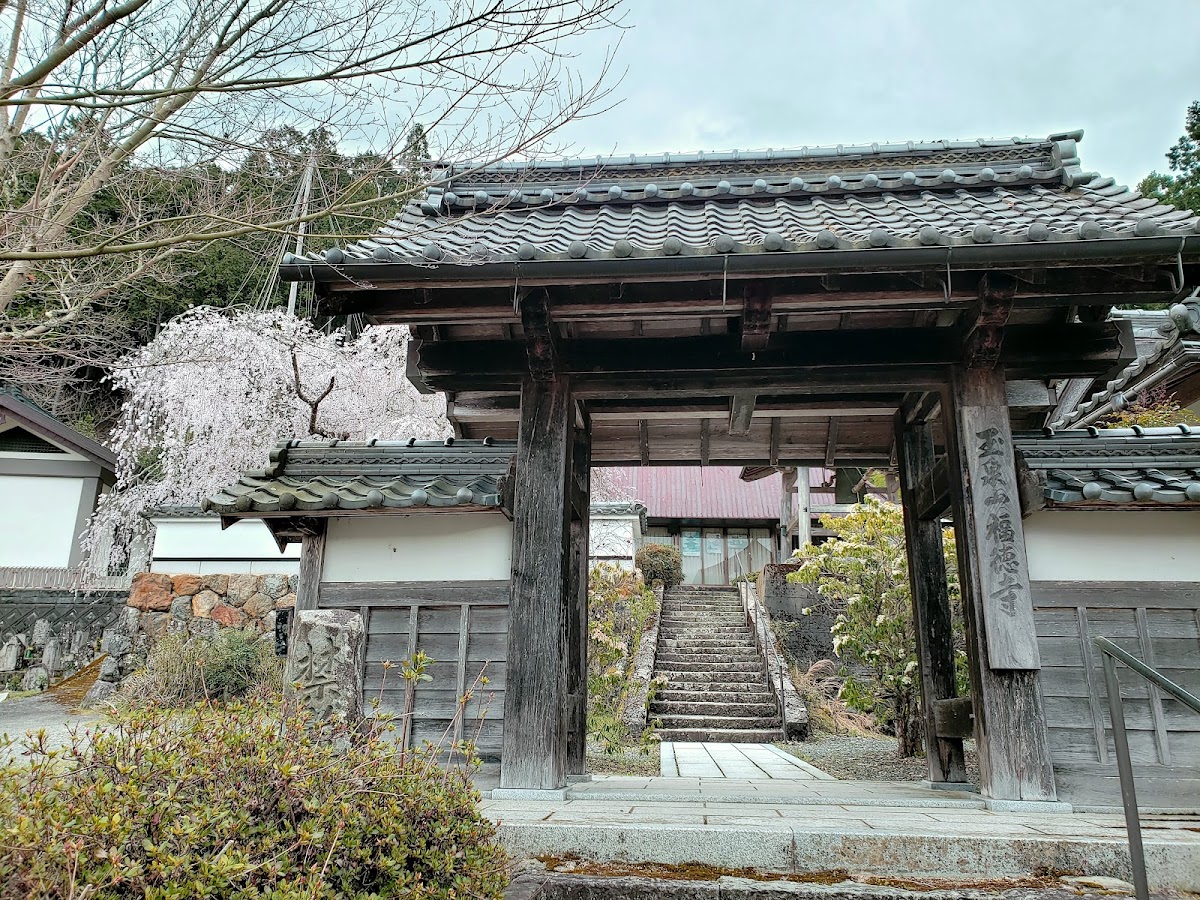
One of the biggest reasons Joshokoji Temple attracts so many people is the magnificent cherry trees that adorn its grounds. In particular, the “Kujuzakura,” “Sakon no Sakura,” and “Omikuruma-gaeshi no Sakura” are known as the three most famous trees of Joshokoji Temple, and in spring, they are bustling with many cherry blossom viewers.
Kujuzakura (Kuju Cherry Tree) | A National Natural Monument
The Kujuzakura is a weeping cherry tree, said to have been planted by Emperor Kogon, and is over 650 years old. It is designated as a national natural monument. As its name suggests, it is characterized by its many layers of petals, and the sight of its slender branches gracefully drooping is breathtaking.
The blooming season is usually from mid- to late April, and when in full bloom, the pale pink blossoms cascade down like a waterfall. The tree is about 10 meters tall and has a trunk circumference of about 3 meters, and its presence is particularly striking within the temple grounds.
The beauty of the Kuju Cherry Tree lies not only in the beauty of its blossoms, but also in its vitality, continuing to bloom for over 650 years. From the time of Emperor Kogon to the present day, this cherry tree has watched over the changing times.
Sakon no Sakura (Sakon Cherry Tree)
The Sakon no Sakura is a cherry tree said to have been propagated from the “Sakon no Sakura” that was planted in front of the Shishinden Hall of the Kyoto Imperial Palace. The Sakon no Sakura at the Imperial Palace, along with the Ukon no Tachibana (Orange Tree on the Right), is known as a symbolic tree protecting the Emperor’s residence.
The fact that this cherry tree was propagated and brought to Joshokoji Temple is evidence of the deep connection between the Imperial Family and Joshokoji Temple, and it possesses historical and cultural value beyond that of a mere ornamental cherry tree. Its tree shape is elegant, and in spring, it blooms with dignified flowers that carry on the tradition of the Imperial Palace.
Mikurumagaeshi no Sakura (Cherry Blossom of the Returning Carriage)
The Mikurumagaeshi no Sakura is a rare cherry tree with the unusual characteristic of having both single and double blossoms on the same branch. Its name comes from a legend that when Emperor Go-Mizunoo passed by this cherry tree in his carriage, he was so struck by its beauty that he turned his carriage around to admire it again.
This cherry tree’s unusual blooming pattern embodies the mystery and beauty of change in nature, astonishing visitors. The coexistence of single and double blossoms seems to symbolize the duality of Joshokoji Temple’s history—worldliness and monasticism, power and tranquility.
Best Time to See the Cherry Blossoms and Recommended Viewing Period
The best time to see the cherry blossoms at Joshokoji Temple is usually from mid- to late April. Because it blooms slightly later than the cherry blossoms in central Kyoto, you can enjoy them even after the city’s blossoms have fallen.
Due to its location in the Keihoku region, which is at a high altitude and has low temperatures, the blooming period may vary from year to year. Before visiting, we recommend checking the cherry blossom blooming status on the Kyoto Prefecture and Kyoto City tourism information websites, as well as the official information of Joshokoji Temple.
While many visitors come during the cherry blossom season, Joshokoji Temple offers a relatively quieter experience compared to famous temples in central Kyoto, which is one of its charms.
Highlights of the Temple Grounds | A Zen World Woven from Architecture and Nature
Main Hall and Buddha Hall
The main hall of Joshokoji Temple houses the principal image, a seated statue of Shakyamuni Buddha. The hall, with its simple yet solemn atmosphere typical of Zen temples, allows visitors to find peace in silence.
The Buddha Hall houses the Amida Triad, designated as an Important Cultural Property, making it a temple of high value in Buddhist art. These statues are valuable cultural assets that demonstrate the religious and cultural importance of Joshokoji Temple.
Abbot’s Quarters and Garden
The abbot’s quarters are the living quarters of the head priest in a Zen temple, and also a place to receive guests. From the Hojo (abbot’s quarters) of Joshokoji Temple, one can admire the beautifully maintained garden and enjoy the changing seasons.
The garden blends elements of Zen dry landscape gardens with elements of a pond garden that utilizes the natural scenery, preserving the legend that Emperor Kogon envisioned the surrounding nature as his garden.
Founder’s Hall and Mausoleum
The Founder’s Hall houses a wooden statue of Emperor Kogon, reflecting reverence for the temple’s founder. Within the temple grounds is a mausoleum containing the remains of three emperors: Emperor Kogon, Emperor Komyo, and Emperor Suko, demonstrating the temple’s deep connection to the Imperial family.
Surrounding Natural Environment | Historical Natural Environment Preservation Area
The area surrounding Joshokoji Temple is designated as the “Joshokoji Kyoto Prefecture Historical Natural Environment Preservation Area,” protecting its rich natural environment. Emperor Kōgon, who loved the surrounding nature, is said to have named the mountain behind the temple “Sarugaeri-no-mine,” the waterfall “Hakugyokusen,” and the entire mountain “Banjurin,” selecting the ten surrounding scenic spots.
Today, these landscapes remain largely unchanged, allowing visitors to enjoy the rich natural beauty throughout the four seasons. With its cherry blossoms in spring, lush greenery in summer, vibrant autumn leaves, and snowy winter scenery, Jōshōkōji Temple offers a different face with each season, providing new discoveries with every visit.
How to Access Jōshōkōji Temple
Jōshōkōji Temple is located in the Keihoku region, approximately 40 kilometers northwest of central Kyoto. Access by public transport takes some time.
Access by Bus
From Kyoto Station:
- Take the JR Bus “Takao/Keihoku Line” from JR Kyoto Station and get off at the “Shuzan” bus stop (approximately 1 hour and 15 minutes).
- Transfer to the Keihoku Furusato Bus at the Shuzan bus stop and get off at the “Yamaguni Goryomae” bus stop (approximately 15 minutes).
- Approximately 15 minutes on foot from the Yamaguni Goryomae bus stop.
From Kitaoji Subway Station:
- Take the City Bus “Kita 1 Line” from Kitaoji Station on the Karasuma Subway Line and get off at the “Shuzan” bus stop.
- Continue as above.
Since bus services are limited, it is recommended to check the timetable in advance and plan your trip with ample time. Particular attention should be paid to the return bus schedule.
Access by Car
By car, take National Route 162 (Shuzan Kaido) north from central Kyoto. The journey takes approximately 1 to 1.5 hours. Free parking is available on the temple grounds, and is generally available except during cherry blossom season.
However, the parking lot can become crowded during the peak cherry blossom season, so early arrival is recommended. Also, during winter, snow is possible, so snow tires or snow chains are necessary.
Travel time from major locations:
- From central Kyoto: Approximately 1 hour to 1 hour 30 minutes
- From Osaka city: Approximately 2 hours
- From Meishin Expressway Kyoto Minami IC: Approximately 1 hour 30 minutes
Visiting Information | Visiting Hours and Admission Fees
Visiting Hours
- Regular season: 9:00 AM to 4:00 PM (Last entry 3:30 PM)
- May change depending on the season and events
Admission Fees
- General: 500 yen
- Junior and senior high school students: 400 yen
- Elementary school students and younger: Free
Other Notes
- Photography is permitted on the temple grounds, but photography is prohibited in some areas inside the buildings.
- Please refrain from loud conversations to maintain peace and quiet.
- Pets are not allowed.
- Smoking is permitted only in designated areas.
Tourist Spots Around Joshokoji Temple
The Charms of the Keihoku Region
The Keihoku region, where Joshokoji Temple is located, is a charming area dotted with rich nature and historical cultural assets. If you have time, be sure to visit the surrounding tourist spots.
Shuzan Castle Ruins:
The ruins of a mountain castle built by Akechi Mitsuhide, offering panoramic views of the Keihoku region. A recommended spot for history buffs.
Woody Keihoku:
A roadside station-like facility selling local specialties and fresh vegetables, allowing you to experience Keihoku’s food culture.
Kuroda’s Crape Myrtle:
A giant crape myrtle tree, approximately 250 years old, that blooms magnificently in the summer.
Seasonal Recommendations
Spring (March-May):
A beautiful season when the entire Keihoku region is enveloped in fresh greenery, as well as the cherry blossoms at Joshokoji Temple.
Summer (June-August):
Attractive for its cool climate and lush greenery. It’s the perfect place to escape the heat of Kyoto city.
Autumn (September-November):
As a famous spot for autumn foliage, the grounds of Joshōkōji Temple are dyed in shades of red and yellow. It’s less crowded than cherry blossom season, allowing you to enjoy the autumn colors in peace.
Winter (December-February):
The snow-covered temple grounds are breathtakingly beautiful. However, be aware of potential traffic restrictions due to snow.
Points to Note When Visiting Joshōkōji Temple
Clothing and Items to Bring
Because Joshōkōji Temple is located in a mountainous area, the temperature is lower than in central Kyoto. Especially when visiting in spring or autumn, it’s recommended to bring an extra layer of clothing.
- Comfortable walking shoes (the temple grounds have gravel paths and stone steps)
- Warm clothing and rain gear appropriate for the season
- Camera (to photograph the beautiful cherry blossoms and scenery)
- Drinks (there are few vending machines in the vicinity)
Guidelines for Visiting
Before being a tourist temple, Joshokoji Temple is a Zen temple where training is still conducted. Please maintain silence and visit with respect. Furthermore, as a temple associated with the Imperial family, a solemn attitude is required, especially in sacred places such as the mausoleum.
Photography Etiquette
Photography is generally permitted on the temple grounds, but please observe the following points:
- Photography is prohibited in certain areas inside buildings.
- Be considerate of other visitors.
- Avoid using tripods during crowded times.
- Refrain from taking photographs in particularly sacred areas, such as mausoleums.
Cultural Assets and Religious Significance of Joshōkōji Temple
As a Zen Temple of the Tenryūji School of the Rinzai Dynasty
Jōshōkōji Temple is a Zen Buddhist temple belonging to the Tenryūji School of the Rinzai Dynasty. The Rinzai school is a branch of Zen Buddhism introduced from China during the Kamakura period, characterized by practice aimed at enlightenment through seated meditation and koans (question and answer).
Tenryūji Temple is the head temple of the Rinzai school, located in Sagano, Kyoto, and Joshōkōji Temple, as its branch temple, continues to transmit the teachings of Zen. The tranquil atmosphere of the temple grounds embodies the spirit of Zen, bringing peace of mind to visitors.
Important Cultural Properties and Natural Monuments
The following valuable cultural properties are preserved at Joshokoji Temple:
National Natural Monument:
- Kujuzakura Cherry Tree (designated in 1923)
Important Cultural Property:
- Amida Triad Statue
Kyoto Prefecture Designated Historic Site:
- Joshokoji Temple Grounds
These cultural properties demonstrate the historical and cultural value of Joshokoji Temple and are appropriately preserved and managed.
Summary | The Charm and Value of Visiting Joshokoji Temple
Joshokoji Temple is a special place where history and nature harmonize, founded by Emperor Kogon, who lived through the turbulent Nanboku-cho period. The famous cherry trees, including the Kujuzakura Cherry Tree (a national natural monument), the history associated with the imperial family, the rich natural environment, and the tranquil atmosphere of a Zen temple deeply impress visitors.
While it requires a short trip from central Kyoto, Joshokoji Temple is well worth the distance. You can enjoy the beauty of each season, from the cherry blossoms of spring, to the fresh greenery of summer, the vibrant autumn foliage, and the snowy winter landscape.
Why not escape the hustle and bustle of the city and spend some peaceful time at Joshōkōji Temple, surrounded by the weight of history and the beauty of nature? We, living in the modern age, can surely feel the spiritual peace that Emperor Kōgon sought.