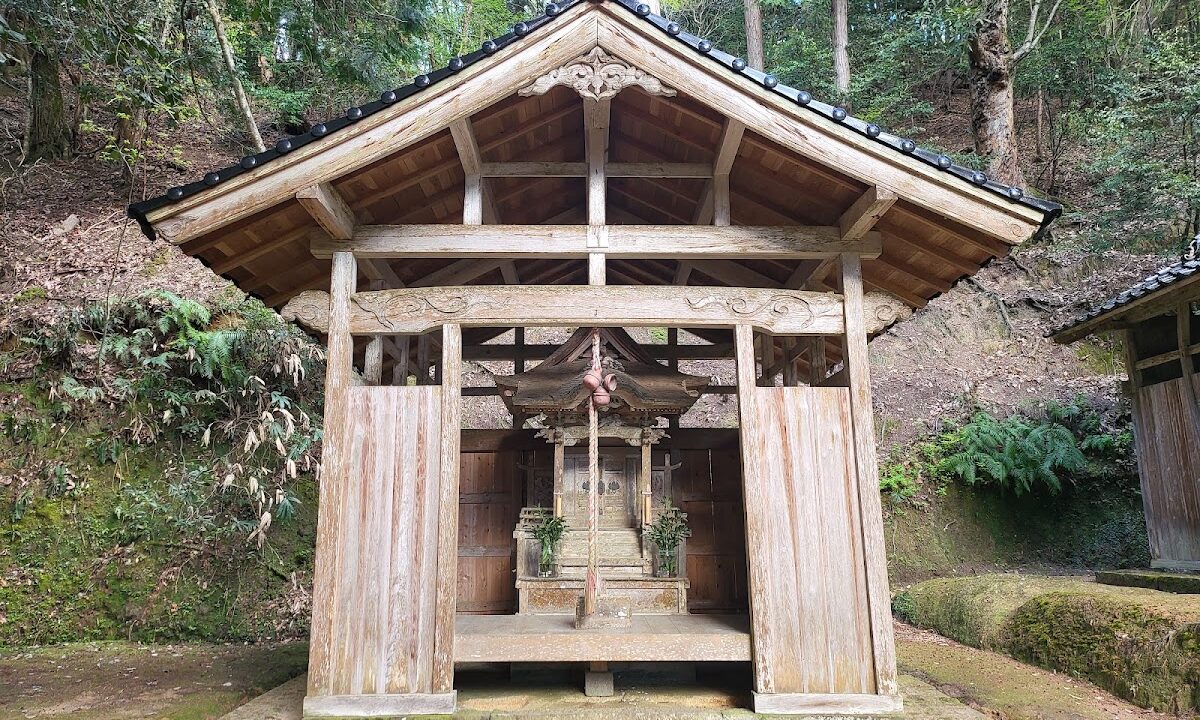
Okorose Shrine (Kyotango City, Kyoto Prefecture) | Complete Guide to History, Deities, and Access
About Okorose Shrine
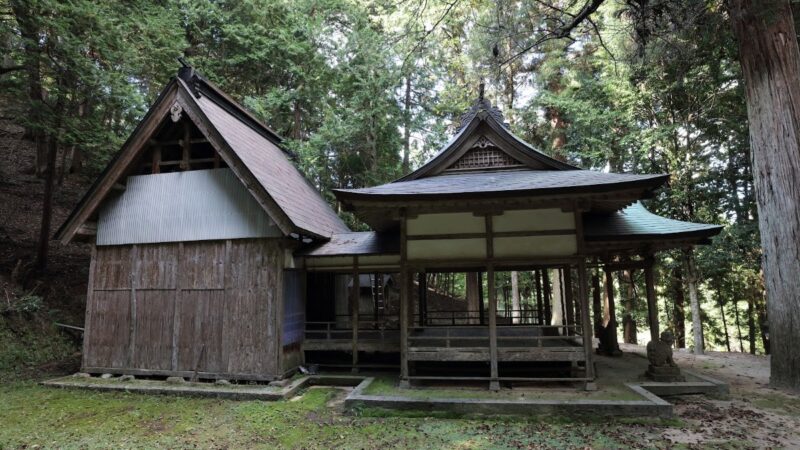
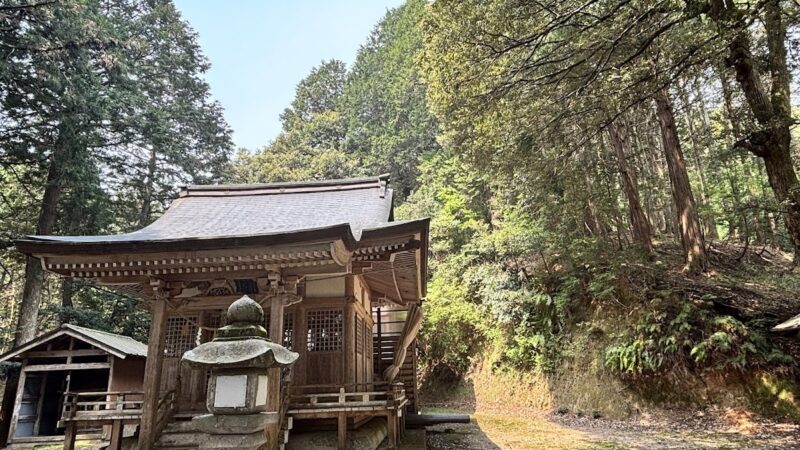
Okorose Shrine is a Shinto shrine located in Okorose, Mitani, Kumihama-cho, Kyotango City, Kyoto Prefecture. Situated in the Tango region in northern Kyoto Prefecture, facing the Sea of Japan, it has long been revered as the local guardian deity by the residents.
Kyoto Prefecture boasts 1,741 shrines, making it one of the regions with the highest number of shrines in Japan. Among them, Okorose Shrine, rooted in the historically rich Kumihama-cho, plays a crucial role in the preservation and transmission of local culture.
Characteristics of Okorose Shrine
Okorose Shrine is located in a mountainous area near Kumihama Bay, surrounded by a rich natural environment. This region flourished as part of Tango Province from ancient times, and is a deeply religious area with many shrines scattered throughout. The place name Okorose itself has a long history and is deeply connected to the origins of the region.
Location Information
Address: 629-3412 Kogorose, Mitani, Kumihama-cho, Kyotango City, Kyoto Prefecture
Kogorose Shrine is located in the Mitani district of Kumihama-cho, in the southwestern part of Kyotango City. Kumihama-cho is located in the northwesternmost part of Kyoto Prefecture and is known as a scenic area facing the Sea of Japan.
About Kyotango City
Kyotango City was formed in 2004 through the merger of six towns: Mineyama-cho, Omiya-cho, Amino-cho, Tango-cho, Yasaka-cho, and Kumihama-cho. It occupies most of the Tango Peninsula and is a naturally rich area surrounded by the sea and mountains. Many shrines exist within the city, and Kogorose Shrine is one of them, supporting local faith.
Deities and History
Deities
The deities enshrined at Kogorose Shrine are gods that have been revered as the local guardian deities since ancient times. Many shrines in the Tango region enshrine deities closely related to the lives of the local people, such as gods of the sea, mountains, and agriculture.
History and Origin of the Shrine
While there are no clear records of the founding date of Kogorose Shrine, according to local elders’ traditions, it has been revered as the tutelary deity of the Mitani district since ancient times. The Kumihama region flourished as part of the ancient Tango Province, and has a history of numerous shrines being founded there.
Tango Province, as recorded in the “Tango no Kuni Fudoki” (a historical and geographical record of Tango Province), has been considered an important region since mythological times. Urashima Shrine, known for the Urashima legend, is also located within the same Kyotango City, illustrating the deep mythological background of this region.
Kogorose Shrine, too, has been nurtured within this Tango religious culture and has walked hand in hand with the lives of the local residents. In a region where agriculture and fishing were thriving, it is believed that prayers for bountiful harvests and maritime safety were offered there.
Annual Events and Festivals
Grand Festival
At local shrines, the spring and autumn grand festivals are important events. It is believed that Kogorose Shrine also holds festivals in accordance with local traditions.
Local Festival Culture
Shrines in Kyotango City have preserved unique festivals in each region. Ancient Shinto rituals and performing arts, such as portable shrine processions, lion dances, and sword dances, are still carefully preserved.
Access Information
Nearest Station and Line
When using public transportation to access Kogorose Shrine, the following routes are possible:
Access by Train:
- The nearest station is Kumihama Station on the Kyoto Tango Railway Miyazu Line.
- The shrine is approximately 10-15 minutes by car from Kumihama Station.
The Kyoto Tango Railway is a railway line connecting the Tango region in northern Kyoto Prefecture and is also used by tourists. Kumihama Station serves as the central station of Kumihama Town.
Nearest Bus Stops and Routes
From Kumihama Station, Tankai Bus (Tango Kairiku Kotsu) operates local bus routes. Using buses bound for Mitani may provide access to the area near the shrine. However, bus services are limited, so it is recommended to check the timetable in advance.
Access by Car
Access from Major Cities:
- From Kyoto City: Approximately 2 hours 30 minutes via the Kyoto Jukan Expressway
- From Osaka City: Approximately 3 hours via the Chugoku Expressway and Maizuru-Wakasa Expressway
- From Kobe City: Approximately 2 hours 30 minutes via the Chugoku Expressway and Maizuru-Wakasa Expressway
Nearest Interchange:
- Approximately 30 minutes from the “Kyotango-Omiya IC” on the Kyoto Jukan Expressway
Access by car is the most convenient. Kumihama Town has settlements spread across both coastal and mountainous areas, so it is recommended to check the location on a map before visiting the shrine.
Parking
As this is a small shrine, there may not be a dedicated large parking lot. When visiting, please check the situation around the shrine and be considerate of local residents so as not to cause any inconvenience.
Shrine Culture of Kyotango City
Major Shrines in Kyotango City
Besides Kogorose Shrine, Kyotango City is home to many other historical shrines.
Urashima Shrine (Honjohama, Ine-cho, Kyotango City): A shrine famous throughout Japan for its connection to the legend of Urashima Taro.
Takeno Shrine (Miya, Tango-cho, Kyotango City): An ancient shrine revered as the Ichinomiya (first-ranked shrine) of Tango Province.
Omiyauri Shrine (Shuki, Omiya-cho, Kyotango City): A historical shrine listed in the Engishiki (ancient Japanese legal code).
Along with these shrines, Kogorose Shrine is also an important presence supporting local faith.
Overview of Shrines in Kyoto Prefecture
Number and Distribution of Shrines in Kyoto Prefecture
Kyoto Prefecture has 1,741 shrines, ranking 19th among all 47 prefectures of Japan. While Kyoto City boasts numerous nationally renowned shrines such as Yasaka Shrine, Kifune Shrine, and Yoshida Shrine, many historical shrines are also located in the northern region, including Kyotango City.
Distribution of Shrines by Municipality
Shrines in Kyoto Prefecture are distributed in the following municipalities:
Major Cities:
- Kyoto City: The largest concentration of shrines in the prefecture
- Fukuchiyama City: Numerous shrines exist as the central city of the northern region
- Miyazu City: Historic shrines are scattered around Amanohashidate
- Kameoka City: The center of faith in the Tanba region
- Uji City: Famous shrines such as Ujigami Shrine (World Heritage Site) exist
- Yawata City: Iwashimizu Hachimangu Shrine, etc.
- Nagaokakyo City: Nagaoka Tenmangu Shrine, etc.
- Nantan City: A group of shrines in the Tanba region
- Ayabe City: Numerous tutelary shrines in rural areas
Counties:
- Otokuni District (Oyamazaki Town)
- Tsuzuki District (Ide Town, Ujitawara Town)
- Soraku District (Kasagi Town, Wazuka Town, Seika Town, Minamiyamashiro Village)
- Funai District (Kyotamba Town)
- Yosa District (Ine Town, Yosano Town)
Characteristics of Shrines in Kyoto Prefecture
Shrines in Kyoto Prefecture can be broadly divided into urban shrines with long histories dating back to the relocation of the capital to Heian-kyo, and local shrines rooted in rural and fishing villages. Kogorose Shrine belongs to the latter category and has functioned as a center of the local community.
History and Culture of Kumihama Town
Geography and History of Kumihama
Kumihama Town is located in the northwesternmost part of Kyoto Prefecture and boasts Kumihama Bay, a natural harbor. It flourished as part of Tango Province from ancient times and was a key point for maritime traffic.
During the Edo period, the Kumihama Magistrate’s Office was established, functioning as one of the administrative centers of the Tango region. Oyster farming is also thriving in Kumihama Bay and remains an important industry today.
About the Mitani District
The Mitani district, where the Kogorose Shrine is located, is a settlement situated in the inland part of Kumihama Town. In this quiet, mountainous environment, a long-standing rural culture has been preserved. In such a region, the shrine is not merely a religious facility, but plays an important role as a symbol of community ties.
Manners and Etiquette for Visiting a Shrine
Basic Etiquette for Visiting a Shrine
When visiting a shrine, please observe the following basic etiquette.
- Bow before passing through the torii gate: This is a courtesy before entering the sacred area.
- Purify yourself at the water basin: Purify your left hand, then your right hand, then your mouth.
- Avoid walking in the center of the approach to the shrine: The center is considered the path of the gods.
- Etiquette at the main hall: Two bows, two claps, and one bow are the basics.
Guidelines for Visiting Local Shrines
When visiting a local shrine like Kogorose Shrine, please keep the following points in mind:
- Understand that it is a living space for local residents.
- Worship quietly and do not disturb the surrounding environment.
- Take photographs with moderation.
- Always take your trash with you.
- Special consideration is needed during local festivals.
Nearby Tourist Spots
Kumihama Bay
Kumihama Bay, located about 15 minutes by car from Kogorose Shrine, is a representative scenic spot of Tango. Oyster farming thrives in this quiet inner bay, separated from the open sea by a sandbar called Kotenkyo.
Kabutoyama Observatory
This observatory offers panoramic views of Kumihama Bay and the beautiful coastline of Tango.
Kumihama Hot Spring Village
Kumihama Town boasts several hot spring facilities where you can enjoy the hot springs while savoring the bounty of the Sea of Japan.
Nyoi-ji Temple
This ancient temple, known as the seventh temple on the Kansai Flower Temple Pilgrimage, is renowned for its beautiful flowers throughout the seasons.
Shrine Pilgrimage in the Tango Region
Tango Shrine Culture
The Tango region (Kyotango City, Miyazu City, Yosa District) has been deeply intertwined with mythology since ancient times. The “Tango no Kuni Fudoki” (a historical and geographical record of Tango Province) contains many myths, including the legend of Urashima Taro and the legend of Hagoromo (the feathered robe).
Recommended Shrine Pilgrimage Route
When visiting Kyotango City, we recommend the following shrine pilgrimage route:
- Takeno Shrine: A prestigious shrine that holds the title of Ichinomiya (first-ranked shrine) of Tango Province
- Urashima Shrine: A shrine associated with the legend of Urashima Taro
- Ogoro-se Shrine: A shrine deeply rooted in the Kumihama town area
- Omiyauri Shrine: An ancient shrine listed in the Engishiki (ancient Japanese legal code)
By visiting these shrines, you can experience the diverse religious culture of the Tango region.
About the Kyoto Prefectural Shrine Association
Role of the Shrine Association
The Kyoto Prefectural Shrine Association is an organization that oversees shrines within Kyoto Prefecture, responsible for the promotion of shrines, the training of Shinto priests, and the continuation of rituals. Ogoro-se Shrine also belongs to the Kyoto Prefectural Shrine Association, ensuring proper management and the continuation of rituals.
Shrine Database
The Kyoto Prefectural Shrine Association maintains a database of shrine information within the prefecture, which is also made publicly available. You can obtain basic information such as the shrine’s location, enshrined deity, and annual festival date.
The Relationship Between the Local Community and the Shrine
The Role as a Guardian Deity
Kogorose Shrine serves as the guardian deity of the Mitani district, a spiritual anchor for the local residents. Guardian deities have been revered since ancient times as gods who protect the people living in the area.
Festivals and the Local Community
Shrine festivals are important opportunities for local residents to gather together. Through the preparation and operation of the festival, intergenerational exchanges are fostered, strengthening community bonds.
In rural areas facing depopulation, shrines and festivals are crucial elements in maintaining local communities. Kogorose Shrine will continue to be carefully preserved as a supportive presence for these community ties.
Shrine Architecture and Grounds
Shrine Architecture in the Tango Region
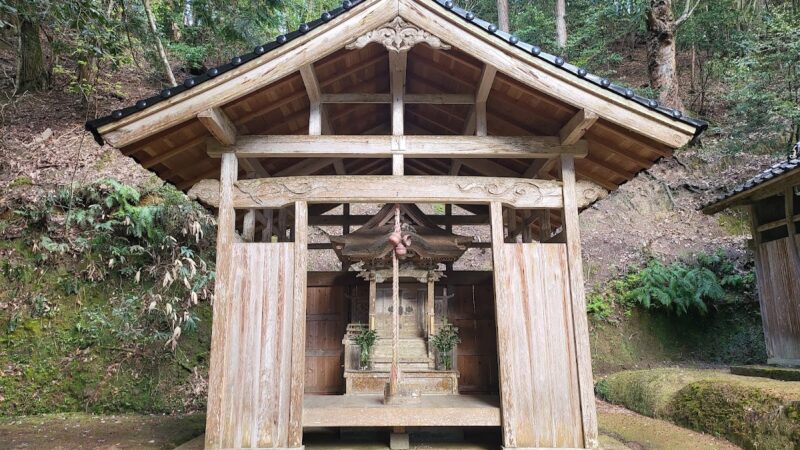
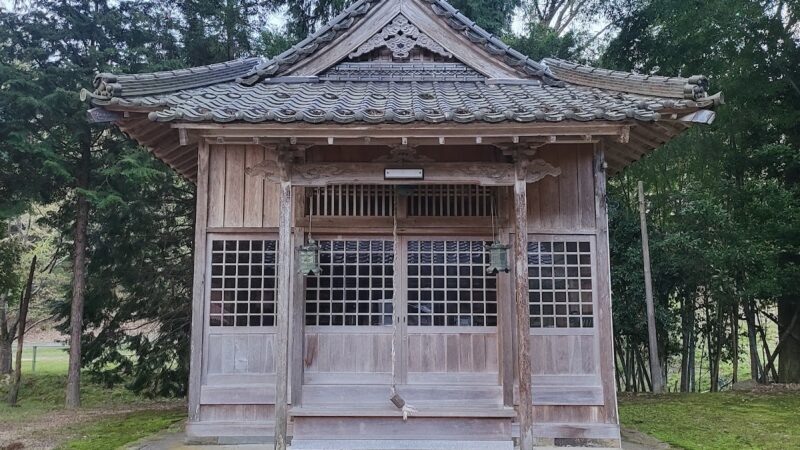
Shrine architecture in the Tango region is adapted to the unique climate of the Sea of Japan side. The shrine features a robust structure designed to withstand snow and strong winds, as well as measures to combat humidity, demonstrating ingenuity adapted to the local environment.
Natural Environment of the Shrine Grounds
Located in a mountainous area, Kogorose Shrine is surrounded by abundant nature. The trees within the grounds and the surrounding forests contribute to the sacred atmosphere of the shrine while also playing a vital role in supporting the local ecosystem.
Precautions When Visiting the Shrine
Seasonal Precautions
Winter (December-March):
- Kyotango City has a climate typical of the Sea of Japan coast, and snowfall occurs in winter.
- Caution is needed regarding road conditions when there is snow.
- Studless tires or snow chains are recommended.
Summer (June-September):
- This is a season with many insects in mountainous areas.
- Insect repellent sprays and other preventative measures are recommended.
Access Precautions
- As the shrine is located in a mountainous area, some roads are narrow.
- The exact location may not be displayed on car navigation systems.
- Checking a map in advance is recommended.
- Cell phone signals may be weak in some areas.
Summary
Kogorose Shrine is a community-based shrine located in Mitani, Kumihama-cho, Kyotango City, Kyoto Prefecture. Kyoto Prefecture has 1,741 shrines, each preserving the history and culture of its region.
Visiting Kogorose Shrine is not simply about paying respects at a shrine; it’s a valuable opportunity to experience the history, nature, and lives of the people in the Tango region. The quiet time spent praying amidst the beautiful natural surroundings of Kumihama Town will allow you to forget the hustle and bustle of everyday life.
When you visit Kyotango City, in addition to famous shrines like Urashima Shrine and Takeno Shrine, please also visit local guardian shrines like Kogorose Shrine. There, you’ll find the faith and lives of the local people, things you won’t find in tourist guides.
We hope that through your shrine visit, you will rediscover the importance of traditional Japanese culture and local communities, and enjoy a truly enriching experience.