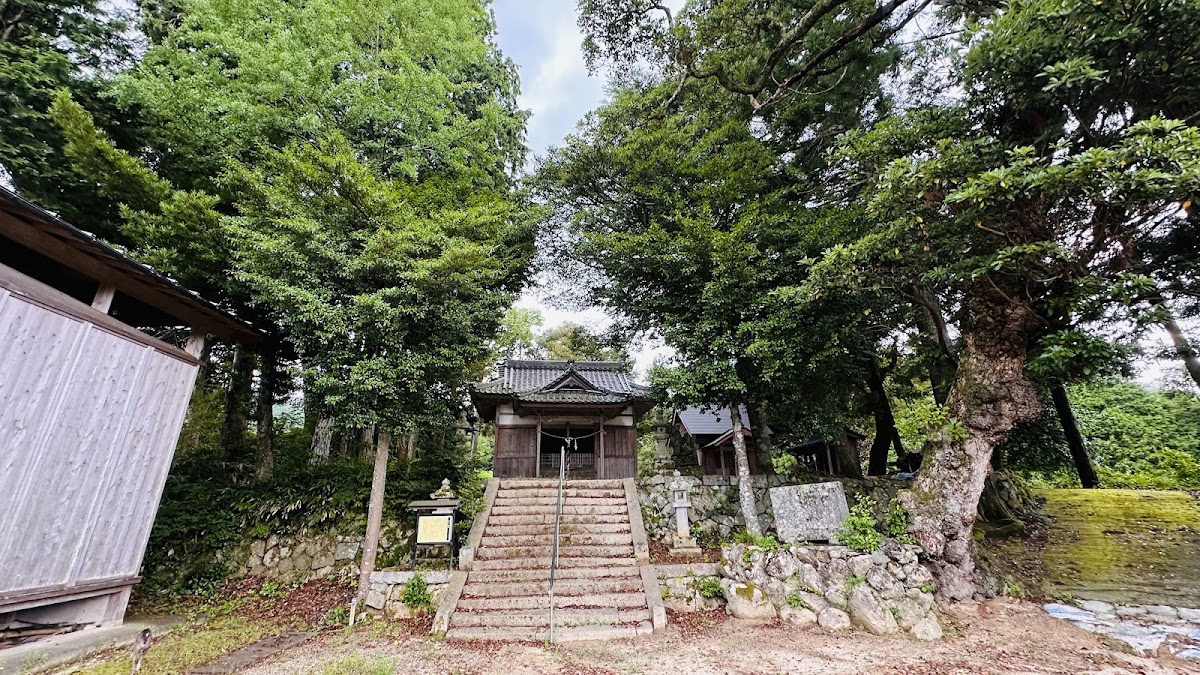
Kawakami Sanjinja Shrine (Kyoto Prefecture) Complete Guide | History, Deities, Benefits, and Access Information
Kyoto Prefecture boasts numerous shrines, but among them, Kawakami Sanjinja Shrine, deeply rooted in local faith, is a valuable shrine that conveys history and tradition to the present day. This article provides detailed information useful for those considering a visit, including the historical background, enshrined deities, benefits, highlights of the grounds, annual events, and access methods.
What is Kawakami Sanjinja Shrine?
Kawakami Sanjinja Shrine is a shrine located in Kyoto Prefecture that has long been revered by the local people. As its name “Sanjinja” (Three Shrines) suggests, it enshrines multiple deities and has long been worshipped as a guardian deity of the region.
The shrine is situated in a quiet environment, offering a space for peaceful worship away from the hustle and bustle of the city. It is an attractive spot not only for locals but also for visitors seeking hidden shrines in Kyoto.
History of Kawakami Sanjinja Shrine
Origin of Founding
While detailed records of the founding date of Kawakami Sanjinja Shrine are limited, local traditions suggest it has been located in this area since ancient times. Like many shrines in Kyoto Prefecture, it is believed to have been established as a center of faith for the people, alongside the development of the region and the growth of agriculture.
Historical Changes
The shrine has undergone several reconstructions and repairs throughout its long history. Records show that it was maintained, particularly during the Sengoku and Edo periods, through the support of influential local figures and parishioners. During the Meiji era’s separation of Shinto and Buddhism, it experienced institutional changes, similar to many other shrines, but its role as a center of local faith has remained unchanged.
Even in modern times, it continues to play an important role as a symbol of community ties and a place for the transmission of traditional culture.
Deities and Benefits
Deities
Kawakami Sanjinja Shrine enshrines multiple deities. The name “Sanjinja” (Three Shrines) is thought to originate from the enshrinement of three deities. Regarding the specific deities enshrined, based on local traditions and the history of the shrine, the following deities may be worshipped:
- Agricultural and Water Deities: Given the name Kawakami (meaning “river head”), it is presumed that deities related to water and rivers, or deities who protect agriculture, are enshrined.
- Local Guardian Deity: A local deity that has protected the land since ancient times.
- Deity of Industry and Life: A deity that protects people’s lives.
Benefits
The benefits you can expect at Kawakami Sanjinja Shrine include the following:
- Abundant Harvest and Agricultural Prosperity: As deities related to agriculture are enshrined, many people visit to pray for a bountiful harvest.
- Family Safety: As a guardian deity of the region, it offers the benefit of protecting the safety and health of family members.
- Business Prosperity: As a deity that watches over the development of local industries.
- Protection from Misfortune and Good Fortune: The benefit of warding off misfortune and attracting good luck.
- Protection from Water Disasters: If deities related to rivers are enshrined, prayers for water-related safety are offered.
Highlights of the Shrine Grounds
Main Hall and Worship Hall
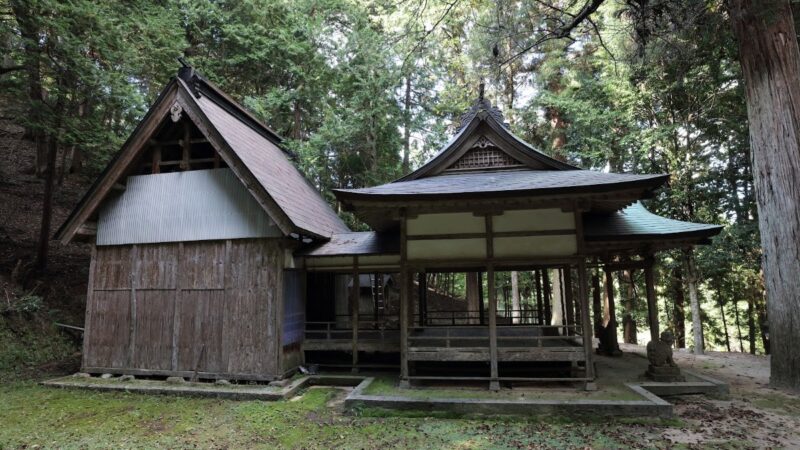
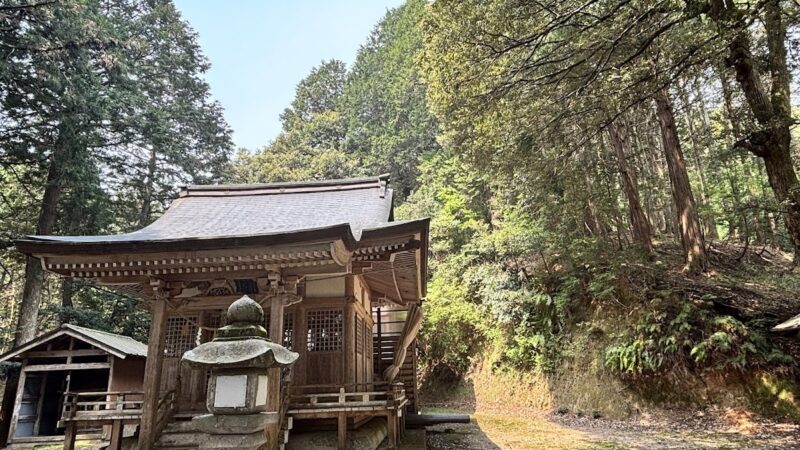
The main hall of Kawakami Sanjinja Shrine preserves the traditional style of shrine architecture. While not large in scale, the meticulously maintained shrine buildings speak to the deep faith of the local people. In the worship hall, one can offer heartfelt prayers in a tranquil environment.
Subsidiary Shrines and Auxiliary Shrines
Besides the main hall, there are sometimes small shrines and subsidiary shrines within the grounds. These reflect the history of local faith and enshrine deities who grant various wishes.
Sacred Trees and Nature
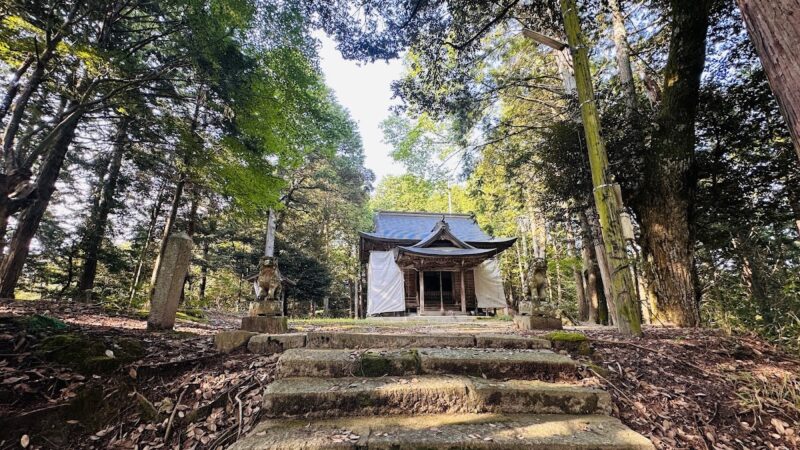
The shrine grounds are lined with ancient trees, creating a sacred atmosphere. These sacred trees are living witnesses to the shrine’s history, allowing visitors to feel the power of nature.
The changing seasons are also one of the shrine’s charms. Spring brings fresh greenery, summer brings deep green, autumn brings vibrant foliage, and winter presents a serene snowscape, each displaying a different face with each season.
Water Basin and Approach to the Shrine
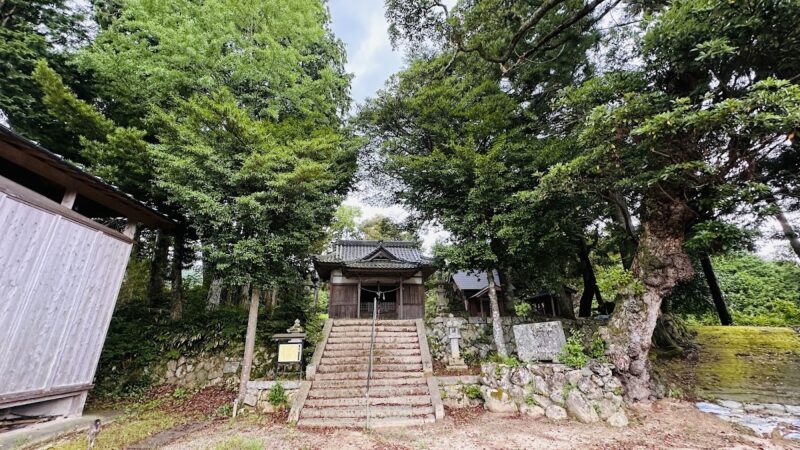
The water basin, where one purifies their mind and body before worship, is simple yet kept clean. The approach to the shrine has a quiet and peaceful atmosphere, offering a time to forget the hustle and bustle of everyday life and connect with the gods.
Annual Events and Festivals
Grand Festival
At Kawakami Sanjinja Shrine, the Grand Festival is held once a year. This festival is an important event for the community, with many parishioners and local residents participating. In addition to Shinto rituals, traditional local performing arts and offerings may also be performed.
New Year’s Festival
To welcome the new year, the New Year’s Festival is held on New Year’s Day or the first three days of the new year. Local people visit the shrine for their first shrine visit of the year to pray for peace and prosperity in the new year.
Monthly Festival
The monthly festival is held regularly each month, praying for the peace of the community and the health of the parishioners. Although small in scale, it is an important Shinto ritual that continues to preserve tradition.
Autumn Festival/Harvest Festival
As a shrine dedicated to the gods of agriculture, a harvest festival is sometimes held in the autumn to give thanks for the year’s bounty and to pray for a good harvest the following year.
Etiquette and Manners for Visiting a Shrine
Basic Etiquette for Visiting a Shrine
When visiting Kawakami Sanjinja Shrine, please observe the following basic etiquette:
- Bow before passing through the torii gate: This is a courtesy before entering the sacred area.
- Walk along the edge of the path: The center is considered the path for the gods.
- Purify yourself at the water basin: Hold the ladle in your right hand and purify your left hand, then hold the ladle in your left hand and purify your right hand, then switch back to your right hand, receive water in your left hand, and rinse your mouth.
- Worship at the main hall: Two bows, two claps, and one bow are the basic forms of worship.
Mindset When Visiting a Shrine
A shrine is a sacred place. Please note the following:
- Worship quietly and avoid disturbing other worshippers.
- Do not speak loudly on the shrine grounds.
- Take your trash with you.
- Take photographs only within permitted areas and be considerate of other worshippers.
- Do not damage the sacred trees or shrine buildings.
Access Information
Location
Kawakami Sanjinja Shrine is located in Kyoto Prefecture, but we recommend checking the latest information before your visit. You can find detailed addresses at local tourist information centers or on the official websites of municipalities.
Access by Public Transportation
Generally, there are the following ways to access shrines in Kyoto Prefecture:
- Train: Access by foot or bus from the nearest station.
- Bus: Use local bus routes.
- Taxi: Taking a taxi from the nearest station may be convenient.
Please check the official websites of transportation companies for specific routes and timetables before your visit.
Access by Car
If visiting by private car:
- Check access routes from Kyoto city or surrounding areas in advance.
- Enter the shrine name or address into your car navigation system.
- Check in advance whether parking is available (smaller shrines may not have dedicated parking).
Visiting Hours
Shrine visiting hours are generally from sunrise to sunset, but the grounds themselves may be open 24 hours. However, the reception hours for the shrine office and the hours for receiving Goshuin (shrine stamps) are often limited, so check in advance if you wish to obtain these.
Nearby Tourist Attractions
Other Shrines and Temples in Kyoto Prefecture
When visiting Kawakami Sanjinja Shrine, you can have a more fulfilling pilgrimage experience by visiting other shrines and temples in the surrounding area. Kyoto Prefecture is dotted with numerous historical temples and shrines, each with its own unique history and charm.
Natural and Scenic Spots
The area around the shrine may offer beautiful natural scenery unique to Kyoto Prefecture. Enjoying a leisurely stroll while appreciating the seasonal landscapes is highly recommended.
Natural and Scenic Spots
The area around the shrine may offer beautiful natural scenery unique to Kyoto Prefecture. A leisurely stroll while enjoying the seasonal scenery is also recommended. ### Local Cultural Facilities
Visiting local historical museums and cultural facilities will allow you to gain a deeper understanding of the history of Kawakami Sanjinja Shrine and the surrounding area.
Goshuin (Shrine Seals) and Other Items
About Goshuin
Whether or not Kawakami Sanjinja Shrine issues goshuin depends on the size and structure of the shrine. Smaller shrines may not have resident priests and may not issue goshuin, or may only offer them on specific dates and times.
If you wish to receive a Goshuin (temple/shrine stamp), please note the following:
- Check in advance whether Goshuin are available and when they are offered.
- Bring your Goshuincho (stamp book).
- Prepare a donation (generally around 300-500 yen).
- Request politely.
Amulets and Offerings
Shrines often offer a variety of amulets and offerings:
- Amulet for Protection Against Misfortune: An amulet to ward off evil.
- Amulet for Traffic Safety: An amulet to ensure the safety of cars and bicycles.
- Amulet for Academic Success: For those diligently studying.
- Amulet for Health: An amulet to pray for the health of your family.
- Ema (votive tablet): A votive tablet on which to write your wish and offer it.
Please note that smaller shrines may have a limited variety of offerings.
The Charm of Kawakami Sanjinja Shrine
A Quiet Worship Environment
One of the greatest charms of Kawakami Sanjinja Shrine is its quiet and peaceful worship environment. Unlike famous shrines crowded with tourists, this shrine allows you to take your time to pray and find peace of mind.
A Faith Rooted in the Community
As a shrine long cherished by the local people, it possesses a simple and warm atmosphere. Its continued role as a central hub of the local community conveys the traditional form of Japanese faith to the present day.
Experiencing the Changing Seasons
The nature within the shrine grounds displays different expressions in each of the four seasons, allowing you to enjoy a different landscape with each visit. Escape the hustle and bustle of the city and spend time healing your mind in nature.
Inheritance of History and Tradition
Although small in scale, Kawakami Sanjinja Shrine’s commitment to preserving the history and traditions of the region is important from the perspective of preserving Japanese cultural heritage. By visiting, you can touch a part of that history.
Points to Note When Visiting
Importance of Prior Confirmation
Before visiting Kawakami Sanjinja Shrine, we recommend confirming the following:
- The exact location of the shrine and the latest access information
- Festival and event schedules (if you wish to visit on a special day)
- Shrine office opening hours (if you wish to obtain a Goshuin stamp or other items)
- Parking availability and hours
Consideration of Weather
As this is an outdoor facility, visiting may be difficult depending on the weather. Particular care is needed during rainy weather or snowy winter days. Please wear appropriate clothing and shoes.
Consideration for the Community
Since shrines are often located within the living areas of local residents, please be considerate of the following:
- Move quietly in residential areas
- Do not trespass on private property
- Avoid street parking
- Always take your trash with you
Kawakami Sanjinja Shrine and the Local Community
As a Community Center
Kawakami Sanjinja Shrine functions not only as a place of worship but also as a place that strengthens the bonds of the local community. Through festivals and events, intergenerational exchanges are fostered, deepening community bonds.
Cultural Inheritance
Various traditions and customs related to shrines are passed down to future generations as part of the local culture. Children participating in festivals provide opportunities to learn about local history and traditions.
Environmental Conservation Role
The shrine’s grounds and sacred trees contribute to environmental conservation as valuable green spaces for the community. In the midst of increasing urbanization, this shrine greenery plays a crucial role in supporting the local ecosystem.
Spiritual Enrichment Through Worship
Mental Refreshment
Visiting Kawakami Sanjinja Shrine offers an opportunity to refresh the mind and escape from daily life. The time spent in the quiet grounds is a precious moment of healing in today’s stressful society.
Cultivating Gratitude
Through shrine visits, one can renew their gratitude for daily life. Praying for a bountiful harvest and family safety provides an opportunity to reaffirm the blessings of nature and the importance of family.
Understanding Traditional Culture
Visiting a shrine is a wonderful opportunity to experience and understand traditional Japanese culture. Learning about worship etiquette and the meaning of festivals deepens your understanding of Japanese culture.
Summary
Kawakami Sanjinja Shrine, located in Kyoto Prefecture, is a community-based shrine that preserves a long history and tradition. While not large in scale, it is a precious place where you can worship with heartfelt devotion in a peaceful environment.
It warmly welcomes visitors seeking various blessings, such as a bountiful harvest, family safety, and protection from evil. The beauty of nature in each of the four seasons is also one of its charms, revealing a different face each time you visit.
Unlike the famous tourist shrines in Kyoto Prefecture, you can experience traditional Japanese faith in a simple and tranquil atmosphere. This shrine is especially recommended for those interested in local history and culture, and those who wish to worship in peace.
When visiting, please check the latest information beforehand, remember to be considerate of the local community, and worship with heartfelt devotion. We hope that your visit to Kawakami Sanjinja Shrine will be a enriching experience.