About Kumataka Shrine
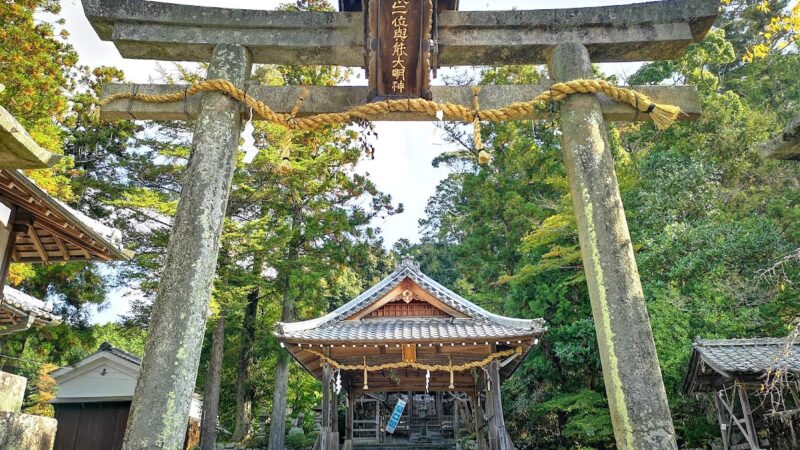
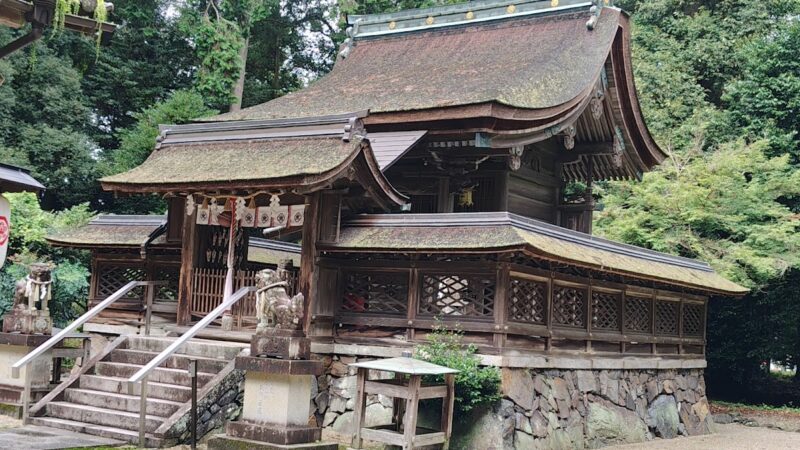
Kumataka Shrine is a subsidiary shrine located within the grounds of Fushimi Inari Taisha in Fushimi Ward, Kyoto City, in the Okusha area beyond the Senbon Torii (thousand torii gates). It is known for its mystical pond, “Kodama Pond,” and a unique worship method that allows visitors to predict the fulfillment of their wishes.
Located along the path to Mount Inari, approximately a 15-minute walk from the main shrine, it is a popular spot visited by many worshippers.
History and Origin of Kumataka Shrine
The exact founding date of Kumataka Shrine is unclear, but it has long been a place of worship, being one of the many shrines built in the mountains as Inari faith spread. The name “Kumataka” is said to originate from the fact that bears and hawks once inhabited this area, or it may be related to the worship of animals as divine messengers.
It is mentioned in Edo period documents, making it an ancient shrine with at least several hundred years of history.
Highlights of Kumadaka Shrine
The Legend of Kodama Pond (Kodama-ga-ike)
The most distinctive feature of Kumadaka Shrine is Kodama Pond (Kodama-ga-ike), which spreads out in front of the shrine building. A mysterious legend has been passed down about this pond since ancient times.
How to Make a Wish at Kodama Pond
- Consciously Think of Your Wish in Front of the Pond
Clearly visualize your specific wish.
- Take a Stone
Pick up a small stone placed by the pond.
- Call the “Echo”
Clap your hands towards the pond and wait for the echo (yamabiko) to return.
- Divination of Your Wish’s Fulfillment
- If the echo returns quickly, your wish will come true quickly.
- If the echo is slow, it will take time.
- If you hear no echo, it’s too early.
This unique divination method is based on the ancient Japanese belief that sound echoes are responses from the gods.
New Pond and Old Pond
Kodama Pond has two ponds, “New Pond” and “Old Pond,” each said to have different properties. Trying both is an interesting experience.
The Thousand Torii Gates and the Inner Shrine Area
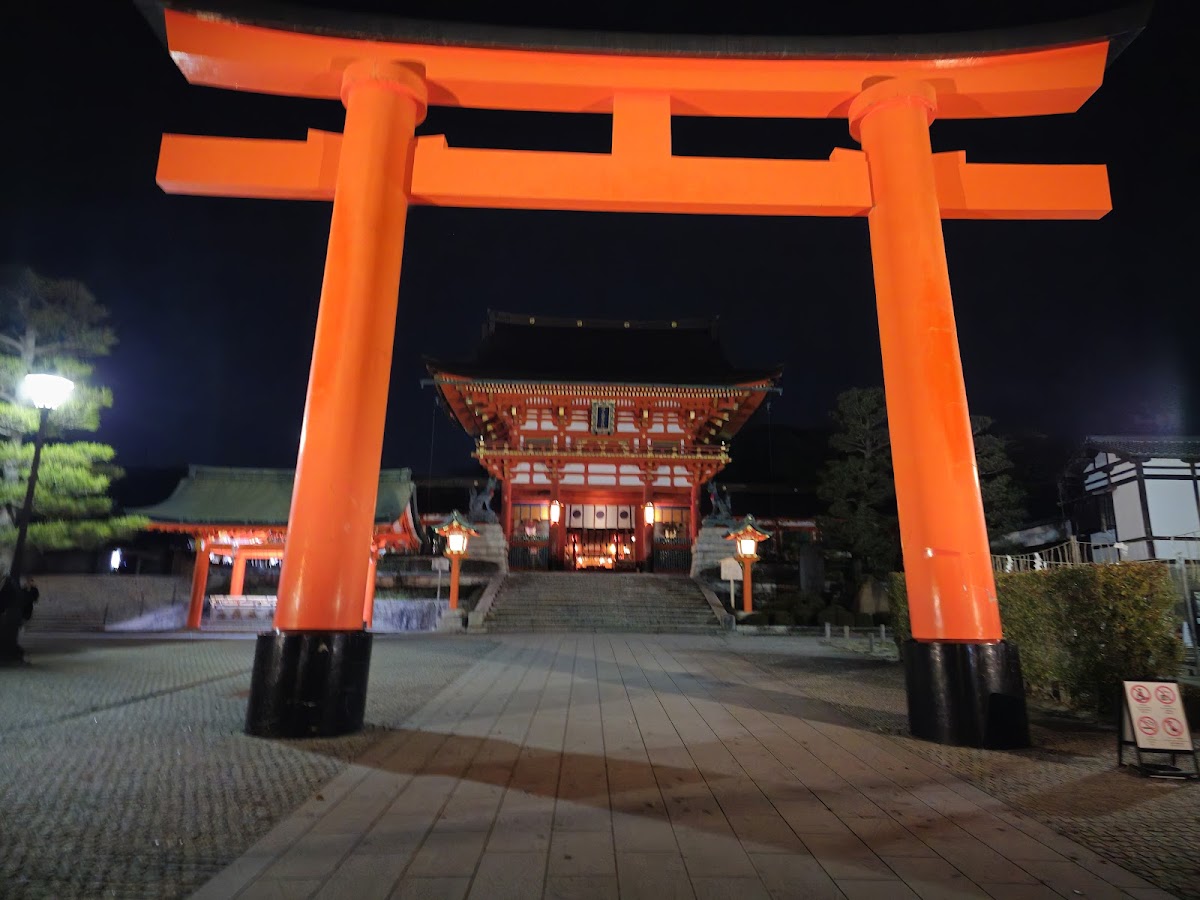
On the way to Kumadaka Shrine, you’ll encounter the thousand torii gates, a symbol of Fushimi Inari Taisha. After passing through this vermilion tunnel, you’ll reach the Inner Shrine Worship Hall, beyond which Kumadaka Shrine stands.
Benefits of Kumadaka Shrine
Main Benefits
- Wish Fulfillment: Fulfillment of various wishes through prayers at Kodama Pond
- Business Prosperity: The fundamental benefit of Inari worship
- Good Fortune and Prosperity: Increased luck due to the spiritual power of the mountain
- Matchmaking: Believed to have the power to bring good relationships
- Protection from Directional Misfortunes: Removal of misfortunes related to direction
Reasons for Particular Reverence
The reason Kumadaka Shrine is particularly revered is the concrete method of confirming divine will through prayers at Kodama Pond. Even today, many worshippers experience the “kodama” (echoes) and reports of their wishes being granted continue to pour in.
Points to Note When Visiting a Shrine
Etiquette for Visiting a Shrine
Basic Procedure for Visiting a Shrine
- Bow before passing through the torii gate.
- Purify your body and mind at the water basin.
Purify in the order of left hand → right hand → mouth → left hand.
- Bow twice, clap twice, and bow once in front of the shrine.
- Make a wish at Kodama Pond.
- Depart with a feeling of gratitude.
Recommended Times to Visit
- Early Morning (7:00-9:00): Fewer people, allowing for a quiet visit. The echoes are also easier to hear.
- Weekday Mornings: Relatively uncrowded, allowing for a leisurely wish-making experience.
- Evening (After 16:00): The setting sun creates a mystical atmosphere.
Weekends and tourist seasons are extremely crowded, so for those who wish to visit in peace, early weekday mornings are recommended.
Points to Note When Visiting
- Do not take stones from Kodama Pond: Always return the stone you used for making a wish to its original location.
- Do not throw anything into the pond: This is a sacred place, so please do not put offerings or anything else into the pond.
- Be quiet: Please be quiet so that you can hear the echoes and respect other visitors.
- Photography: Please be considerate of other visitors.
Access Information
Access to Fushimi Inari Taisha
Access by Train
JR Nara Line “Inari Station”
- Approximately 5 minutes from Kyoto Station
- A short walk from the station to the main hall of Fushimi Inari Taisha
- Most convenient access
Keihan Railway “Fushimi Inari Station”
- Approximately 5 minutes walk from the station to the main hall of Fushimi Inari Taisha
- Accessible from various locations in Kyoto City
Access by Car
- Approximately 20 minutes from Meishin Expressway “Kyoto Minami IC”
- Parking: Free parking available on the temple grounds (approximately 170 spaces, closed during the New Year period)
- Several paid parking lots are also available in the surrounding area
Route from the Main Shrine to Kumadaka Shrine
- From the Main Shrine to the Senbon Torii (Thousand Torii Gates): Approximately 5 minutes on foot
- Passing through the Senbon Torii: Approximately 5 minutes
- Via the Okusha Worship Hall: Approximately 3 minutes
- Arrival at Kumadaka Shrine: Approximately 2 minutes on foot from the Okusha
Total Time Required: Approximately 15 minutes total from the Main Shrine to Kumadaka Shrine
Distance: Approximately 700 meters
Difficulty: Gentle uphill slope, paved road
Landmarks along the way
- At the Senbon Torii fork, the right-hand route is generally taken.
- The “Omokaru Stone” at the Okusha Worship Hall is a famous landmark.
- There are Kumadaka Shrine signs everywhere, so you won’t get lost.
Estimated Time Required for Visiting
- Kumadaka Shrine Only: 15-20 minutes
- From Senbon Torii to Kumadaka Shrine: 30-40 minutes
- Round trip from the main shrine to Kumadaka Shrine: Approximately 1 hour
- Entire Inariyama Mountain (to the summit): 2-3 hours
Nearby Attractions
Okusha Worship Hall (Omokaru Stone)
At the Okusha Worship Hall, located before Kumadaka Shrine, there is a wish-granting stone called the “Omokaru Stone.” It is said that if you lift it and it is lighter than expected, your wish will come true; if it is heavy, it is unlikely to come true.
Mitsutsuji and Yotsutsuji
Continuing the climb from Kumadaka Shrine, you will reach Mitsutsuji and Yotsutsuji, the branching points of Inariyama Mountain. From Yotsutsuji, you can enjoy a panoramic view of Kyoto City, making it a popular scenic spot.
Gozendani Worship Hall
This is an important worship hall located on the mountainside of Inariyama Mountain, a sacred place where many divine sites are gathered.
Visiting Season and Events
Recommended Seasons
- Spring (March-May): Beautiful fresh greenery and mild weather
- Autumn (October-November): Stunning autumn foliage and a breathtaking contrast with the vermilion torii gates
- Winter (December-February): Fewer people, allowing for a peaceful visit. The snowy scenery is also picturesque.
- Summer (June-September): Lush greenery and cool atmosphere, but heat protection is necessary.
Main Annual Events
- New Year’s Visit (January 1-3): Extremely crowded; reaching Kumata Shrine takes time.
- Honmiya Festival (First Sunday after the start of the Doyo period in July, or the eve): The largest festival at Inari Taisha Shrine; the Mantō Shinji ritual is fantastic.
- Hitaki Festival (November 8): A festival to give thanks for a bountiful harvest.
Voices of people who have actually visited:
“When I clapped my hands at Kodama Pond, I was truly moved when I heard an echo. Three months later, my wish came true, and I returned to offer my thanks.” (Woman in her 30s)
“When I visited early in the morning, the misty pond was mystical, like another world. I will never forget the echo experience in the silence.” (Man in his 40s)
“Kumata-sha Shrine, located beyond the Senbon Torii (thousand torii gates), has a different, more solemn atmosphere than the main shrine. I got goosebumps when I heard the echo.” (Woman in her 20s)
Summary
Kumata-sha Shrine is a particularly mystical power spot within Fushimi Inari Taisha. The unique way of making wishes at Kodama Pond is a precious experience that cannot be found anywhere else. In the tranquil space beyond the Senbon Torii, be sure to experience a dialogue with the gods.
The 15-minute walk from the main shrine is just the right amount of time to escape from everyday life and calm your mind. When you’re sightseeing in Kyoto, why not extend your trip and visit Kumadaka Shrine?