Complete Guide to Shōinji Temple (Iga City, Mie Prefecture) | History and Highlights of an Ancient Temple Enshrining the Bodhisattva Kokuzō Associated with Kōbō Daishi Kūkai
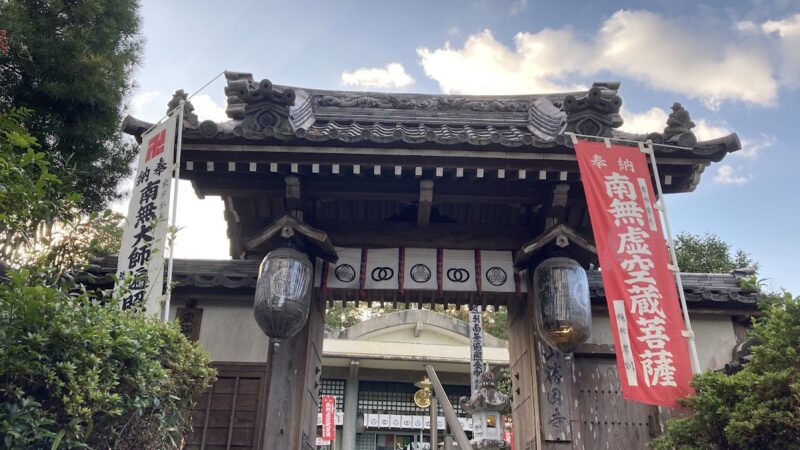
Located in Yamade, Iga City, Mie Prefecture, Shōinji Temple is an ancient temple of the Shingon-shu Buzan sect, said to have been founded by Kōbō Daishi Kūkai. Affectionately known locally as “Yamade no Kokuzō-san,” it is a historically significant temple whose principal image is a seated statue of Kokuzō Bodhisattva designated as a National Important Cultural Property. This article will introduce the charm of this ancient temple in its entirety, from its history and cultural assets to visiting information and even its connection to Iga ninjas.
History and Origin of Shōinji Temple
Founding Legend by Kōbō Daishi Kūkai
According to temple tradition, Shōinji Temple was founded sometime between 806 (Daidō 1) and 816 (Kōnin 7). When Kobo Daishi Kukai returned from Tang China and traveled throughout Japan prior to founding Mount Koya, he stayed in this mountainous area.
It is said that Kukai, on his way from Yamato to Ise in search of a sacred site for the Kokuzo Gumonji ritual, was deeply moved by the spiritual energy of this place and built a hermitage. It is believed that at this time, Kukai himself carved the seated statue of Kokuzo Bodhisattva, which would become the principal image of the temple, with a single stroke of the chisel and three bows, marking the founding of Shoinji Temple.
The Mountain and Temple Names of Hoshozan Shinjuin
The official name of Shoinji Temple is “Hoshozan Shinjuin Shoinji.” The mountain name “Hoshozan” indicates that this place is a sacred mountain that gives rise to the treasures of Buddhist teachings, and the temple name “Shinjuin” represents the shining gem-like quality of the teachings of Shingon Esoteric Buddhism.
The temple was originally located at the foot of a hill east of its current location, but it is said to have been relocated to its present site at the top of the Iwagaya Pass following the construction of a reservoir. This relocation allowed the temple to watch over the Iga region from a higher vantage point.
History as a Shingon-shu Buzan-ha Temple
Katsuinji Temple belongs to the Shingon-shu Buzan-ha sect. Records in the “Isuionko” indicate that it was once a branch temple of Daifukuji Temple in Kume Village. The Shingon-shu Buzan-ha is a branch of the Shingon sect, with Hase-dera Temple in Sakurai City, Nara Prefecture, as its head temple, and it inherits the teachings of Kobo Daishi Kukai.
During the Edo period, it had deep ties with Kotengu Seizo, a local Shugendo practitioner, and historically functioned as a center of Shugendo. The tomb of Kotengu Seizo is also located at the temple, indicating its role as a place of worship where Shugendo and Esoteric Buddhism were fused.
Nationally Designated Important Cultural Property: Wooden Seated Statue of Kokuzo Bodhisattva
The Principal Image Said to Have Been Created by Kobo Daishi Kukai
The greatest treasure of Shoinji Temple is the wooden seated statue of Kokuzo Bodhisattva, designated as a Nationally Important Cultural Property. This statue is said to have been carved by Kobo Daishi Kukai himself, with each stroke of the chisel accompanied by three bows, and is considered a valuable work from the early Heian period.
Kokuzo Bodhisattva is worshipped as a bodhisattva possessing boundless good fortune and wisdom, like the vast universe. In particular, it is believed to bring benefits such as improved memory, academic success, and improvement in artistic skills. It is said that Kukai himself attained enlightenment in his youth by practicing the Kokuzo Gumonji ritual.
Value as a Famous Buddhist Image of the Iga Region
The seated statue of Kokuzo Bodhisattva at Shoinji Temple, with its noble yet compassionate face, is highly regarded as one of the famous Buddhist images of the Iga region. This precious Buddhist statue retains strong characteristics of the early Heian period style, conveying the high skill and faith of the Buddhist sculptors of that time.
From a professional standpoint, its height, material, and carving techniques are of high academic value, making it a cultural asset that attracts attention from Buddhist statue researchers and art historians. It is affectionately known as “Yamade no Kokuzo-san” by the local people and continues to be visited by many worshippers.
Connection to the Kokuzo Gumonji Ritual
The Kokuzo Gumonji ritual is one of the important practices of Shingon Esoteric Buddhism. It involves chanting the mantra of Kokuzo Bodhisattva one million times over 100 days, and is believed to grant the ability to memorize and understand all Buddhist scriptures.
It is said that Kobo Daishi Kukai himself performed this ritual in his youth and attained enlightenment as a result. The fact that Shoinji Temple was chosen as a sacred site for this ritual forms the core of the temple’s history. Even today, Shōinji Temple is recognized as a sacred place of special significance for Shingon Buddhist monks and practitioners.
Shōinji Temple Grounds and Highlights
The Little Tengu Bell (Temple Bell)
Within the temple grounds is a temple bell called the “Little Tengu Bell,” cast in the early Edo period. Named after Kiyozō, a local Shugendō practitioner, this bell is a valuable cultural asset that conveys the region’s history and Shugendō culture.
The bell’s sound is pure and clear, and it once served the purpose of telling time. Even today, it is rung during events such as the New Year’s Eve bell, and its resonant sound echoing through the mountain village of Iga soothes the hearts of many.
Nature and Seasonal Flowers and Trees on the Temple Grounds
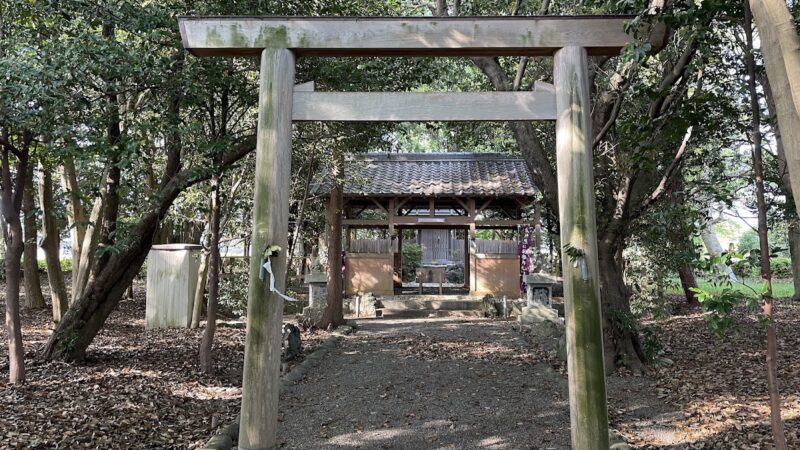
Shōinji Temple grounds are surrounded by abundant nature, and seasonal flowers and trees delight visitors. In spring, cherry blossoms bloom in profusion; in early summer, the fresh greenery is beautiful; and in autumn, the autumn leaves color the temple grounds.
Located at the top of the Iwagaya Pass, the temple grounds offer a panoramic view of the Iga Basin, which is one of its attractions. The tranquil grounds provide a place of peace and tranquility, away from the hustle and bustle of the city, offering solace to visitors.
Visiting Facilities and Atmosphere
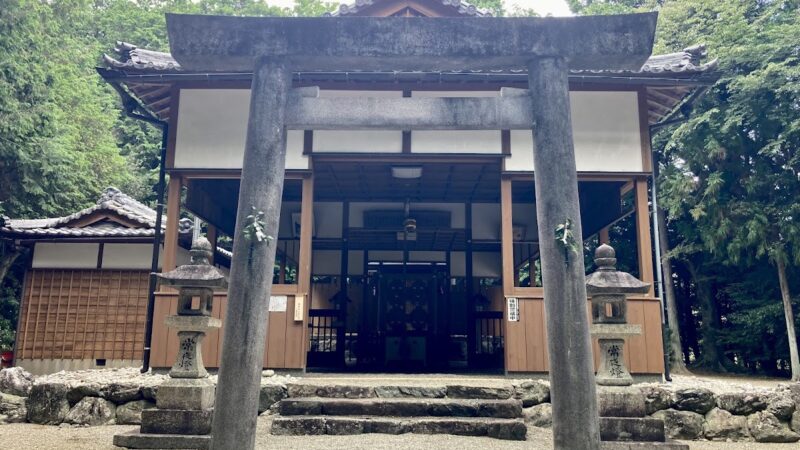
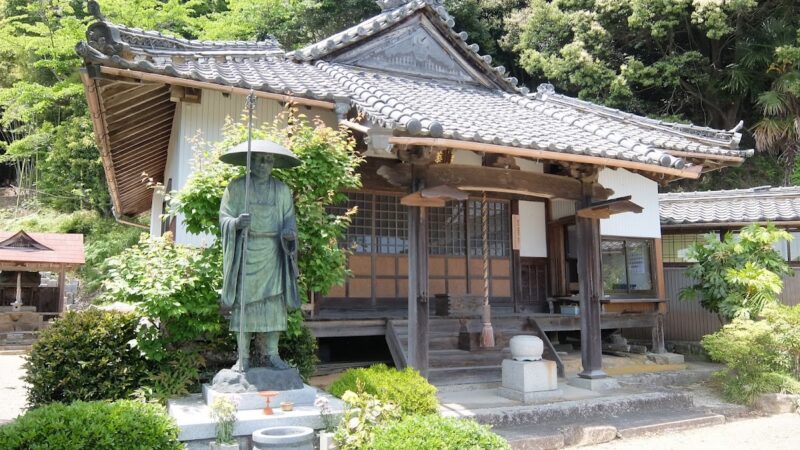
The main hall, though simple, possesses a solemn atmosphere, reflecting the grandeur of a Shingon Esoteric Buddhist temple. The grounds are meticulously maintained, reflecting the deep faith of the local people.
Located in a mountainous area, the temple is enveloped in a mystical atmosphere, especially in the early morning and evening, possessing a unique air that evokes its history as a place of ascetic training.
Connection to Iga Ninjas
Iga Ninja Corridor and Katsuinji Temple
Katsuinji Temple is counted among the “Iga Ninja Corridor,” a pilgrimage route to shrines and temples associated with Iga ninjas. The Iga region is known as the birthplace of ninjas, and many temples and shrines have deep connections to them.
The Yamade district, where Shōinji Temple is located, was within the activity range of Iga ninjas. Given the relationship between Shugendō (mountain asceticism) and ninjutsu, it is believed that Shōinji Temple, a gathering place for Shugendō practitioners, also had contact with ninjas. Shugendō practitioners acquired martial arts and knowledge of medicinal herbs through mountain training, which formed the basis of ninjutsu.
Goshuin (Temple Seals) and Ninja Pilgrimage
Currently, you can receive a Goshuin at Shōinji Temple, making it an important spot for visitors touring the Iga Ninja Corridor. Visiting temples and shrines associated with ninjas allows for a deeper understanding of Iga’s history and culture.
The Goshuin embodies the history and faith of the temple, and many people receive them as a memento of their visit. Combining this with other ninja-related spots in Iga City will allow you to enjoy a more fulfilling Iga sightseeing experience.
Detailed Information and Access to Shōinji Temple
Basic Information
Temple Name: Shōinji Temple
Official Name: Hōshōzan Shinjūin Shōinji Temple
Sect: Shingon-shu Buzan-ha
Principal Image: Wooden seated statue of Kokuzō Bosatsu (National Important Cultural Property)
Founding Date: Around 806 AD
Founder: Kōbō Daishi Kūkai
Address: 1658 Yamade, Iga City, Mie Prefecture
Postal Code: 〒518-0127
Access Methods
Access by Train/Bus: Approximately 15 minutes by car from Ueno-shi Station on the Iga Railway. Access by public transport is somewhat inconvenient, so we recommend using a taxi.
Access by Car: Approximately 20 minutes from Ueno IC on the Meihan Expressway. It is located at the top of the mountain pass in Iwagaya. There is parking near the temple grounds, but the road is narrow in some places, so caution is advised when driving.
Visiting Hours and Admission Fee
While the temple grounds are generally open to visitors, the main image, the seated statue of Kokuzo Bosatsu, is usually not open to the public. For information on special viewing opportunities, it is recommended to inquire with the temple in advance.
Regarding the issuance of Goshuin (temple stamps), since staff may not always be present, it is recommended to contact the temple in advance if you wish to receive one.
Tourist Attractions Around Katsuinji Temple
Iga Ueno Castle
Located about 15 minutes by car from Katsuinji Temple, Iga Ueno Castle is a famous castle built by Todo Takatora. Its high stone walls, approximately 30 meters high, are among the tallest in Japan, and the castle tower offers a panoramic view of the Iga Basin.
Iga-ryu Ninja Museum
Located very close to Iga Ueno Castle, the Iga-ryu Ninja Museum allows visitors to learn about the history and techniques of ninjas. The Karakuri House experience and ninja show are popular, making it a recommended spot for families.
Danjiri Hall
This facility exhibits the floats (danjiri) from the Ueno Tenjin Festival, a traditional event in Iga City. The magnificent floats are a must-see, offering insights into Iga’s festival culture.
Shindaibutsu-ji Temple
Another ancient temple located in Iga City, it houses the seated statue of Roshana Buddha, a nationally important cultural property. Visiting both Shōin-ji Temple and Shindaibutsu-ji Temple will provide a deeper understanding of Iga’s Buddhist culture.
Etiquette and Manners for Visiting Shōin-ji Temple
Precautions for a Temple in a Mountainous Area
Shōin-ji Temple is located on a mountain pass, so there is a possibility of icy roads, especially in winter. Also, wild animals may appear, so caution is advised when visiting early in the morning or evening.
Regarding Photography
Photography is generally permitted within the temple grounds, but there may be restrictions on photographing the interior of the main hall or of Buddhist statues. Please check before taking photos and be considerate of other visitors.
Maintaining Silence
Katsuinji Temple is a quiet temple with a history as a place of ascetic practice. It is important to refrain from loud conversations and noise, and to maintain a quiet atmosphere as part of proper temple etiquette.
Shingon Buddhism and the Worship of Kokuzo Bodhisattva
Teachings of Shingon Esoteric Buddhism
The Shingon sect, to which Katsuinji Temple belongs, is based on the teachings of Esoteric Buddhism brought back from Tang China by Kobo Daishi Kukai. It is characterized by the teaching of “Sokushin Jobutsu,” that is, the belief that one can become a Buddha while still alive.
It is a practical form of Buddhism that aims for oneness with the Buddha through chanting mantras, forming mudras, and meditation, and Katsuinji Temple continues to transmit these teachings to this day.
Merits of Kokuzo Bodhisattva
Kokuzo Bodhisattva is worshipped as a bodhisattva possessing infinite wisdom and compassion. In particular, the following benefits are believed to be associated with him:
- Improved Memory and Academic Success: It is believed that through the Kokuzo Gumonji ritual, one can memorize all knowledge.
- Improvement in Skills and Arts: He attracts the faith of those seeking improvement in arts and skills.
- Business Prosperity: He is worshipped by merchants as a bodhisattva who bestows good fortune and virtue.
- Protection from Misfortune and Good Luck: His vast merits are believed to ward off misfortune and bring good fortune.
Relationship with the Thirteen-Year-Old Ceremony
Kokuzo Bodhisattva has a deep connection to the “Thirteen-Year-Old Ceremony,” a rite of passage. This ceremony, primarily practiced in the Kansai region, involves children who have reached the age of 13 (by traditional Japanese age reckoning) visiting Kokuzo Bodhisattva to receive wisdom and good fortune.
The Buddhist Culture of the Iga Region and the Position of Shōinji Temple
Ancient Temples of Iga
Besides Shōinji Temple, the Iga region boasts numerous other temples with important Buddhist cultural assets, including Shindaibutsu-ji Temple and Jōfuku-ji Temple. These temples testify to the cultural prosperity of the Iga region from ancient to medieval times.
Shōinji Temple, in particular, holds a special place among them, with a founding legend attributed to Kōbō Daishi Kūkai, and is considered an important base for the spread of Shingon Esoteric Buddhism to the eastern provinces.
Role as a Center for Shugendō
The Iga region was a thriving area for mountain worship and Shugendō (mountain asceticism). Shōinji Temple also had deep ties to the Shugendō practitioner Kotengu Seizō and played a role as a center for Shugendō.
Shugendō, which involves training the body and mind through mountain asceticism, is said to have influenced later ninjutsu and is considered to have been one of the spiritual foundations of the Iga ninja.
The Significance of Visiting Shōinji Temple
Experiencing History and Faith
Visiting Shōinji Temple means tracing the footsteps of Kūkai, the founder of Buddhism, over 1200 years ago, and touching upon the origins of Japanese Buddhist culture. The seated statue of Kokuzō Bosatsu, a nationally important cultural property, is a precious artifact that conveys the faith and art of the early Heian period.
Healing of Mind in Tranquility and Nature
Located in a quiet mountainous area, Shōinji Temple is an ideal place to escape the hustle and bustle of modern society and find peace of mind. By slowly praying amidst the harmonious atmosphere of the temple grounds, you can attain inner peace.
A Comprehensive Understanding of Iga
Shōinji Temple is also connected to ninja culture as part of the Iga Ninja Corridor. By visiting the temple, you can understand the multifaceted history and culture of Iga, beyond just ninjas.
Summary
Katsuinji Temple, located in Yamade, Iga City, Mie Prefecture, is an ancient temple of the Buzan branch of the Shingon sect, said to have been founded by Kobo Daishi Kukai. Its principal image is a wooden seated statue of Kokuzo Bodhisattva, designated as a National Important Cultural Property, and it is affectionately known as “Yamade no Kokuzo-san” by the local people.
Around 806 AD, Kukai, upon returning from Tang China, chose this location for the Kokuzo Gumonji ritual, carved the statue of Kokuzo Bodhisattva himself, and built a hermitage, marking the beginning of the temple. This precious Buddha statue from the early Heian period is highly regarded as a famous Buddha of the Iga region, renowned for its noble and compassionate face.
Within the temple grounds is the “Little Tengu Bell” from the early Edo period, indicating a deep connection to Shugendo (mountain asceticism). Furthermore, as part of the Iga Ninja Corridor, it is an interesting temple with connections to ninja culture.
Nestled in a tranquil setting atop the Iwagaya Pass and surrounded by nature that changes with the seasons, Katsuinji Temple is a special place well worth visiting for those seeking history, faith, and peace of mind. When you visit Iga City, be sure to stop by this ancient temple and experience the space where over 1200 years of history breathes.