Complete Guide to Chūanji Temple (Iga City, Mie Prefecture) | History, Access, and Basic Information of a Jōdo Sect Temple
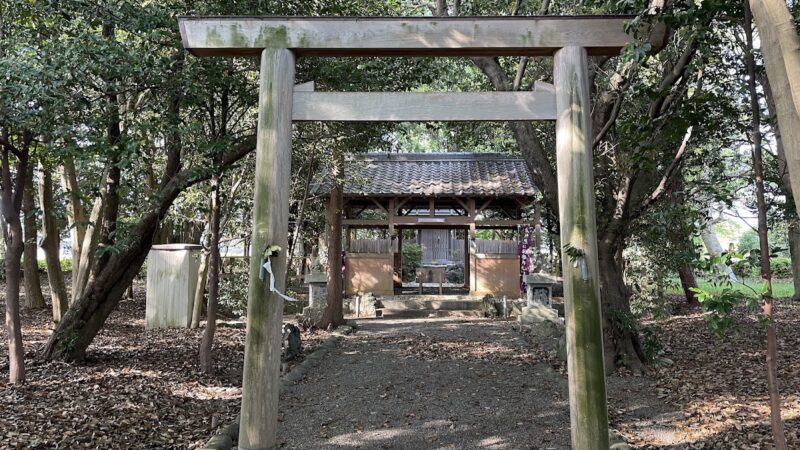
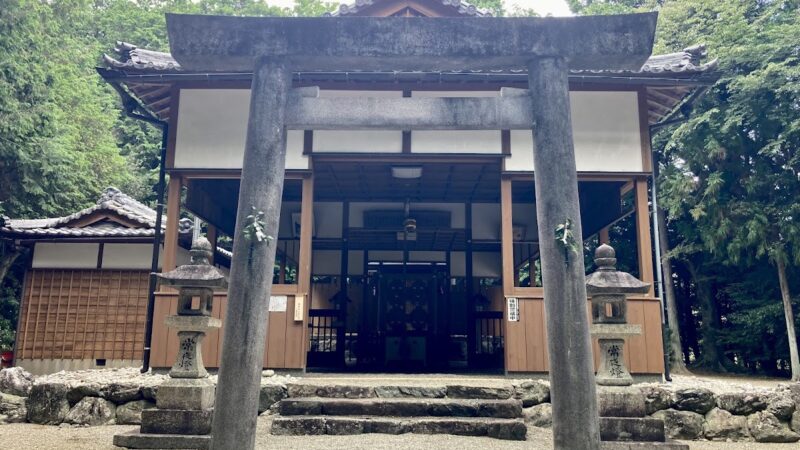
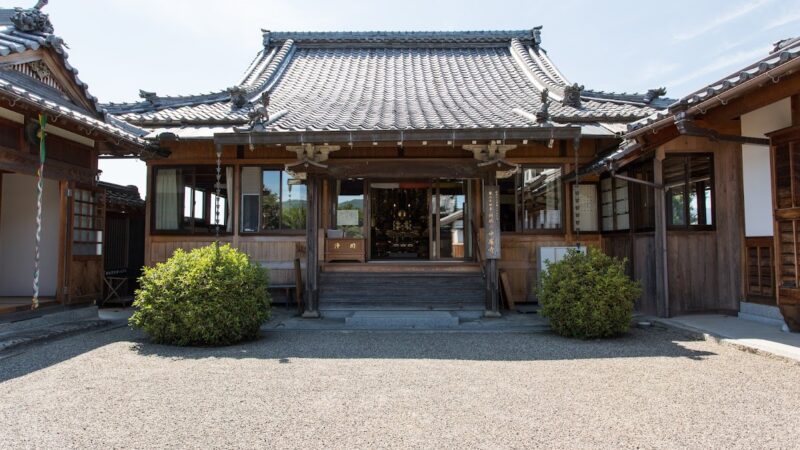
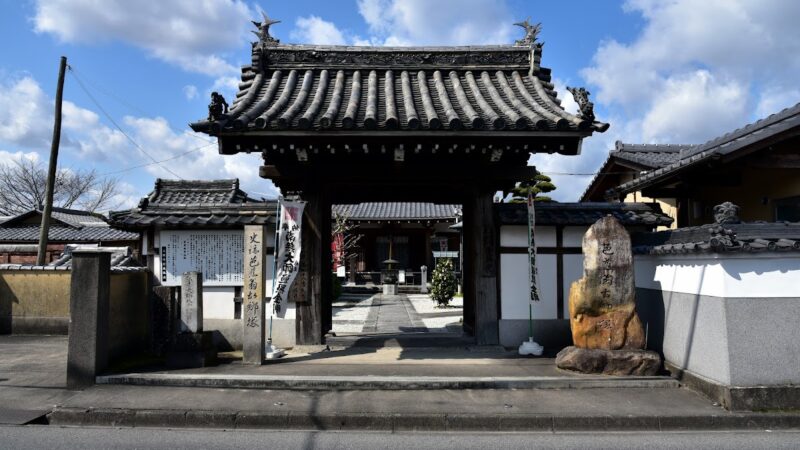
Located in Nishimyōji, Iga City, Mie Prefecture, Chūanji Temple is a historic temple belonging to the Jōdo sect. This article provides detailed information useful for those considering visiting or researching Chūanji Temple, from its basic information and historical background to access methods and information on surrounding temples.
Basic Information on Chūanji Temple
Chūanji Temple, located in Iga City, Mie Prefecture, is a Jōdo sect temple that has played a central role in local faith. Below is detailed basic information.
Location and Contact Information
Address: 780 Nishimyōji, Iga City, Mie Prefecture 518-0809
Chūanji Temple is located in the Nishimyōji district of Iga City, in a quiet environment surrounded by abundant nature. Iga City is a historical region known as the home of ninjas, and is an area dotted with many temples and shrines.
Sect and Corporate Information
Sect: Jodo-shu (Pure Land Buddhism)
Corporate Number: 1190005005818
Jodo-shu is one of the major Buddhist sects in Japan, founded by Honen Shonin. Its fundamental teaching is that anyone can attain rebirth in the Pure Land by chanting the Nembutsu, “Namu Amida Butsu.” Chūanji Temple also conducts religious activities based on this teaching.
What is Jodo-shu? The Religious Background of Chūanji Temple
By gaining a deeper understanding of Jodo-shu, to which Chūanji Temple belongs, we can learn about the temple’s character and the characteristics of its faith.
History and Doctrines of Jodo-shu
Jodo-shu was founded by Honen Shonin (1133-1212), who was active from the late Heian period to the early Kamakura period. While previous forms of Buddhism were academic and centered on the aristocracy, Jodo-shu preached an “easy path” open to common people and was widely accepted.
Characteristics of the Jodo Sect:
- Exclusive Nembutsu Recitation: Emphasis is placed on chanting “Namu Amida Butsu” (Homage to Amida Buddha).
- Reliance on Other Power: Belief in salvation through the power of Amida Buddha’s original vow.
- Equality: The teaching that all people will be saved, regardless of social status or education.
- Rebirth in the Pure Land: Aiming for rebirth in Amida Buddha’s Pure Land rather than through earthly practice.
Jodo Sect Temples in Mie Prefecture
Numerous Jodo Sect temples exist in Mie Prefecture, spread throughout areas such as Iga City, Tsu City, Yokkaichi City, and Matsusaka City. These temples serve as spiritual pillars of local communities, deeply connected to residents through funerals, memorial services, and annual events.
Chūanji Temple is one such temple in the Nishimyōji district of Iga City.
How to Access Chūanji Temple
Here is information on how to access Chūanji Temple.
Access by Public Transportation
Nearest Station: JR Kansai Main Line/Iga Railway “Iga-Ueno Station”
The distance from Iga-Ueno Station to Chūanji Temple is approximately 4km. Taking a taxi from the station is convenient. The journey takes about 10 minutes.
Access by Bus:
The Iga City Community Bus operates, but routes and schedules may change. Please check the latest information on the Iga City Hall or the transportation company’s official website before your visit.
Access by Car
Route from Major Roads:
- From Meihan National Highway “Ueno IC”: Approximately 15 minutes
- Via National Highway 25: From the center of Iga City towards Seimyōji Temple
We recommend contacting the temple in advance regarding parking availability.
Major Facilities in the Surrounding Area
The following facilities are located near Chūanji Temple:
- Iga Ueno Castle: Approximately 4km (approximately 10 minutes by car)
- Iga-ryu Ninja Museum: Approximately 4.5km (approximately 12 minutes by car)
- Danjiri Museum: Approximately 4km (approximately 10 minutes by car)
It is possible to enjoy sightseeing in Iga City in conjunction with your visit to the temple.
Temple Culture and Historical Background of Iga City
Iga City, where Chūanji Temple is located, is a region with a rich temple culture.
History of Iga City
Iga City flourished as a transportation hub from ancient times, and during the Nara period, it was the location of the provincial capital of Iga Province. In the Middle Ages, it was known as the home of the Iga-ryu ninja, and during the Sengoku period, it was the stage for Oda Nobunaga’s “Tenshō Iga Rebellion,” appearing on the historical stage many times.
Temples of Iga City
Iga City is home to temples of various Buddhist sects, including Jodo-shu, Shingon-shu, Soto-shu, and Shinshu Takada-ha. This indicates that the region has a long history of cultural richness and the coexistence of diverse faiths.
Major Temples in Iga City:
- Shin-Daibutsu-ji Temple: An ancient Shingon-shu temple housing a Great Buddha designated as an Important Cultural Property.
- Kanbodai-ji Temple: A Shingon-shu Buzan-ha temple with a main hall designated as a National Treasure.
- Gansho-ji Temple: A Tendai Shinsei-shu temple.
- Sairen-ji Temple: A Jodo Shinshu temple.
Along with these temples, Chuan-ji Temple forms the religious culture of Iga City.
Map of the Area Around Chuan-ji Temple and Nearby Temples
When visiting Chuan-ji Temple, visiting the surrounding temples as well will provide a deeper religious experience and understanding of history.
Characteristics of the Nishimyoji District, Iga City
The Nishimyoji district is a relatively quiet area within Iga City, a mix of residential and agricultural land. Old settlements remain, and the local community is strongly connected. Chūanji Temple has functioned as a spiritual pillar for this region.
List of Major Nearby Temples
The following temples are located around Chūanji Temple:
Jōdo-shū temples in Iga City:
- Seirenji Temple: Ueno district, Iga City
- Shōgakuji Temple: Iga City
- Shōmyōji Temple: Iga City
Temples of Other Sects:
- Shindaibutsu-ji Temple: Shingon sect, Tominaga, Iga City
- Kanbodai-ji Temple: Shingon-shū Buzan sect, Shimagahara, Iga City
- Ganjōji Temple: Tendai Shinsei sect, Nishimyoji district, Iga City
Visiting these temples allows you to experience the diverse Buddhist culture of Iga City.
Precautions and Manners When Visiting a Temple
When visiting a temple, it is important to observe proper manners.
Basic Etiquette for Visiting a Temple
Attire:
- Please wear clean and understated clothing.
- It is best to avoid revealing clothing.
Etiquette for Visiting a Temple:
- Bow at the temple gate before entering the grounds.
- If there is a water basin, purify your hands and mouth.
- Join your hands in prayer in front of the main hall and quietly recite the Buddhist prayer.
- Quietly place your offering in the offering box and ring the bell if there is one.
- The two bows, two claps, and one bow ritual is for Shinto shrines and is not performed at Buddhist temples.
Photography:
- Photography inside the main hall and of Buddhist statues is generally prohibited.
- When taking photos on the temple grounds, please be considerate of other visitors.
- If you are unsure whether photography is permitted, please be sure to check with temple staff.
Visiting Seasons and Events
Recommended Visiting Seasons:
While temples are generally open for worship year-round, the following periods hold special significance:
- Spring and Autumn Equinoxes: Important Periods for Ancestor Worship
- Obon (August): A time to welcome the spirits of ancestors
- First Three Days of the New Year: New Year’s visits to temples
Main Annual Events of the Jodo Sect:
- Gyokie (Memorial Service): A memorial service for Honen Shonin on the anniversary of his death (April)
- Jūya Hōyō (Ten Nights Service): A memorial service unique to the Jodo Sect (October or November)
- Segaki-e (Feeding of Hungry Ghosts): Ancestor worship and memorial service for those without relatives
These events may also be held at Chūanji Temple. Please contact the temple directly for details.
Temple Pilgrimage in Mie Prefecture and the Role of Chūanji Temple
Mie Prefecture is famous for Ise Grand Shrine, but it is actually a region rich in Buddhist culture with numerous temples.
Major Temple Areas in Mie Prefecture
Northern Mie Region (Kuwana City, Yokkaichi City, Inabe City):
- Many temples of the Shinshu Otani sect and Jodo Shinshu Honganji sect
- Kuwana City is also famous for its shrines, including Tado Taisha Shrine
Central Mie Region (Tsu City, Matsusaka City, Suzuka City):
- A concentration of temples of various sects, centered around Tsu City, the prefectural capital
- Senshuji Temple (Tsu City), the head temple of the Shinshu Takada sect, is an important temple
Southern Mie Region (Ise City, Toba City, Shima City):
- Strong Shinto influence due to its proximity to Ise Grand Shrine, but temples are also scattered throughout the area
- Numerous temples on the Ise Saigoku Thirty-Three Kannon Pilgrimage
Iga Region (Iga City, Nabari City):
- The area where Chuanji Temple is located
- Many ancient temples, with temples of high historical value scattered throughout the area
- Diverse Buddhist sects, including Shingon, Jodo, and Soto, coexist.
Suggested Temple Tour Routes
Starting from Chuanji Temple, you can tour the temples of Iga City using the following routes:
Half-Day Course:
- Chuanji Temple (Jodo Sect)
- Ganshoji Temple (Tendai Shinsei Sect) – Saimeiji Area
- Temples in Ueno City
Full-Day Course:
- Chuanji Temple (Jodo Sect)
- Shindaibutsu-ji Temple (Shingon Sect) – National Important Cultural Property
- Kanbodai-ji Temple (Shingon Buzan Sect) – National Treasure Architecture
- Stroll through Iga Ueno Castle and its castle town
About Buddhist Services and Memorials at Jodo Sect Temples
Jodo Sect temples like Chuanji Temple perform various Buddhist services and memorials.
Main Types of Buddhist Ceremonies
Funeral:
A Jodo-shu funeral, also known as an “Ojo ritual,” is a ceremony praying for the deceased’s rebirth in Amida Buddha’s Pure Land. It is characterized by a solemn ceremony centered around the chanting of Amida Buddha’s name.
Buddhist Memorial Services:
- From the 7th to the 49th day after death: Memorial service for the deceased
- First, third, and seventh anniversaries: Annual memorial service
- Thirteenth, seventeenth, and twenty-third anniversaries: Subsequent annual memorial services
- Thirty-third or fiftieth anniversaries: Final memorial service
Other Memorial Services:
- Segaki-e (Feeding of Hungry Ghosts): Memorial service for spirits without relatives or those in the realm of hungry ghosts
- Perpetual Memorial Service: Memorial service for those without successors
- Mizuko-kuyo (Memorial Service for Stillborn Children): Memorial service for children who were miscarried or stillborn
Flow of Requesting a Buddhist Memorial Service
- Preliminary Consultation: Contact the temple to discuss the date and content
- Schedule Adjustment: Adjust the availability of the monk and the schedules of the attendees
- Preparation: Prepare necessary offerings and donations
- On the Day: Chanting of sutras, incense offering, and sermon
- Meal (Otoki): A meal after the memorial service (optional)
If you wish to hold a memorial service at Chūanji Temple, please contact the temple directly.
The History of Iga City and the Role of Chūanji Temple
Understanding the historical background of Iga City is important for understanding Chūanji Temple.
Ancient and Medieval Iga
Iga Province has fostered its own unique culture since ancient times. During the Nara period, the provincial capital was established there, functioning as an administrative center. In the Middle Ages, it became known as the home of the Iga-ryū ninja, and special techniques and culture developed.
Iga in the Sengoku Period
During the Sengoku period, Iga maintained its independence by establishing a self-governing system called the “Iga Sōkoku Ikki” (Iga General Uprising). However, in the “Tenshō Iga Rebellion” of 1581, it was attacked by Oda Nobunaga’s forces, and many temples and shrines were burned down.
Later, under the patronage of Tokugawa Ieyasu, it was restored and developed as a castle town of the Todo clan during the Edo period.
Temple Culture from the Early Modern Period Onward
During the Edo period, with the establishment of the danka system (parishioner system), temples became central to local communities. It is believed that Chūanji Temple also attracted the faith of local people during this period, and became deeply connected to the community through funerals, memorial services, and annual events.
The impact of the anti-Buddhist movement after the Meiji Restoration varied by region, but many temples in the Iga region survived and continue to exist today.
Tourist Attractions in Iga City to Visit Along with Chūanji Temple
We recommend visiting attractive tourist spots in Iga City in conjunction with your visit to Chūanji Temple.
Historical and Cultural Facilities
Iga Ueno Castle:
A castle built by Todo Takatora, famous for its high stone walls. From the castle tower, you can enjoy a panoramic view of Iga city.
Iga-ryu Ninja Museum:
A facility where you can experience ninja culture through a trick house and ninja demonstrations.
Danjiri Hall:
A facility exhibiting the danjiri floats of the Iga Ueno Tenjin Festival, where you can learn about Iga’s festival culture.
Nature & Scenery
Ueno Park:
A park centered around Iga Ueno Castle, also known as a famous cherry blossom viewing spot.
Aoyama Plateau:
A plateau lined with wind turbines, ideal for hiking and driving.
Gourmet
Iga Beef:
A brand of beef that Mie Prefecture is proud of, with numerous specialty restaurants in Iga City.
Iga Ware:
Pottery with a thousand-year history, particularly famous for its earthenware pots.
Mie Prefecture Temple Database and Chuanji Temple
It is said that there are over 2,000 temples in Mie Prefecture. Let’s look at the position of Chuanji Temple among them.
Distribution of Temples by Sect in Mie Prefecture
Estimated Number of Temples by Major Sect in Mie Prefecture:
- Shinshu Takada-ha: Approximately 600 temples (Head temple Senshuji is located in Tsu City)
- Soto-shu: Approximately 300 temples
- Shingon-shu (Various Sects): Approximately 250 temples
- Jodo-shu: Approximately 200 temples
- Jodo Shinshu Honganji-ha: Approximately 150 temples
- Tendai Shinsei-shu: Approximately 100 temples (Head temple Saikyoji is in Shiga Prefecture, but there are many temples in Mie Prefecture)
- Others: Nichiren-shu, Rinzai-shu, Obaku-shu, etc.
Chūanji Temple is a Jodo-shu temple and one of approximately 200 Jodo-shu temples in Mie Prefecture.
Temple Management Using Corporate Numbers
Chūanji Temple’s corporate number, “1190005005818,” indicates that it is officially registered as a religious corporation. This corporate number system clarifies the legal status and responsibilities of temples.
Temple Information and Tool Utilization in the Digital Age
In modern times, temple information is also becoming increasingly digitized.
Online Temple Information Search
Temple information like that of Chūanji Temple can be searched using the following online tools:
Temple Search Sites:
- Official temple search systems of various sects
- Buddhist portal sites
- Local information sites
Map Apps:
- Google Maps
- Yahoo! Maps
- Other navigation apps
By utilizing these tools, you can check information such as the temple’s location, reviews, and photos in advance.
QR Codes and Smartphone Utilization
Some temples have installed QR codes, providing a service that allows visitors to view detailed information and history of the temple on their smartphones. Bringing your smartphone is convenient when visiting Chūanji Temple.
Examples of Use:
- Detailed information on the temple’s history and origins
- Temple grounds map
- Schedule of annual events
- Online sutra copying book
Summary: The Charm of Chūanji Temple and the Significance of Visiting
Chūanji Temple, located in Nishimyōji, Iga City, Mie Prefecture, is a Jōdo sect temple that has attracted the faith of local people for many years. It upholds the Nembutsu faith based on the teachings of Honen Shonin and is deeply connected to the local community through funerals, memorial services, and annual events.
Located in the historically rich region of Iga City, Chūanji Temple plays an important role not only as a religious facility but also as a bearer of local culture. Iga City, known as the home of ninjas, has many other historical temples besides Chūanji Temple, and visiting them allows for a deep understanding of Japanese Buddhist culture and local history.
Those planning a visit should observe proper manners and chant the Nembutsu with a quiet heart; this will be a valuable opportunity to experience the teachings of the Jōdo sect. Furthermore, visiting in conjunction with sightseeing in Iga City will provide a more fulfilling experience.
We hope that your visit to Chūanji Temple will be a time of peace and tranquility for you, and that it will be an opportunity to deepen your understanding of traditional Japanese culture.