Complete Guide to Chūanji Temple (Mie Prefecture) | History, Access, and Highlights Explained in Detail
Mie Prefecture is home to many historical temples and shrines, including Ise Grand Shrine. Among them, Chūanji Temple is known as a temple deeply rooted in the local community. This article provides a detailed explanation of Chūanji Temple’s history, characteristics, visiting information, access methods, and other information you should know before visiting.
What is Chūanji Temple? Basic Information and Overview
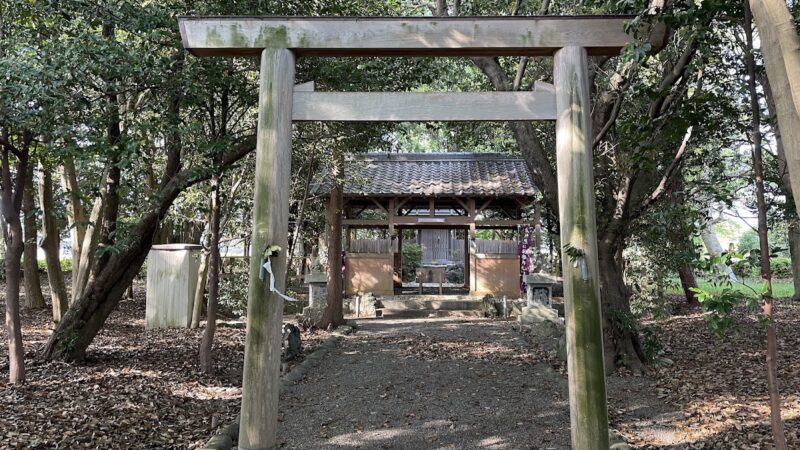
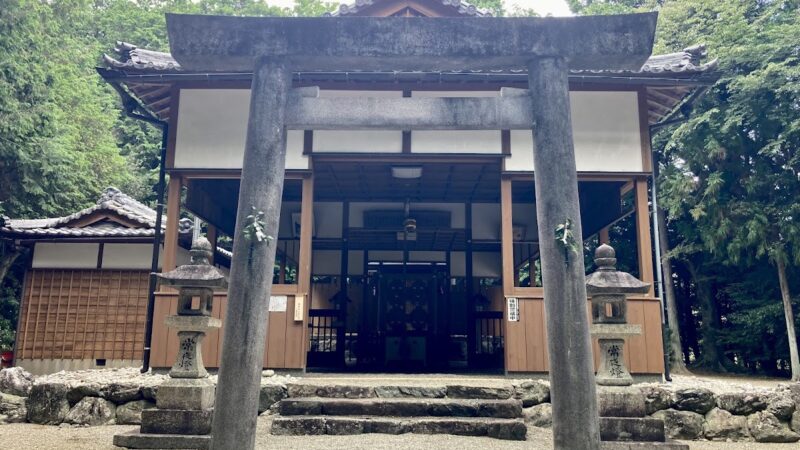
Chūanji Temple is a temple located in Mie Prefecture and is a historical temple that attracts the faith of the local community. While there are many temples throughout Japan, each temple has its own unique history and characteristics, and Chūanji Temple also functions as an important religious facility in its region.
Location and Sect
Temples in Mie Prefecture belong to various sects, including Nichiren Buddhism, Jōdo Buddhism, and Rinzai Buddhism, each continuing to uphold its own unique teachings and traditions. Mie Prefecture has many temples distributed throughout various regions, including Tsu City, Yokkaichi City, Ise City, Matsusaka City, Kuwana City, and Suzuka City, and Chūanji Temple is one of them, contributing to the local community.
Characteristics of the Temple
Chūanji Temple serves as a place of worship for local residents and as a cultural asset that conveys history. Many temples in Mie Prefecture have long been deeply connected to the lives of local people, becoming central to the community through annual events and religious services.
History and Origin of Chūanji Temple
History of Founding
Many temples in Japan were founded between the Nara and Heian periods, and each has its own legends and traditions surrounding its founding. In Mie Prefecture, there are many temples of high historical value, such as temples said to have been built by Prince Shōtoku at the behest of Empress Suiko, and temples involving Buddhist sculptors who came from Baekje.
A History That Has Walked Through Time
Many temples in Mie Prefecture have deep ties to Ise Grand Shrine. For example, Kongoshoji Temple on Mount Asama is known as a temple that protects the northeast (demon’s gate) of Ise Grand Shrine. As the saying goes, “If you visit Ise, you must also visit Asama; if you don’t visit Asama, your pilgrimage is incomplete,” indicating the close connection between pilgrimages to Ise and temple visits.
Nakaanji Temple is also one of the temples that has walked alongside the history of the region, witnessing the changes of the times. It has gone through various eras, from the turmoil of the Sengoku period, the stable period of the Edo period, the separation of Shinto and Buddhism during the Meiji Restoration, to the present day.
Highlights and Cultural Assets of Nakaanji Temple
Main Hall and Temple Grounds
The main hall, the heart of the temple, is the most important place where worshippers offer their prayers to Buddha. In temples in Mie Prefecture, the principal image of worship is enshrined according to each sect, and the architectural style also differs depending on the era and sect.
Within the temple grounds, in addition to the main hall, there are various other structures that make up a temple, such as a bell tower, a priest’s quarters, and a main gate. These structures are not merely religious facilities, but also valuable cultural heritage that conveys the history of the region.
Buddhist Statues and Cultural Properties
Many temples in Mie Prefecture have Buddhist statues and bronze bells designated as tangible cultural properties of the prefecture. For example, a temple in Matsusaka City houses a bronze bell designated as a tangible cultural property of the prefecture, and there is also a temple that enshrines a statue of Bishamonten said to have been carved by An’ami, a Buddhist sculptor who came to Japan from Baekje.
These cultural properties are not simply old; they are valuable historical materials that convey the technology, beliefs, and cultural exchanges of the time.
Seasonal Scenery
The charm of temples also lies in the scenery that changes with the seasons. Cherry blossoms in spring, fresh greenery in summer, autumn leaves in fall, and snowscapes in winter—each season presents a different face.
In particular, many temples in Mie Prefecture are located in areas surrounded by abundant nature, allowing visitors to enjoy nature along with their worship. ## How to Visit and Etiquette at Chūanji Temple
Etiquette for Visiting a Temple
When visiting a temple, it is important to know the basic etiquette. First, bow before passing through the main gate, and walk quietly within the temple grounds. If there is a water basin, cleanse your hands and mouth before proceeding to the main hall.
At the main hall, place your offering, clasp your hands together, and pray quietly. Unlike Shinto shrines, you do not clap your hands at temples. After praying, bow again before leaving the temple grounds.
About Goshuin (Temple Seals)
In recent years, collecting Goshuin has become popular, and many temples offer them. A Goshuin is not simply a stamp, but a token given by the temple as proof of your visit.
When requesting a Goshuin, please do so at the temple office or sutra hall after completing your prayers. It is important to bring your Goshuin book and make your request politely. A donation (or offering) of approximately 300 to 500 yen is typically offered.
Annual Events and Memorial Services
Many temples hold various events and memorial services throughout the year. Seasonal events such as New Year’s visits, spring and autumn equinox services, and Obon memorial services are deeply rooted in the lives of local people.
Participating in these events allows for a deeper understanding of the connection between the temple and the community.
How to Access Nakaanji Temple
Access by Public Transportation
Access to temples in Mie Prefecture varies depending on the location, but major temples are accessible by public transportation. It is common to use buses or taxis from Kintetsu or JR train stations.
For temples in Ise City, Kintetsu Ise-shi Station or JR Ise-shi Station are the nearest stations, from which you can take a bus or taxi. For temples in Tsu City, Matsusaka City, Kuwana City, Suzuka City, etc., use the appropriate transportation for each area.
Access by Car
When accessing by car, it is convenient to use expressways such as the Tomeihan Expressway, Ise Expressway, and Kisei Expressway. Entering the temple name or address into your car navigation system will allow you to arrive smoothly.
Parking availability varies by temple, so it is recommended to check in advance. Parking lots can be particularly crowded during peak seasons such as New Year’s Day and the equinox.
Surrounding Transportation Information
Mie Prefecture is a popular tourist destination, and the area around Ise Grand Shrine is especially bustling with tourists. Many people visit surrounding temples when visiting Ise Grand Shrine, and, as the saying goes, “If you visit Ise, you should also visit Asama,” many visitors also visit Kongoshoji Temple on Mount Asama.
Temple Pilgrimage in Mie Prefecture and Chuanji Temple
Major Temples in Mie Prefecture
Besides Chuanji Temple, Mie Prefecture has many other famous temples. In Tsu City, there is a temple said to have been built by Prince Shotoku at the behest of Empress Suiko, and in Ise City, on Mt. Asama, there is Kongoshoji Temple of the Rinzai sect, Nanzenji branch. Also in Tsu City, Senshuji Temple is known as the head temple of the Shinshu Takada sect and is an important temple with a national treasure building.
Matsusaka City has a Jodo sect temple that houses a bronze bell, a tangible cultural property of the prefecture. Historic temples are also scattered throughout Toba City and Futami Town, and are included in the Ise Saigoku Thirty-Three Kannon Pilgrimage route.
How to Enjoy Temple Pilgrimage
In Mie Prefecture, various pilgrimage routes are set up, including the Ise Saigoku Thirty-Three Kannon Pilgrimage. By following these pilgrimage routes, you can gain a deeper understanding of Mie Prefecture’s history and culture.
Temple pilgrimage is not simply about visiting temples, but also a journey to experience the history, culture, and nature of the land. Collecting temple stamps (Goshuin) while slowly visiting each temple can bring peace of mind and new discoveries.
Utilizing the Nichiren Sect Temple Map
When visiting Nichiren Sect temples, the “Nichiren Sect Temple Map” on the Nichiren Sect portal site is convenient. Nichiren Sect temples in Mie Prefecture are displayed on the map, and you can check basic information about each temple.
By utilizing such online resources, you can efficiently plan your temple visit.
Tourist Spots Around Chūanji Temple
Ise Grand Shrine and Surrounding Area
Ise Grand Shrine is a destination for many tourists visiting Mie Prefecture. Composed of the Inner Shrine and Outer Shrine, Ise Grand Shrine is a special place often called the spiritual home of the Japanese people.
Around Ise Grand Shrine, there are areas with traditional streetscapes such as Okage Yokocho and Oharaimachi, where you can enjoy local cuisine such as the famous Akabuku mochi and Ise udon.
Toba/Shima Area
Toba City and Shima City boast beautiful coastlines and abundant seafood. Toba Aquarium is known as one of Japan’s largest aquariums and is popular with families. Ishigami-san (Shinmei Shrine) is also attracting attention as a power spot said to grant one wish for women.
Matsusaka/Tsu Area
Matsusaka City is famous for Matsusaka beef and retains its historical streetscape. Tsu City, as the prefectural capital of Mie Prefecture, is the administrative center and also boasts many historical buildings and cultural facilities.
Characteristics and Beliefs of Temples in Mie Prefecture
Relationship with Ise Faith
One characteristic of temples in Mie Prefecture is their deep connection with Ise Grand Shrine. During the era of syncretism of Shinto and Buddhism, shrines and temples were closely intertwined, and pilgrimages to Ise and temple visits were considered one and the same.
Although shrines and temples were separated by the Meiji-era separation of Shinto and Buddhism, they continue to complement each other in local beliefs. ### Regional Beliefs and Temples
Temples in Mie Prefecture have served not only as religious institutions but also as centers of local communities. They have functioned as educational institutions (terakoya) and welfare facilities providing relief for the poor.
Even today, temples play a vital role as spiritual anchors for local people and as places for preserving traditional culture.
Diversity of Sects
Mie Prefecture is home to temples of various sects, including Nichiren Buddhism, Jodo Buddhism, Rinzai Buddhism, and Shin Buddhism. Each sect has its own unique doctrines and practices, and its architectural styles and ritual forms also differ.
This diversity speaks to the richness of Mie Prefecture’s temple culture.
Tips and Preparations for Visiting Chūanji Temple
Preparations Before Visiting
Before visiting a temple, it’s a good idea to make some preparations. First, researching basic information about the temple you will visit and understanding its history and characteristics will allow for a deeper pilgrimage experience.
Choose clothing that is not too flashy and aim for a clean and neat appearance. Even in summer, avoid clothing that exposes a lot of skin.
Checklist of Items to Bring
The following are items you should bring when visiting a temple:
- Goshuincho (stamp book) (if you wish to receive a stamp)
- Small change (for offerings and stamp fees)
- Camera (if photography is permitted)
- Comfortable walking shoes
- Rain gear or parasol depending on the weather
Photography Etiquette
Photography within temples is sometimes permitted and sometimes not. Photography is often prohibited inside the main hall and around Buddha statues, so always check before taking pictures.
Even if photography is permitted, it is important to be considerate of other visitors and take pictures quietly.
Deepening Your Understanding of Mie Prefecture’s Temple Culture
Characteristics of Temple Architecture
Japanese temple architecture has developed through the fusion of techniques introduced from China and the Korean Peninsula with a unique Japanese aesthetic. Various architectural styles from different eras can be seen in temples in Mie Prefecture.
By paying attention to details such as the shape of the roof, the arrangement of the pillars, and the style of decoration, one can discern the history and characteristics of the temple’s sect.
Buddhist Art and Crafts
Temples house many works of art, including Buddhist statues, paintings, and crafts. These are not merely decorative items, but visual representations of Buddhist teachings and are objects of faith.
Many temples in Mie Prefecture possess valuable Buddhist art designated as tangible cultural properties of the prefecture, conveying the richness of Japanese Buddhist culture.
Temples and Local Communities
In modern society, the role of temples is changing. However, their fundamental role of conveying local history and serving as a spiritual haven for people remains unchanged.
Many temples hold Zen meditation sessions, sutra copying sessions, and Dharma talks, providing opportunities for the general public to experience Buddhism. Furthermore, new forms of community-oriented activities, such as temple cafes and concerts, are also being undertaken.
Summary: Chūanji Temple and the Temple Culture of Mie Prefecture
Chūanji Temple, as one of the temples that make up Mie Prefecture’s rich temple culture, has walked hand in hand with the history of the region. In Mie Prefecture, alongside Shinto shrines such as Ise Grand Shrine, temples of diverse sects coexist, forming a unique religious culture.
Visiting temples is not merely sightseeing; it is a valuable opportunity to experience the history, culture, and faith of the people of the land. When visiting temples in Mie Prefecture, including Chūanji Temple, respecting the history and traditions of each temple and offering prayers in quiet contemplation will allow you to have a deeper experience.
When visiting Mie Prefecture, please visit not only Ise Grand Shrine, but also the temples rooted in the local community. There you will find the true face of Mie Prefecture, which is not found in tourist guidebooks. Chūanji Temple, too, is one of the temples that conveys the charm of Mie Prefecture, and will quietly welcome visitors.
Now, let’s go and pray. A journey through the temples of Mie Prefecture will surely bring you new discoveries and peace of mind.