Buttoji Temple (Iga City, Mie Prefecture) Complete Guide: Exploring the History of a National Important Cultural Property and the Eight Great Temples of Iga
Buttoji Temple, located in Iga City, Mie Prefecture, is an ancient temple of the Shingon-shu Buzan sect, founded in the early Kamakura period. Its mountain name is Hirano-san Kinren-in, and it was once known as a prestigious temple, considered the foremost of the Eight Great Temples of Iga. With its principal image being a wooden Amida Buddha statue and two attendant figures designated as a National Important Cultural Property, Buttoji Temple, which houses many treasures, is introduced in detail, including its history, cultural properties, and access information.
Basic Information on Buttoji Temple
Buttoji Temple is a Shingon-shu Buzan sect temple located in Hirano, Iga City, Mie Prefecture. Its mountain name is Hirano-san, and its temple name is Kinren-in. Its principal image is Amida Buddha, and it has a long history as a center of Buddhist faith in this region. Temple Name: Buttoji Temple
Sect: Shingon-shu Buzan-ha
Mountain Name: Hirano-san
Temple Name: Kinren-in
Principal Image: Amida Buddha
Founded: Early Kamakura Period
Location: Hirano, Iga City, Mie Prefecture
Cultural Property: Nationally Designated Important Cultural Property (Wooden Amida Buddha and Two Attendant Statues)
Iga City is nationally known as the home of ninjas, but it is also a region where Buddhist culture flourished, with many temples built from ancient to medieval times. Buttoji Temple holds a particularly important position among them, attracting the faith of the local community.
History of Buttoji Temple
Founding and the Kamakura Period
Buttoji Temple is said to have been founded in the early Kamakura period, in the early 13th century. This period in Japanese Buddhist history saw the widespread adoption of Pure Land Buddhism among the common people, and temples dedicated to Amida Buddha were established throughout the country. It is believed that Butsudo-ji Temple was founded within this historical context, serving as a center of Pure Land Buddhism in the Iga region.
From its inception, it is said to have belonged to the Shingon sect, developing a unique form of faith that blended Esoteric Buddhism and Pure Land Buddhism. The Amida Triad, the temple’s principal image, which preserves the Buddhist statue style of the Kamakura period, is a valuable cultural asset that tells the story of the faith at the time of its founding.
The Most Prestigious of the Eight Great Temples of Iga
From the medieval to the early modern period, Butsudo-ji Temple boasted a prestigious status, being called “the most prestigious of the Eight Great Temples of Iga.” The Eight Great Temples of Iga refer to eight temples in the Iga region that are particularly historically significant and of high rank. Among them, Butsudo-ji Temple was considered the foremost, attracting many monks for training and playing a central role in the region’s Buddhist culture.
During this period, records indicate that Butsudo-ji Temple boasted numerous temple buildings and possessed vast temple grounds. It also gathered many treasures and scriptures, flourishing as a center of learning and faith. Although it declined temporarily during the turbulent Sengoku period, it revived in the Edo period and once again developed as a temple that attracted the faith of the local community.
Developments since the Modern Era
Despite the impact of the anti-Buddhist movement after the Meiji Restoration, Butsudo-ji Temple survived, supported by the faith of the local people. In the Showa era, the principal image, Amida Buddha, and its two attendant statues were designated as important national cultural properties, and their cultural value became widely recognized.
Currently, as a temple of the Shingon-shu Buzan sect, it continues to attract the faith of local parishioners and believers, and is protected and preserved as a valuable cultural heritage of Iga City. It is also attracting attention as a tourist spot in Mie Prefecture, drawing many visitors interested in history and Buddhist art.
Cultural Property: Amida Triad Statues, Nationally Designated Important Cultural Property
Characteristics of the Wooden Amida Buddha and Two Attendant Bodhisattva Statues
The greatest treasure of Butsudo-ji Temple is the “Wooden Amida Buddha and Two Attendant Bodhisattva Statues,” designated as a National Important Cultural Property. These triad statues are believed to be from the early Kamakura period and are valuable cultural assets that convey the excellent Buddhist sculpture techniques of that time.
The central seated Amida Buddha statue is depicted with the mudra of meditation, characterized by its gentle and compassionate expression. Standing statues of Kannon Bodhisattva and Seishi Bodhisattva are positioned as the two attendant bodhisattvas, and together the triad represents the Pure Land. The realistic expression characteristic of Kamakura period Buddhist sculpture is beautifully fused with a form that combines strength and elegance.
The height of the statues and the detailed sculptural techniques suggest that they were the work of a first-class Buddhist sculptor of the time, making them important materials demonstrating the high level of Buddhist art in the Iga region. The statue is in excellent condition, with traces of the original coloring and gold leaf still partially visible, allowing us to imagine its magnificent appearance at the time of its founding.
Other Treasures
Besides the Amida Triad, a nationally important cultural property, Butsudo-ji Temple possesses many other treasures. These include Buddhist statues, paintings, scriptures, and ritual implements from the medieval to early modern periods, all testifying to the temple’s former prosperity, which was considered the finest of the eight major temples of Iga.
Among these cultural properties are hidden Buddha images and temple treasures not generally on public display; some can only be viewed during special ceremonies and annual events. They are carefully preserved and passed down as valuable historical materials that convey the region’s history and faith.
Highlights of the Temple Grounds
Main Hall
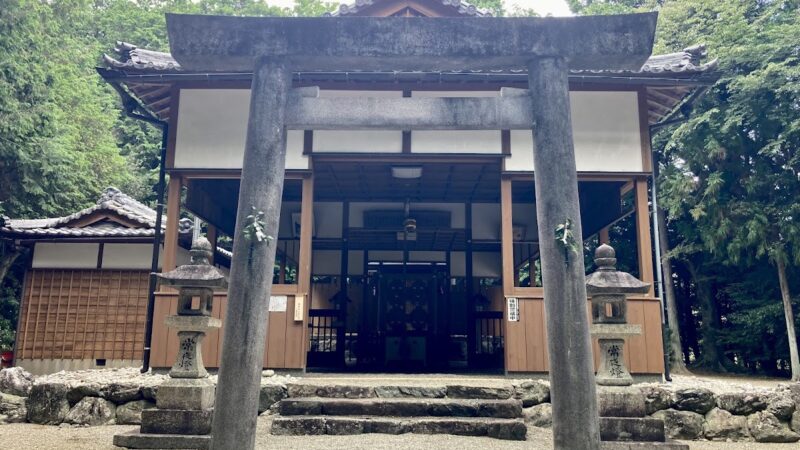
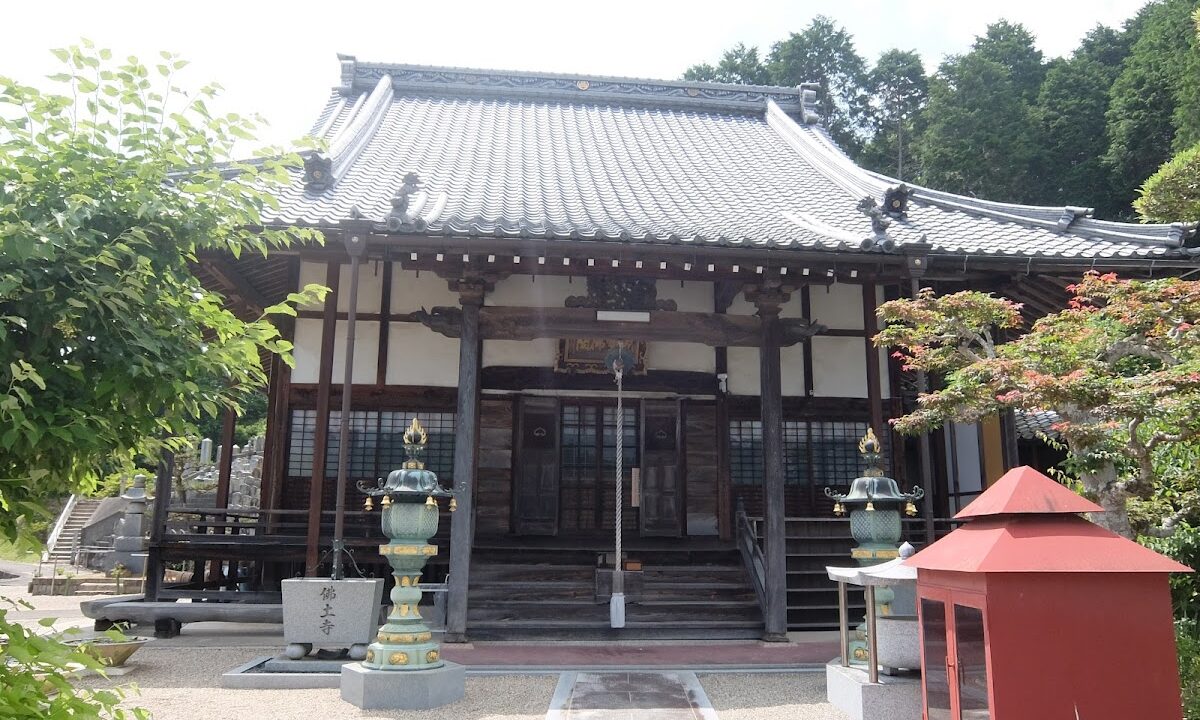
The main hall of Butsudo-ji Temple is the central building housing the Amida Triad, a nationally important cultural property. The current main hall was rebuilt between the late Edo period and the Meiji era, exhibiting a typical architectural style of Shingon Buddhist temples.
The interior of the hall is filled with a solemn atmosphere, and the Amida Triad statues, enshrined on the central altar, quietly welcome visitors. The ceiling and pillars are adorned with Edo period decorations, showcasing the high level of craftsmanship of the time.
Natural Environment of the Temple Grounds
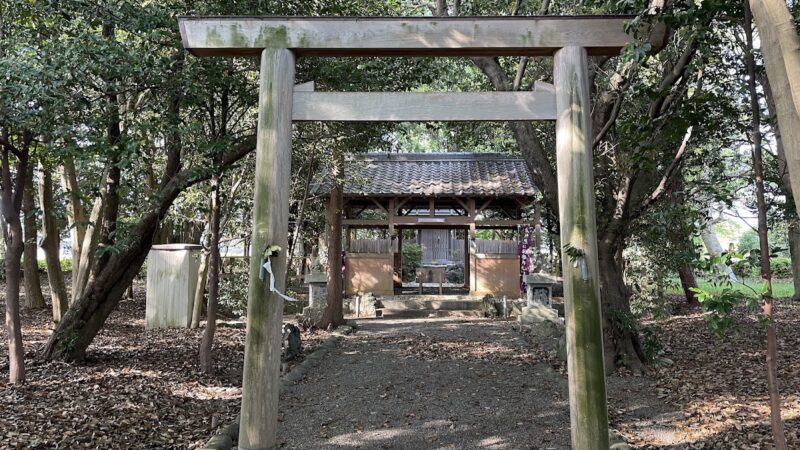
Butsudo-ji Temple is located in the naturally rich environment of Iga City. Surrounded by rural landscapes, visitors can experience the changing seasons. Cherry blossoms adorn the grounds in spring, and the autumn leaves are beautiful, allowing visitors to feel the passage of time.
The quiet and peaceful atmosphere of the temple grounds makes it a cherished place for local residents to escape the hustle and bustle of everyday life and find peace of mind.
Annual Events
Butsudo-ji Temple, as a Shingon Buddhist temple, holds various annual events.
Main Buddhist Services
New Year’s Service: A service is held to pray for good health and protection from illness throughout the year as the new year begins. Local parishioners and believers gather to celebrate the start of the new year before the Buddha.
Spring and Autumn Equinox Services: During the equinox period, centered around the spring and autumn equinoxes, memorial services for ancestors are held. Many worshippers visit to comfort the spirits of their ancestors.
Obon Memorial Service: In August, the Obon festival is held, a traditional event to welcome and honor the spirits of ancestors.
Year-End Memorial Service: As a culmination of the year, a New Year’s Eve memorial service is held, offering gratitude for the past year and prayers for the new year.
These events are deeply intertwined with the religious life of the community, demonstrating that Butsudo-ji Temple continues to function as a living place of faith.
Access Information
Location
Address: Hirano, Iga City, Mie Prefecture
Telephone: Please inquire with the tourist association in advance.
Access by Public Transportation
Train:
- Approximately 20 minutes by car from Iga Railway “Ueno-shi Station”
- Approximately 15 minutes by car from JR Kansai Main Line “Sanagu Station”
Since access by public transportation alone is difficult, we recommend taking a taxi from the station or renting a car.
Access by Car
Meihan National Highway:
- Approximately 15 minutes from “Nakase IC”
- Approximately 20 minutes from “Ueno IC”
Access is possible from the center of Iga City via national and prefectural roads. Parking is available on the temple grounds or in the surrounding area, but we recommend checking in advance.
Nearby Tourist Attractions
When visiting Butsudo-ji Temple, you can enjoy a more fulfilling trip by combining it with other tourist attractions in Iga City.
Iga Ueno Castle: A symbol of Iga City, known for its high stone walls. The castle tower offers panoramic views of the Iga Basin.
Iga-ryu Ninja Museum: A museum unique to Iga City, known as the home of ninjas. Visitors can enjoy an actual ninja residence and demonstrations of ninjutsu.
Danjiri Hall: A facility exhibiting the danjiri floats used in the Ueno Tenjin Festival, a quintessential autumn event in Iga Ueno. Visitors can experience Iga’s traditional culture.
Shin-Daibutsu-ji Temple: Another important temple in Iga City. It houses a large Buddha statue from the Muromachi period and numerous important cultural properties.
Notes for Visitors
Regarding Visits
Butsudo-ji Temple is still a temple that functions as a place of worship. Please note the following points when visiting:
- Visiting Hours: It is recommended to check in advance. There may be times when no one is present.
- Admission Fee: Regular visits are free, but special viewings may require an admission fee.
- Photography: Photography inside the main hall and of cultural artifacts may be prohibited. Please check before taking pictures.
- Dress Code: Please wear appropriate attire for a temple.
Manners
- Please pray quietly and be considerate of other visitors.
- The temple grounds are a sacred place. Please take all your trash with you.
- Do not touch the main image or cultural artifacts.
- Please refrain from visiting during religious services, or observe quietly from the back.
Temple Culture in Mie Prefecture and the Position of Butsudo-ji Temple
Mie Prefecture is home to many historical temples. Ise City has Kongosho-ji Temple, which protects the northeast direction of Ise Grand Shrine; Tsu City has Senshuji Temple, the head temple of the Shinshu Takada sect; and Matsusaka City has temples associated with Motoori Norinaga. Many unique temples exist throughout the prefecture. In Iga City, numerous ancient temples, including Butsudo-ji Temple and other Iga Eight Great Temples, have been scattered throughout the area, forming a unique Buddhist culture. The Iga region, in particular, is located close to Kyoto and Nara, and while influenced by central Buddhist culture, it has also developed its own distinct forms of faith.
Butsudo-ji Temple’s Amida Triad, a National Important Cultural Property, is one of the representative works of Kamakura period Buddhist art and holds a particularly important position among Mie Prefecture’s cultural properties. With its historical prestige, considered the finest of the Iga Eight Great Temples, it continues to attract local faith and plays a vital role in Mie Prefecture’s temple culture.
Significance of Butsudo-ji Temple Research
Butsudo-ji Temple is a temple of high research value from various perspectives, including Buddhist history, art history, and local history.
Significance in Buddhist Art History
The Amida Triad, a National Important Cultural Property, is an important example for studying the style of Buddhist statues from the early Kamakura period. It holds a valuable position in art history research as a document that shows how central styles and regional characteristics are fused together.
Significance in Regional History
The history of Butsudo-ji Temple, considered the foremost of the eight great temples of Iga, provides important clues to understanding the social structure, forms of faith, and cultural exchange in the Iga region from the medieval to the early modern period. Documents and records preserved at the temple are valuable historical materials for studying the region’s history.
Significance in the History of Religion
Butsudo-ji Temple, a Shingon Buddhist temple with Amida Buddha as its principal deity, is noteworthy as an example of the characteristic development of Japanese Buddhism, a fusion of esoteric Buddhism and Pure Land Buddhism. It is an important subject of research for understanding the realities of faith in the region.
Preservation and Transmission of Butsudo-ji Temple to the Future
The preservation of Butsudo-ji Temple as a cultural property is supported by the cultural property protection administration of Iga City, Mie Prefecture, and the national government. The temple properly preserves and manages its cultural properties, including the Amida Triad statue, a National Important Cultural Property, with regular repairs and environmental maintenance being carried out.
At the same time, Butsudo-ji Temple continues to function as a place of worship, supported by local parishioners and believers. Maintaining a balance between the preservation of cultural properties and the continuation of its function as a living place of worship is a challenge for the future.
Efforts are also underway to utilize the temple for local history education and as a tourist resource, ensuring its continued transmission to future generations as a valuable cultural heritage of Iga City.
Summary
Butsudo-ji Temple in Iga City, Mie Prefecture, is an ancient temple of the Shingon-shu Buzan sect, founded in the early Kamakura period. It is a historic temple housing the wooden Amida Buddha and two attendant statues, a National Important Cultural Property. It once held the highest status among the eight major temples of Iga and preserves many treasures.
When visiting Iga City, why not experience the Buddhist culture rooted in this region, along with the ninja culture? Butsudo-ji Temple is a precious place where you can feel the weight of history and faith that has continued since the Kamakura period, nestled in a tranquil rural landscape.
While it is difficult to access by public transport, it offers a serene and solemn atmosphere that only visitors can experience. When touring temples in Mie Prefecture or sightseeing in Iga City, be sure to visit Butsudo-ji Temple and experience the value of its history and cultural heritage.