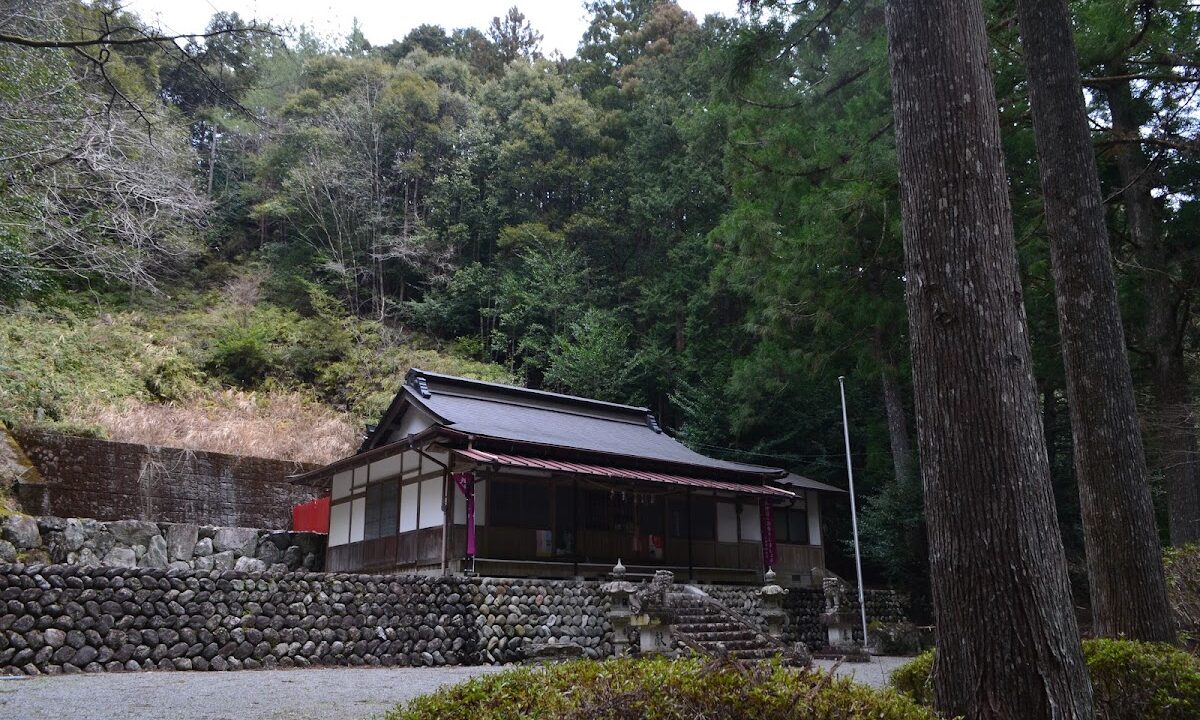
Awano Yahashira Shrine (Matsusaka City, Mie Prefecture) | Complete Guide to History, Deities, and Access
Awano Yahashira Shrine, located in Awano, Iitaka-cho, Matsusaka City, Mie Prefecture, is a historical shrine said to have been founded in 1108 (Tenjin 2) during the late Heian period. Despite numerous fires and mergers, Awano Yahashira Shrine has been preserved through the faith of the local people. This guide provides a detailed introduction to its history, enshrined deities, and highlights for visitors.
Basic Information on Awano Yahashira Shrine
Location: 1473 Awano, Iitaka-cho, Matsusaka City, Mie Prefecture
Postal Code: 〒515-1613
Corporate Number: 7190005007354
Shrine Rank: Former Village Shrine
Main Deity: Yahashira-no-Okami
Awano Yahashira Shrine is the tutelary shrine of the Awano district of Iitaka-cho, located in the mountainous area of Matsusaka City, and is beloved by the local people. Among the many “Yahashira Shrines” throughout Japan, this is the only one that bears the name “Awano.”
History of Awano Yahashira Shrine
From Founding to the Muromachi Period
According to shrine tradition, Awano Yahashira Shrine was founded in its current location in April of Tenjin 2 (1108). Originally, the shrine consisted of three separate shrines, with the eight great deities enshrined in the center, Amaterasu Omikami in the right shrine, and Izanagi-no-Mikoto in the left shrine.
This arrangement is thought to have sought greater divine power by enshrining Amaterasu Omikami, the supreme deity in Japanese mythology, and Izanagi-no-Mikoto, the god of creation, alongside the eight great deities. It is presumed that from the late Heian period to the Kamakura period, it functioned as a base for praying for the development of the region and the advancement of agriculture.
Hardships of the Sengoku Period
In December of Tenbun 5 (1536), the shrine buildings were constructed, giving the shrine its proper form. However, in Genki 1 (1570), during the turbulent Sengoku period, the shrine buildings were destroyed by fire, a major disaster.
The first year of the Genki era (1570) was the year of the Battle of Anegawa, in which Oda Nobunaga fought against the combined forces of the Asai and Asakura clans. This was a period of widespread warfare throughout Japan. The Awano region was also affected by the fighting, and the shrine buildings were destroyed. The deities were moved to a temporary shrine and worshipped in a temporary state for a long time.
Reconstruction in the Edo Period
138 years after the destruction of the shrine buildings, in the fifth year of the Hoei era (1708), a new shrine building was finally constructed. This reconstruction was a testament to the fervent faith and efforts of the local residents, and thereafter, regular construction and relocation ceremonies were held.
Throughout the Edo period, Awano Yahashira Shrine served as the tutelary deity of the Awano district of Iitaka Town, attracting the faith of people praying for abundant harvests, family safety, and prosperity of descendants.
Consolidation of Shrines in the Meiji Era and Restoration in the Showa Era
In the Meiji era, the shrine was affected by the government’s policy of consolidating shrines. On September 27, 1908 (Meiji 41), Awano Yahashira Shrine, along with Tachioka Shrine and Nakayama Shrine, was merged into Tabiki Shrine.
This was part of the Meiji government’s “One Shrine Per Village” policy, which led to the consolidation of small shrines throughout Japan. However, the loss of the local people’s cherished guardian deity brought a great sense of loss.
After the war, on April 13, 1955 (Showa 30), due to strong demands from local residents, the shrine was separated from Tabiki Shrine and re-established as Awano Yahashira Shrine at its former location. This marked the return of the Yahashira deities to Awano after approximately 47 years.
This restoration illustrates the crucial role shrines play for local communities. It suggests that they served not only as objects of worship but also as symbols of regional identity and bonds.
About the Deities Enshrined
What are the Eight Pillars of the Gods?
The “Eight Pillars of the Gods,” the principal deities of Awano Eight Pillars Shrine, are a collective name for multiple gods. The number “eight” is a sacred number in Japanese tradition, signifying “many” or “all,” and does not necessarily refer to exactly eight gods.
The deities enshrined at Yahashira Shrines generally include the following combinations:
- Amaterasu Omikami
- Izanagi no Mikoto
- Izanami no Mikoto
- Susanoo no Mikoto
- Onamuchi no Mikoto
- Sukunahikona no Mikoto
- Kotoshironushi no Mikoto
- Oyamatsumi no Mikoto
In the case of Awano Yahashira Shrine, since Amaterasu Omikami and Izanagi no Mikoto were enshrined there at the time of its founding, it is believed that multiple deities, including these, are enshrined as the Eight Pillars of Deity.
Divine Virtues
The divine virtues of the Eight Great Deities are diverse:
Abundant Harvest and Agricultural Prosperity: As guardians of agriculture, they bring abundant harvests.
Family Safety: They protect the peace and health of the family.
Protection from Misfortune and Bringing Good Fortune: They ward off disasters and invite good fortune.
Prosperity of Descendants: They protect against misfortune and ensure the continuation of the family line.
Business Prosperity: They support the success and development of businesses.
Healing from Illness: They aid in recovery from illness.
Especially in Awano, Iitaka Town, which was a thriving agricultural area, it is believed that prayers for abundant harvests were a central part of the faith.
Highlights of the Shrine Grounds
Shrine Building
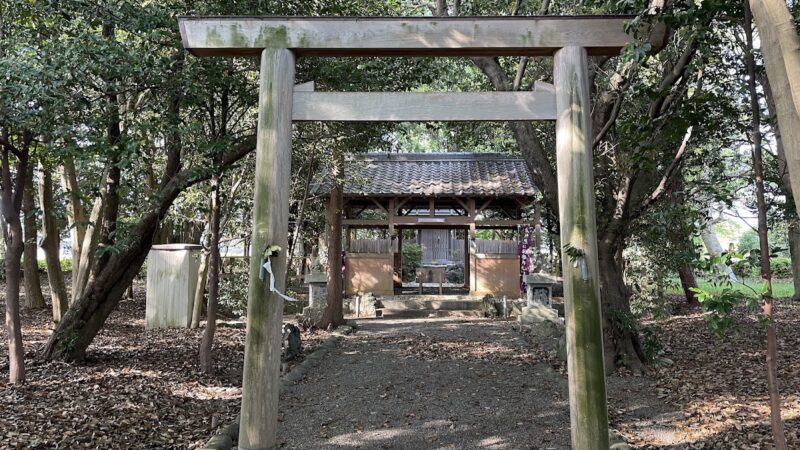
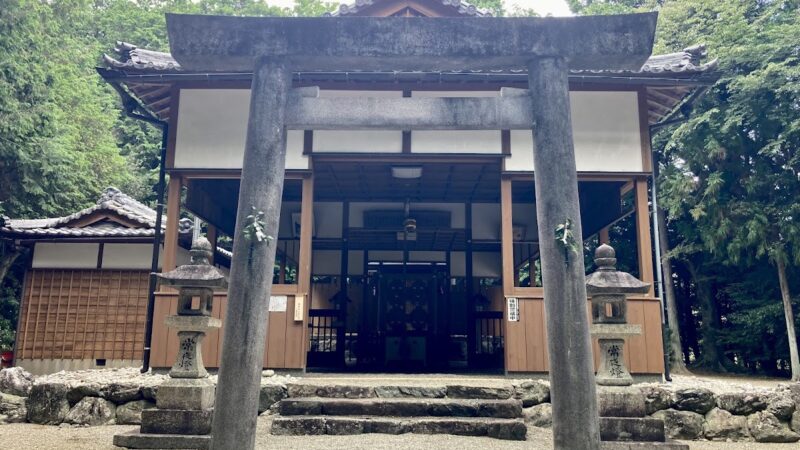
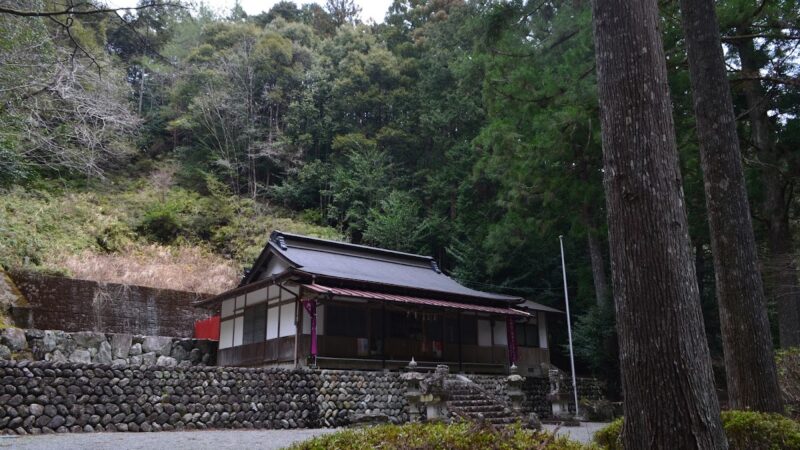
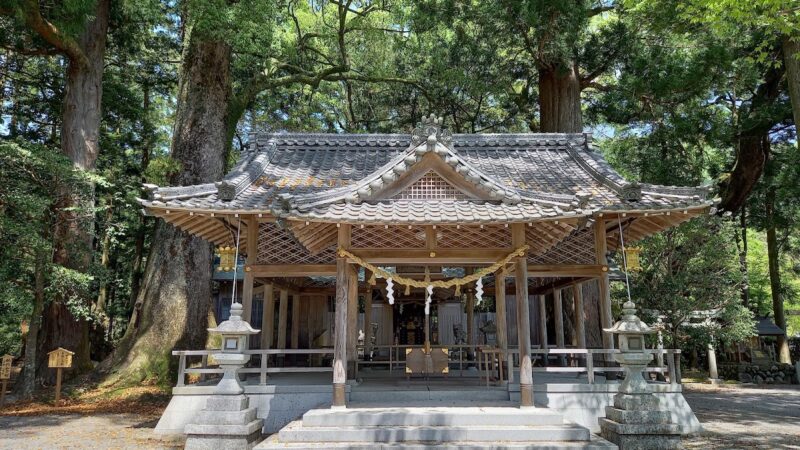
The current shrine building was renovated after the shrine’s restoration in 1955 and maintains the traditional style of shrine architecture. Located in a mountainous area, it is surrounded by abundant nature, offering a tranquil atmosphere for worship.
The main shrine is presumed to be in the Shinmei-zukuri or Nagare-zukuri style, with a separate structure for the worship hall and the main shrine. Although small in scale, it is meticulously maintained, reflecting the deep faith of the local people.
Natural Environment of the Shrine Grounds
Awano in Iitaka-cho is located in a naturally rich mountainous area of Matsusaka City, and the grounds of Awano Yahashira Shrine are blessed with beautiful nature throughout the seasons.
Spring: Cherry blossoms and fresh greenery adorn the grounds, a season where you can feel the breath of life.
Summer: Surrounded by deep green, with a refreshing breeze.
Autumn: Beautiful autumn leaves, perfect for quiet worship.
Winter: Snow-covered grounds create a solemn and sacred atmosphere.
Especially during the autumn foliage season, the trees on the grounds change color, offering a beautiful landscape to enjoy.
Annual Events and Festivals
Awano Yahashira Shrine, as the local guardian shrine, holds various festivals throughout the year.
Annual Festival
The annual festival, held every autumn, is the most important religious ceremony at Awano Yahashira Shrine. Local residents gather to give thanks for the year’s bountiful harvest and pray for peace and prosperity in the coming year. The Shinto priests solemnly perform rituals such as the recitation of prayers and the offering of sacred branches.
New Year’s Day Festival
This is a religious ceremony celebrating the start of the new year and praying for peace and prosperity throughout the year. Local people visit the shrine for their first shrine visit of the year, praying for happiness in the new year.
Monthly Festivals
These are monthly festivals held regularly to pray for daily peace and the safety of the community.
These festivals, though small in scale, are important opportunities to deepen the bonds of the local community.
Access and Visiting Information
Location
1473 Awano, Iitaka-cho, Matsusaka City, Mie Prefecture 515-1613
Transportation Access
Access by Car:
- Approximately 50 minutes from Matsusaka IC on the Ise Expressway via National Route 166
- Proceed along National Route 166 towards Higashi-Yoshino, then to the Awano area of Iitaka-cho
- Parking: Several parking spaces available on the temple grounds (free)
Access by Public Transportation:
- Take a bus from Matsusaka Station on the JR Kisei Main Line or Kintetsu Yamada Line
- Take a Mie Kotsu bus bound for Iitaka
- Get off at the Awano bus stop and walk for approximately 10 minutes
*Since the number of buses is limited, it is recommended to check the timetable in advance.
Visiting Hours
The temple grounds are generally open for free visits. However, please note that the shrine office may not always be staffed, so it is recommended that those wishing to receive a Goshuin (shrine stamp) or prayers check in advance.
Manners for Visiting Shrines
- Bow before passing through the torii gate
- Purify your body and mind at the water basin (temizuya)
- Bow twice, clap twice, and bow once in front of the main hall (haiden)
- Maintain tranquility within the shrine grounds and respect nature
Nearby Tourist Attractions
Nature of Iitaka Town
Iitaka Town, where Awano Yahashira Shrine is located, is blessed with abundant nature.
Kahada Gorge: A beautiful gorge created by the clear waters of the Kushida River, attracting many tourists, especially during the autumn foliage season. It is about a 20-minute drive from Awano Yahashira Shrine.
Hase Botanical Garden: A botanical garden where you can enjoy flowers and plants of all seasons. An ideal spot for nature walks.
Michi-no-Eki Iitaka Station: A roadside station where you can purchase local specialties and fresh agricultural products. It also has a hot spring facility, “Iitaka no Yu,” making it ideal for a rest after visiting the shrine.
Sightseeing in Matsusaka City
Matsusaka Castle Ruins: The site of a famous castle built by Gamo Ujisato. The stone walls remain beautifully intact, and it is also known as a cherry blossom viewing spot.
Gojoban Yashiki: A preservation district for important traditional buildings, lined with samurai residences from the late Edo period. You can stroll through the historical streetscape.
Matsusaka Merchant’s Hall: A facility where you can learn about the history of Matsusaka merchants who were active throughout Japan during the Edo period.
Other Yahashira Shrines in Mie Prefecture
Besides Awano Yahashira Shrine, there are several other Yahashira Shrines in Mie Prefecture.
Yahashira Shrine (Awano-cho, Ise City)
Location: 1245 Awano-cho, Ise City, Mie Prefecture
Corporate Number: 6190005005004
There is also a place name “Awano” in Ise City, and a Yahashira Shrine is located there as well. While it is a different shrine from the Awano Yahashira Shrine in Matsusaka City, it is also a shrine dedicated to Yahashira Okami and attracts local deities.
Yahashira Shrine (Shibikida, Taki-cho)
Location: 239 Shibikida, Taki-cho, Taki-gun, Mie Prefecture
The Yahashira Shrine located in Taki-cho is a historical shrine, with some theories suggesting it is the Shikinaisha (a shrine listed in the Engishiki) Aigaki Omi Shrine.
Yahashira Shrine (Katano, Taki-cho)
At the Yahashira Shrine in Katano, Taki-cho, a unique ritual called “Chorō Shinji” (Long Dragon Ritual) is held every year on the spring equinox. This Shinto ritual is said to have begun in the early 16th century, around the time the shrine was founded, and continues to be performed today as a traditional event praying for a bountiful harvest.
This magnificent ritual involves carrying a gohei (ritual wand) shaped like a dragon, approximately 6 meters long, and is attracting attention as a spot on the “Legend of the Rising Dragon” tour.
The Charm of Awano Yahashira Shrine
A Faith Rooted in the Community
The greatest charm of Awano Yahashira Shrine lies in its history of being protected by the local people for over 900 years and its deep connection with the community that continues to this day.
From the Meiji-era merger to the Showa-era restoration, the history of local residents’ efforts to reclaim their tutelary deity speaks to the strong bond between the shrine and the local community.
A Tranquil Worship Environment
Located in a mountainous area, Awano Yahashira Shrine is in a quiet environment far removed from the hustle and bustle of urban areas. Within the shrine grounds, surrounded by abundant nature, one can quietly worship and have time to reflect on oneself.
The unspoiled atmosphere, untouched by commercialization, allows you to truly appreciate the shrine’s original beauty.
Beauty in Every Season
Nearby amidst the rich natural beauty of Iitaka Town, Awano Yahashira Shrine displays different expressions in each of the four seasons. From the fresh greenery of spring, the deep green of summer, the vibrant autumn foliage, to the snowy winter landscape, there’s something to enjoy in every season.
Recommended Season for Visiting
Spring (March-May)
The fresh greenery is beautiful, and the mild weather makes it the perfect season for visiting. During the cherry blossom season, the shrine grounds are adorned in a delicate pink hue.
Autumn (October-November)
The autumn leaves are beautiful, and the entire town of Iitaka is colored with vibrant hues. Visiting in conjunction with the autumn foliage of Kohada Gorge is highly recommended. The best time to visit is especially from early to mid-November.
Festival Period
Participating in local festivals allows you to gain a deeper understanding of the shrine’s connection to the community. You can also enjoy interacting with the local people.
Summary
Awano Yahashira Shrine is a historic shrine located in Awano, Iitaka-cho, Matsusaka City, Mie Prefecture. Since its founding in 1108, it has undergone various changes, including destruction by fire during war, consolidation of deities during the Meiji era, and restoration during the Showa era, but has been preserved through the fervent faith of the local people.
The shrine enshrines Yahashira Okami as its main deity and is believed to bestow blessings such as abundant harvests, family safety, and protection from misfortune and good fortune. The tranquil grounds, surrounded by the rich natural beauty of the mountainous region, provide an ideal environment for peaceful worship.
While it is a distance from the center of Matsusaka City, visiting it in conjunction with the beautiful nature of Iitaka-cho and other tourist attractions such as Kohada Gorge will make for a more fulfilling trip.
For those who want to escape the hustle and bustle of the city and find peace of mind in a historic shrine, or those who want to visit a hidden gem in Mie Prefecture, Awano Yahashira Shrine is a recommended spot. Why not pay a visit?