Complete Guide to Chinkoku Shukoku Shrine (Kuwana City, Mie Prefecture) | History, Goshuin (Shrine Seal), and Access Information
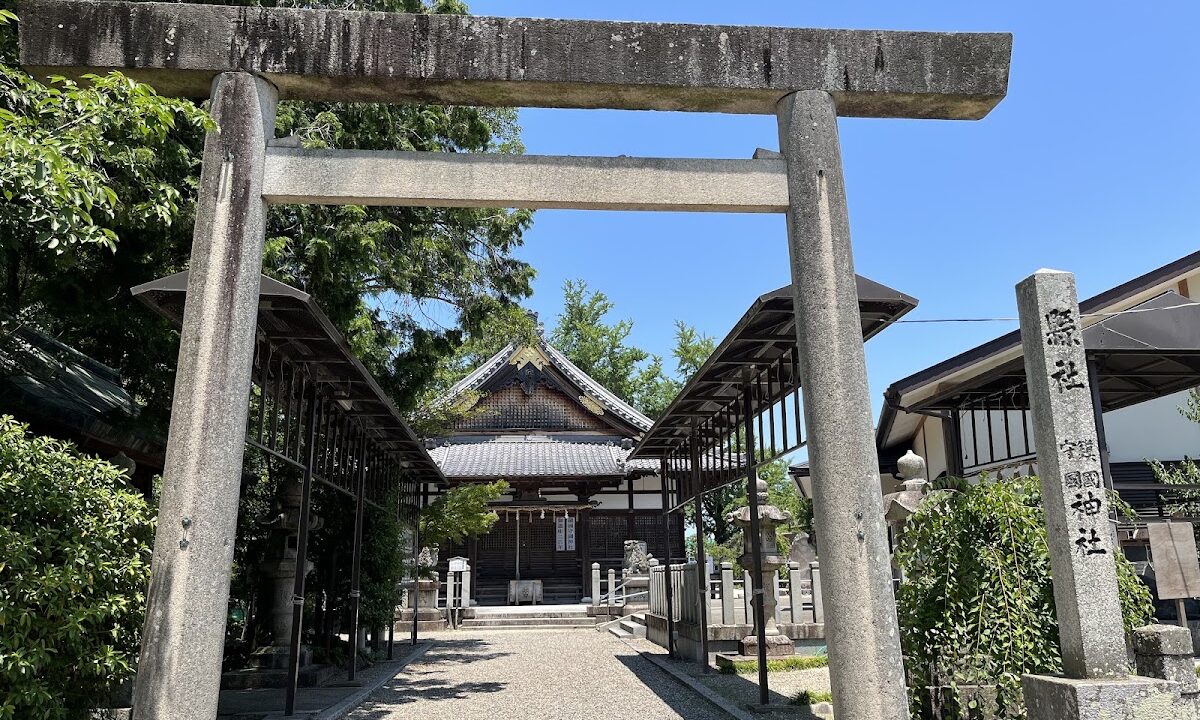
Chinkoku Shukoku Shrine, located on the site of the former main keep of Kuwana Castle in Kuwana City, Mie Prefecture, is one of the shrines dedicated to the founders of feudal domains that were popular throughout Japan from the late Edo period to the early Meiji period. Currently located within Kyuka Park, it is a shrine that possesses important cultural assets that convey the history of Kuwana, and is cherished by locals and tourists alike.
History of Chinkoku Shukoku Shrine
From Founding to Relocation to Kuwana
The history of Chinkoku Shukoku Shrine dates back to 1784 (Tenmei 4), within Shirakawa Castle in Shirakawa City, Fukushima Prefecture. At this time, it was founded as a shrine dedicated to Matsudaira Sadatsuna (Chinkoku-ko), the first lord of the Kuwana Domain. Matsudaira Sadatsuna was a daimyo in the early Edo period and was revered as the person who laid the foundation for the Kuwana Domain.
In 1823 (Bunsei 6), when the Matsudaira clan was transferred from Shirakawa to Kuwana, this shrine was also moved to the main enclosure of Kuwana Castle. Along with this relocation, Matsudaira Sadanobu (also known as Morikuni-ko or Rakuo-ko), a renowned lord known for the Kansei Reforms, was also enshrined, making it a shrine dedicated to two deities.
Changes After the Meiji Restoration
After the Meiji Restoration, when Kuwana Castle was dismantled due to the abolition of the feudal domains and the establishment of prefectures, the shrine was temporarily moved outside the main enclosure. However, in 1907 (Meiji 40), it was moved again to its current location on the site of the Kuwana Castle main enclosure, where it remains today. This area is now Kyuka Park, a popular recreational spot for citizens, and the shrine maintains a tranquil space within the park.
About the Main Deity
Matsudaira Sadatsuna (Chinkoku-ko)
Matsudaira Sadatsuna was the first lord of the Kuwana Domain and established the foundation of the domain’s administration. He was respectfully called “Chinkoku-ko” (Lord of the Nation), enjoyed the deep trust of his people, and was enshrined as a god in recognition of his achievements. Sadatsuna’s rule greatly contributed to the development of Kuwana, and he devoted himself to the improvement of the castle town and the promotion of industry.
Matsudaira Sadanobu (Lord of the Nation, Lord of Rakuo)
Matsudaira Sadanobu is known as a wise ruler who led the Kansei Reforms as a senior councilor of the Edo shogunate. He was respectfully called “Chinkoku-ko” or “Lord of Rakuo,” and was enthusiastic about promoting learning and culture. Sadanobu promoted compilation projects such as the “Shuko Jisshu” (Ten Types of Ancient Matters) and is highly regarded as a cultural figure. He became the lord of Kuwana Domain after serving as the lord of Shirakawa Domain, and his achievements are still recounted today.
Highlights of the Shrine Grounds
Atmosphere of the Shrine and Grounds
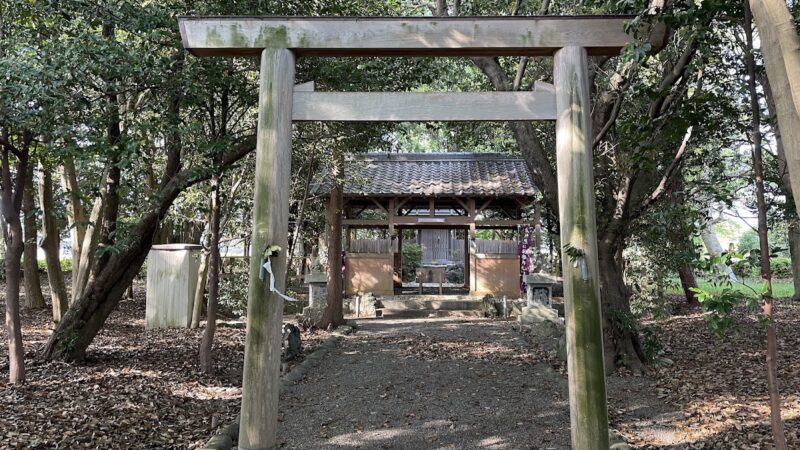
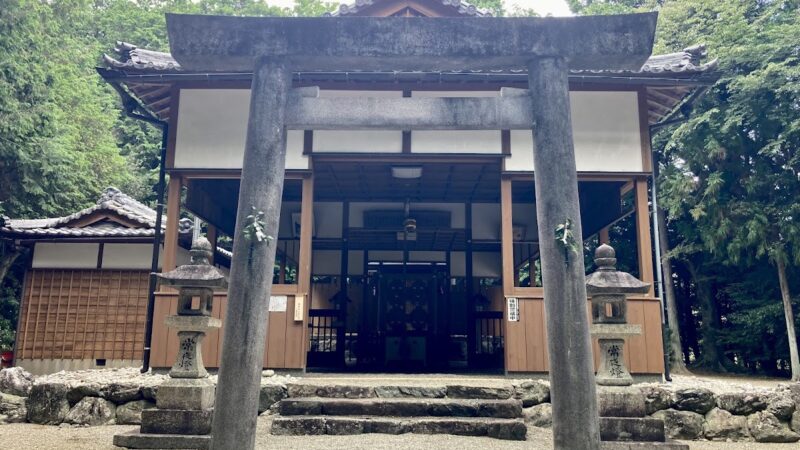
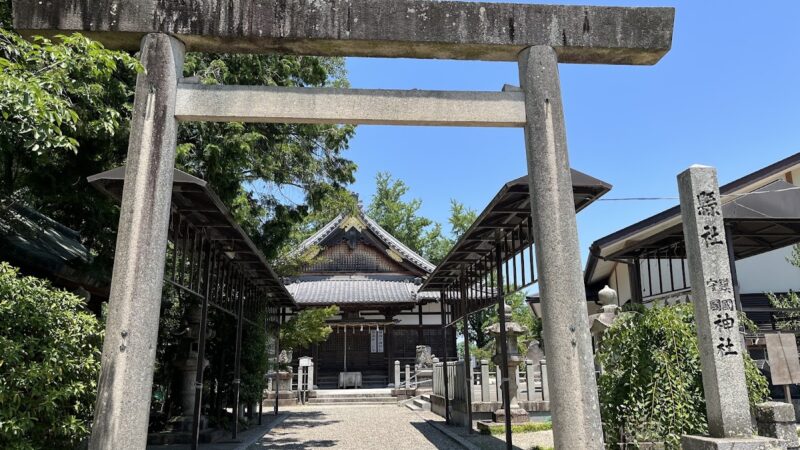
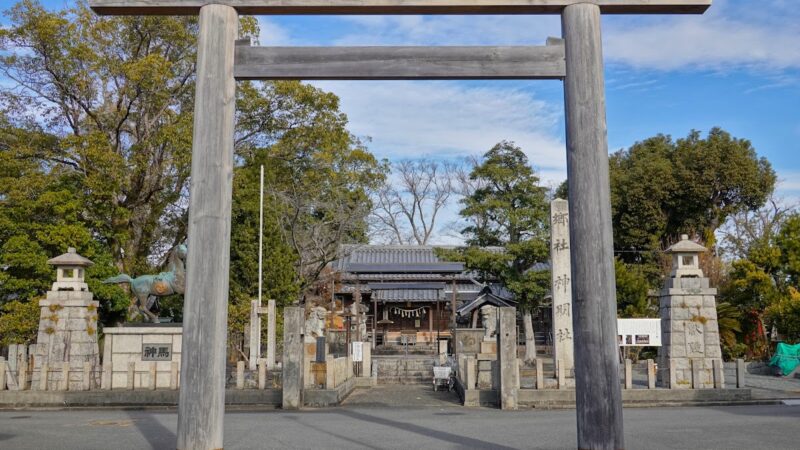
The grounds of Chinkoku Shukoku Shrine are located on the historical site of the former main keep of Kuwana Castle, and are enveloped in a quiet and solemn atmosphere. The shrine building, while simple, possesses a dignified structure, retaining the characteristics of Edo period shrine architecture. Large trees flourish within the grounds, allowing visitors to experience the beauty of nature throughout the seasons.
Rakuo Poetry Monument
Within the shrine grounds stands the Rakuo Poetry Monument, inscribed with a waka poem by Matsudaira Sadanobu (Lord Rakuo). Sadanobu was also a distinguished poet, and this monument is a valuable testament to his high level of cultural refinement. Standing before the monument, one can reflect on the culture and character of this wise ruler.
Rakuo Centennial Memorial Treasure Hall
Within the shrine grounds is the Rakuo Centennial Memorial Treasure Hall, displaying items related to Matsudaira Sadanobu and historical materials of the Kuwana Domain. Visitors can see books compiled with Sadanobu’s involvement and valuable historical materials concerning the domain’s administration, making it an important facility for gaining a deeper understanding of Kuwana’s history.
Cultural Properties
Shūko Jisshu Woodblock Prints
The most important cultural property held by Chinkoku Shukoku Shrine is the “Shūko Jisshu Woodblock Prints.” These are the woodblocks for the “Shūko Jisshu,” a catalog of ancient art objects compiled by Matsudaira Sadanobu, and are extremely important materials for the study of Edo period culture and art. Sadanobu devoted himself to the study of ancient artifacts and completed this voluminous catalog. The woodblocks demonstrate the high level of printing technology at the time and are a valuable legacy that tells the story of Sadanobu’s academic achievements.
Other Possessions
The shrine also houses swords, calligraphy, paintings, and ancient documents related to the Matsudaira family, some of which are on display in the treasure hall. These cultural properties are of high value not only for understanding the history of Kuwana but also for understanding the daimyo culture of the Edo period.
Annual Festivals and Rituals
Goldfish Festival
The most famous annual festival at Chinkoku Shukoku Shrine is the “Goldfish Festival,” held every year on May 2nd and 3rd. This festival is known as a symbol of early summer in Kuwana and attracts many visitors.
The origin of the Goldfish Festival stems from Kuwana’s fame for goldfish farming. Since the Edo period, Kuwana has been known as a producer of high-quality goldfish, and “Kuwana goldfish” were a nationally recognized brand. During the festival, numerous stalls line the shrine grounds and Kyuka Park, offering various events including goldfish scooping. For locals, it is an important event marking the transition from spring to early summer.
Major Annual Rituals
In addition to the Goldfish Festival, Chinkoku Shukoku Shrine holds various rituals throughout the year. Traditional rituals such as the New Year’s Day Festival and the Spring and Autumn Grand Festivals are solemnly performed, fulfilling the shrine’s role as a center of local faith.
Goshuin (Shrine Seals) and Goshuincho (Shrine Seal Books)
About Goshuin
Chinkoku Shukoku Shrine offers goshuin to visitors. The goshuin features the shrine’s name written in ink and stamped with the shrine’s seal. While there may be slight variations depending on the calligrapher, the calligraphy is characterized by its strong and dignified style.
Goshuin are popular among many visitors as proof of their visit and as a memento of their trip. Reception hours are generally during the shrine office’s opening hours, but this may not be possible during religious ceremonies or events. Therefore, it is recommended to check in advance if you wish to receive a goshuin.
Original Goshuincho (Shrine Seal Books)
The shrine also offers original goshuincho. Designs featuring Kuwana Castle and goldfish are popular as souvenirs of visits to this shrine.
Access Information
Location
Address: 9 Yoshinomaru, Kuwana City, Mie Prefecture
Location: Within Kyuka Park (site of Kuwana Castle’s main keep)
Access by Train
- Approximately 15 minutes on foot from Kuwana Station (JR Kansai Main Line/Kintetsu Nagoya Line)
- Approximately 10 minutes on foot from Nishi-Kuwana Station (Yoro Railway)
From Kuwana Station, head towards Kyuka Park. There are signs once you enter the park. The park is large, so proceed towards the main keep site to reach the shrine.
Access by Car
- Approximately 10 minutes from Kuwana IC (Tohoku Expressway)
- Approximately 15 minutes from Wangan Kuwana IC (Isewangan Expressway)
Parking
Kyuka Park has multiple parking lots. Parking spaces are available on the north and south sides of the park and are usually free of charge. However, during events such as the Goldfish Festival, congestion is expected, so using public transportation is recommended. During peak tourist seasons such as cherry blossom season, parking lots may be full, so it is recommended to visit with plenty of time to spare.
Nearby Attractions
Kyuka Park
Kyuka Park, where the Chinkoku Shukoku Shrine is located, is a park developed on the site of Kuwana Castle and serves as a place of relaxation for the citizens of Kuwana. In spring, approximately 450 cherry trees bloom, and the “Kuwana Castle Ruins Cherry Blossom Festival” is held. In early summer, irises bloom, and in autumn, the leaves change color, allowing visitors to enjoy nature throughout the seasons.
The park also contains remnants of Kuwana Castle, such as the castle tower base and stone walls, making it ideal for historical walks. The vast grounds also feature ponds and bridges, allowing for leisurely strolls.
Rokkaen Garden
Rokkaen Garden, within walking distance of Kyuka Park, is the former residence of Seiroku Moroto, a businessman from the Meiji and Taisho periods, and is designated as a National Important Cultural Property. The harmonious blend of Western and Japanese architecture is impressive, and the beautiful gardens are a must-see.
Kuwana Sōsha (Kasuga Shrine)
Kuwana Sōsha, the guardian shrine of Kuwana, has long been revered and is within walking distance of Chinkoku Shukoku Shrine. Affectionately known as “Kuwana’s Kasuga-san,” its August “Ishitori Festival” is known as the noisiest festival in Japan and is registered as a UNESCO Intangible Cultural Heritage.
Points to Note When Visiting
Visiting Hours
The shrine grounds are generally open all day, but the shrine office is open from approximately 9:00 AM to 5:00 PM. If you wish to receive a Goshuin (shrine stamp) or other items, it is recommended to visit during these hours.
Shrine Visiting Manners
Please observe basic shrine visiting manners. Bow when passing through the torii gate, and walk along the sides of the path, as the center is considered the path of the gods. After purifying your hands and mouth at the purification fountain, proceed to the main shrine and offer your prayers using the two bows, two claps, and one bow ritual.
Regarding Photography
Photography is generally permitted within the shrine grounds, but may be prohibited inside the main shrine or the treasure hall. Please be mindful of the sacred nature of the place and refrain from taking photos during religious ceremonies.
The History of Kuwana and Chinkoku Shukoku Shrine
Kuwana has long flourished as a post town on the Tokaido road and a key point for maritime transport in Ise Bay. During the Edo period, it developed as a castle town of the Kuwana Domain and became famous for its grilled clams, so much so that the saying “Those hands are like Kuwana’s grilled clams” was coined.
Kuwana Castle was an important fortress protecting a key point on the Tokaido road and was also known as “Ogi-jo” (Fan Castle). Although the castle was dismantled after the Meiji Restoration, some of the stone walls and moats remain, allowing us to imagine its former appearance.
Chinkoku Shukoku Shrine, situated on the site of the former main castle keep—the historical heart of Kuwana—embodies the very history of Kuwana. Visiting the shrine offers a valuable opportunity to experience the history of the Kuwana domain, the achievements of the Matsudaira family, and the daimyo culture of the Edo period.
Seasonal Attractions
Spring (March-May)
In spring, Kyuka Park is a popular cherry blossom viewing spot, bustling with many visitors. The area around the shrine is also surrounded by cherry blossoms, creating a vibrant atmosphere. The Goldfish Festival is held in May, making this the most lively season for the shrine grounds.
Summer (June-August)
In early summer, irises are in full bloom, and the lush green grounds offer a refreshing atmosphere. Even on hot summer days, the shade of the trees provides cool respite, allowing for peaceful worship.
Autumn (September-November)
In autumn, the autumn leaves are beautiful, and the shrine grounds are bathed in tranquil colors. Visiting the shrine in the crisp, clear air is a special experience, and it’s a season when you can feel the weight of history more deeply.
Winter (December to February)
In winter, the shrine grounds are enveloped in silence, and a dignified atmosphere permeates the air. While many worshippers visit during the New Year’s period, it’s quiet at other times, allowing for a peaceful visit.
Summary
Chinkoku Shukoku Shrine is a historical shrine located on the site of the main keep of Kuwana Castle in Kuwana City, Mie Prefecture. It was founded in 1784 within Shirakawa Castle, moved to Kuwana in 1823, and then relocated to its current location in 1907.
The main deities enshrined are Matsudaira Sadatsuna (Chinkoku-ko), the first lord of the Kuwana Domain, and Matsudaira Sadanobu (Shukoku-ko/Rakuo-ko), known for the Kansei Reforms. The shrine grounds contain a monument to Rakuo, a poet, and the Rakuo Centennial Memorial Treasure Hall, which houses valuable artifacts including the important cultural property, the Shūko Jisshu woodblock prints.
The Goldfish Festival, held annually on May 2nd and 3rd, is a beloved Kuwana tradition and attracts many visitors. Located within Kyūka Park, the shrine offers a privileged location where visitors can enjoy the changing seasons, including cherry blossoms and autumn leaves.
It’s easily accessible, approximately a 15-minute walk from JR and Kintetsu Kuwana Stations, and about a 10-minute walk from Yōrō Railway Nishi-Kuwana Station. Parking is also available. As a valuable shrine where you can experience Kuwana’s history and culture, it’s a must-visit spot.