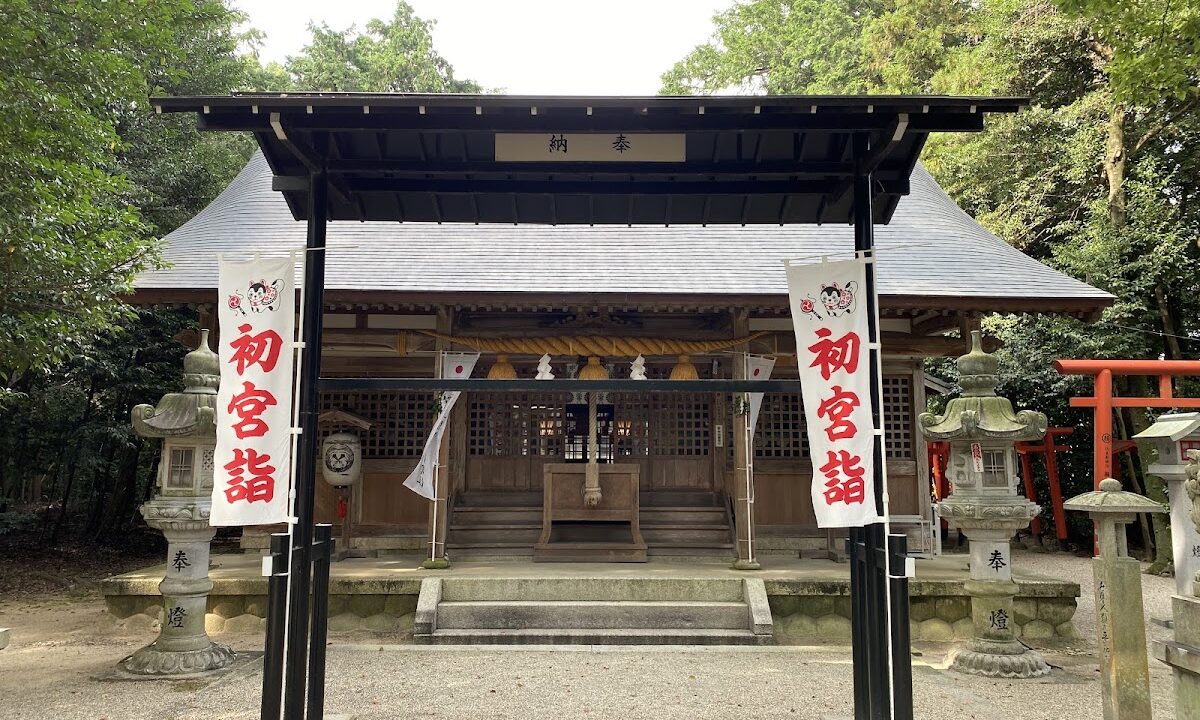
Ukawara Shrine (Komono Town, Mie Prefecture) Complete Guide | History, Goshuin (Shrine Seal), and Access Information
Ukawara Shrine, located in Ogyohara, Komono Town, Mie District, Mie Prefecture, is a historic shrine that has been cherished by the local people since the Edo period. The tranquil grounds are lined with large trees, providing a peaceful space for visitors. This article provides detailed information useful for visiting Ukawara Shrine, including its history, enshrined deities, goshuin information, and access methods.
Basic Information on Ukawara Shrine
Location: 2904 Ogyohara, Komono Town, Mie District, Mie Prefecture 510-1222
Shrine Rank: Former Village Shrine
Annual Festival Day: Local festivals are held throughout the year
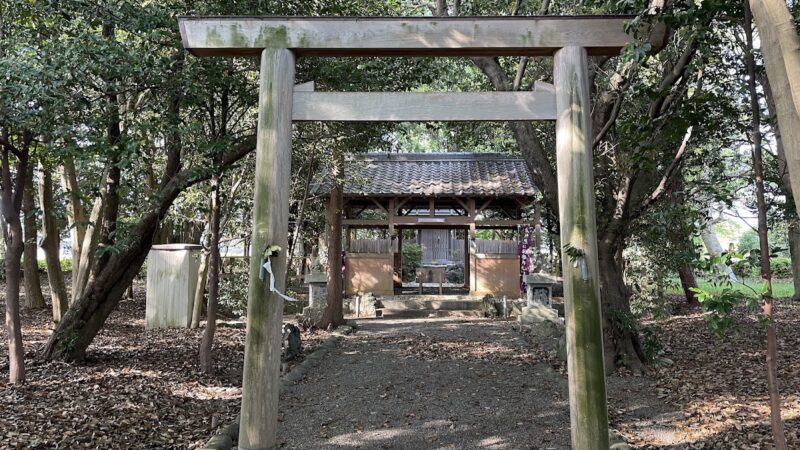
Ukawara Shrine is located in the northern part of Komono Town, at the foot of the Suzuka Mountains, in a quiet environment surrounded by abundant nature. The shrine grounds are densely packed with ancient trees, creating a mystical atmosphere that makes you feel as if you’ve wandered into another world.
History and Origins of Ugawara Shrine
Origin as Mikuriya Shinmei Shrine
Ugawara Shrine has a long history. According to a ridge beam inscription from Bunka 6 (1809) held by the shrine, it was originally called “Mikuriya Shinmei Shrine” and was located in Miyaseko, southwest of the village. Mikuriya refers to the sacred territory of Ise Grand Shrine, indicating that this region had a deep connection with Ise Grand Shrine since ancient times.
Relocation in Meireki 2
In February of Meireki 2 (1656), the shrine was relocated to its current location. This period was the early Edo period, when Tokugawa Ietsuna ruled as the fourth shogun. After the relocation, it was called “Ogohara Shrine” and became revered as the tutelary deity of the surrounding area.
Ranking as a Village Shrine and Shrine Consolidation in the Meiji Era
In 1906 (Meiji 39), Ogohara Shrine was ranked as a village shrine. Subsequently, from the late Meiji period to the early Taisho period, several surrounding shrines were consolidated due to the government’s policy of shrine consolidation.
Shrines that were merged:
- 1908 (Meiji 41): Suwa Shrine (a village shrine located in Isshiki, Oaza) and Ikezoko Shrine (a village shrine located in Miyagi, Ikezoko, Oaza) were merged.
- 1909 (Meiji 42): Murashinmei Shrine (a village shrine located in Nishiarao, Kawakita, Oaza) was merged.
- 1910 (Meiji 43): Mie Shrine (a village shrine located in Tsukuda, Shimo-Ugawara, Oaza) and Yoshizawa Shrine (a village shrine located in Miyako, Yoshizawa, Oaza) were merged.
Following these mergers, the shrine’s name was changed from “Ogohara Shrine” to the current “Ugawara Shrine.” The place name Ugawara originates from the Ugawara district of the Asake River system that flows through this region.
Deities and Divine Virtues
Ugawara Shrine enshrines many deities because it was formed by the merger of several shrines. The main deities enshrined are thought to be Amaterasu Omikami and other Shinto deities, Suwa Okami, and Takeminakata-no-kami.
Because the deities of the merged shrines are also enshrined, it is believed to offer a wide range of divine virtues, including:
- Abundant Harvest and Business Prosperity: Prayers for the development of agriculture and commerce
- Family Safety and Protection from Evil and Good Fortune: Protection of family health and peace
- Traffic Safety: Prayers for safe travels
- Matchmaking and Prosperity of Descendants: Blessings of good relationships and children
As the guardian shrine of the region, it is a beloved shrine that accepts various wishes.
Highlights of the Shrine Grounds
Magnificent Shrine Building
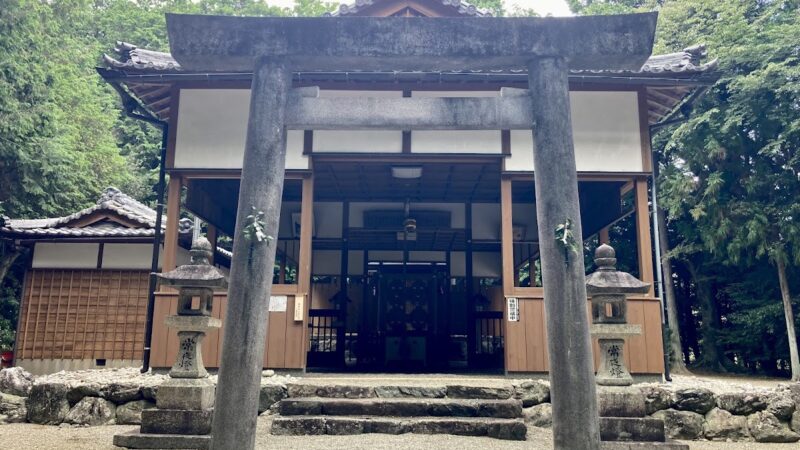
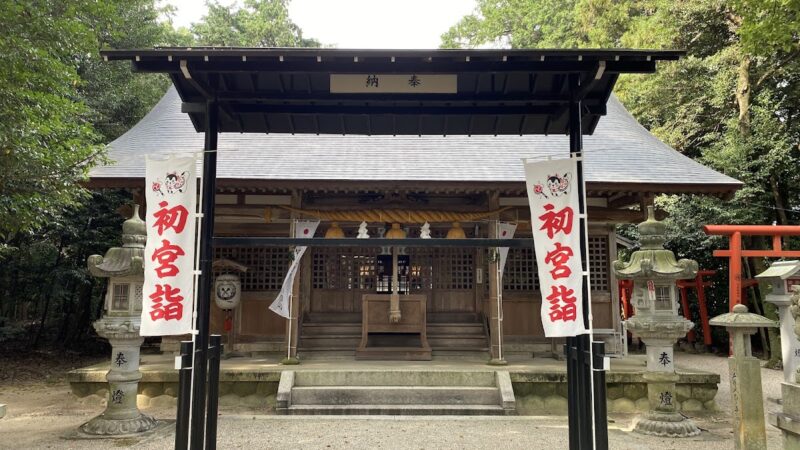
The shrine building of Ugawara Shrine was renovated after the merger and maintains the style of traditional shrine architecture. The structure, which leads from the worship hall to the main shrine, gives visitors a solemn atmosphere.
Giant Trees Covering the Shrine Grounds
The most distinctive feature of Ugawara Shrine is the giant trees that line the grounds. Hundreds of trees, some estimated to be hundreds of years old, crowd together, giving visitors the feeling of being in a deep forest. These trees are living witnesses to the shrine’s long history, displaying different expressions in each of the four seasons.
- Spring: New green leaves sprout, creating a refreshing atmosphere full of vitality.
- Summer: Deep shade provides coolness, offering the comfort of a summer resort.
- Autumn: Autumn leaves color the grounds, creating a tranquil beauty.
- Winter: Trees that have shed their leaves exude a solemn atmosphere.
A Separate Space Enveloped in Silence
Ugawara Shrine is located somewhat away from residential areas, so the grounds are enveloped in silence. The space surrounded by large trees feels like a different world, far removed from the hustle and bustle of everyday life, and many visitors find it a place where they feel “healed” and “calmed.”
Goshuin (Shrine Seal) Information
About the Issuance of Goshuin
Goshuin (shrine seals) can be obtained at Ugawara Shrine. According to visitor accounts, it is sometimes possible to meet the head priest tending the bonfire on the shrine grounds and have the goshuin written directly on the spot.
Points to Note When Receiving a Goshuin (Shrine Seal)
Ugawara Shrine may not have a permanently staffed office, so please note the following points if you wish to receive a Goshuin:
- Advance Contact: If you want to be sure to receive a Goshuin, it is recommended to contact the shrine in advance.
- Visiting Hours: It is best to visit during the daytime, from morning until daylight hours.
- Prepare Your Goshuincho (Shrine Seal Book): Please bring your Goshuincho.
- Prepare Your Offering: Generally, it is good to have around 300 to 500 yen ready.
Goshuin Design
The Goshuin of Ugawara Shrine features the shrine’s name written in ink and stamped with the shrine’s seal. The simple yet powerful calligraphy conveys the history and prestige of the shrine.
Access Information
Access by Public Transportation
Nearest Station: Kintetsu Yunoyama Line “Komono Station”
While Ugawara Shrine is within walking distance from Komono Station, the distance is considerable, so the following methods are recommended:
By Bus:
- Get off at the “Ugawara Shrine-mae” bus stop (Mie Kotsu Bus), approximately 4 minutes on foot (296m)
- Use the Yokkaichi-Fukuoyama Line
By Taxi:
- Approximately 10 minutes by taxi from Komono Station
Access by Car
Route from Major Roads:
- From Yokkaichi IC on the Tomeihan Expressway: Approximately 20 minutes
- From Komono IC on the Shin-Meishin Expressway: Approximately 15 minutes
Car Navigation Settings:
- Address: 2904 Ogyohara, Komono-cho, Mie-gun, Mie Prefecture
- You can also search by phone number (please search using a map app, etc.)
Parking Information
There may be parking spaces for visitors within or around the shrine grounds, but please check details on-site. As it is a local shrine, large-scale parking facilities may not be available.
Nearby Tourist Attractions
When visiting Ugawara Shrine, we recommend also visiting other tourist attractions around Komono Town.
Mt. Gozaisho and Yunoyama Onsen
Yunoyama Onsen, located about 15 minutes by car from Ugawara Shrine, is a hot spring resort at the foot of Mt. Gozaisho, the main peak of the Suzuka Mountains. Taking the ropeway to the summit allows you to enjoy spectacular views throughout the seasons.
Other Shrines and Temples in Komono Town
Komono Town has many other historical shrines and temples. For those who enjoy visiting shrines, we recommend a “Goshuin pilgrimage,” where you visit multiple shrines to collect Goshuin stamps.
Nature Around the Mitaki River
The area around the Mitaki River, a clear stream flowing from the Suzuka Mountains, is rich in nature. In spring, the cherry blossoms; in summer, the fresh greenery; and in autumn, the vibrant autumn leaves are beautiful, making it perfect for a stroll.
Manners and Etiquette for Visiting the Shrine
Basic Shrine Etiquette
- Bow before passing through the torii gate: This is a courtesy when entering the sacred area.
- Avoid walking in the center of the path: The center is considered the path of the gods.
- Purify yourself at the water basin: If there is a water basin, purify your hands and mouth.
- Two bows, two claps, one bow: Follow the general shrine etiquette.
Photography
Photography is generally permitted on the shrine grounds, but please note the following:
- Refrain from photographing sacred areas such as the interior of the main hall.
- Be considerate of other visitors.
- Use tripods sparingly.
Maintaining Silence
One of the charms of Ugawara Shrine is its tranquil environment. Please refrain from loud conversations and noisy behavior, and respect the peaceful atmosphere of the shrine.
Summary of the Charms of Ugawara Shrine
Ugawara Shrine is a venerable shrine with a history dating back to the Edo period, inheriting the history of multiple shrines through the Meiji-era shrine merger. The mystical atmosphere created by the large trees covering the grounds provides a special space that allows you to forget the hustle and bustle of everyday life.
Recommended for:
- Those who want to visit a historical shrine: This shrine has a long history dating back to the Edo period.
- Those who want to calm their minds in a quiet environment: The tranquil space surrounded by large trees provides healing.
- Those who collect Goshuin (shrine stamps): There is a possibility of receiving a Goshuin directly from the chief priest.
- Those who want to refresh themselves in nature: The rich nature of the shrine grounds displays the beauty of each season.
The Role of Ugawara Shrine in the Region
Ugawara Shrine has played a central role in the local community as the guardian shrine of the Ogyohara district of Komono Town and the surrounding areas. During the Meiji era, several shrines were merged into this one, making it a shrine that attracts the faith of people from a wider area.
Even today, many local residents gather during local festivals and annual events, maintaining strong community ties centered around the shrine. Such community-rooted shrines can be considered important in supporting Japanese traditional culture and local communities.
Notes for Visitors
Season and Weather
- Rainy Weather: The paths within the shrine grounds may become slippery. Please watch your step.
- Summer: It is relatively cool due to the shade of large trees, but insect repellent is recommended.
- Winter: It can get cold in the early morning and evening. Please dress warmly.
Clothing
Please dress appropriately for visiting a shrine. Especially if you are receiving formal prayers or blessings, it is recommended to avoid overly casual attire.
Estimated Time Required
Allow approximately 30 minutes to 1 hour for strolling around the shrine grounds and praying. If you plan to receive a Goshuin (temple/shrine stamp) or take a leisurely stroll around the grounds, it’s recommended to allow extra time for your visit.
Summary
Ugawara Shrine is a historical and naturally rich shrine located in Komono Town, Mie Prefecture. Since its relocation to its current location in 1656 (Meireki 2nd year of the Edo period), it has attracted the faith of local people for over 360 years. The mystical atmosphere created by the large trees covering the grounds provides visitors with deep healing and peace.
When visiting Komono Town, be sure to visit Ugawara Shrine. By offering prayers in the quiet grounds and feeling the weight of history and the beauty of nature, you can refresh both your mind and body. If you have the opportunity to receive a Goshuin, it will surely become a wonderful memory.
It’s easily accessible from Kintetsu Komono Station, and there are many tourist attractions nearby, such as Yunoyama Onsen, making it a great place to visit as part of your sightseeing. Why not experience the harmony between traditional Japanese culture and nature at Ugawara Shrine, a hidden gem in Mie Prefecture?