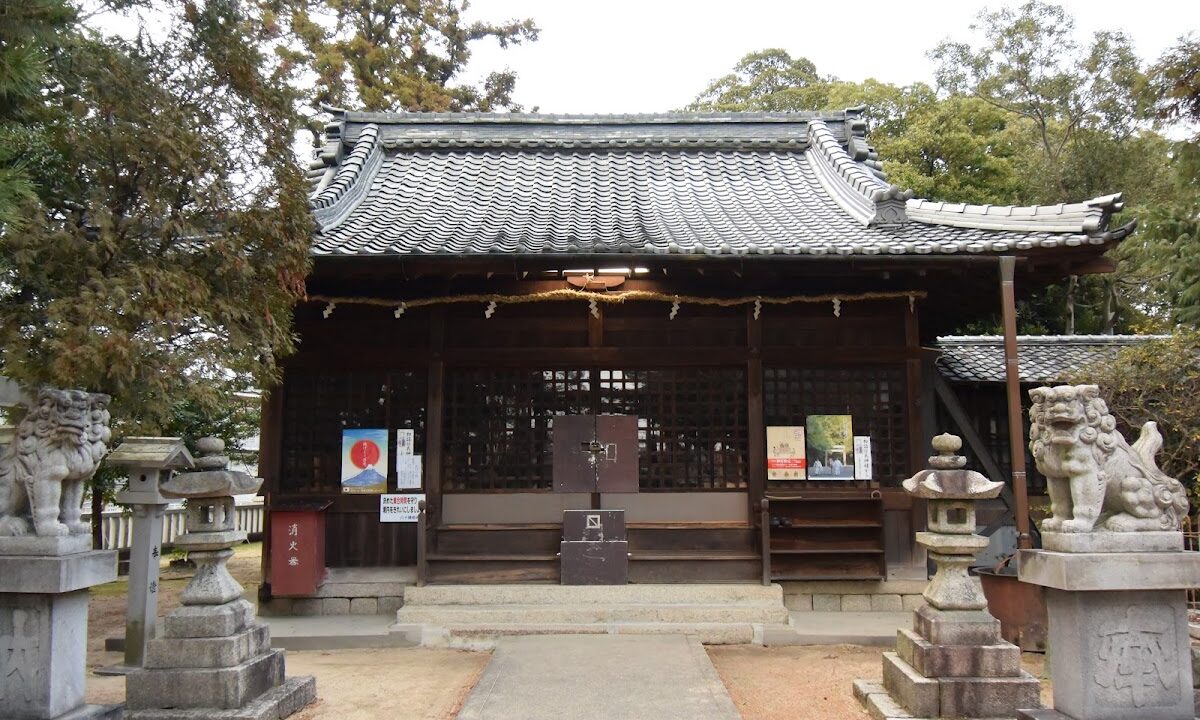
Yasotsumikura Shrine (Kawagoe Town, Mie Prefecture) | Complete Guide to the History, Deities, and Access of this Engishiki-Listed Shrine
Yasotsumikura Shrine, located in Kawagoe Town, Mie District, Mie Prefecture, is a venerable shrine listed in the Engishiki Jinmyocho (a list of shrines compiled during the Heian period). Its main deity is the god of food, also enshrined at the Outer Shrine of Ise Grand Shrine, and it is affectionately known locally as “Yasotsumi-san.” This article comprehensively introduces all the information you need to know before visiting Yasotsumikura Shrine, including its history, enshrined deities, highlights of the grounds, information on goshuin (shrine stamps), and access methods.
History and Origins of Yasotsumi-Muku Shrine
Status as an Engishiki-Listed Shrine
Yasotsumi-Muku Shrine is a Shikinaisha (shrine listed in the Engishiki) compiled in 927 AD (Engi 5), listed as “Yasotsumi-Muku Shrine, Asake District, Ise Province.” The Engishiki-Listed Shrine is a register of shrines throughout Japan, recognized by the imperial court during the mid-Heian period. Its inclusion in this register indicates that it is a historically significant shrine that existed at least before the Heian period.
Asake District refers to the area in northern Mie Prefecture, from Yokkaichi City to Kawagoe Town. Many shrines have been located in this region since ancient times. Yasotsumi-Muku Shrine is one of them, playing a central role in local religious beliefs.
Founding Period and Historical Background
The exact founding date of Yasotsumikura Shrine is unknown due to a lack of historical records. However, considering its inclusion in the Engishiki Jinmyocho (a list of shrines compiled in the Heian period), it is highly likely that it existed at least in the early Heian period, or even earlier, during the Nara period.
There are several theories regarding the origin of the shrine’s name, “Yasotsumikura.” One theory suggests that “Yasotsumikura” is an archaic word meaning a large number, “tsumikura” means to pile up, and “kura” means warehouse. This name is thought to symbolize a bountiful harvest and abundance of food, and is deeply connected to the divine nature of the main deity, Toyouke-hime no Mikoto.
Connection with the Community
Kawagoe Town has long flourished as a transportation hub facing Ise Bay, and Yasotsumikura Shrine has been deeply intertwined with the lives of the local residents. In the era when agriculture was the main industry, it attracted the faith of many people as a shrine to pray for a bountiful harvest and as the guardian deity protecting the safety and prosperity of the region. Even today, the shrine is affectionately known as “Yasozumi-san” by locals and serves as a spiritual anchor for the community.
Deities and Blessings
Main Deity: Toyoukehime-no-Mikoto
The main deity of Yasozumi-Muku Shrine is Toyoukehime-no-Mikoto (Toyouke-bime-no-Kami). This deity is known in Japanese mythology as the goddess who presides over food, and in the Kojiki, she is described as the child of Izanagi-no-Mikoto and Izanami-no-Mikoto, or as the child of Wakumusubi-no-Kami.
Toyoukehime-no-Mikoto is also enshrined as the main deity of the Outer Shrine (Toyouke Daijingu) of Ise Grand Shrine, playing an important role as the god who presides over the meals of Amaterasu-Omikami. From this, one can feel the deep connection between Yasozumi-Muku Shrine and Ise Grand Shrine.
Enshrined Deity: Amatsu-Koyane-no-Mikoto
At Yasotsumi-Muku Shrine, Amatsu-Koyane-no-Mikoto is enshrined alongside Toyouke-hime-no-Mikoto. Amatsu-Koyane-no-Mikoto is known as the deity who recited prayers in the Amano-Iwato myth and is considered the ancestral deity of the Nakatomi clan (later the Fujiwara clan).
Amatsu-Koyane-no-Mikoto is worshipped as the god of words and wisdom, and is believed to bring blessings for academic success and business prosperity.
Expected Benefits
The main benefits you can expect at Yasotsumi-Muku Shrine are as follows:
- Prayer for Abundant Harvest: As the main deity, Toyouke-hime no Mikoto, is the goddess of food, you can pray for a bountiful harvest in agriculture and fishing.
- Prosperity in the Food and Beverage Industry: Prosperity for those who run restaurants and food-related businesses.
- Family Safety: Health and safety of family members, and harmony in the home.
- Industrial Development: Development and prosperity of local industries.
- Academic Achievement: Improvement in academics through the divine virtues of Amatsu-Koyane no Mikoto.
- Protection from Evil and Good Fortune: Protection as the local guardian deity.
Highlights of the Shrine Grounds
Atmosphere of the Shrine and Grounds
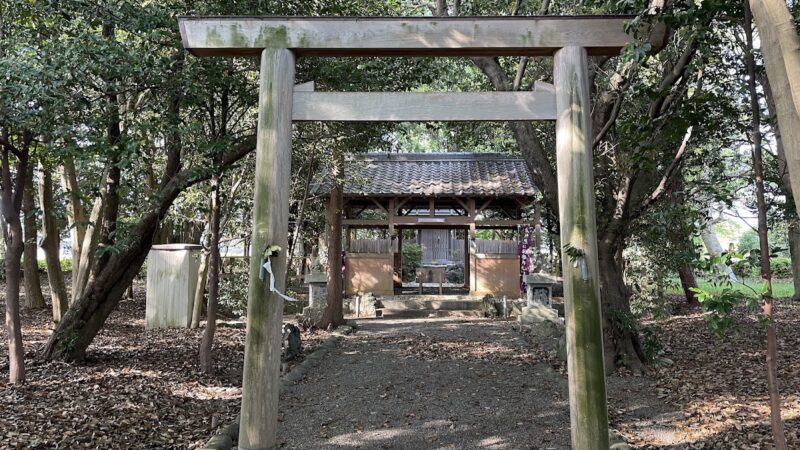
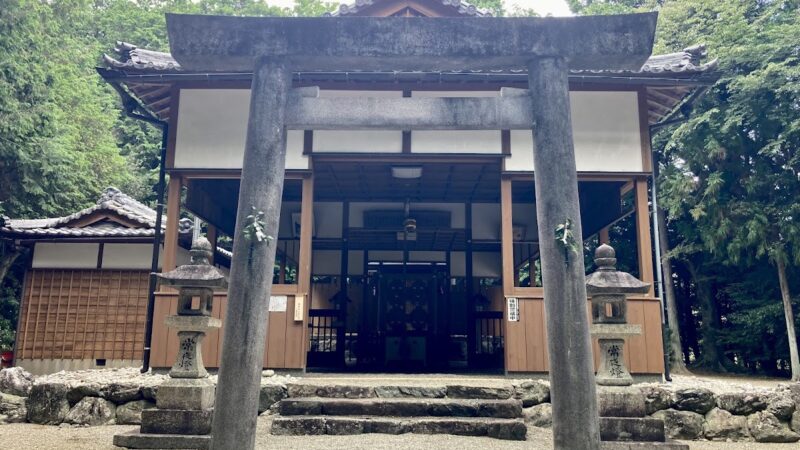
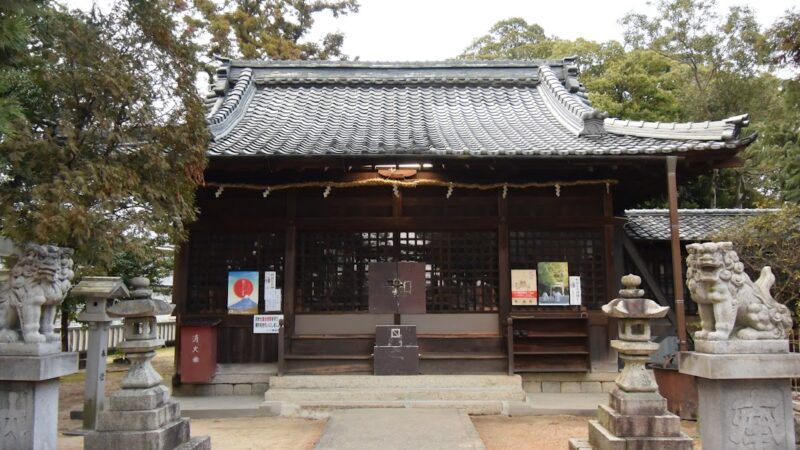
Despite being located in a residential area, the grounds of Yasotsumi-Muku Shrine are enveloped in a tranquil atmosphere. Upon passing through the torii gate, trees are planted on both sides of the approach, creating a space where you can feel nature despite being in an urban area. The main shrine building is constructed in the traditional style of Shinto shrine architecture, possessing a simple yet dignified appearance. The shrine grounds are small but meticulously maintained, reflecting the reverence and affection the local people have for the shrine.
Points of Interest
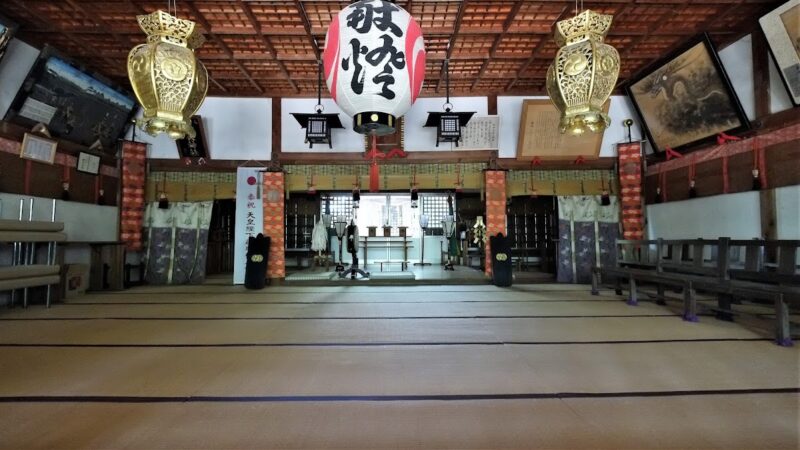
Worship Hall The worship hall, where worshippers offer their prayers, possesses a simple yet solemn atmosphere. From here, one can pray towards the main shrine.
Shrine Precincts Small shrines are enshrined around the main shrine, offering a glimpse into the diversity of local beliefs.
Shrine Office There is a shrine office on the grounds. While it may be unattended at times, assistance is available during festivals and other special occasions.
Goshuin (Shrine Seal) Information
Regarding the Issuance of Goshuin
Regarding the issuance of Goshuin at Yasozumi Muku Shrine, it is recommended to check in advance, as there may not always be a resident Shinto priest. Like many Shikinaisha shrines, these are often managed by priests who also serve as local shrines. If you wish to receive a Goshuin (shrine stamp), please note the following:
How to Receive a Goshuin
- Prior Contact: To ensure you receive a Goshuin, it is recommended to contact shrine officials in Kawagoe Town or nearby shrines that may be managed by other priests beforehand.
- During Festivals: During festivals such as the annual grand festival, priests are more likely to be present, increasing your chances of receiving a Goshuin.
- Pre-printed Goshuin: In some cases, pre-printed Goshuin may be available.
Those collecting Goshuin are advised to plan their visits strategically, combining it with a visit to the shrine.
Annual Festivals and Events
Main Festivals
Yasotsumi Muku Shrine holds various festivals throughout the year.
Annual Grand Festival
The annual grand festival, held every autumn, is the most important festival of Yasotsumi Muku Shrine. Local residents gather to pray for the prosperity of the shrine and the peace and security of the community.
New Year’s Festival
On January 1st, a festival is held to celebrate the New Year, and the shrine is bustling with worshippers making their first visit of the year.
Monthly Festival
Monthly festivals are held on fixed days each month, where daily gratitude and prayers are offered.
Main Events (Planned) for Fiscal Year 2026
Specific dates can be found in the Kawagoe Town newsletter and on the shrine’s bulletin board. The following festivals are planned as traditional local events:
- January 1st: Saitansai (New Year’s Festival)
- February: Kinensai (Prayer Festival)
- Autumn: Reitaisai (Annual Grand Festival)
- November: Niinamesai (Harvest Festival)
For detailed dates and times, we recommend checking the latest information at the Kawagoe Town Hall or on local bulletin boards before visiting.
Location and Surrounding Environment
Location
Address: 180 Toyoda, Kawagoe-cho, Mie-gun, Mie Prefecture 510-8122
Yasotsumi Mukujinja Shrine is located in the Toyoda district of Kawagoe-cho, in the northern part of Mie Prefecture, facing Ise Bay. Kawagoe-cho is a small town situated between Yokkaichi City and Kuwana City, a mixed industrial and residential area.
Surrounding Environment
The shrine is located in a quiet residential area. Nearby are the Kawagoe Town Hall, schools, and commercial facilities, making it a convenient location for daily life.
It is also close to the Mie-Kawagoe Interchange on the Isewangan Expressway, making it easily accessible by car. Furthermore, it is within walking distance of Kawagoe-Tomisuhara Station on the Kintetsu Nagoya Line, making it easily accessible by public transport.
Access Methods
Access by Train
Nearest Station: Kintetsu Nagoya Line, Kawagoe-Tomisuhara Station
- Approximately 5 minutes on foot from the exit of Kawagoe-Tomisuhara Station
- Head north from the station and you will arrive at the shrine after passing through the residential area.
- The route from the station is flat and easily accessible on foot.
Travel Time from Major Stations:
- From Kintetsu Nagoya Station: Approximately 20 minutes by express train, get off at Kawagoe-Tomisuhara Station
- From Kintetsu Yokkaichi Station: Approximately 10 minutes by local train, get off at Kawagoe-Tomisuhara Station
- From Kuwana Station: Approximately 15 minutes via JR Kansai Main Line (via Tomita Station) or Kintetsu Line
Access by Bus
Nearest Bus Stop
The Kawagoe Town Community Bus operates and can be used for travel within the town.
- Get off at the “Toyoda” bus stop and walk for a few minutes.
- You can check the bus routes and timetables on the Kawagoe Town Hall website.
Access by Car
If using the expressway:
- Approximately 5 minutes from the Mie Kawagoe IC on the Isewangan Expressway
- Approximately 15 minutes from the Yokkaichi IC on the Tomeihan Expressway via National Route 1
Parking:
There is no large parking lot specifically for the shrine, but there are a few parking spaces on the grounds. During festivals and other events, congestion is expected, so we recommend using public transportation.
Access from Nearby Facilities
- From Kawagoe Town Hall: Approximately 10 minutes on foot
- From Aeon Mall Kawagoe: Approximately 5 minutes by car
- From the center of Yokkaichi City: Approximately 15 minutes by car
Manners and Precautions for Visiting the Shrine
Basic Worship Etiquette
When visiting Yasotsumi Muku Shrine, please observe the following basic etiquette:
- Bow at the Torii Gate: Bow before passing through the torii gate.
- Walking the Approach: The center of the approach is considered the path of the gods, so walk along the edges.
- Watering Procedure: If there is a watering basin, cleanse your left hand, right hand, and mouth in that order.
- Worship at the Main Hall: Worship using the two bows, two claps, and one bow method.
Precautions During Worship
- Be Quiet: As the shrine is adjacent to a residential area, please worship quietly without making noise.
- Photography: Please note that photography is restricted in some areas, such as inside the main shrine.
- Take Your Trash Home: To keep the shrine grounds clean, please be sure to take your trash with you.
- Visiting Hours: It is recommended to avoid visiting at night and instead visit during daylight hours.
Other Attractions in Kawagoe Town
When visiting Yasozumi Muku Shrine, you can also visit other tourist spots in Kawagoe Town.
Kawagoe Town Local History Museum
This museum allows you to learn about the history and culture of Kawagoe Town, including the origins of the region and how people lived in the past. It is also helpful in understanding the historical background of Yasozumi Muku Shrine.
Asake River Riverbed
This riverbed is rich in nature and ideal for walks and jogging. Depending on the season, you can enjoy beautiful scenery.
Commercial Facilities in Kawagoe Town
There are commercial facilities such as Aeon Mall Kawagoe, where you can enjoy shopping and dining after visiting the shrine.
Value as a Shikinaisha Shrine
Shikinaisha Shrines in Mie Prefecture
Mie Prefecture is home to many Shikinaisha shrines, including Ise Grand Shrine. The Engishiki Jinmyocho (a list of shrines compiled in the Heian period) lists 253 shrines in Ise Province alone, 24 of which are located in Asake District. Yasotsumi-Muku Shrine is one of these, a valuable site that conveys the history of the region to the present day.
Historical and Cultural Significance
Shikinaisha shrines are not merely ancient shrines; they are important historical sites for understanding the political and religious systems of ancient Japan. Yasotsumi-Muku Shrine, as a shrine recognized by the imperial court during the Heian period, provides clues to the beliefs and social structure of the time.
Furthermore, because it enshrines Toyouke-hime no Mikoto, the same deity as the Outer Shrine of Ise Grand Shrine, it is an interesting site for considering the spread of Ise faith and the regional development of food deity worship.
Visitor Feedback and Reputation
Visitors to Yasotsumi-Muku Shrine have shared the following comments:
- “Despite being located in a residential area, it’s a quiet and peaceful shrine.”
- “A place where you can feel the weight of history as a shrine listed in the Engishiki (an ancient Japanese legal code).”
- “You can sense how much it’s cherished by the local people.”
- “Easy to access, close to the station.”
- “Small but clean and well-maintained.”
As a community-oriented shrine, its simple atmosphere, unspoiled by tourism, is its charm.
Summary: Recommendation for Visiting Yasotsumi-Muku Shrine
Yasotsumi-Muku Shrine, located in Kawagoe Town, Mie Prefecture, is a venerable shrine with over 1000 years of history as a shrine listed in the Engishiki. It enshrines Toyouke-hime no Mikoto, the same deity as the Outer Shrine of Ise Grand Shrine, and has been revered by local people as the god of food.
Located in a prime location, just a 5-minute walk from Kintetsu Kawagoe-Tomisuhara Station, it boasts excellent access from Nagoya and Yokkaichi. While not a large-scale tourist shrine, this makes it a precious place where one can quietly contemplate history and offer prayers.
For those on a pilgrimage to shrines listed in the Engishiki (ancient Japanese legal code), those interested in shrines in Mie Prefecture, or those visiting before or after a visit to Ise Grand Shrine, Yasotsumi-Muku Shrine is well worth a visit. Why not spend a moment of peaceful prayer at this shrine that conveys the history and faith of the region to the present day?
When you visit Kawagoe Town, be sure to stop by Yasotsumi-Muku Shrine and experience a form of Japanese faith that has continued since ancient times.