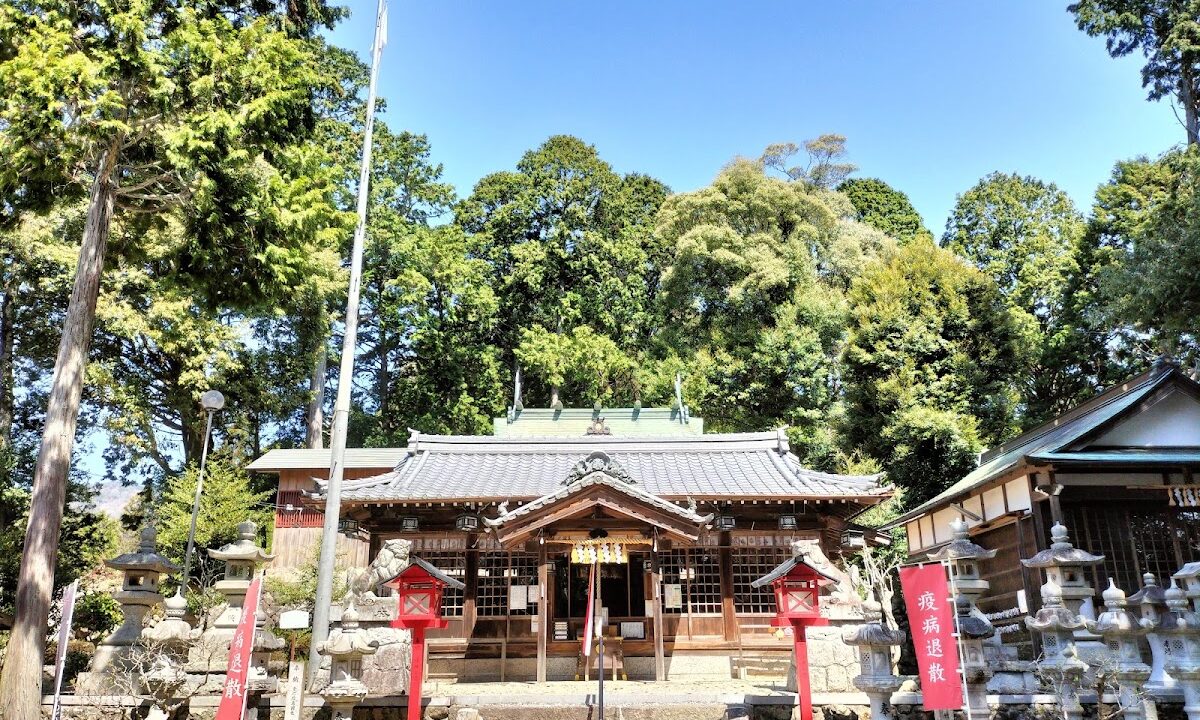
Unomiya Shrine (Iga City, Mie Prefecture) Complete Guide | History, Goshuin (Shrine Seal), Autumn Festival, and Access Information
Unomiya Shrine, located in Shimagahara, Iga City, Mie Prefecture, is a historically significant shrine with deep ties to Todai-ji Temple’s Nigatsu-do Hall and Kanbodai-ji Temple’s Shogatsu-do Hall in Nara. The annual autumn festival features a magnificent spectacle of young men carrying a 560kg portable shrine up 125 stone steps, making it the latest autumn festival in the Iga region. This article comprehensively covers information useful for visitors, including the history of Unomiya Shrine, its enshrined deities, annual events, goshuin information, and access methods.
History and Origins of Unomiya Shrine
Founding and Deep Connections to Todai-ji Temple
Unomiya Shrine’s founding dates back to the 4th year of Tenpyo-Shoho (752 AD). This year was also a historic year, as it marked the consecration ceremony of the Great Buddha at Todai-ji Temple in Nara. It is said that the shrine was founded by Abbot Jitchū of Todai-ji Temple. Abbot Jitchū is known as a high-ranking priest who founded the Shuni-e (Omizutori) ceremony at Todai-ji Temple’s Nigatsu-dō Hall. The background to the founding of Unomiya Shrine in this location lies in the religious trends of the time, including Shugendō (mountain asceticism) and the syncretism of Buddhism and Shinto.
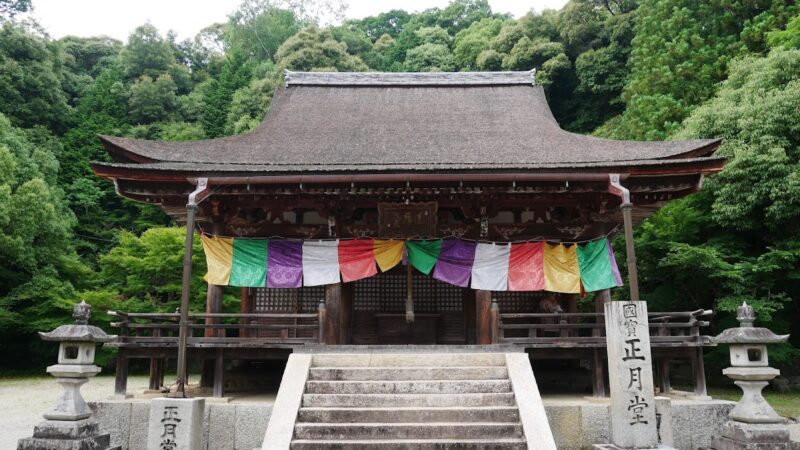
Of particular note is its relationship with the Shōgatsu-dō Hall of Kanbodai-ji Temple in the Shimagahara district. Shōgatsu-dō Hall is considered one of the “Three Halls,” alongside Todai-ji Temple’s Nigatsu-dō Hall and Hokke-ji Temple’s Sangatsu-dō Hall, and Unomiya Shrine has functioned as the guardian shrine of this Shōgatsu-dō Hall. This relationship continues to this day, and the deep connection with Kanbodai-ji Temple can be seen at the annual autumn festival.
Engishiki Jinmyōchō and Shikinaisha Candidates
Unomiya Shrine is considered one of the candidate shrines for “Torisaka Shrine in Abai District, Iga Province,” as listed in the Engishiki Jinmyōchō. The Engishiki Jinmyocho is a register compiled in the mid-Heian period listing major shrines throughout Japan. Shrines listed here are recognized as “Shikinaisha” (shrines listed in the Engishiki). However, there are several theories regarding the location of Torisaka Shrine, with Umiya Shrine being one of the candidates.
Former Shrine Rank and Regional Position
Under the modern shrine ranking system of the Meiji era, it was classified as a village shrine. Village shrines play an important role as the local tutelary deity, reflecting the deep faith in Umiya Shrine in the Shimagahara area. Even today, the shrine enjoys strong faith from local residents, with parishioners maintaining the shrine and continuing the festival traditions.
Deity and Divine Virtues
Kotoshironushi-no-Mikoto
The deity enshrined at Umiya Shrine is Kotoshironushi-no-Mikoto. Kotoshironushi-no-Mikoto is a son of Okuninushi-no-Mikoto and is known as a god who played a crucial role in the myth of the transfer of the land. In the Kojiki and Nihon Shoki, he is depicted as the god who, on behalf of his father, gave the affirmative response to the request from the Amatsukami (heavenly gods) for the transfer of the land.
Later, he was syncretized with Ebisu (Ebisu-sama) and became widely worshipped as the god of business prosperity, maritime safety, and bountiful catches. The fact that the crest of Unomiya Shrine is the “three oak leaves crest” also indicates a connection to Ebisu Shrine.
Divine Virtues and Faith
At Unomiya Shrine, which enshrines Kotoshironushi-no-Mikoto, the following divine virtues are believed to be present:
- Business Prosperity: Due to its characteristics as Ebisu, worshippers visit to pray for business success.
- Family Safety: As the local guardian deity, it protects the safety and happiness of families.
- Abundant Harvest: In the Iga region, where agriculture is thriving, it is an object of worship for praying for a bountiful harvest.
- Academic Success: Due to its aspect as a god of wisdom, it is also visited by students taking exams.
- Matchmaking: As a god of good fortune and prosperity, worshippers also visit to pray for good relationships.
Highlights of the Shrine Grounds
125 (123) Stone Steps
An essential part of discussing Unomiya Shrine is the stone steps leading to the shrine. While some documents state 125 steps, others 123, in any case, a long and steep flight of stone steps leads to the main hall. These stone steps become the stage for young people to carry a 560kg portable shrine during the autumn festival, creating a highlight of the festivities.
Climbing the steps one by one while offering prayers purifies the mind and body, naturally fostering respect for the sacred grounds. For the elderly or those with mobility issues, it is recommended to climb slowly, taking breaks as needed.
Main Shrine and Worship Hall
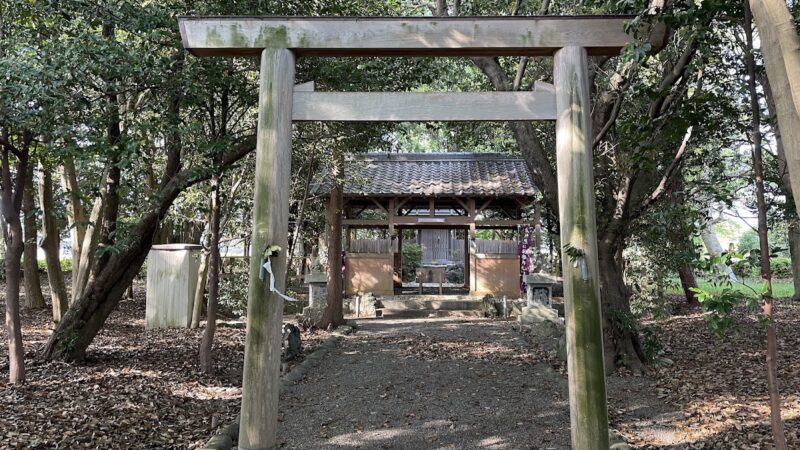
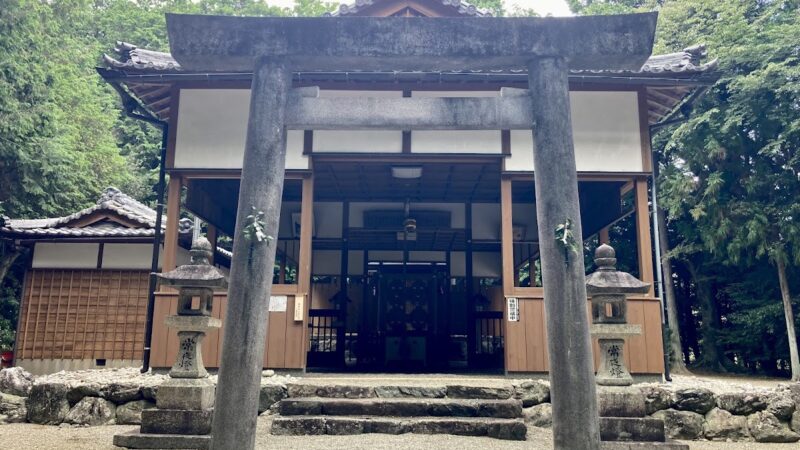
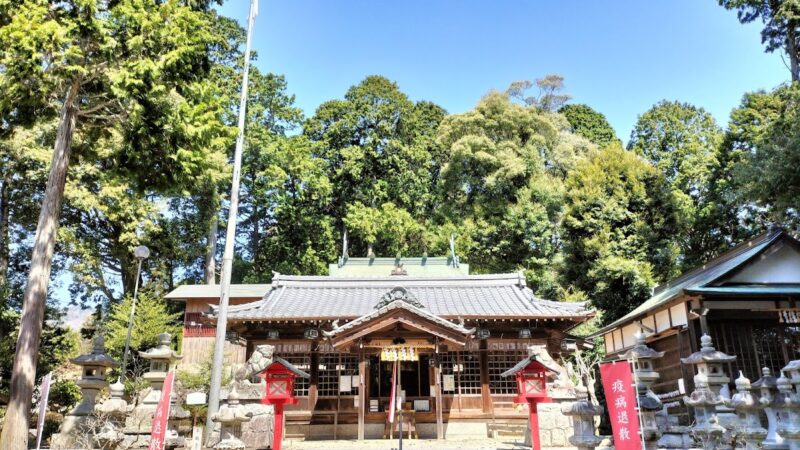
At the top of the stone steps are the main shrine and worship hall, enveloped in a serene atmosphere. Surrounded by trees, the shrine grounds offer a chance to appreciate the beauty of nature throughout the seasons. Especially during the seasons of fresh greenery and autumn leaves, one can enjoy a landscape where the solemnity of the shrine harmonizes with the beauty of nature.
Pay attention to the architectural style and carvings of the main shrine. It retains characteristics of traditional local shrine architecture and possesses high historical value.
Shrine Office
There is a shrine office on the grounds where goshuin (shrine stamps) are issued and various amulets are distributed. At the shrine office, you can obtain information about the shrine’s history and festivals, so we recommend stopping by when you visit.
Umiya Shrine Autumn Festival | The Last Autumn Festival in the Iga Region
Festival Overview and Dates
The Umiya Shrine Autumn Festival is known as the latest autumn festival in the Iga region. Held annually from late October to early November, it is a major local event attracting many visitors. The specific dates vary each year, so we recommend checking in advance if you plan to visit.
560kg Portable Shrine Procession
The highlight of the autumn festival is the portable shrine procession, where young men carry a 560kg portable shrine up 125 stone steps. The sight of them climbing each step, sweating profusely, accompanied by the spirited shouts of “Soiya, Soiya,” is truly impressive.
When the portable shrine ascends the stone steps, it can be dangerous if the bearers are not in perfect coordination. Therefore, meticulous practice and rehearsals are conducted beforehand, providing an opportunity to strengthen community bonds. Spectators watch with bated breath, and when the shrine safely reaches the top, loud cheers and applause erupt.
Lion Dance (Iga City Intangible Folk Cultural Property)
Another important element of the autumn festival is the “Lion Dance.” This traditional dance, performed by four lions, is designated as an Intangible Folk Cultural Property of Iga City and is a valuable cultural heritage of the region.
The Lion Dance is a performance that prays for a bountiful harvest and the eradication of disease, and has been passed down since ancient times. The performers, adorned in brightly colored lion masks and costumes, dance gracefully and powerfully to the sounds of flutes and drums, captivating the audience. The preservation and transmission of this traditional art form is a labor of love for the local people, and the passing on of techniques to younger generations is actively pursued.
Relationship with Kanbodaiji Temple’s Shogatsudo Hall
During the Autumn Festival, a deep connection with Kanbodaiji Temple’s Shogatsudo Hall can be observed. Shogatsudo Hall is a temple where the Shuni-e ceremony, similar to that of Todaiji Temple’s Nigatsudo Hall, is performed, and it has had ties with Umiya Shrine since its founding. As a valuable festival that conveys the history of Shinto-Buddhist syncretism, its cultural value is highly regarded.
Goshuin (Shrine Seal) and Goshuincho (Shrine Seal Book) Information
About the Issuance of Goshuin
Goshuin are available at Umiya Shrine. Goshuin are popular among many visitors as proof of worship and as a tangible representation of their connection to the shrine.
Basic Information on Goshuin Issuance:
- Location: Shrine Office
- Offering Fee: Usually around 300-500 yen (subject to change)
- Reception Hours: During shrine office opening hours
When receiving a Goshuin, it is customary to first pay respects at the main hall before heading to the shrine office. Bring your Goshuincho (stamp book) and make your request respectfully.
About Goshuincho
We recommend checking with the shrine office in advance regarding the availability of Umiya Shrine’s original Goshuincho. Even if they don’t have an original Goshuincho, they will stamp your own.
Visiting Manners
Goshuin (shrine stamps) are not just a stamp rally; they are important for forging a connection with the shrine. Please observe the following manners:
- Always pray before receiving your Goshuin
- Remember to express your gratitude to the shrine office staff
- Handle your Goshuincho carefully
- Wait quietly while they are writing your Goshuin
Annual Events and Festivals
Main Annual Events
In addition to the Autumn Festival, Umiya Shrine holds various festivals throughout the year:
New Year’s Day Festival (January 1st)
A festival to welcome the New Year and pray for peace and happiness throughout the year. It is bustling with many first-time visitors.
Spring Festival
A festival celebrating the arrival of spring and praying for a bountiful harvest.
Summer Purification Ceremony (around June 30th)
A Shinto ritual to cleanse away the sins and impurities accumulated over the past six months.
Autumn Festival
As mentioned above, this is the latest autumn festival in the Iga region, featuring a portable shrine procession and lion dance.
Year-End Purification Ceremony (December 31st)
A Shinto ritual to cleanse away the sins and impurities accumulated over the past year and welcome the new year with a pure heart.
Festival Calendar
Specific dates may vary from year to year, so it is recommended to check with the Umiya Shrine office (0595-59-2065) when planning your visit.
Detailed Information
Basic Information
Shrine Name: Unomiya Shrine
Location: 4689 Shimagahara, Iga City, Mie Prefecture (sometimes listed as 4639)
Deity: Kotoshironushi-no-Mikoto
Former Shrine Rank: Village Shrine
Shikinaisha (Shrine listed in the Engishiki): A candidate for Torisaka Shrine in Abai District, Iga Province
Shrine Emblem: Three Oak Leaves Crest
Telephone Number: 0595-59-2065 (Unomiya Shrine Office)
Visiting Hours
While the shrine grounds are generally open for free visits, the shrine office has limited opening hours. If you wish to obtain a Goshuin (shrine stamp) or other items, it is recommended to call in advance to confirm.
Admission Fee
Visiting the shrine is free.
Location Information & Access Methods
Access by Public Transportation
Using the JR Kansai Main Line:
- Approximately 15 minutes on foot from JR Shimagahara Station
- Exit the station and head towards the center of the Shimagahara area, following the signs.
- The route is relatively flat, but there are 125 stone steps after arriving at the shrine.
Advantages of Accessing by Train:
- No need to worry about parking
- You can stroll through the streets of Shimagahara on your way there.
- An environmentally friendly mode of transportation.
Access by Car
Using the Meihan National Highway:
- Approximately 15 minutes from the Meihan National Highway “Ouchi Interchange” via National Route 163.
- Set your car navigation system to “4689 Shimagahara, Iga City, Mie Prefecture” or “Umiya Shrine”.
Parking Information:
- Parking available (spaces are limited, so early arrival is recommended during events such as the Autumn Festival).
- Regular cars can park.
- Free
Access Time from Major Cities:
- From Nagoya: Approximately 1 hour 30 minutes
- From Osaka: Approximately 1 hour 30 minutes
- From Kyoto: Approximately 1 hour
- From Tsu City: Approximately 1 hour
Nearby Landmarks
Unomiya Shrine is located in the center of the Shimagahara area, near the Shogatsudo Hall of Kanbodaiji Temple. Locals are usually happy to provide directions.
Nearby Spots and Tourist Information
Kanbodaiji Temple Shogatsudo Hall
Kanbodaiji Temple Shogatsudo Hall, which has a deep connection to Unomiya Shrine, is within walking distance. As one of the “Three Halls” alongside Todaiji Temple’s Nigatsudo Hall and Hokkeji Temple’s Sangatsudo Hall, it is a valuable temple that preserves the tradition of the Shuni-e (water-drawing) ceremony. The Shusho-e ceremony is held every February, attracting many worshippers.
Shimagahara Onsen Yabuccha
If you want to relax after your visit, Shimagahara Onsen Yabuccha is recommended. This hot spring facility, beloved by locals, offers a relaxing time while listening to the gentle murmur of the Kizu River.
Iga City Center
The city center of Iga is about a 30-minute drive away, and is home to many unique Iga tourist attractions such as Iga Ueno Castle and the Iga-ryu Ninja Museum. Enjoying Iga sightseeing in conjunction with a visit to Unomiya Shrine is highly recommended.
Tsukigase Plum Grove
In spring, the nearby Tsukigase Plum Grove is in full bloom. The sight of approximately 10,000 plum trees in full bloom is breathtaking, and you can enjoy a stroll surrounded by the fragrance of plum blossoms.
Nearby Events and Experiences
Annual Events in the Shimagahara Area
In addition to the Unomiya Shrine Autumn Festival, various traditional events are passed down in the Shimagahara area. This is a valuable opportunity to experience local culture.
Iga Pottery Experience
Iga City is also known as a production area for Iga pottery. The surrounding area has Iga ware pottery kilns and experience facilities, allowing you to experience traditional crafts.
Agricultural and Nature Experiences
In the Shimagahara area, seasonal agricultural and nature experience programs are sometimes offered. You can experience the charm of the countryside that you can’t find in the city.
Points and Manners for Visiting a Shrine
Etiquette for Visiting a Shrine
Before Passing Through the Torii Gate:
- Bow before the torii gate
- Walk away from the center of the path (the center is the path of the gods)
How to Purify Yourself at the Water Basin:
- Hold the ladle in your right hand and purify your left hand.
- Switch the ladle to your left hand and purify your right hand.
- Switch the ladle back to your right hand, receive water in your left hand, and rinse your mouth.
- Purify your left hand again.
- Hold the ladle upright to purify the handle and return it to its original position.
Worship at the Main Hall:
- Quietly place your offering in the offering box.
- Ring the bell if there is one.
- Bow twice, clap twice, and bow once.
- Express your gratitude and wishes to the gods in your heart.
Regarding Clothing
There are no particularly strict dress code regulations, but modest attire that reflects the sacred nature of the area is desirable. Considering the 125 stone steps you will be climbing, we recommend choosing comfortable shoes. ### Regarding Photography
Photography is generally permitted within the shrine grounds, but restrictions may apply inside the main hall or during religious ceremonies. If unsure, please check with the shrine office. Please also be considerate of other visitors.
The Charm of Umiya Shrine and Reasons to Visit
Inheritance of History and Tradition
Umiya Shrine, with a history of over 1200 years, occupies an important position in Japanese religious history, due to its deep ties with Todai-ji Temple and Kanbodai-ji Temple, and its inclusion in the Engishiki Jinmyocho (a list of shrines compiled in the Heian period). Even today, it is carefully preserved by the local community, and the continuation of its traditions allows us to truly appreciate the richness of Japanese culture.
Magnificent Autumn Festival
The annual autumn festival features two highlights: the breathtaking sight of a 560kg portable shrine ascending 125 stone steps, and the lion dance, an intangible folk cultural property of Iga City. It is a valuable opportunity to experience the strong community spirit and the splendor of traditional performing arts. ### A Tranquil Space Surrounded by Nature
The shrine grounds, reached after climbing 125 stone steps, offer a tranquil space surrounded by trees. It provides an environment where one can escape the hustle and bustle of everyday life and offer prayers in peace. The beauty of nature throughout the seasons is also one of its charms.
Easy Access
Located a 15-minute walk from JR Shimagahara Station and a 15-minute drive from the Meihan Expressway Ouchi Interchange, it is easily accessible by both public transport and car, making it a convenient place to visit.
Summary
Unomiya Shrine is a historical shrine located in Shimagahara, Iga City, Mie Prefecture. Since its founding in 752 AD (Tenpyo Shoho 4), it has had deep ties with Todai-ji Temple’s Nigatsu-do Hall and Kanbodai-ji Temple’s Shogatsu-do Hall, and has attracted the faith of the local community. It enshrines Kotoshironushi-no-Mikoto and is believed to bestow blessings such as business prosperity and family safety.
The annual autumn festival is known as the latest autumn festival in the Iga region, and its highlights include the magnificent sight of a 560kg portable shrine ascending 125 stone steps and the lion dance, which is designated as an intangible folk cultural property of Iga City. Goshuin (temple/shrine stamps) are also available, making them a popular souvenir for visitors.
The shrine is easily accessible, a 15-minute walk from JR Shimagahara Station and a 15-minute drive from the Ouchi Interchange on the Meihan Expressway, and has ample parking. Nearby, there are many other worthwhile spots to visit, such as Kanbodaiji Shogetsudo, Shimagahara Onsen, and Buccha.
Unomiya Shrine is a place where history, tradition, natural beauty, and the warmth of the local people blend together. When visiting Iga, why not pay a visit? Climbing each of the 125 stone steps will purify your mind and body, and provide a precious experience of connecting with the gods.