Hibiki Shrine (Iga City, Mie Prefecture) Complete Guide | History, Goshuin (Shrine Seal), and Access Information
Hibiki Shrine, located in Kitayama, Iga City, Mie Prefecture, is a prestigious shrine with a long history dating back to ancient times, listed in the Engishiki Jinmyocho (a historical record of shrines). Situated approximately 1 km northeast of Iga-Kamitsu Station, in a quiet environment along the Kizu River, this shrine remains a center of local faith, welcoming many worshippers.
This article provides detailed information you should know before visiting Hibiki Shrine, including its history, enshrined deities, highlights of the grounds, goshuin information, and access methods.
Basic Information about Hibiki Shrine
Location: 1427 Kitayama, Iga City, Mie Prefecture
Former Shrine Rank: Village Shrine
Shikinaisha: Hibiki Shrine, Iga District, Iga Province (listed in the Engishiki Jinmyocho)
Nearest Station: Approximately 1km northeast of Iga-Kamitsu Station on the Iga Railway Iga Line
Parking: Available (around the shrine grounds)
Located near Kamitsu Elementary School, along the road from the former Aoyama Town to the former Oyamada Village. It is characterized by its rich natural environment along the Kizu River.
Deities Enshrined at Hibiki Shrine
Hibiki Shrine enshrines many deities, including the principal deity, Hibiki-no-kami.
Principal Deity
Hibiki-no-kami
The principal deity of this shrine, revered since ancient times as the guardian deity of the region. While historical records are limited regarding the details of Hibiki-no-kami, a connection to a powerful clan in the ancient Iga region has been suggested.
Deities Enshrined
- Takemikazuchi-no-kami: One of the four Kasuga deities, a god of war
- Futsunushi-no-kami: One of the four Kasuga deities, a god of war
- Amenokoyane-no-mikoto: One of the four Kasuga deities, a god of rituals
- Takehayasusano-no-mikoto: God of protection against misfortune
- Ohirume-no-mikoto: Another name for Amaterasu-Omikami
- Hayatama-no-mikoto: One of the three Kumano deities
- Kotosaka-no-mikoto: One of the three Kumano deities
- Izanami-no-mikoto: Goddess of creation
- Hon-da-wake-no-mikoto: Hachiman, Emperor Ojin
- O-mononushi-no-kami: God of nation-building in Yamato
- O-yamatsumi-no-kami: God of mountains
- Ho-musubi-no-kami: God of fire
- Ichikishima-hime-no-kami: Benzaiten, one of the three Munakata goddesses
- Ayato-hime-no-kami: God of weaving
- Kotoshironushi-no-kami: God of oracles, Ebisu
- Ukanomitama-no-kami: Inari, god of abundant harvests
These deities are believed to have been enshrined together from smaller shrines in the surrounding area during the Meiji era’s shrine consolidation.
History and Origins of Hibiki Shrine
Founding and Ancient History
The founding date of Hibiki Shrine is unknown, but one theory suggests it was established during the Taihō era (701-703). This period coincides with the establishment of the Ritsuryo system and the formal establishment of Iga Province.
Our shrine is a Shikinaisha listed in the Engishiki Jinmyōchō (compiled in 927) as “Hibiki Shrine, Iga District, Iga Province.” Being listed in the Engishiki Jinmyōchō indicates that it was a historically significant shrine officially recognized by the imperial court during the mid-Heian period.
Relationship with Hijiki Shrine
Within Iga City, there is another Shikinaisha, “Hijiki Shrine” (Hijiki Jinja, Hijiki, Iga City). Both shrines are considered candidates for the Engishiki-listed “Hibiki Shrine,” but they are currently separate and independent shrines.
The main deity enshrined at Hijiki Shrine is Hijiki-no-kami, believed to be the ancestral deity of the ancient Hijiki-Wake clan. The Hijiki-Wake clan is said to have had a deep connection with the imperial court, having married their daughter to Prince Enme (Matome-no-miko), a son of Emperor Suinin, the 11th emperor. Meanwhile, the Hijiki Shrine in Kitayama has attracted a more community-oriented devotion.
Medieval to Early Modern Period
Although records from the medieval period are scarce, it is believed to have continued to attract worship as the local tutelary deity. It was protected by local residents even during the turbulent Sengoku period.
During the Edo period, as a shrine of Iga Province, it oversaw local rituals and functioned as a place to pray for agricultural and daily safety.
Changes After the Meiji Era
With the Meiji-era reform of the shrine system, Hijiki Shrine was ranked as a village shrine. During this period, surrounding small shrines were merged into the main shrine, resulting in its current form, which enshrines many deities.
From the Meiji to the Showa period, the shrine continued to hold festivals and annual ceremonies as a local shrine, playing a central role in the community.
Highlights and Cultural Assets of the Shrine Grounds
Shrine Buildings and Architecture
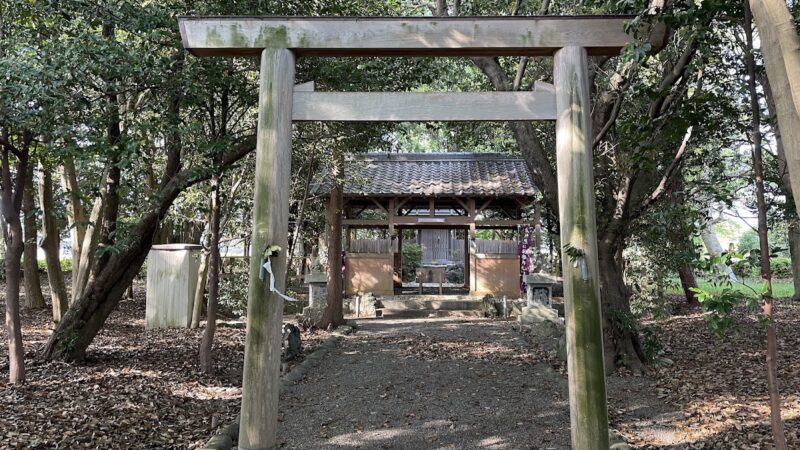
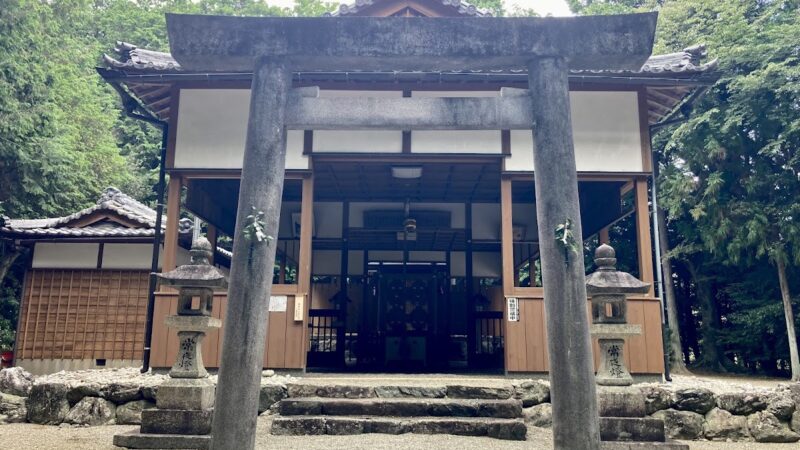
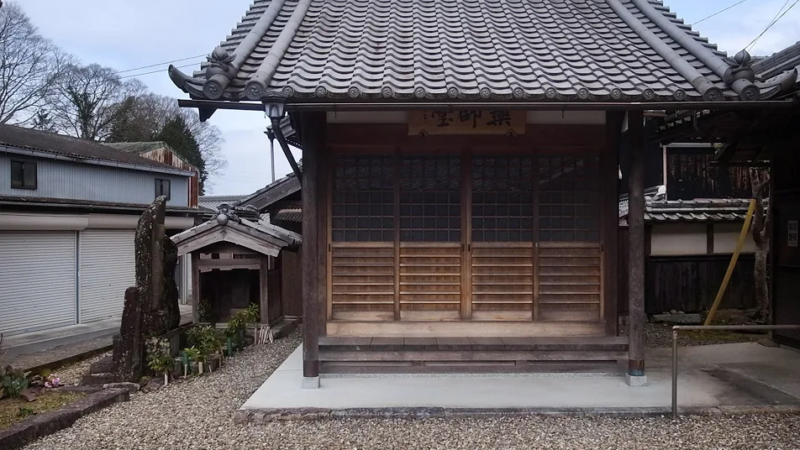
The shrine buildings of Hibiki Shrine preserve the traditional shrine architectural style of the Iga region. The main hall is protected by a protective structure, and worshippers can pray from the worship hall.
The shrine grounds are neatly maintained and enveloped in a tranquil atmosphere. Its location along the Kizu River means it is blessed with a rich natural environment.
Torii Gate and Approach
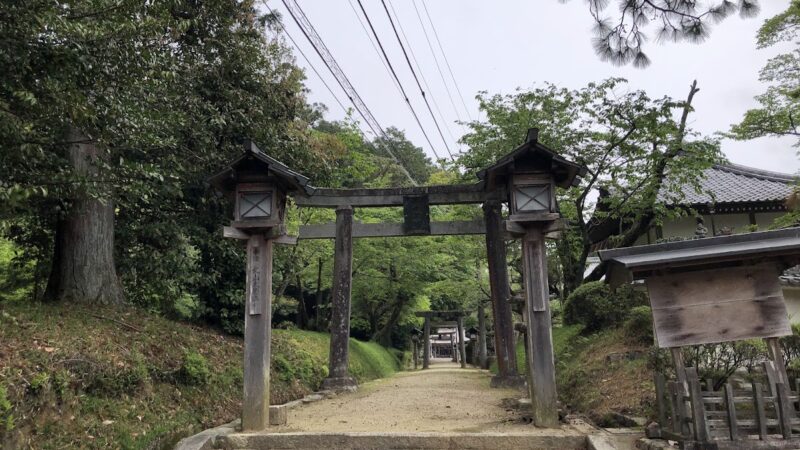
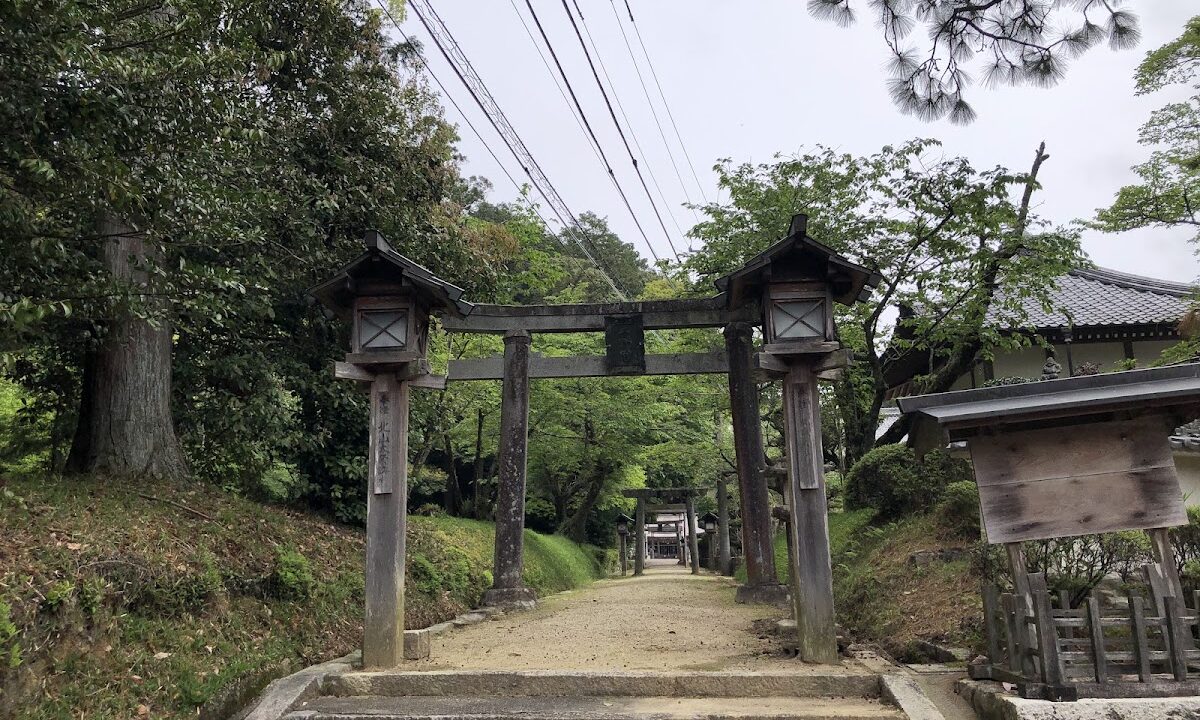
A torii gate stands at the entrance to the shrine, and the approach leads to the main hall. The approach is of a suitable length, providing ample space to shift one’s mindset from everyday life to the sacred realm.
Subsidiary Shrines and Stone Sculptures
Within the shrine grounds are subsidiary shrines dedicated to enshrined deities, as well as old stone lanterns and stone sculptures such as guardian lion-dogs. These are valuable cultural assets that tell the story of the region’s history and deep faith.
Natural Environment
Located along the Kizu River, our shrine is surrounded by the beauty of nature throughout the seasons. In spring, the fresh greenery, and in autumn, the vibrant autumn leaves adorn the grounds, delighting visitors.
Information on Hibiki Shrine’s Goshuin (Shrine Seal)
About the Issuance of Goshuin
Hibiki Shrine offers Goshuin. Those wishing to receive a Goshuin should inquire at the shrine office. However, staff may not always be present, so it is recommended to contact the shrine in advance if you wish to guarantee receiving one.
Features of the Goshuin
The Goshuin features the calligraphy of “Hibiki Shrine” and the shrine’s seal. Its simple yet powerful brushstrokes convey the shrine’s status as a Shikinaisha (a shrine listed in the Engishiki, an ancient Japanese legal text).
About Limited Edition Goshuin
Limited edition Goshuin may be offered during special festivals and anniversaries. Please check the shrine’s latest information for details.
Annual Events and Festivals
Annual Festival
Hibiki Shrine holds various festivals throughout the year. At the annual festival, local parishioners and devotees gather for Shinto rituals and the dedication of Kagura (sacred dance).
Main Annual Events
- New Year’s Day Festival: Praying for peace in the new year
- Spring Annual Festival: Praying for a bountiful harvest
- Autumn Annual Festival: Expressing gratitude for the harvest
- Monthly Festival: Regular monthly festival
Specific dates may vary from year to year, so it is recommended to check before visiting.
Access and Transportation Information
Access by Train
Approximately 15 minutes on foot from Iga-Kamitsu Station on the Iga Railway Iga Line (approximately 1 km northeast)
Iga-Kamitsu Station is a station on the Iga Railway Iga Line, approximately 10 minutes from Iga-Kambe Station. From the station to the shrine, it’s easiest to use Kamitsu Elementary School as a landmark.
Access by Car
Approximately 20 minutes from the Meihan Expressway “Ueno IC”
Approximately 15 minutes from the Meihan Expressway “Ouchi IC”
Proceed along the road beside the Kizu River and aim for the area around Kamitsu Elementary School. For car navigation, searching for “1427 Kitayama, Iga City, Mie Prefecture” or “Hibiki Shrine” is convenient.
Parking
There is parking space around the shrine grounds. However, if you are visiting with a large vehicle or multiple vehicles, please contact the shrine in advance.
Landmarks in the vicinity
- Kamitsu Elementary School (very close)
- Kizu River (near the shrine)
- Along the road from the former Aoyama Town to the former Oyamada Village
Manners and Benefits of Worship
Proper Worship Procedure
- Bow before passing through the torii gate
- Purify your body and mind at the water basin
- Bow twice, clap twice, and bow once in front of the main hall
- After worshiping, turn around and bow once as you leave the torii gate
Benefits
Since many deities are enshrined at Hibiki Shrine, various blessings can be expected.
- Family Safety: Hijiki-no-kami, Susanoo-no-Mikoto
- Abundant Harvest: Ukanomitama-no-kami
- Business Prosperity: Kotoshironushi-no-kami, Ukanomitama-no-kami
- Protection from Evil: Takehaya Susanoo-no-Mikoto
- Long-lasting Military Fortune: Takemikazuchi-no-kami, Futsunushi-no-kami
- Academic Success: Amenokoyane-no-Mikoto
- Matchmaking: Omononushi-no-kami
- Health and Longevity: Oyamatsumi-no-kami
Nearby Shrines and Tourist Spots
Hijiki Shrine (Hijiki, Iga City)
A candidate for the Shikinaisha “Hijiki Shrine.” Located approximately 3km east of Maruyama Station on the Kintetsu Iga Line, it holds a higher rank than the Kitayama Hijiki Shrine, having previously been a Prefectural Shrine. It has deep ties to the Hijiki Wake clan and is a historically interesting shrine.
Other Shikinaisha Shrines in Iga City
Many Shikinaisha shrines exist in Iga Province.
- Anaseki Shrine: Tsuge-cho, Iga City
- Ueki Shrine: Kaminosho, Iga City
- Akuni Shrine: Ichinomiya, Iga City (Ichinomiya of Iga Province)
Visiting these Shikinaisha shrines is a great way to learn about the history of the Iga region.
Iga Ueno Castle
A representative tourist spot in Iga City. Built by Todo Takatora, it is famous for its high stone walls. It is about a 20-minute drive from Hibiki Shrine.
Iga-ryu Ninja Museum
A facility unique to Iga City, known as the home of ninjas. You can learn about the history and techniques of ninjas.
The History of the Iga Region and Hibiki Shrine
The Establishment of Ancient Iga Province
Iga Province is believed to have been established after the Taika Reforms (645 AD), during the period when the Ritsuryo system was being established, by separating from Ise Province. The fact that Hibiki Shrine is believed to have been founded during the Taihō era (1704-1712) is thought to be related to the establishment of Iga Province.
Iga’s Powerful Clans and Shrines
In ancient Iga, there were powerful clans, including the Hijiki-wake clan, each of whom founded shrines to enshrine their ancestral deities. The relationship between Hibiki Shrine and Hijiki Shrine may also be related to the distribution of power among these clans.
Importance as a Shikinaisha Shrine
Shikinaisha shrines, listed in the Engishiki Jinmyōchō (a list of shrines compiled in the Heian period), are historically significant shrines officially recognized by the imperial court during the Heian period. Iga Province has many Shikinaisha shrines, indicating that the Iga region was an important area from ancient times.
Visitor Feedback and Reviews
Visitors to Hibiki Shrine have shared the following comments:
“A quiet and peaceful shrine. The natural environment along the Kizu River is very pleasant.”
“You can feel the weight of history as a Shikinaisha (a shrine listed in the Engishiki, an ancient Japanese legal text). You can sense how much the local people cherish it.”
“I was able to receive a Goshuin (shrine stamp), and the staff were very polite.”
“It’s located near Kamitsu Elementary School, making it easy to find.”
Points to Consider When Visiting Hibiki Shrine
Best Time to Visit
While Hibiki Shrine can be visited throughout the year, the following times are particularly recommended:
- Spring (April-May): Beautiful fresh greenery and mild weather.
- Autumn (October-November): Enjoy the autumn foliage and the annual festival.
- New Year’s Day (January 1st-3rd): Pray for the New Year during the first shrine visit of the year.
Estimated Time Required
Please allow approximately 20-30 minutes for visiting the shrine grounds. If you plan to receive a Goshuin (shrine stamp) or stroll around the grounds at a leisurely pace, it’s advisable to allow a little more time.
Clothing and Items to Bring
No special clothing is required, but please wear clean clothing appropriate for visiting a shrine. Insect repellent spray in summer and warm clothing in winter will make your visit more comfortable.
If you plan to receive a Goshuin, please remember to bring your Goshuincho (stamp book).
Frequently Asked Questions (FAQ)
Q1: Are Hibiki Shrine and Hijiki Shrine the same shrine?
A1: No, they are different shrines. Both shrines are considered candidates for the Engishiki-listed shrine “Hibiki Shrine,” but they currently exist as separate shrines. Hibiki Shrine is located in Kitayama, Iga City, and Hijiki Shrine is located in Hijiki, Iga City. Their former shrine ranks also differ (Hibiki Shrine was a village shrine, while Hijiki Shrine was a prefectural shrine).
Q2: Is it guaranteed that I can get a Goshuin (shrine stamp)?
A2: Hibiki Shrine does offer Goshuin, but the shrine office is not always open. If you want to be sure to get a Goshuin, we recommend contacting the shrine in advance to confirm the hours during which they are available.
Q3: Is there parking available?
A3: Yes, there is parking space around the shrine grounds. However, if you are visiting with a large vehicle or multiple vehicles, please contact the shrine in advance.
Q4: What is the most convenient way to access Hibiki Shrine?
A4: Access by car is the most convenient. It is approximately 15-20 minutes from the Ueno IC or Ouchi IC on the Meihan Expressway. If using public transportation, it’s approximately a 15-minute walk from Iga-Kamitsu Station on the Iga Railway Iga Line.
Q5: When are festivals and special events held?
A5: Hibiki Shrine holds annual events such as the Spring Festival and Autumn Festival. Specific dates may vary from year to year, so please inquire with the shrine or check local information before visiting.
Q6: What is a Shikinaisha?
A6: A Shikinaisha is a shrine listed in the Engishiki Jinmyocho, compiled in the mid-Heian period. These are historically significant shrines officially recognized by the imperial court at the time, and there are approximately 3,000 of them throughout Japan. Hibiki Shrine has long been recognized as a Shikinaisha of Iga Province.
Q7: What are the blessings of Hibiki Shrine?
A7: At Hibiki Shrine, which enshrines many deities, you can expect various blessings, including family safety, abundant harvests, business prosperity, protection from evil, academic success, and health and longevity. In particular, as a guardian deity of the region, many worshippers visit to pray for family safety and peace in the community.
Q8: Are there any other shrines I can visit in the surrounding area?
A8: Yes, there are many historical shrines and Shikinaisha (shrines listed in the Engishiki) within Iga City. We especially recommend visiting Hijiki Shrine (prefectural shrine) and Akuni Shrine (Iga Province’s Ichinomiya) in conjunction with Hibiki Shrine. You can enjoy a journey that allows you to experience the history of the Iga region as part of a Shikinaisha pilgrimage.
Summary
Hibiki Shrine, located in Kitayama, Iga City, Mie Prefecture, is a venerable shrine with a history of over a thousand years, listed in the Engishiki. It is said to have been founded during the Taiho era and has attracted the faith of the region since the establishment of Iga Province.
Hibiki Shrine enshrines many deities, including its principal deity, Hibiki-no-kami, as well as Takemikazuchi-no-kami, Futsunushi-no-kami, and Amenokoyane-no-mikoto, offering various blessings such as family safety, abundant harvests, and business prosperity. Its charm lies in the tranquil atmosphere of the shrine, nestled amidst the rich natural beauty along the Kizu River.
It’s easily accessible, about a 15-minute walk from Iga-Kamitsu Station, or 15-20 minutes by car from the Meihan Expressway interchange. Goshuin (shrine stamps) are also available, and it’s a popular destination for those on a pilgrimage to shrines listed in the Engishiki (ancient Japanese legal code).
Please visit Hibiki Shrine, where you can experience the history and culture of the Iga region. A quiet visit to this place of worship, which has continued since ancient times, will surely be a special experience.