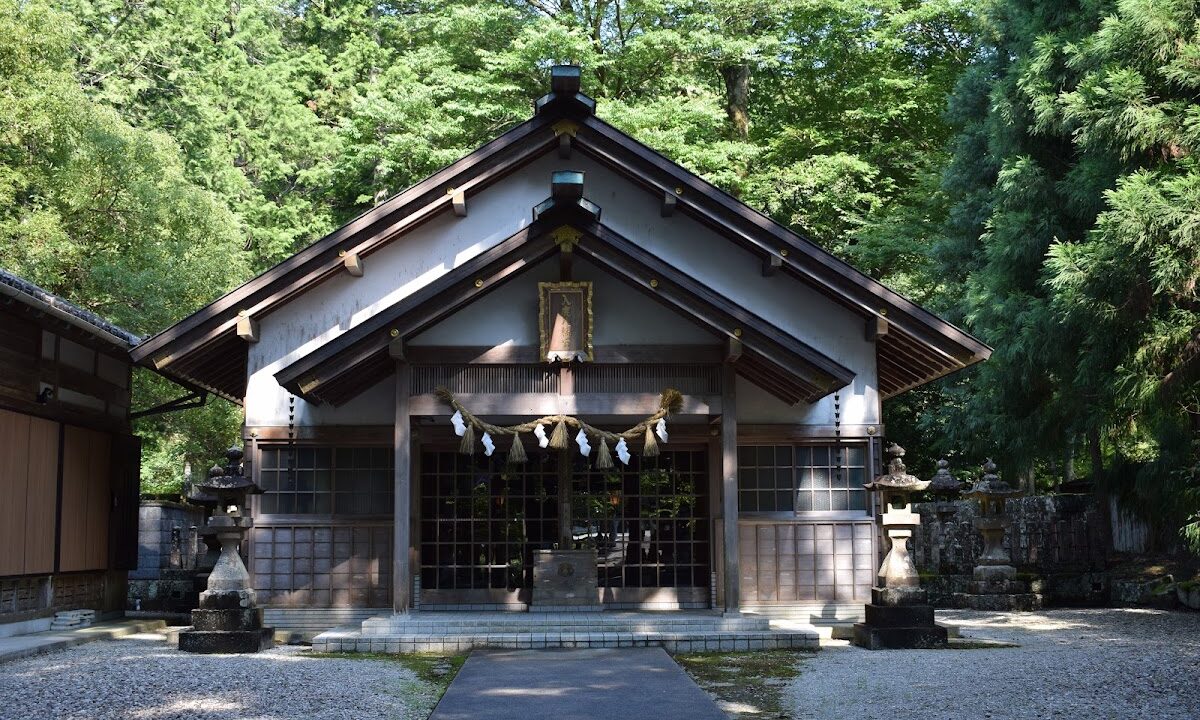
Complete Guide to Iruka Hachimangu Shrine (Kumano City, Mie Prefecture) | History, Deities, Access, and Highlights Explained in Detail
Iruka Hachimangu Shrine, located in Ogurisu, Kiwa-cho, Kumano City, Mie Prefecture, is a venerable shrine boasting a history of approximately 600 years since the Muromachi period. As the tutelary shrine of the mountainous region of the Kii Peninsula, formerly known as Iruka Village, it has been revered by the local residents. This article comprehensively introduces all the information you need to know before visiting, including the detailed history of Iruka Hachimangu Shrine, its enshrined deities, highlights within the grounds, and access methods.
Basic Information about Iruka Hachimangu Shrine
Iruka Hachimangu Shrine is located at 66 Ogurisu, Kiwa-cho, Kumano City, Mie Prefecture, in the Ogurisu settlement along National Route 311. It is also close to the Kumano City Kiwa Mining Museum, and the entire area, nestled in a peaceful mountain settlement, exudes a tranquil atmosphere.
Location and Contact Information
- Location: 66 Ogurisu, Kiwa-cho, Kumano City, Mie Prefecture
- Former Address: 66 Ogurisu, Kiwa-cho, Minamimuro-gun
- Nearest Station: JR Kisei Main Line, Kii-Ichiki Station
- Nearest Bus Stop: Iruka Elementary School Bus Stop (approx. 2-minute walk), Ogurisu Bus Stop (approx. 2-minute walk)
Behind the shrine are school facilities, and it remains a cherished central place for the local community.
History and Origins of Iruka Hachimangu Shrine
Founding History
The founding of Iruka Hachimangu Shrine dates back to Eikyo 4 (1432). In that year, a man named Iruka (or Iruka Nigashi) invited the Hachiman deity from Usa Shrine in Buzen Province (present-day Oita Prefecture) and enshrined it on Okahara Mountain in Ogurisu, marking the beginning of the shrine.
Usa Shrine is the head shrine of approximately 44,000 Hachiman shrines nationwide, and the fact that Iruka Hachiman Shrine received a divided spirit from it speaks to its importance in this region. Eikyo 4 (1437) falls in the mid-Muromachi period, during the time when Ashikaga Yoshinori was the 6th shogun.
Origin of the Place Name Iruka
The area where the shrine is located was called “Iruka Village” until 1955 (Showa 30), when three surrounding villages (Iruka Village, Ogawaguchi Village, and Yoji Village) merged to form Kiwa Town. There are several theories about the origin of the name Iruka, but the most likely is that it derives from the name of the founder, a certain Iruka.
Iruka Hachiman Shrine, as the tutelary shrine of Iruka Village, has been revered as a particularly famous shrine in the surrounding area. In the Kiwa region, which prospered from mining development, it played an important role as a spiritual pillar for the local residents.
Relocation from Okaharayama
Originally, Iruka Hachimangu Shrine was enshrined on Okaharayama in Ogurisu, but it is believed to have been relocated to its current location. While there are no records of the exact date or reason for the relocation, it is presumed that it was moved to its current location, more easily accessible to people, considering the development of the settlement and convenience.
Deities and Divine Virtues
Main Deities
The deities enshrined at Iruka Hachimangu Shrine are the following three, known as Hachiman-jin:
- Emperor Ojin: The 15th Emperor and the central figure of Hachiman-jin
- Himegami: Considered one of the three Munakata goddesses
- Empress Jingu: Mother of Emperor Ojin
These three deities are collectively known as the “Three Hachiman Gods” and are enshrined at Hachimangu shrines throughout Japan.
Divine Virtues (Benefits)
Hachiman is known for his wide range of divine virtues, and Iruka Hachimangu Shrine is believed to offer the following benefits:
- Long-lasting Military Fortune and Good Luck in Competitions: Due to his nature as a god of war, he is believed to bestow the strength to face competitions and difficulties.
- National Protection: Faithful as a god who protects the country.
- Exorcism and Good Fortune: Wards off disasters and brings good fortune.
- Family Safety: Peace and prosperity for the family.
- Prosperity of Descendants: Protection for children and child-rearing.
- Traffic Safety: Protection for safe travel.
In particular, as the local guardian deity, he has been worshipped as a presence that watches over all aspects of the daily lives of the residents.
Highlights of the Shrine Grounds
Shrine Architecture
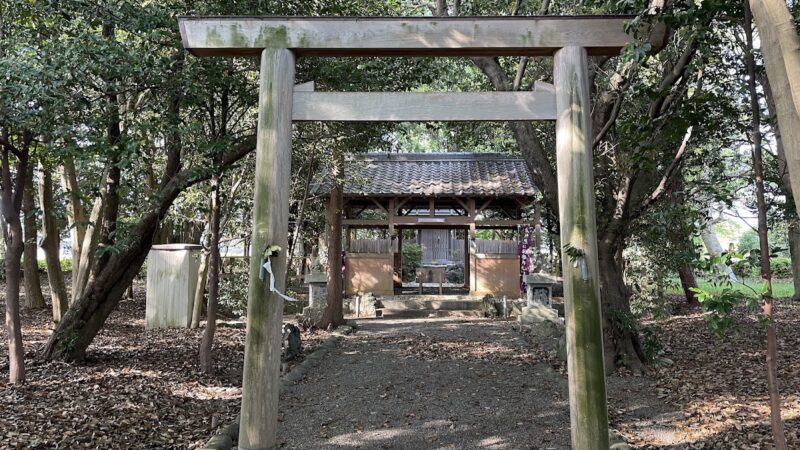
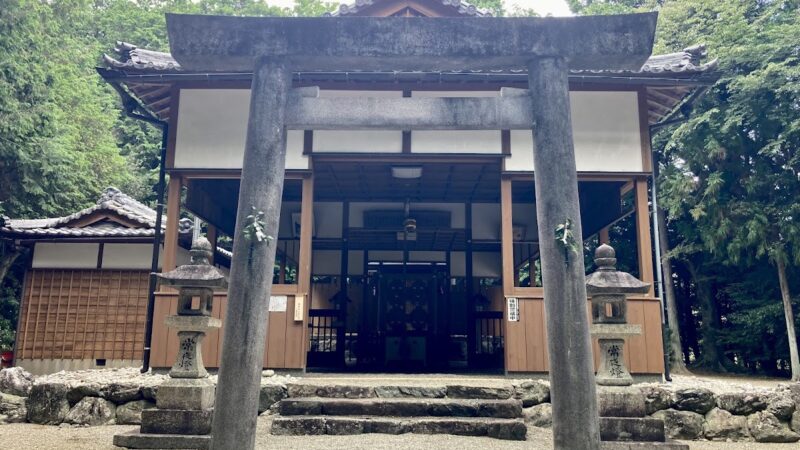
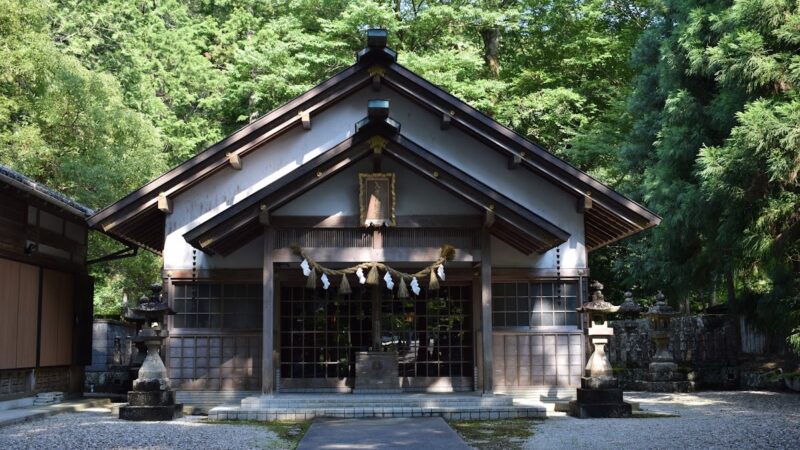
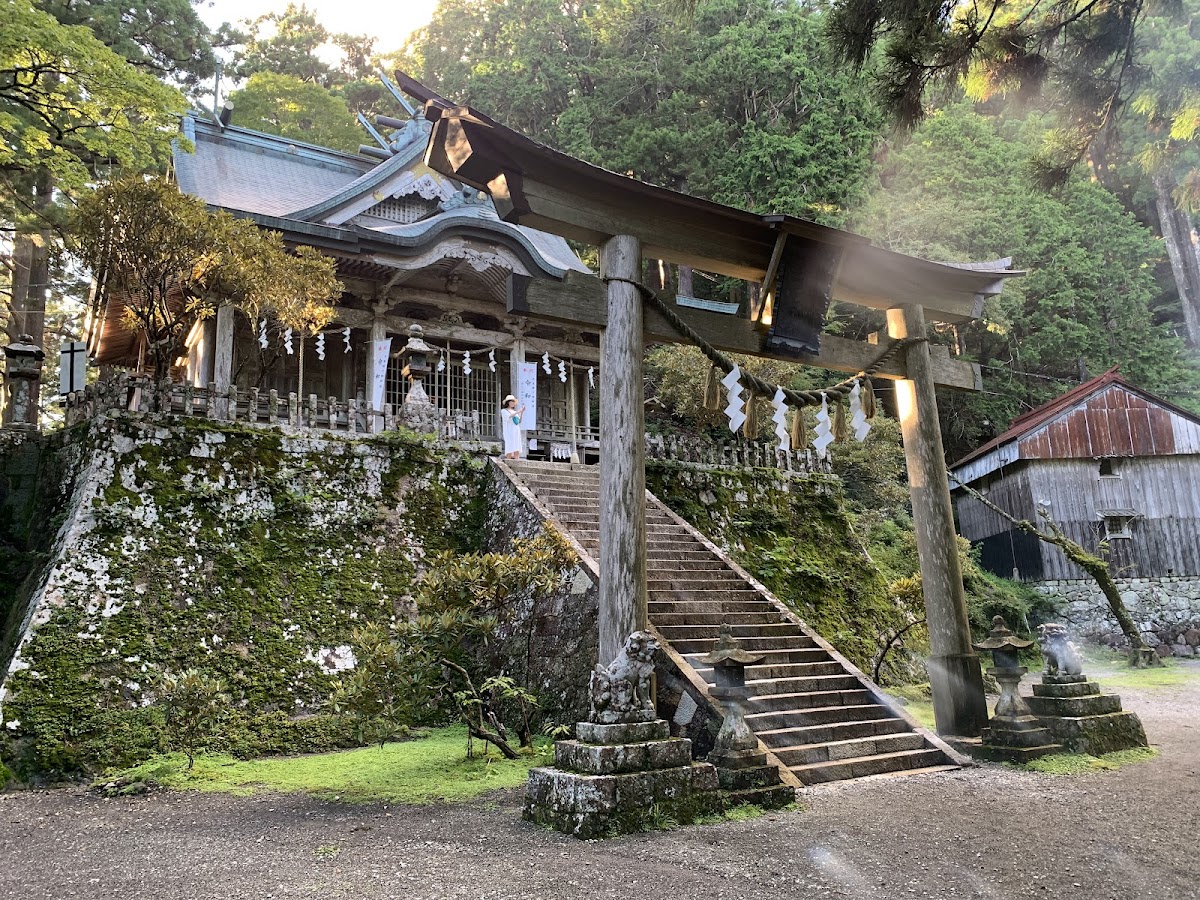
The shrine buildings of Iruka Hachimangu Shrine exhibit a simple and tranquil appearance, typical of shrines in mountainous areas. While lacking ostentatious decorations, the shrine possesses a dignified atmosphere that reflects its long history, exuding the warmth of a community-rooted shrine.
Atmosphere of the Shrine Grounds
Despite its location along National Route 311, the shrine grounds are enveloped in a tranquil atmosphere. The entire Ogurisu settlement is a peaceful and pleasant place, offering peace of mind to visitors.
Its location, surrounded by mountains, explains why it has been chosen as a sacred place since ancient times. Especially during the seasons of fresh greenery and autumn leaves, the natural beauty of the area creates a particularly special atmosphere.
Surrounding Environment
Behind the shrine is a school, which functions as the center of the local community. Nearby is the Kumano City Kiwa Mining Museum, where you can learn about the history of mining in this region. When visiting Iruka Hachimangu Shrine, visiting the museum as well will allow you to gain a deeper understanding of the history of the Kiwa region.
Access Methods
Access by Public Transportation
Using Trains and Buses:
- Get off at Shingu Station on the JR Kisei Main Line.
- Take the Kumano City Community Bus bound for Kiwa-cho (approximately 60 minutes).
- Get off at the Ogurisu or Iruka Elementary School bus stop (approximately 2 minutes on foot).
Distance from Nearest Station:
- The nearest station is Kii-Ichiki Station on the JR Kisei Main Line, but it is a considerable distance from the station, so we recommend using a bus or taxi.
Access by Car
Travel Time from Major Cities:
- From Nagoya: Approximately 3 hours 30 minutes via the Kisei Expressway and Kumano-Owase Road.
- From Osaka: Approximately 4 hours via the Hanwa Expressway and Kisei Expressway.
- From Tsu City: Approximately 2 hours and 30 minutes via National Route 42 and National Route 311
Car Navigation Settings:
- Address: 66 Ogurisu, Kiwa-cho, Kumano City, Mie Prefecture
- Landmark: Near the Kumano City Kiwa Mining Museum, along National Route 311
Parking Information:
Prior confirmation is required regarding the shrine’s dedicated parking lot. As it is a small shrine, consideration should be given to avoiding inconvenience to local residents when parking on the street.
Notes on Access
Kiwa-cho is located in a mountainous area, so there is a possibility of snow and icy roads in winter. When visiting in winter, it is recommended to use snow tires or carry snow chains. Also, since the number of buses is limited, it is important to check the timetable in advance if using public transportation.
Manners and Etiquette for Visiting a Shrine
Basic Etiquette for Visiting a Shrine
When visiting Iruka Hachimangu Shrine, please observe the following basic etiquette:
- Bow before passing through the torii gate: This is a sign of respect when entering the sacred area.
- Avoid walking in the center of the path: The center is considered the path of the gods.
- Purify yourself at the water basin: Purify in the following order: left hand → right hand → mouth → hilt of left hand.
- Etiquette in front of the main hall: The basic etiquette is two bows, two claps, one bow (two bows, two claps, one bow).
Appropriate Attire for Visiting a Shrine
There are no specific dress code requirements, but it is desirable to wear clothing that reflects the sacred nature of the place. Since it is located in a mountainous area, comfortable walking shoes are recommended.
Annual Events and Festivals
Iruka Hachimangu Shrine, as the local guardian shrine, is believed to hold various festivals throughout the year. It is recommended to check the specific festival dates in advance. At typical Hachiman shrines, the following annual events are held:
- Annual Grand Festival: The most important festival for the shrine (timing varies by shrine)
- Hatsumode: New Year’s visit
- Setsubun Festival: Setsubun in February
- Natsukoshi no Harae: Great purification ceremony at the end of June
- Autumn Grand Festival: Autumn harvest thanksgiving festival
In smaller local shrines, local residents often play a central role in supporting the festivals, making them important opportunities to deepen community bonds.
Nearby Tourist Attractions
Kumano City Kiwa Mine Museum
Located near Iruka Hachiman Shrine, this museum offers a detailed look at the history of mining in the Kiwa region. It’s a valuable facility where you can learn about the history of the Kiwa Mine, which once flourished as a copper producing area, and the development of the region as a mining town.
Maruyama Senmaida Rice Terraces
A representative tourist spot in Kiwa-cho, Kumano City, known as one of the largest rice terraces in Japan. The breathtaking scenery created by approximately 1,340 terraced rice paddies attracts many tourists, especially during rice planting season, harvest season, and illumination events.
Dorokyo Gorge
This gorge of the Kitayama River, a tributary of the Kumano River, is designated as a National Special Place of Scenic Beauty and Natural Monument. The scenery, a blend of emerald green water and sheer cliffs, is known as “Dorohatcho,” and water jet boat tours are available.
Kumano Kodo Pilgrimage Route
Part of the Kumano Kodo Pilgrimage Route, a World Heritage Site, passes through Kumano City. Following this historical path, walked by countless pilgrims since ancient times, allows one to experience a profound spirituality.
The Charm of Iruka Hachimangu Shrine
The Weight of History
Since its founding in 1432 (Eikyo 4), Iruka Hachimangu Shrine has watched over the region for approximately 600 years. As a venerable Hachiman shrine established through the enshrinement of a deity from Usa Shrine, it has attracted unwavering devotion from the Muromachi period to the present day.
A Place Rooted in the Community
Rather than a large-scale tourist shrine, Iruka Hachiman Shrine’s greatest charm lies in its deep connection to the lives of the local residents as their guardian deity. While not flashy, it exudes a warmth and sincere sense of faith.
Harmony with the Natural Environment
Its location in the mountainous region of the Kii Peninsula brings a tranquil and sacred atmosphere to the shrine. Combined with the peaceful atmosphere of the entire Ogurisu settlement, it is a place where one can forget the hustle and bustle of city life and find peace of mind.
Experiencing the History of the Kiwa Region
As a central figure in the region formerly known as Iruka Village, and as a place that conveys the history of the Kiwa region, which flourished as a mining town, Iruka Hachiman Shrine holds significant cultural value.
Precautions for Visiting the Shrine
Visiting Hours
While you can generally visit the shrine grounds freely, the hours of operation at the shrine office may be limited. If you wish to obtain a Goshuin (shrine stamp) or other items, it is recommended to check in advance.
Photography
Photography is generally permitted on the shrine grounds, but consideration should be given to avoid disturbing other visitors. Also, please remember that this is a sacred place and take photos with moderation.
Accessibility Information
As this shrine is located in a mountainous area, it is necessary to check accessibility information in advance. Those with mobility issues are advised to inquire beforehand.
Seasonal Precautions
- Spring/Summer: Insect repellent is recommended.
- Autumn: While the autumn foliage is beautiful, the sun sets early, so allow ample time for your visit.
- Winter: Be aware of the possibility of snow and icy roads; take precautions regarding equipment and driving.
Iruka Hachimangu Shrine and Hachiman Faith in Mie Prefecture
While numerous Hachimangu shrines are located within Mie Prefecture, Iruka Hachimangu Shrine holds a significant position as one of the centers of Hachiman faith in the southern part of the Kii Peninsula.
Its history, including its direct enshrinement from Usa Jingu Shrine, demonstrates the high status of this shrine and explains why it has been particularly revered as a famous shrine in the surrounding area.
Detailed Information
Basic Data
- Shrine Name: Iruka Hachimangu Shrine
- Location: 66 Ogurisu, Kiwa-cho, Kumano City, Mie Prefecture
- Deities Enshrined: Emperor Ojin, Himegami, Empress Jingu
- Founded: Eikyo 4 (1432)
- Former Shrine Rank: Estimated to be equivalent to a village shrine
- Annual Festival Date: To be confirmed
Cultural Properties and Treasures
Regarding the presence or absence of specific designated cultural properties, on-site confirmation or prior inquiry is necessary. As it is an old shrine, there is a possibility that historically valuable artifacts are stored there.
Goshuin (Shrine Seal) Information
The availability of Goshuin may vary depending on the shrine office’s response. If you definitely wish to receive a Goshuin, it is recommended to check in advance.
About Kiwa-cho, Kumano City
Kiwa-cho in Kumano City, where Iruka Hachimangu Shrine is located, was once a thriving area thanks to the Kiwa Mine. It was formed in 1955 through the merger of three villages: Iruka, Ogawaguchi, and Yoji.
Although the population is currently declining, community development is underway, leveraging the rich natural environment and historical heritage. With abundant tourist resources such as Maruyama Senmaida rice terraces and the Kiwa Mine Museum, it is a region well worth visiting.
Summary
Iruka Hachimangu Shrine is a historic shrine located in Ogurisu, Kiwa-cho, Kumano City, Mie Prefecture. Since its inception in 1432 (Eikyo 4) from Usa Jingu Shrine, it has been revered as the local guardian deity for approximately 600 years.
While not a large-scale tourist shrine, it possesses a simple warmth and a sincere, community-rooted faith. Located in the tranquil mountainous region of the Kii Peninsula, this is a precious place where you can pray in peace and quiet.
When visiting Kiwa-cho in Kumano City, be sure to stop by Iruka Hachimangu Shrine and experience the charm of this shrine with its long history. Visiting it along with the nearby Maruyama Senmaida rice terraces and the Kiwa Mining Museum will allow you to gain a deeper understanding of the history and culture of the Kiwa region.
While access by public transport takes time, it offers a chance to escape the hustle and bustle of the city and enjoy a peaceful time. Why not enjoy a refreshing trip for both mind and body in the nature-rich land of Kiwa?