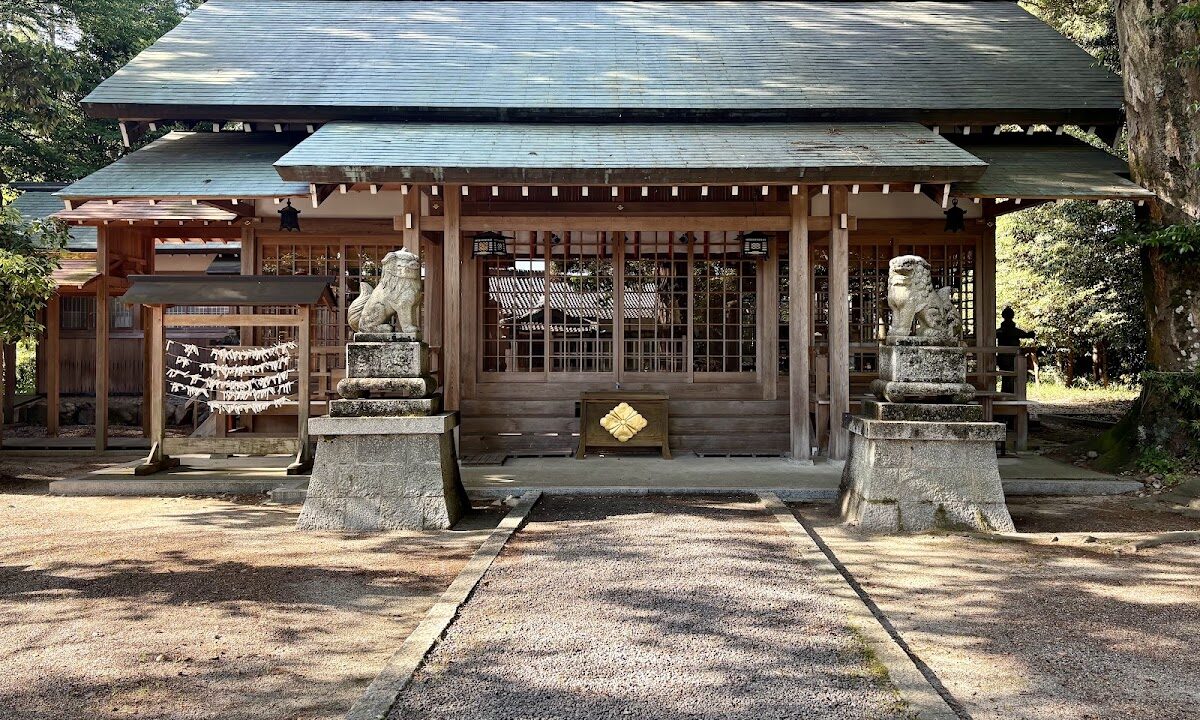
Complete Guide to Kanbe Shrine (Tsu City, Mie Prefecture): History, Deities, and Access Information
Kanbe Shrine, located in Kanbe, Tsu City, Mie Prefecture, is a historical shrine with deep ties to Ise Grand Shrine dating back to ancient times. This article provides a detailed introduction to Kanbe Shrine, including its history, enshrined deities, festivals, and access information useful for visitors.
Overview and Basic Information of Kanbe Shrine
Kanbe Shrine is located at 1944 Kanbe, Tsu City, Mie Prefecture, and its representative is Mr. Toshihiro Kawai (according to the Mie Prefecture Religious Corporations List as of May 1, 2026). The Kanbe district of Tsu City has long been known as a region with deep ties to Ise Grand Shrine, and Kanbe Shrine is one of the shrines that strongly retains this historical background.
Location and Basic Data
- Location: 1944 Kambe, Tsu City, Mie Prefecture
- Religious Corporation: Kambe Shrine
- Representative Officer: Toshihiro Kawai
- Jurisdiction: Mie Prefecture Shrine Association
The Mie Prefecture Shrine Association encompasses 815 shrines within the prefecture, and Kambe Shrine is one of them, cooperating in promoting pilgrimages to Ise Grand Shrine and supporting related activities.
History and Origins of Kambe Shrine
History as the Shrine Visiting the Site of Princess Yamato-hime
An essential aspect of the history of Kambe Shrine is its deep connection with Princess Yamato-hime. During the reign of Emperor Suinin, the eleventh emperor, Princess Yamato-hime traveled from Kasasagi Village in Yamato Province in search of a suitable site for the eternal enshrinement of Amaterasu Omikami. It is said that she temporarily stayed in Kambe during this period.
This imperial procession was a crucial journey to find a suitable location for the enshrinement of Amaterasu Omikami, ultimately leading to her enshrinement upstream of the Isuzu River in Ise Province. The area of Kobe has long been a center of worship, serving as one of the important locations along this route.
Two Thousand Years of Prayers in the Shrine of Kobe, Ise Province
After Amaterasu Omikami was enshrined upstream of the Isuzu River in Ise Province, the Kobe area became part of the territory of the Grand Shrine of Ise (Naiku). The shrine, established as the Kobe Shinmei Shrine in Kambe, Kawakubo District, has a profound connection to the Grand Shrine and has woven a two-thousand-year history of prayer.
The name “Kobe” itself signifies a place where people serving the Grand Shrine lived, indicating the close relationship this region has had with the Grand Shrine since ancient times. Kobe Shrine is a valuable example of this historical background.
Deities and Divine Virtues
Regarding the deities enshrined at Kobe Shrine, given its history as the Kanzaki Shinmei Shrine, which has worshipped Amaterasu Omikami, it is considered a Shinmei-type shrine with Amaterasu Omikami as its principal deity. Shinmei shrines exist throughout Japan and, as shrines enshrining a divided spirit of Ise Grand Shrine, are believed to bestow divine virtues such as abundant harvests, national peace and security, and family safety.
Expected Divine Virtues
- Abundant Harvests: Prosperity and bountiful harvests in agriculture
- National Peace and Security: Peace and prosperity of the nation
- Family Safety: Health and happiness of the family
- Good Fortune and Prosperity: Improvement of luck and the arrival of happiness
- Protection from Misfortune: Protection from disaster
As the saying goes, “God’s power increases through human reverence, and people are blessed with good fortune through God’s virtue,” it is believed that sincere faith and respect for the shrine bring good fortune to people.
Festivals and Events
At Kobe Shrine, various festivals and events are held throughout the year. These events are a testament to the faith of the local people and an important opportunity to pass on traditional culture to the next generation.
Annual Grand Festival (Autumn Festival)
The annual grand festival, held in autumn, is one of the most important festivals at Kobe Shrine. As a traditional festival expressing gratitude for a bountiful harvest and praying for the prosperity of the region, it attracts many worshippers.
Joint Enshrinement Commemoration Festival (Kobe Ishitori Festival)
The Kobe area has a traditional festival culture called the “Ishitori Festival.” The Ishitori Festival is a distinctive festival passed down in the Hokusei region of Mie Prefecture, a magnificent festival where participants parade through the town while beating gongs and drums. The Joint Enshrinement Commemoration Festival at Kobe Shrine is also thought to be deeply connected to this regional festival culture.
Light Events
In recent years, many shrines have been holding fantastical events using lights. At Kobe Shrine, there’s a possibility of a light-up event where the grounds are adorned with lanterns and paper lanterns. This will be a special opportunity to visit the shrine in a magical atmosphere from dusk to night.
Mid-Autumn Moon Festival
On the 15th day of the 8th month of the lunar calendar, the Mid-Autumn Moon Festival is sometimes celebrated with moon-viewing ceremonies. This is a precious opportunity to experience the traditional Japanese custom of giving thanks for the autumn harvest and admiring the beautiful full moon in the sacred setting of a shrine.
Kobe Sōsha “Reiwa Grand Renovation” — Prayers for the Future —
It’s important to note that “Kobe Sōsha” (Kobe, Suzuka City) and “Kobe no Jinja” (Kobe, Tsu City) are different shrines. Kobe Sōsha is located in Kobe, Suzuka City, and is also known as the shrine visited by Princess Yamato-hime. It is currently undergoing a “Reiwa Grand Renovation” project.
There are several places named “Kobe” within Mie Prefecture, each with its own historical shrine. This demonstrates the deep connection with the ancient Ise Grand Shrine and speaks to the richness of Mie Prefecture’s religious culture.
Historical Background of the Kambe District, Tsu City
The Kambe district of Tsu City played an important role from ancient to medieval times as a Mikuriya (kitchen) and Kanbe (village) of the Ise Grand Shrine. “Kambe” means a household (house) that served the shrine, and it was a special area that produced rice and other goods offered to the shrine.
History of Kambe in Kawawa District
In ancient administrative divisions, this area belonged to Kawawa District. The place name Kawawa is thought to originate from the winding topography of the river. This area benefited from the rivers flowing into Ise Bay and developed into a rich agricultural region.
Kambe Shrine, with its historical background, has served as a central place of worship in the region and a spiritual pillar for the local residents.
Manners and Etiquette for Visiting Shrines
When visiting Kambe Shrine, it is important to observe basic shrine visiting manners. ### Basic Worship Etiquette
- Bow before passing through the torii gate: Bow before entering the sacred area, in front of the torii gate.
- Purify yourself at the water basin: Purify your left hand, then your right hand, then your mouth.
- Walk along the edge of the path: The center is considered the path of the gods.
- Etiquette at the main hall: The basic procedure is two bows, two claps, one bow (two bows, two claps, one bow).
- Bow upon leaving: Turn around and bow when leaving the torii gate.
Attire for Worship
Except when attending a special festival, everyday clothing is acceptable for worship, but please dress neatly and respectfully.
Access Information
We will guide you on how to access Kobe Shrine.
Location
Address: 1944 Kambe, Tsu City, Mie Prefecture 514-0008
Access by Public Transportation
You can reach the Kambe area from the center of Tsu City by taking a local bus. Since it’s a short walk from the nearest bus stop, we recommend checking the Mie Kotsu bus routes in advance.
Access by Car
- Ise Expressway: Approximately 10-15 minutes from Tsu IC
- National Route 23: Accessible from the Tsu city center
- Parking: It is recommended to check in advance whether there is parking space for visitors.
Distance from Major Nearby Facilities
- Tsu Station: Approximately 5km (approximately 15 minutes by car)
- Ise Grand Shrine Inner Shrine: Approximately 40km (approximately 50 minutes by car)
- Suzuka City: Approximately 20km (approximately 30 minutes by car)
Related Shrines in Mie Prefecture
Besides Kambe Shrine, Mie Prefecture has many other shrines deeply connected to the pilgrimage of Princess Yamato-hime and Ise Grand Shrine.
Kambe Sōsha (Suzuka City)
Kambe Sōsha, located in Kambe, Suzuka City, is also known as a shrine visited by Princess Yamato-hime. Traditional events such as the Kobe Ishitori Festival are thriving, attracting local devotion.
Kobe Shrine (Iga City)
There is also a Kobe Shrine in Iga City, and each region has cultivated its own unique history and beliefs.
Other Shrines Associated with Princess Yamato-hime
Within Mie Prefecture, many shrines known as “Moto-Ise” (original Ise shrines) are scattered along the route of Princess Yamato-hime’s pilgrimage. The “Journey Following Princess Yamato-hime’s Pilgrimage” is a popular route for history enthusiasts and shrine-visiting fans.
About the Mie Prefecture Shrine Association
Kobe Shrine is one of the shrines belonging to the Mie Prefecture Shrine Association. The Mie Prefecture Shrine Association is comprised of 815 shrines in Mie Prefecture under the jurisdiction of the Association of Shinto Shrines, and carries out the following activities:
- Encouraging visits to Ise Grand Shrine
- Promoting support activities
- Training of Shinto priests
- Holding training sessions and workshops for Shinto priests, representatives, and other shrine-related personnel
- Reporting to the Association of Shinto Shrines
- Public awareness activities to promote understanding of shrines
The Mie Prefecture Shrine Association website publishes a list of shrines in the prefecture and area maps, which can be used as a reference for shrine visits.
The Charm and Highlights of Kobe Shrine
Grounds that Feel the Weight of History
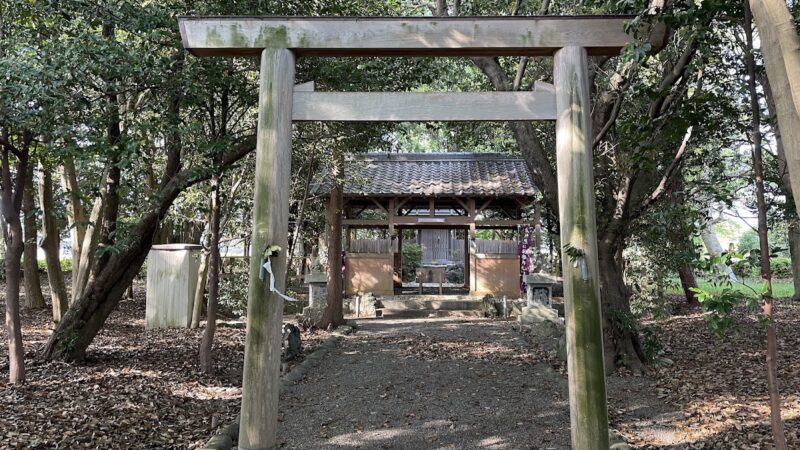
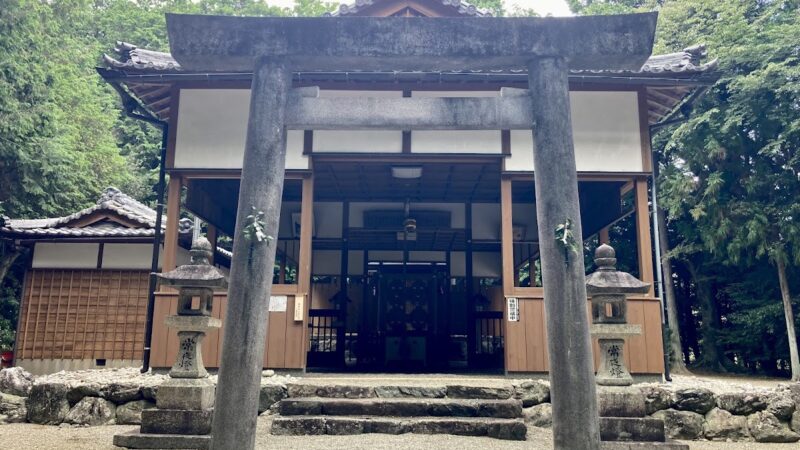
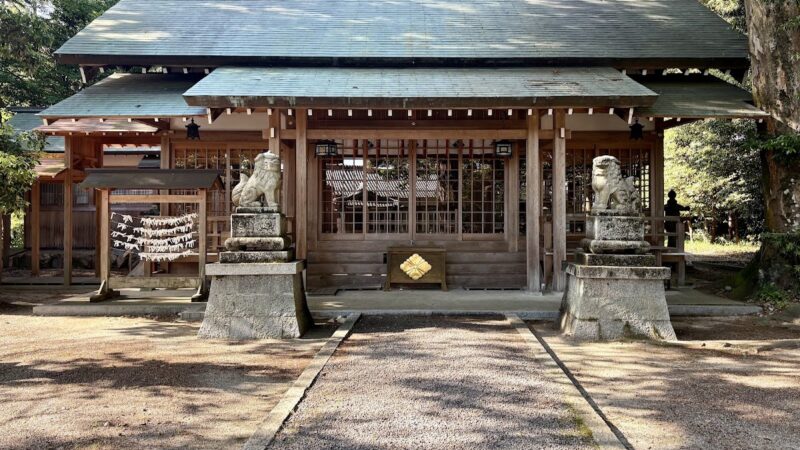
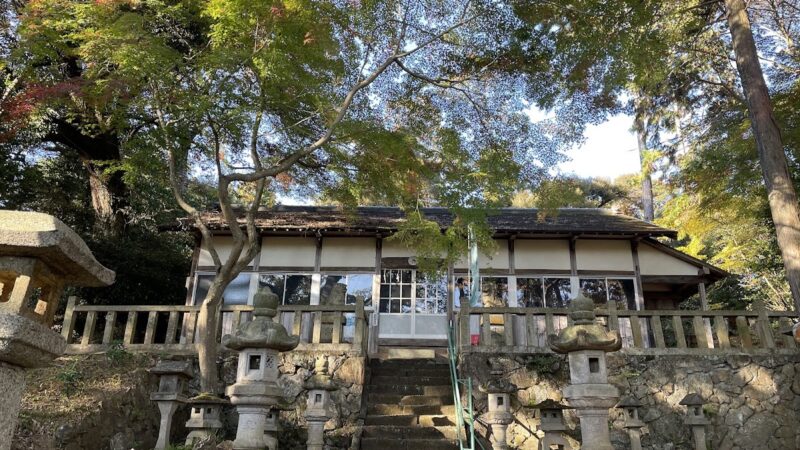
The grounds of Kobe Shrine, with its 2,000-year history of prayer, are enveloped in a tranquil atmosphere. Ancient trees and stone monuments, among other elements, tell the story of its long history.
Deep Connections with the Community
Kobe Shrine, as a center of faith for local residents, plays a role in deepening community bonds through various festivals and events. It is an important place for preserving local traditional culture and passing it on to future generations.
Historical Connections to Ise Grand Shrine
Kobe Shrine, with its deep connection to Ise Grand Shrine as the Kandate Shinmei Shrine, is a shrine worth visiting before or after a pilgrimage to Ise. When visiting Ise Grand Shrine, we highly recommend extending your trip to include a visit to Kobe Shrine.
Notes and Requests Regarding Visits
Visiting Hours
Shrine visiting hours are generally from sunrise to sunset, but it is recommended to check the specific times in advance.
Visiting During Festivals
During festivals such as the annual grand festival, there may be different visiting rules than usual. Also, please observe quietly while Shinto rituals are being performed.
Photography
Photography is generally permitted on the shrine grounds, but it may be advisable to refrain from taking pictures inside the main hall or during Shinto rituals. If you have any questions, please check with the shrine staff.
Goshuin (Shrine Seals)
If you wish to receive a Goshuin, it is recommended to check the hours when the shrine office is available in advance. Smaller shrines may not be able to provide this service at all times. ## Combine your visit with sightseeing in Tsu City
You can enjoy sightseeing in Tsu City in conjunction with visiting Kambe-no-jinja Shrine.
Main tourist spots in Tsu City
- Tsu Castle Ruins: The site of a castle built by Todo Takatora, now developed as a park
- Sakakibara Onsen: A famous hot spring, counted as one of Japan’s three most famous hot springs
- Aoyama Plateau: A scenic spot lined with wind turbines for wind power generation
- Tsu Kannon: A temple considered one of Japan’s three great Kannon temples
Tsu City’s Gourmet
- Tsu Gyoza: Large dumplings famous as a local specialty of Tsu City
- Ise Udon: A representative local dish of Mie Prefecture
- Seafood Cuisine: Fresh seafood caught in Ise Bay
Summary: The significance of visiting Kambe-no-jinja Shrine
Kambe-no-jinja Shrine is a historical shrine deeply connected to an important story in Japanese mythology: the imperial procession of Princess Yamato-hime. With a history of prayer spanning two thousand years, this shrine, a precious institution that conveys its deep connection to Ise Grand Shrine, has long been a center of faith for the local people.
Located at 1944 Kambe, Tsu City, Mie Prefecture, this shrine, known as Kambe Shinmei-sha, enshrines Amaterasu Omikami and bestows divine blessings such as abundant harvests, national peace and security, and family safety. As the saying goes, “God’s power increases through human reverence, and people are blessed with good fortune through the virtue of God,” so by visiting with sincere faith and respect, you will surely receive the blessings of the gods.
When visiting Ise Grand Shrine or Tsu City, we highly recommend visiting Kambe Shrine as well. Spend some time purifying your soul amidst its timeless history and tranquil atmosphere. It will be a valuable opportunity to experience local traditional culture and feel the profound depth of Japanese spiritual culture.