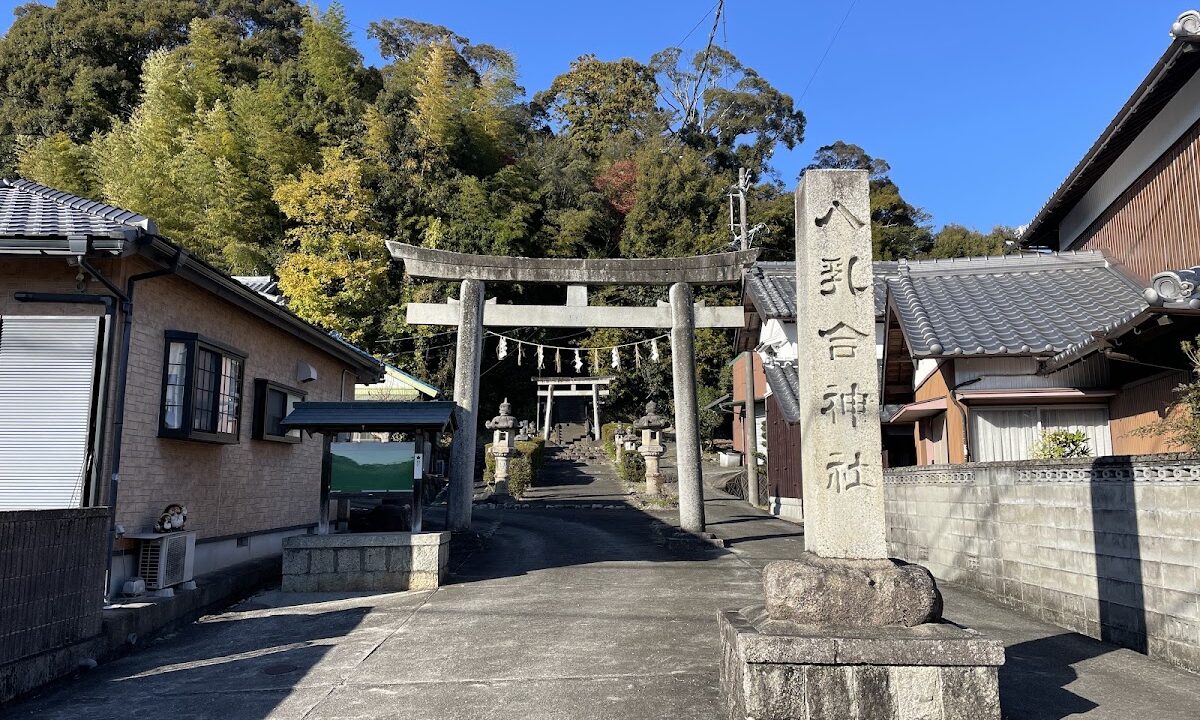
Yachiai Shrine (Tsu City, Mie Prefecture) Complete Guide | History, Deities, and Access Information
About Yachiai Shrine
Yachiai Shrine is a Shinto shrine located in Katadaido-cho, Tsu City, Mie Prefecture. It has a deeply rooted history in the region and has long been revered by local residents. Tsu City is known as the capital of Mie Prefecture and flourished as a pilgrimage route to Ise Grand Shrine. Within this context, Yachiai Shrine plays an important role as a spiritual pillar of the local community.
The shrine’s name, “Yachiai,” has a unique sound, and while there are various theories about its origin, it is believed to be deeply connected to the region’s history and beliefs. Currently, it belongs to the Mie Prefecture Shrine Association and is officially registered as a religious corporation.
History and Origins of Hachiyūai Shrine
Background of Founding
Although there are no clear records regarding the founding date of Hachiyūai Shrine, it is presumed that rituals have been performed there since ancient times, based on the traditions of local elders and the historical background of the surrounding area. The Katada district of Tsu City has been inhabited since ancient times, and it is thought that the shrine was established as a place to pray for abundant harvests and peace in the community, within a lifestyle centered on agriculture.
Connection to the Community
During the Edo period, in the Katada district, which developed as part of the Tsu Domain, Hachiyūai Shrine served as a village shrine and a spiritual center for the local residents. Residents visited this shrine at milestones in their agricultural work and at rites of passage in their lives, seeking the protection of the gods. Even with the establishment of the shrine system during the Meiji era, it was officially recognized as a local shrine and continues to preserve local traditions to this day.
Connection to the Community ### Changes Since the Modern Era
Although it was affected by the shrine consolidation policy after the Meiji Restoration, it survived due to the strong faith of the local residents, and after the war, it restarted as a religious corporation. Even today, it welcomes many worshippers as the local guardian deity during annual events such as New Year’s visits, Shichi-Go-San (a traditional rite of passage for children), and exorcisms.
Deities and Benefits
Main Deity
The deities enshrined at Hachiyūai Shrine are thought to reflect the traditional beliefs of the region. Like many local shrines, it is highly likely that agricultural deities and guardian deities of the land are enshrined, and they are revered as gods who watch over the prosperity of the region and the safety of its residents.
Expected Benefits
The following are some of the benefits you can expect from visiting Hachiyūai Shrine:
- Abundant Harvest and Business Prosperity: As a local shrine based on agriculture, prayers for a bountiful harvest and business prosperity are offered.
- Family Safety: Protection of family health and peaceful daily life.
- Protection from Misfortune and Disaster: Prayers for protection from various calamities.
- Community Peace and Tranquility: Peace and development of the entire community.
- Prosperity of Descendants: Prayers for fertility and the healthy growth of children.
Highlights of the Shrine Grounds
Shrine Building
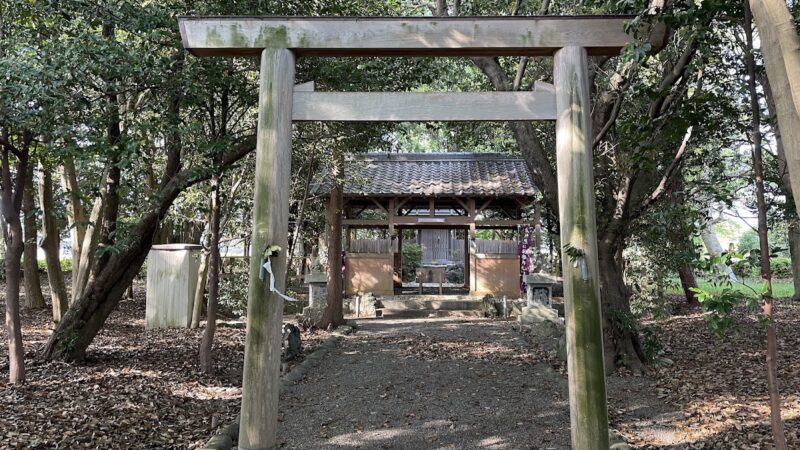
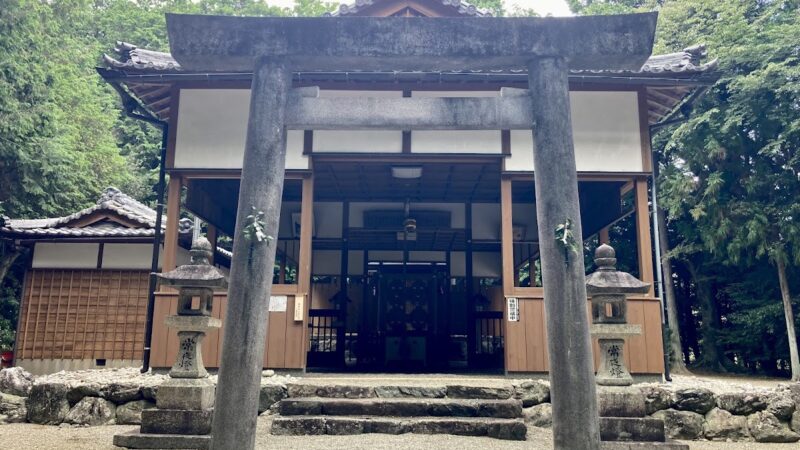
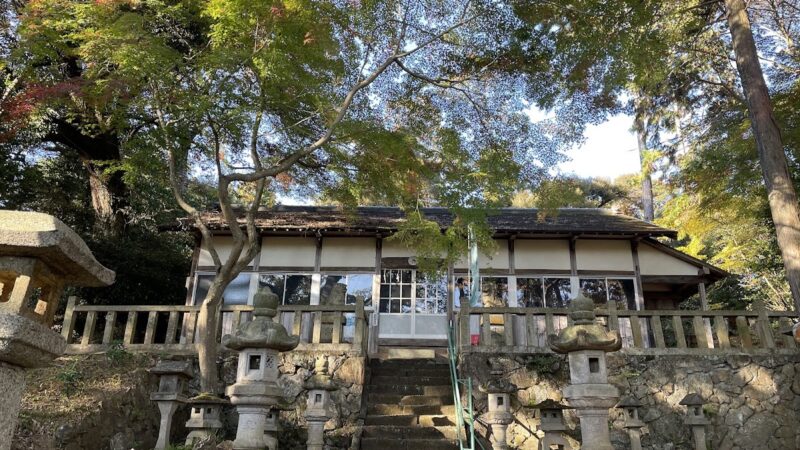
The shrine building of Hachiyūai Shrine has a calm and tranquil appearance befitting a local shrine. Although not large in scale, the carefully maintained grounds are filled with a refreshing atmosphere, providing peace to visitors.
Atmosphere of the Shrine Grounds
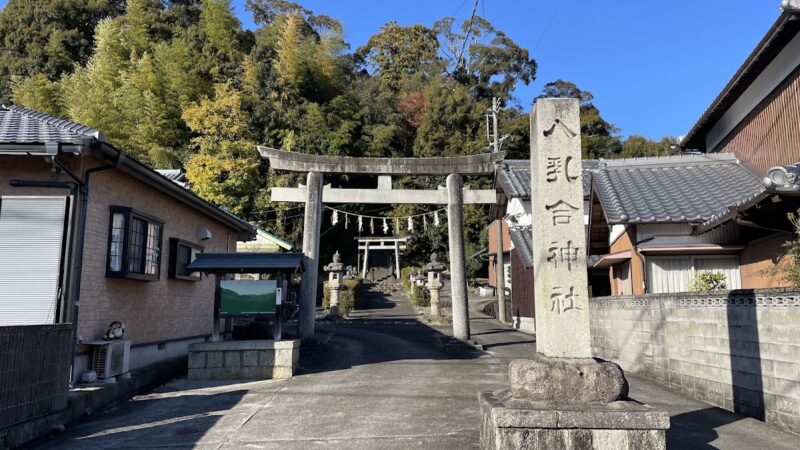
Located in the residential area of Katadaido-cho, Hachiyūai Shrine is a friendly shrine that blends seamlessly into the community. The shrine grounds are planted with seasonal flowers and plants, showing how carefully they are maintained by the local community. It’s a tranquil space away from the hustle and bustle of the city, allowing for peaceful worship.
Points for Worship
When worshipping, first bow before passing through the torii gate, and purify your hands and mouth at the water basin (if available). At the main hall, worship using the two bows, two claps, and one bow ritual. You can offer your prayers with heartfelt sincerity in the warm atmosphere unique to a local shrine.
Annual Events and Festivals
Main Annual Events
At Hachiyūai Shrine, as a local shrine, the following annual events are believed to be held:
New Year’s Day Festival/First Shrine Visit (January 1st)
This is the most important event, praying for happiness and peace in the new year. Local residents visit to offer their New Year’s greetings.
Setsubun Festival (around February 3rd)
Through traditional events such as bean-throwing, evil spirits are warded off and good fortune is invited.
Spring Grand Festival
A festival celebrating the arrival of spring and praying for a bountiful harvest.
Summer Purification Ceremony (June 30th)
Purifying the impurities accumulated over the past six months and praying for good health and protection from illness for the remaining half of the year.
Autumn Grand Festival
An important festival expressing gratitude for the harvest and praying for the prosperity of the community.
Shichi-Go-San Festival (November)
Celebrating the growth of children and praying for their healthy future.
Year-End Purification Ceremony (December 31st)
Purifying the impurities accumulated over the past year and preparing for a refreshing New Year.
Community Interaction
These events also serve as opportunities to deepen the bonds of the local community and function as a place for intergenerational exchange.
Access Information
Location
Address: 200-1 Katadaido-cho, Tsu City, Mie Prefecture 514-0082
Transportation Access
Access by Train
- Approximately 15 minutes by car from JR Kisei Main Line/Kintetsu Nagoya Line “Tsu Station”
- Taking a taxi from Tsu Station is convenient
- If using the bus, take a Mie Kotsu bus towards Katada and walk from the nearest bus stop.
Access by Car
- Approximately 10 minutes from Ise Expressway “Tsu IC”
- Accessible via Prefectural Road from National Route 23
- Enter the address “200-1 Katadaido-cho, Tsu City” into your car navigation system.
Parking
There may be parking spaces for visitors on the grounds or nearby, but it is recommended to check in advance for details.
Visiting Hours
As with most shrines, entry to the grounds is possible at any time during the day. However, please note that there may be time restrictions for receiving Goshuin (temple/shrine stamps) and accepting prayer requests at the shrine office, so it is recommended to check in advance.
Tsu City’s Shrine Culture and Hachiyugai Shrine
Historical Background of Tsu City
Tsu City is the capital of Mie Prefecture and has flourished since ancient times as a key point on the pilgrimage route to Ise Grand Shrine. During the Edo period, it developed as a castle town of the Tsu Domain (320,000 koku), becoming a center of commerce and culture. Within this historical context, numerous shrines and temples are scattered throughout Tsu City, fostering a rich religious culture.
The Role of Local Shrines
Local shrines like Hachiyugai Shrine play a different and important role than large-scale shrines. This is their function as places of worship closely integrated into daily life. For local residents, nearby shrines within walking distance are places to offer daily gratitude and prayers, and serve as a spiritual foundation supporting community unity.
Mie Prefecture’s Shrine Network
Mie Prefecture has a network of shrines with Ise Grand Shrine at its apex. The Mie Prefectural Shrine Association comprises approximately 815 shrines, and Yachiyogo Shrine is one of them, contributing to the maintenance and development of shrine culture within the prefecture. Each shrine possesses its own unique history and characteristics, yet they cooperate with one another, playing a vital role in passing on Japan’s traditional culture to future generations.
Nearby Attractions and Tourist Information
Major Tourist Spots in Tsu City
Here are some tourist spots in Tsu City that you might want to visit in conjunction with your visit to Yachiyogo Shrine:
Tsu Castle Ruins
The site of the former castle of the Todo family of the Tsu Domain, now developed as a park. It is also known as a famous cherry blossom viewing spot.
Sakakibara Onsen
A famous hot spring known for its “beauty-enhancing properties,” located in western Tsu City. Day trips for bathing are also available.
Yuki Shrine
A shrine famous for its plum blossoms, with approximately 300 plum trees blooming in spring.
Mie Prefectural Museum (MieMu)
A comprehensive museum where you can learn about the nature, history, and culture of Mie Prefecture.
Nearby Shrines and Temples
Tsu Kannon (Daihoin)
An ancient temple considered one of Japan’s three Kannon temples, located in the heart of Tsu City.
Takada Honzan Senshuji
The head temple of the Shinshu Takada sect, a renowned temple possessing the national treasures, the Mikage-do and Nyoraido halls.
Ise Grand Shrine
A representative shrine of Japan, located about 40 minutes by car from Tsu City. Both the Inner and Outer Shrines are well worth visiting.
Manners and Etiquette for Visiting Shrines
Basic Manners for Visiting Shrines
There are basic manners to observe when visiting shrines. When visiting Hachiyugai Shrine, please observe the following etiquette:
How to Pass Through the Torii Gate
The torii gate is the entrance to the sacred area. Bow before passing through and walk avoiding the center of the path (the path of the gods).
Procedure for Washing Hands
- Hold the ladle in your right hand and wash your left hand.
- Switch the ladle to your left hand and wash your right hand.
- Switch the ladle back to your right hand, receive water in your left hand, and rinse your mouth.
- Wash your left hand again.
- Hold the ladle upright, wash the handle, and return it to its original position.
Procedure for Bowing
- Stand in front of the offering box and bow slightly.
- Gently place your offering in the box.
- Ring the bell if there is one.
- Bow twice (bowing deeply twice).
- Clap your hands twice.
- Pray sincerely.
- Bow once (bowing deeply once).
Clothing and Belongings
No special clothing is required, but clean clothing that reflects the sacred nature of the place is desirable. For formal prayers, a suit or formal attire is appropriate.
Photography Etiquette
Photography is generally permitted on the shrine grounds, but consideration for the interior of the main hall, the Shinto priests, and other visitors is necessary. Please refrain from taking photos in areas where photography is prohibited.
Goshuin (Shrine Seals) and Souvenirs
About Goshuin
Goshuin are calligraphic inscriptions given at shrines as proof of worship. While it may be possible to obtain a goshuin at Yachiyogo Shrine, it is recommended to check in advance whether they offer them regularly. When requesting a goshuin, please politely ask at the shrine office after completing your prayers.
Bring your goshuincho (seal book) and wait quietly while they write it. The goshuin fee (offering) is generally around 300 to 500 yen.
Souvenirs
Information about souvenirs such as amulets and talismans can be found at the shrine office. You may find simple and heartfelt souvenirs unique to local shrines.
Engagement with the Local Community
Parishioner Organization
Yachiyogo Shrine is supported by a parishioner organization as the local guardian shrine of the Katadaido-cho area. The parishioners are involved in the maintenance and management of the shrine and the operation of festivals, playing a crucial role in passing on traditions to future generations.
Contribution to Local Events
Shrines function not only as religious facilities but also as gathering places for the local community. Festivals and annual events provide valuable opportunities for local residents to gather and interact, playing an important role in maintaining community bonds, especially in today’s aging society.
Passing on to the Next Generation
For local children, experiences at the shrine are a valuable opportunity to encounter traditional Japanese culture. Through events such as Shichi-Go-San (a traditional rite of passage for children) and Hatsumode (first shrine visit of the year), children naturally learn about shrine culture and develop an attachment to their community.
Comparison with Other Shrines in Mie Prefecture
Relationship with Ise Grand Shrine
The existence of Ise Grand Shrine is indispensable when discussing the shrine culture of Mie Prefecture. Ise Grand Shrine, as the pinnacle of Japanese Shinto shrines, attracts millions of visitors annually from within and outside the prefecture. While local shrines like Hachiyūai Shrine differ in scale and character from Ise Grand Shrine, they possess unique value as places of worship rooted in their respective communities.
Major Shrines in Tsu City
Besides Hachiyūai Shrine, many other shrines are located within Tsu City:
- Yūki Shrine: Famous for its plum blossoms
- Inoda Shrine: An ancient shrine in northern Tsu City
- Mikuriya Shinmei Shrine: Revered as the local guardian deity
- Takachaya Shrine: Located in southern Tsu City
Each shrine possesses its own unique history and characteristics, contributing to Tsu City’s rich shrine culture.
Shrines in Kuwana, Yokkaichi, and Suzuka Cities
Many prominent shrines also exist in the major cities of northern Mie Prefecture:
In Kuwana City, Kuwana Sōsha (Kasuga Shrine) is affectionately known as “Kuwana no Tenno-san” and is famous for its Ishitori Festival. Yokkaichi City is dotted with shrines that tell the history of the region, such as Suwa Shrine and Toride Shrine.
Suzuka City is nationally known as the head shrine of Sarutahiko-no-Okami.
Shrine Culture of Ise City and Matsusaka City
Ise City is, needless to say, the location of Ise Grand Shrine, and there are many shrines related to the Ise pilgrimage, such as Futami Okitama Shrine and Sarutahiko Shrine.
Matsusaka City has Matsusaka Shrine, associated with Motoori Norinaga, and shrines that reflect its history as a prosperous merchant town.
Practical Advice for Visiting Hachiyūai Shrine
Best Time to Visit
Hachiyūai Shrine can be visited throughout the year, but the best time is:
Spring (March-May): The warm climate makes it easy to visit, and it’s a beautiful season with fresh greenery.
Autumn (September-November): This is the time of the Autumn Grand Festival, where you can experience local traditional events.
First three days of the New Year: You can enjoy the atmosphere of celebrating the New Year with local residents during the first shrine visit of the year.
Estimated Time Required
Visiting Hachiyugai Shrine itself takes about 15-30 minutes. It is recommended to take your time to stroll around the grounds and offer a quiet prayer.
Combined Sightseeing Plans
When combining with sightseeing in Tsu City:
Half-Day Course
Morning: Visit Hachiyugai Shrine → Stroll around Tsu Castle Ruins → Visit Tsu Kannon Temple → Lunch in Tsu City
Full-Day Course
Morning: Visit Hachiyugai Shrine → Yuki Shrine (during plum blossom season) → Lunch
Afternoon: Takada Honzan Senshuji Temple → Mie Prefectural Museum → Shopping in Tsu City
Local Food Culture
Tsu City has a local specialty called “Tsu Gyoza.” These giant fried dumplings, 15cm in diameter, are a B-grade gourmet dish that originated in school lunches. Be sure to try them for lunch after visiting the shrine.
Also, since Tsu City faces the sea, you can enjoy fresh seafood. “Daimon clams” are particularly famous, and clam soup and tsukudani (simmered clams) are delicious.
Summary
Yachiyoai Shrine is a community-based shrine located in Katadaido-cho, Tsu City, Mie Prefecture. While not large in scale, it has long attracted the faith of local residents and played an important role as a spiritual pillar of the community.
Yachiyoai Shrine possesses a different charm from large shrines like Ise Grand Shrine, conveying a simple form of faith that is integrated into daily life. It is a valuable place where you can calm your mind in the quiet grounds and experience the history and culture of the region.
When visiting Tsu City, why not visit not only the major tourist attractions but also these local shrines? By experiencing places of faith that have been nurtured for generations and are closely intertwined with the lives of local people, you can gain a deeper understanding of the local culture. May your visit to Hachiyūai Shrine be a truly enriching experience. Visiting local shrines helps to pass on Japan’s traditional culture to future generations. Please visit with a sincere heart and offer your gratitude and prayers to the gods.