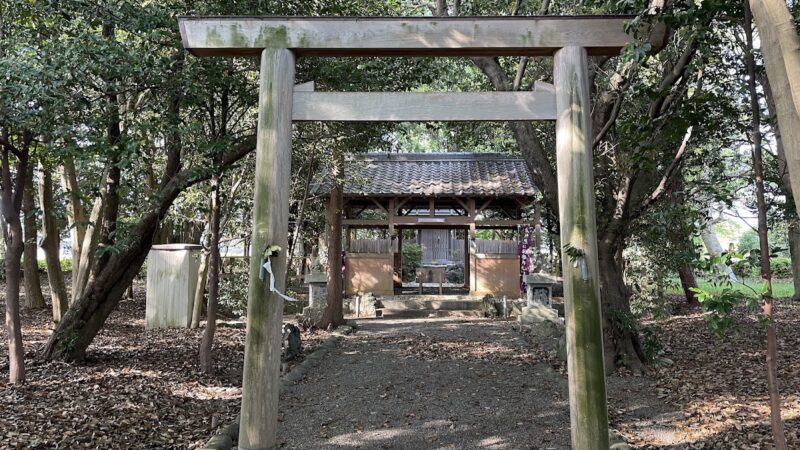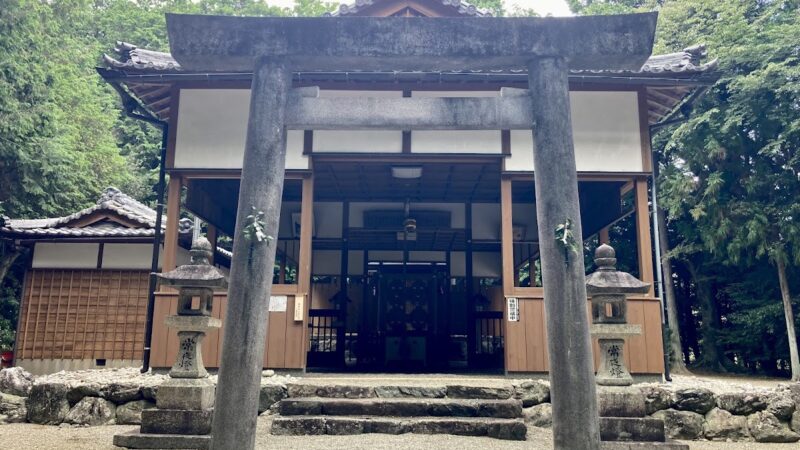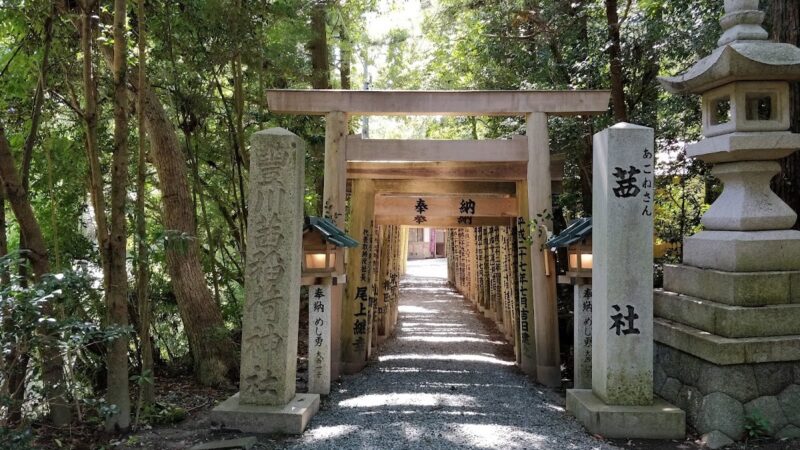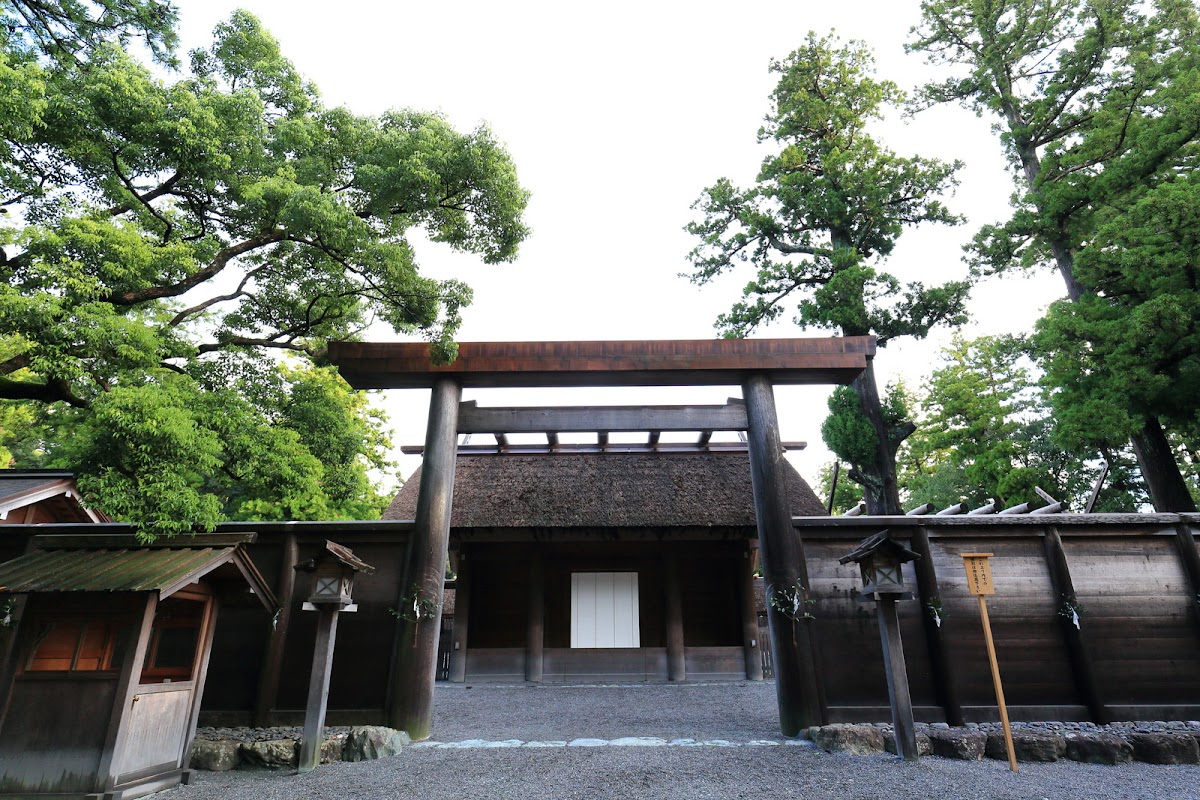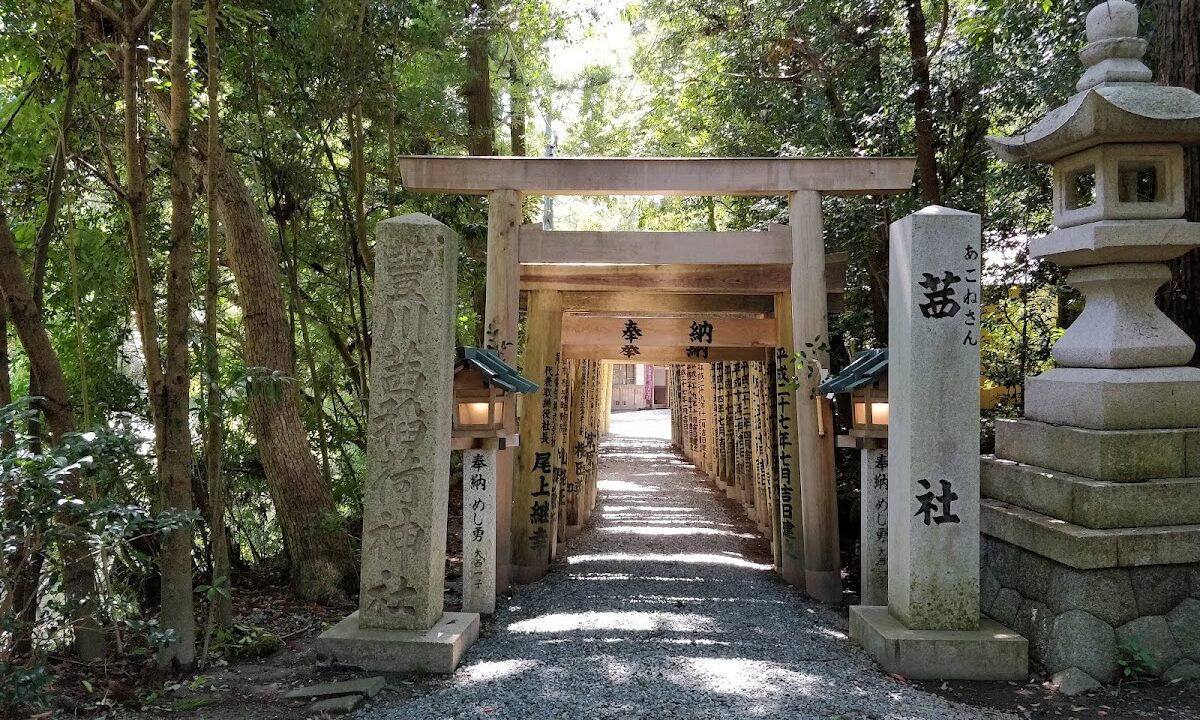
Akane Shrine (Ise City, Mie Prefecture) Complete Guide | History, Goshuin (Shrine Seals), Access, and Subsidiary Shrines Explained in Detail
What is Akane Shrine? | A Shrine Adjacent to the Outer Shrine, Affectionately Known as “Akone-san”
Akane Shrine is located at 274 Toyokawa-cho, Ise City, Mie Prefecture. Situated within the grounds of the Outer Shrine (Toyouke Daijingu) of Ise Grand Shrine, the shrine grounds boast a unique landscape surrounded on three sides by the beautiful Magatama Pond. Affectionately known as “Akone-san” by locals, it has long been a place of worship for the people of Ise, as one of the eight Yamada Ubusunakami Shrines.
Many visitors stop by when visiting the Outer Shrine, and it is known as a spot with a tranquil atmosphere distinct from the Outer Shrine. Within the shrine grounds, in addition to the main Akane Shrine, the Toyokawa Akane Inari Shrine and Akane Ushi Tenjin are enshrined, and it is believed to offer various blessings, including those related to food and grain, business prosperity, and academic success.
Genre
Akane Shrine is classified as a Shinto shrine (village shrine) and is a religious facility with the following complex characteristics:
- Ubusuna Shrine: As one of the eight Ubusuna Shrines of Yamada, it plays a role as the local guardian deity.
- Inari Shrine: The Toyokawa Akane Inari Shrine within the grounds is associated with the worship of business prosperity.
- Tenjin Shrine: Akane Ushi Tenjin is associated with the god of learning.
- Historical Shrine: An ancient shrine that may have been a subsidiary shrine of the Outer Shrine.
Due to these complex characteristics, it is a shrine visited by people with a variety of purposes for worship.
The History of Akane Shrine | From “Akaune” to “Akane”
From Ancient to Medieval Times
The history of Akane Shrine is ancient, and its origins are thought to date back to before the reign of Emperor Ichijo. Initially, this area was called “Akaune,” and the shrine’s name derives from this. This land, characterized by its red soil, was an important location close to the grounds of the Outer Shrine (Geku).
In ancient times, Akane Shrine is presumed to have been a subsidiary shrine of the Outer Shrine of Ise Grand Shrine. It is thought to have been adjacent to the sacred grounds of the Outer Shrine and played a part in its ritual system, but detailed records do not remain.
Changes in the Muromachi Period
During the Muromachi period, Akane Shrine strengthened its character as a local tutelary deity. From this period, the name “Akone” became established, and it became an object of worship closely intertwined with the lives of the local people. It transformed from a subsidiary shrine of the Outer Shrine to a more locally rooted tutelary deity.
Since the Meiji Era
In the early Meiji period, the kanji character “茜” (Akane) was officially assigned to the shrine’s name, which had previously been called “Akaune” or “Akone.” During this period, amidst the nationwide consolidation and reorganization of shrines, Akane Shrine was designated a village shrine.
In the Meiji period, Tenjin Shrine, the only Tenjin shrine in Ise, was merged with Akane Shrine. As a result, it became enshrined within the grounds as Akane-ushi Tenjin, and its character as a god of learning was added.
From the Showa era to the present day, Akane Shrine has continued to be a center of local faith and a popular stop for visitors to the Outer Shrine.
Appointment of a Female Chief Priest
In 2012 (Heisei 24), Akane Shrine became the first shrine in Ise City to appoint a female chief priest. This was a significant event in the history of Ise shrines and demonstrates Akane Shrine’s stance of adapting to the new era while preserving tradition.
Deities Enshrined | Three Gods
The following deities are enshrined at Akane Shrine:
Akane Shrine Main Hall
- Ame-no-Murakumo-no-Mikoto: The principal deity enshrined here.
- Hiruko-no-Mikoto: Worshipped as the god of business prosperity and maritime safety.
Toyokawa Akane Inari Shrine (Shrine within the grounds)
- Ukanomitama-no-Kami: The Inari god who presides over food and grains.
Akane Ushi Tenjin (Shrine within the grounds)
- Sugawara no Michizane: Widely worshipped as the god of learning.
Through these deities, Akane Shrine is revered as a shrine that brings various blessings, including business prosperity, abundant harvests, academic success, and maritime safety.
Shrine Grounds and Cultural Properties | A Sacred Area Surrounded by Magatama Pond
Layout of the Shrine Grounds
The most distinctive feature of Akane Shrine’s grounds is its location. Surrounded on three sides by Magatama Pond in the Outer Shrine’s garden, it creates a unique landscape resembling an island floating on the pond. This arrangement is special and not seen in other shrines, and the reflection of the shrine buildings on the water’s surface creates a mystical atmosphere.
Shrine Buildings
Akane Shrine’s buildings follow the traditional architectural style of Ise. Although not large in scale, the carefully maintained buildings possess a dignified presence that reflects its long history.
Torii Gates
Several torii gates are installed within the grounds, giving visitors a sense of being led into a sacred area as they proceed along the path. The torii gates standing on the banks of Magatama Pond harmonize beautifully with the water’s surface and are a popular photo spot.
Toyokawa Akane Inari Shrine
The Toyokawa Akane Inari Shrine, a subsidiary shrine within the grounds, has an unknown founding date. However, it is believed that there has long been a “rock cave called Inari” within the Akane Shrine’s sacred precincts, where Ukanomitama-no-kami was enshrined. Even today, many worshippers visit to pray for business prosperity.
Akane Ushi Tenjin Shrine
Akane Ushi Tenjin Shrine, which was merged with the main shrine during the Meiji period, is a valuable presence as the only Tenjin shrine in Ise. It is constantly visited by students and those taking entrance exams, praying for academic success.
Unity with Magatama Pond
The view of Magatama Pond from the shrine grounds changes with the seasons. Spring brings cherry blossoms, summer brings fresh greenery, autumn brings colorful leaves, and winter presents a tranquil surface of water, offering different expressions depending on the time of year. Visiting it in conjunction with a visit to the Outer Shrine will allow for a deeper experience of the sacred grounds of Ise.
Goshuin (Shrine Seal) and Goshuincho (Shrine Seal Book) Information
About Goshuin
You can receive a goshuin at Akane Shrine. The goshuin features the calligraphy of “Akane Shrine” and the shrine’s seal, resulting in a simple yet dignified finish.
Basic Information on Goshuin:
- Offering Fee: Approximately 300 yen (subject to change)
- Reception Hours: During daytime visiting hours
- Pre-printed Goshuin Availability: Depending on the situation, pre-printed goshuin may be provided.
Goshuincho (Shrine Seal Book)
We recommend checking with the shrine office during your visit regarding the availability of Akane Shrine’s original goshuincho. When visiting shrines around the Outer Shrine area, collecting goshuin from Ise Grand Shrine and surrounding shrines is one of the pleasures of the trip.
Points to Note When Visiting the Shrine
When receiving a Goshuin (shrine stamp), please note the following:
- Always complete your prayers before receiving the Goshuin.
- The shrine office may be unattended, so if you definitely need a Goshuin, please inquire in advance.
- The Goshuin is not a “commemorative stamp,” but rather proof of your visit.
Annual Events and Rituals
Okashira Shinji (Head Ritual)
The most important ritual at Akane Shrine is the Okashira Shinji, held every January. This is a traditional event passed down through generations, praying for a bountiful harvest and the prosperity of the region. Local people gather and the ritual is performed solemnly.
Oharai (Great Purification)
The Oharai ritual is performed twice a year, in June and December. This is an important ritual to purify oneself of the sins and impurities accumulated over the past six months, allowing one to welcome the new season in a pure state of mind and body.
Other Festivals
- New Year’s Festival (January 1st)
- Annual Festival (Once a year, details to be confirmed)
- Monthly Festival (Every month)
These Shinto rituals are important opportunities to preserve local traditions and deepen the bond between the shrine and the community.
Access and Basic Information
Location
Address: 274 Toyokawa-cho, Ise City, Mie Prefecture
Access by Train
- From JR/Kintetsu Ise-shi Station: Approximately 5-7 minutes on foot
- From Kintetsu Ujiyamada Station: Approximately 10 minutes on foot
From Ise-shi Station, head towards the Outer Shrine (Geku) and proceed along the Magatama Pond of the Outer Shrine. It is convenient to visit in conjunction with a visit to the Outer Shrine.
Access by Car
- Approximately 5 minutes from the Ise IC on the Ise Expressway
- Approximately 10 minutes from the Ise-Nishi IC on the Ise Expressway
Parking
There is no dedicated parking lot for Akane Shrine, but you can use the free parking lot for visitors to the Outer Shrine (Geku). The location is designed with the assumption that visitors will be coming in conjunction with a visit to the Outer Shrine.
Visiting Hours
Entry to the shrine grounds is generally possible during the day, but the hours of the shrine office may be limited. If you wish to receive a Goshuin (shrine stamp), it is best to visit between 9:00 AM and 4:00 PM.
Admission Fee
Admission is free.
Nearby Spots and Tourist Information
Ise Grand Shrine Outer Shrine (Toyouke Daijingu)
Located right next to Akane Shrine, the Outer Shrine is considered the first place to visit on a pilgrimage to Ise. It’s only about a 1-minute walk, so be sure to visit both.
Outer Shrine Approach
The approach leading from Ise City Station to the Outer Shrine is lined with restaurants and souvenir shops. You can enjoy local cuisine such as Ise Udon and Tekone Sushi.
Ise Grand Shrine Inner Shrine (Kotai Jingu)
After visiting the Outer Shrine, take a bus for about 10 minutes to the Inner Shrine. The clear waters of the Isuzu River and the sacred atmosphere are a must-see.
Sengu Museum
This museum, located near the Outer Shrine, allows you to learn about the history of the Shikinen Sengu (periodic rebuilding of the shrine) and the culture of the shrine. It’s ideal for deepening your understanding of Akane Shrine and the Outer Shrine.
Tsukiyomi Shrine
A sub-shrine of the Outer Shrine, about a 10-minute walk from Akane Shrine. It is a quiet shrine dedicated to Tsukuyomi-no-Mikoto.
The Charm of Akane Shrine and Points to Note When Visiting
Worth Visiting in Combination with the Outer Shrine
Akane Shrine, while situated in a special location within the Outer Shrine grounds, has a different, more approachable atmosphere than the Outer Shrine. After a solemn visit to the Outer Shrine (Geku), a leisurely visit to Akane Shrine by the Magatama Pond offers a deeper experience of the sacred grounds of Ise.
As a Photography Spot
The shrine grounds, surrounded by Magatama Pond, offer beautiful scenery throughout the seasons. The reflection of the shrine on the water’s surface, especially during the quiet morning hours or at dusk, is particularly enchanting. However, please remember to be considerate of other visitors and show respect for the sacred site when taking photographs.
Experiencing Local Faith
Akane Shrine, affectionately known as “Akone-san,” differs from the more touristy Ise Grand Shrine in that it is a place of daily faith for the local people. Witnessing the locals’ worship allows you to feel the vibrant spirit of faith.
A Quiet Worship Environment
Compared to the Outer Shrine, Akane Shrine has fewer visitors, allowing for a calm and peaceful atmosphere for worship. It is especially recommended for those who wish to offer prayers in tranquility.
Two Recommended Shrines in Mie Prefecture
Here are two shrines in Mie Prefecture that you might want to visit when you come to Akane Shrine.
1. Futami Okitama Shrine
Located in Futami-cho, Ise City, this shrine is famous for its Meoto Iwa (Married Couple Rocks). It’s customary to visit and perform a purification ritual before visiting Ise Shrine. It’s about a 15-minute drive from Akane Shrine, and its refreshing coastal atmosphere is a major draw.
2. Sarutahiko Shrine
Located in Ujiurata, Ise City, this shrine enshrines Sarutahiko-no-Okami, worshipped as the god of guidance. It’s within walking distance of the Inner Shrine (Naiku) and is known for its blessings of protection against misfortune and good fortune.
Frequently Asked Questions (FAQ)
Q1: How do you pronounce Akane Shrine?
A1: It is pronounced “Akone Yashiro”. Locally, it’s affectionately called “Akone-san.” The name originates from the fact that this area was formerly called “Akaune,” and the characters “Akane” were assigned to it in the early Meiji period.
Q2: Is Akane Shrine part of Ise Grand Shrine?
A2: Akane Shrine is located within the grounds of the Outer Shrine of Ise Grand Shrine, but it is now an independent shrine. It is presumed to have been a subsidiary shrine of the Outer Shrine in ancient times, but since the Muromachi period, it has attracted its own unique devotion as a tutelary deity. As one of the eight tutelary shrines of Yamada, it plays a role similar to a local guardian deity.
Q3: Can I get a Goshuin (shrine stamp)?
A3: Yes, you can get a Goshuin at Akane Shrine. However, since the shrine office may be unattended, if you want to be sure to get a Goshuin, it is recommended to call ahead or visit during daytime hours (around 9 AM to 4 PM).
Q4: How long does it take to visit Akane Shrine?
A4: The shrine grounds are not very large, so the visit itself can be completed in about 10-15 minutes. However, if you want to enjoy the scenery of Magatama Pond and take your time visiting the subsidiary shrines as well, it’s best to allow about 30 minutes. Planning a visit in conjunction with a visit to the Outer Shrine (Geku) is efficient.
Q5: What kind of blessings can I expect from Akane Shrine?
A5: The main hall of Akane Shrine is said to bring blessings for business prosperity and maritime safety, the subsidiary Toyokawa Akane Inari Shrine is said to bring blessings for food and grain and business prosperity, and Akane Ushi Tenjin is said to bring blessings for academic success. Since multiple deities are enshrined here, it’s a shrine where you can pray for a variety of wishes.
Q6: Is there parking available?
A6: There is no dedicated parking lot for Akane Shrine, but you can use the Outer Shrine’s visitor parking lot (free). It’s located in a way that makes it convenient for those visiting in conjunction with a visit to the Outer Shrine.
Q7: Are there any special Shinto rituals at Akane Shrine?
A7: Every January, a traditional Shinto ritual called the Onto Shinji is performed. Also, the Oharai Shinto ritual is held in June and December. If you wish to participate in these rituals, we recommend checking the schedule in advance.
Q8: I heard that Akane Shrine has a female chief priest. Is that true?
A8: Yes, since 2012 (Heisei 24), Akane Shrine has had its first female chief priest, a first for a shrine in Ise City. This is a significant event in the history of shrines in Ise, demonstrating Akane Shrine’s stance of preserving tradition while adapting to the new era.
Summary | Hidden Gems to Visit on an Ise Pilgrimage
Akane Shrine, located very close to the Outer Shrine of Ise Grand Shrine, possesses its own unique history and charm. Surrounded on three sides by the Magatama Pond, the beautiful grounds of Akane Shrine, with its history spanning over a thousand years, and the warm atmosphere affectionately known as “Akone-san” by the locals, make it well worth visiting in conjunction with a visit to the Outer Shrine.
Akane Shrine offers a variety of blessings, including business prosperity, abundant harvests, and academic success, and you can also receive a Goshuin (shrine stamp). Its convenient location within walking distance of Ise City Station is another attractive feature. When you visit Ise, be sure to stop by Akane Shrine in addition to your visit to the Outer Shrine. The shrine, quietly standing by the Magatama Pond, will provide you with a moment of peace and tranquility.