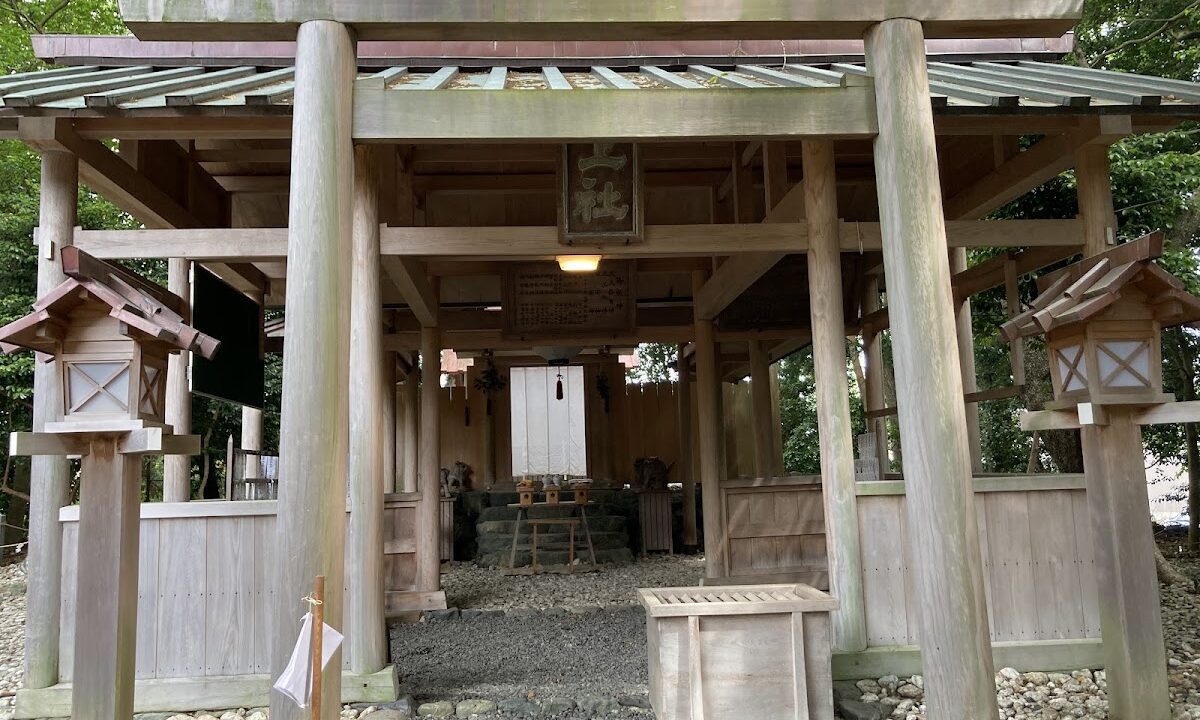
Complete Guide to Kami-yashiro (Ise City, Mie Prefecture): The Complete Picture of the Outer Shrine Subsidiary Shrines Encompassing Shitomi Shrine, Okouchi Shrine, and Uchikake Shrine
Kami-yashiro, located in Tsujikuru, Ise City, Mie Prefecture, is a special shrine that encompasses three subsidiary shrines of Toyouke Daijingu (Outer Shrine) of Ise Grand Shrine: Shitomi Shrine, Okouchi Shrine, and Uchikake Shrine. It is revered as the local tutelary shrine by the four areas of Nakajima, Tsujikuru, Futamata, and Uraguchi, and is affectionately called “Gozu-san” by the locals. This article provides a detailed explanation of Kami-yashiro, including its historical background, enshrined deities, points of interest within the grounds, and access methods.
Basic Information and Location of Kami-yashiro
Kami-yashiro is located at 1-13-6 Tsujikuru, Ise City, Mie Prefecture, approximately 2 kilometers northeast of the Outer Shrine of Ise Grand Shrine. Located within walking distance of Yamada-Kamiguchi Station on the JR Sangū Line and Kintetsu Yamada Line, this shrine boasts a highly convenient location and is an important spot for shrine pilgrimages in Ise City.
Official Name: Kami-yashiro
Address: 1-13-6 Tsujikuru, Ise City, Mie Prefecture
Phone Number: 0596-24-2050
Nearest Station: Yamada-Kamiguchi Station (JR Sangū Line/Kintetsu Yamada Line)
Parking: Parking available for visitors on the shrine grounds
About the Pronunciation and Name of Kami-yashiro
The name “Kami-yashiro” exists in various parts of Japan, and its pronunciation varies by region. While the official pronunciation of Kami-yashiro in Ise City, Mie Prefecture is “Kami-no-yashiro”, it is affectionately known locally as “Gōzu-san”.
To avoid confusion with other regional Kami-sha shrines, it is important to understand the following differences in pronunciation:
- Kami-sha in Ise City: Kami-no-yashiro (Local name: Gozu-san)
- Suwa Grand Shrine Kami-sha (Nagano Prefecture): Kami-sha
- Wakasahiko Shrine Kami-sha (Fukui Prefecture): Kami-sha
As you can see, even with the same kanji spelling “上社” (Kami-sha), it is important to note that the pronunciation differs depending on the region and shrine.
Positioning as a Subsidiary Shrine of Ise Grand Shrine’s Outer Shrine
The most distinctive feature of the Kami-sha is that it encompasses the subsidiary shrines of Toyouke-daijingu (Outer Shrine) of Ise Grand Shrine. Besides the main shrine, Ise Grand Shrine has numerous subsidiary shrines, subordinate shrines, and affiliated shrines, each playing an important role.
Subsidiary Shrine System of the Outer Shrine
Ise Grand Shrine’s Outer Shrine has 16 subsidiary shrines and 8 subordinate shrines. Within the grounds of the Upper Shrine, the following three shrines are enshrined:
- Shitomi Shrine: 7th ranked Outer Shrine subsidiary shrine
- Okochi Shrine: 8th ranked Outer Shrine subsidiary shrine
- Uchikake Shrine: Outer Shrine subordinate shrine
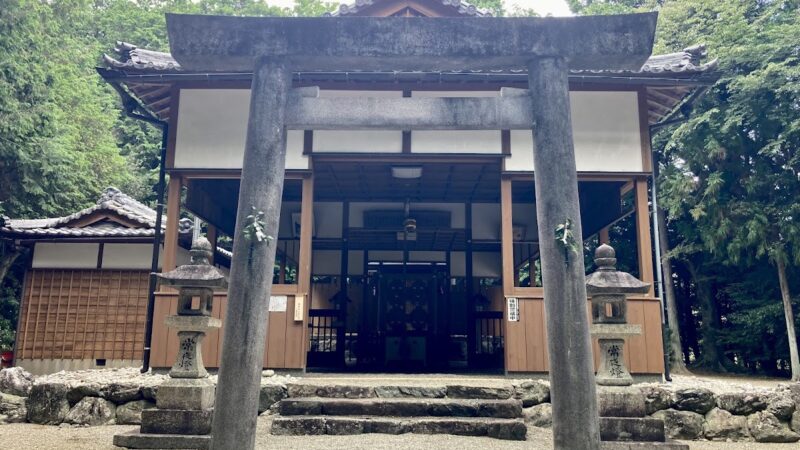
These shrines are located side by side to the right of the entrance to the Upper Shrine grounds, and the entire area is managed as the Upper Shrine.
Details of Shitomi Shrine, Okochi Shrine, and Uchikake Shrine
Shitomi Shrine (7th ranked Outer Shrine subsidiary shrine)
Shitomi Shrine holds an important position as the 7th ranked Outer Shrine subsidiary shrine. It has long been deeply connected to the regional faith of Ise, and has played a role in protecting the prosperity and peace of the region.
Deity Enshrined: Shitomi-no-kami
Shrine Rank: 7th-ranked subsidiary shrine of Toyouke Daijingu
Annual Festival: Regular rituals are held throughout the year.
The name “Shitomi” of Shitomi Shrine is thought to originate from an ancient place name or clan name, making it a valuable site that conveys the ancient history of the Ise region.
Okouchi Shrine (8th-ranked subsidiary shrine of the Outer Shrine)
Okouchi Shrine is the 8th-ranked subsidiary shrine, following Shitomi Shrine, and is located within the grounds of the Upper Shrine. The name “Okouchi” is presumed to be related to the rivers and topography that once flowed through this area.
Deity Enshrined: Okouchi-no-kami
Shrine Rank: 8th-ranked subsidiary shrine of Toyouke Daijingu
Characteristics: Deeply connected to water management and agriculture
As a shrine deeply involved in the agricultural development of the Ise region, it has garnered fervent devotion from local residents.
Uchikake Shrine (Outer Shrine Subsidiary Shrine)
Uchikake Shrine is classified as a subsidiary shrine, not an auxiliary shrine, but it is enshrined within the grounds of the Upper Shrine along with Shitomi Shrine and Okawachi Shrine.
Deity: Uchikake-no-kami
Shrine Rank: Subsidiary Shrine of Toyouke Daijingu
Belief: Revered as the guardian deity of industry and daily life
There are various theories about the origin of the name “Uchikake,” but it is thought to be related to ancient ritual forms and local customs.
History and Origins of the Upper Shrine
The exact founding date of the Upper Shrine is unknown, but it is believed that its current form was established from ancient to medieval times, along with the establishment of the auxiliary and subsidiary shrine system of Ise Grand Shrine.
Genealogy of Faith from Ancient Times
Ise Grand Shrine is one of the oldest shrines in Japan, and its auxiliary and subsidiary shrines also have a long history. The important positions of Shitomi Shrine and Okawachi Shrine as auxiliary shrines of the Outer Shrine suggest that these shrines played an important role in the ancient Ise region. ### Development as a Local Guardian Deity
As time passed, the Upper Shrine, in addition to its role as a subsidiary shrine of Ise Grand Shrine, strengthened its character as the guardian deity of the four regions of Nakajima, Tsujikuru, Futamata, and Uraguchi. It became the object of daily worship for the local residents, and the center of festivals and annual events.
The Affectionate Nickname “Gozu-san”
There are various theories as to how it came to be called “Gozu-san” locally, but it is believed that it is a pronunciation of “Upper Shrine” in the local dialect or accent that has become established. This friendly nickname indicates that the Upper Shrine is deeply rooted in the local community.
Highlights of the Shrine Grounds and Points for Worship
Arrangement and Architectural Style of the Shrine Buildings
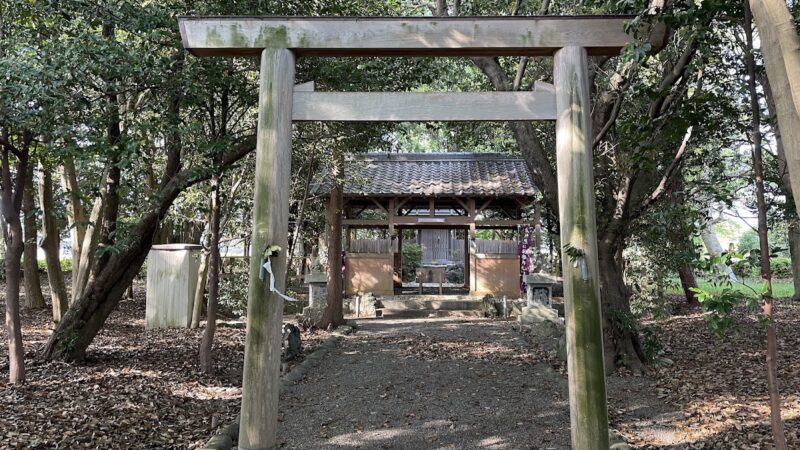
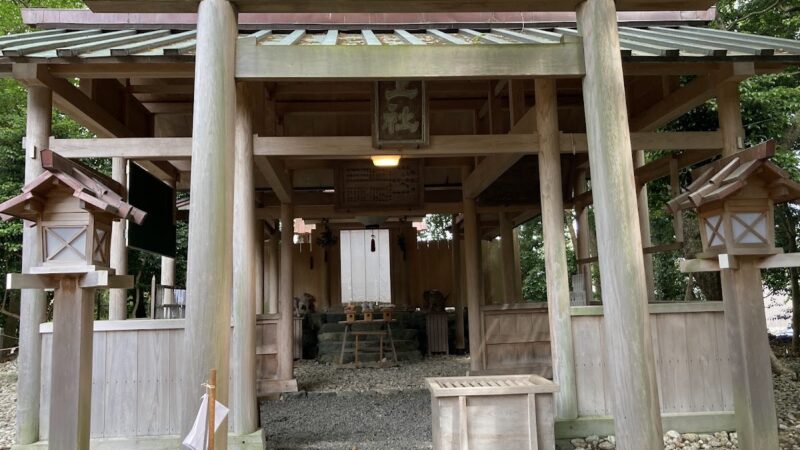
The grounds of the Upper Shrine maintain a simple and pure atmosphere, befitting a subsidiary shrine of Ise Grand Shrine. To the right of the entrance to the shrine grounds stand three shrines side by side: Shitomi Shrine, Okouchi Shrine, and Uchikake Shrine. Each shrine’s building is based on the Shinmei-zukuri architectural style.
Proper Worship Etiquette
When visiting the Upper Shrine, the following order of worship is recommended:
- Purify yourself at the water basin: Cleanse your hands and mouth before entering the shrine grounds.
- Worship at the main shrine: Worship using the two bows, two claps, and one bow ritual.
- Worship at the subsidiary shrines: It is common to visit Shitomi Shrine, Okouchi Shrine, and Uchikake Shrine in that order.
Natural Environment of the Shrine Grounds
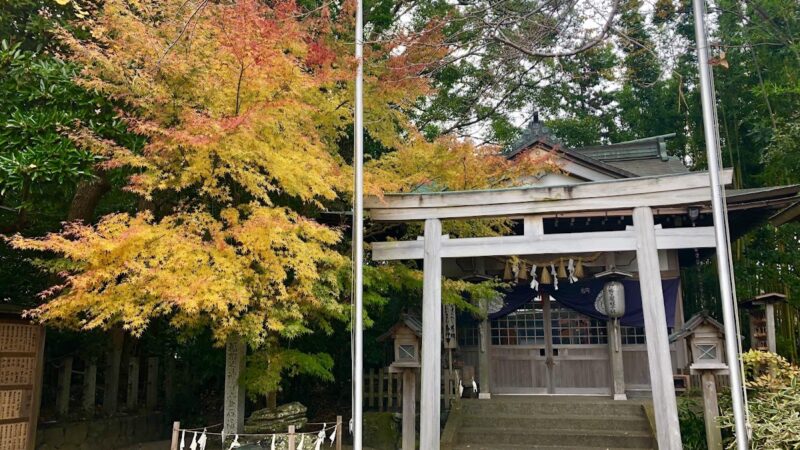
The grounds of the Upper Shrine feature ancient sacred trees and seasonal flowers, maintaining a tranquil atmosphere despite being in an urban area. Early morning visits, in particular, allow for peaceful prayer in the refreshing air.
Annual Festivals and Events
At the Upper Shrine, rituals as a subsidiary shrine of Ise Grand Shrine and festivals as the local guardian deity are held throughout the year.
Major Festivals
- Annual Festival: The most important festival, held at a fixed time each year.
- Monthly Festival: A regular monthly ritual.
- Local Festival: A festival in which residents of Nakajima, Tsujikuru, Futamata, and Uraguchi, the parish areas, participate.
New Year’s Visit and Annual Events
At New Year’s, the shrine is bustling with worshippers for their first shrine visit of the year, and local residents pray for safety and prosperity in the new year. Many worshippers also visit during life-changing rituals such as Shichi-Go-San (a traditional rite of passage for children) and exorcisms.
Access and Visiting Information
Access by Public Transportation
Train:
- Get off at Yamada-Kamiguchi Station on the JR Sangū Line or Kintetsu Yamada Line, approximately 10 minutes on foot.
- Get off at Ise-shi Station on the Kintetsu Yamada Line, approximately 20 minutes on foot or by bus.
Bus:
- Get off at Tsujikuru bus stop on the Mie Kotsu bus, approximately 5 minutes on foot.
Access by Car
Ise Expressway:
- Approximately 10 minutes from Ise-Nishi Interchange
- Approximately 15 minutes from Ise Interchange
There is parking space for visitors on the temple grounds, but the number of spaces is limited, so the use of public transportation is recommended, especially during festivals.
Nearby Tourist Attractions
When visiting Kamisha, we recommend also visiting the following nearby spots:
- Ise Grand Shrine Outer Shrine: Within walking distance (approx. 2km)
- Ise Grand Shrine Inner Shrine: Approx. 15 minutes by car
- Okage Yokocho: Approx. 15 minutes by car
- Futami Okitama Shrine: Approx. 20 minutes by car
Relationship between Kamisha and Ise Grand Shrine Faith
Role of Subsidiary Shrines of the Outer Shrine
In the faith system of Ise Grand Shrine, subsidiary shrines play an important role in supporting the main shrine. Shitomi Shrine, Okouchi Shrine, and Uchikake Shrine, located within Kamisha, each play a role in spreading the divine power of the Outer Shrine to the local area.
Fusion with Local Faith
Kamisha is a unique entity that combines the official character of a subsidiary shrine of Ise Grand Shrine with the character of a local tutelary deity. This duality makes the Upper Shrine not merely a subsidiary shrine, but a living place of faith deeply rooted in the community.
Voices of Worshippers and the Reality of Faith
Connections with Local Residents
The Upper Shrine, as the tutelary shrine of four areas (Nakajima, Tsujikuru, Futamata, and Uraguchi), is closely intertwined with the lives of local residents. It is a beloved place for offering prayers for life’s milestones and everyday wishes, such as Shichi-Go-San (a traditional rite of passage for children), family safety, and business prosperity.
Tourists and Worshippers
Among tourists visiting Ise Grand Shrine, an increasing number are visiting the Upper Shrine as part of a tour of the subsidiary shrines of the Outer Shrine. It is valued for allowing visitors to experience the profound world of faith within the tranquil grounds of the Upper Shrine.
Cultural Assets and Historical Value of the Upper Shrine
Value as Shrine Architecture
The Upper Shrine’s main hall retains the Shinmei-zukuri style common to the subsidiary shrines of Ise Grand Shrine, making it a valuable example for understanding traditional Japanese shrine architecture.
Importance in Local History
The existence of the Upper Shrine is an indispensable element in understanding the history of the Tsujikuru area of Ise City. It can be said to be a living historical heritage that tells the story of the region’s development, the lives of its people, and the changes in their beliefs.
Manners and Precautions for Visiting the Upper Shrine
Basic Manners for Visiting
- Attire: Clean and subdued clothing is desirable.
- Photography: Photography is permitted on the shrine grounds, but please refrain from taking pictures inside the shrine buildings or during rituals.
- Quietness: Please remain quiet on the shrine grounds and be considerate of other visitors.
- Garbage: Please take all your trash with you.
Points to Note During Visits
- Be aware that the shrine grounds are a sacred place.
- General visits may be restricted during festivals.
- Parking is limited to visitors only.
Comparison with Other Shrines in Ise City
Ise City has many other shrines besides the Upper Shrine. There are 125 subsidiary shrines of Ise Grand Shrine, each with its own unique history and beliefs.
Difference from Funae Kamisha
There are several shrines in Ise City with the name “Kamisha” (上社). Besides the Kamisha in Tsujikuru, there is also a “Funae Kamisha” in the Funae area, so care should be taken not to confuse them.
Other Outer Shrine Subsidiary Shrines
The Outer Shrine’s subsidiary shrines are scattered throughout the city, and a “Pilgrimage to the Outer Shrine Subsidiary Shrines” is a popular activity. Kamisha is one of the important points along this route.
Significance of Visiting Kamisha
Deep Understanding of Ise Grand Shrine Faith
By visiting Kamisha, you can realize that Ise Grand Shrine has a complex belief system supported not only by the main shrine but also by numerous subsidiary shrines.
Encountering Local Culture
Kamisha, affectionately known as “Gozu-san,” is a valuable place to experience the local culture of Ise. Unlike the tourist-oriented Ise Grand Shrine, you can see a form of faith deeply rooted in the local community.
Peace of Mind
Spending time in the quiet grounds brings peace of mind, away from the hustle and bustle of everyday life. It’s a spot you should definitely visit when making a pilgrimage to Ise.
Summary
The Kami-no-Yashiro (Upper Shrine), located in Tsujikuru, Ise City, Mie Prefecture, is a special shrine that encompasses the subsidiary shrines of the Outer Shrine of Ise Grand Shrine: Shitomi Shrine, Okouchi Shrine, and Uchikake Shrine. Affectionately known as “Gozu-san” by locals, it has long been revered by the residents of the four areas of Nakajima, Tsujikuru, Futamata, and Uraguchi as their tutelary deity.
Combining the official character of a subsidiary shrine of Ise Grand Shrine with the folk religious character of a local tutelary deity, the Kami-no-Yashiro is an important presence for understanding the profound depth of Ise faith. When visiting Ise, why not explore not only the Outer Shrine and Inner Shrine, but also the smaller shrines like the Upper Shrine, and delve deeper into the world of faith?
Its convenient location, within walking distance of Yamada-Kamiguchi Station, is another attractive feature. Spending time in the tranquil grounds, reflecting on the history and faith of Ise, will surely be a memorable experience.