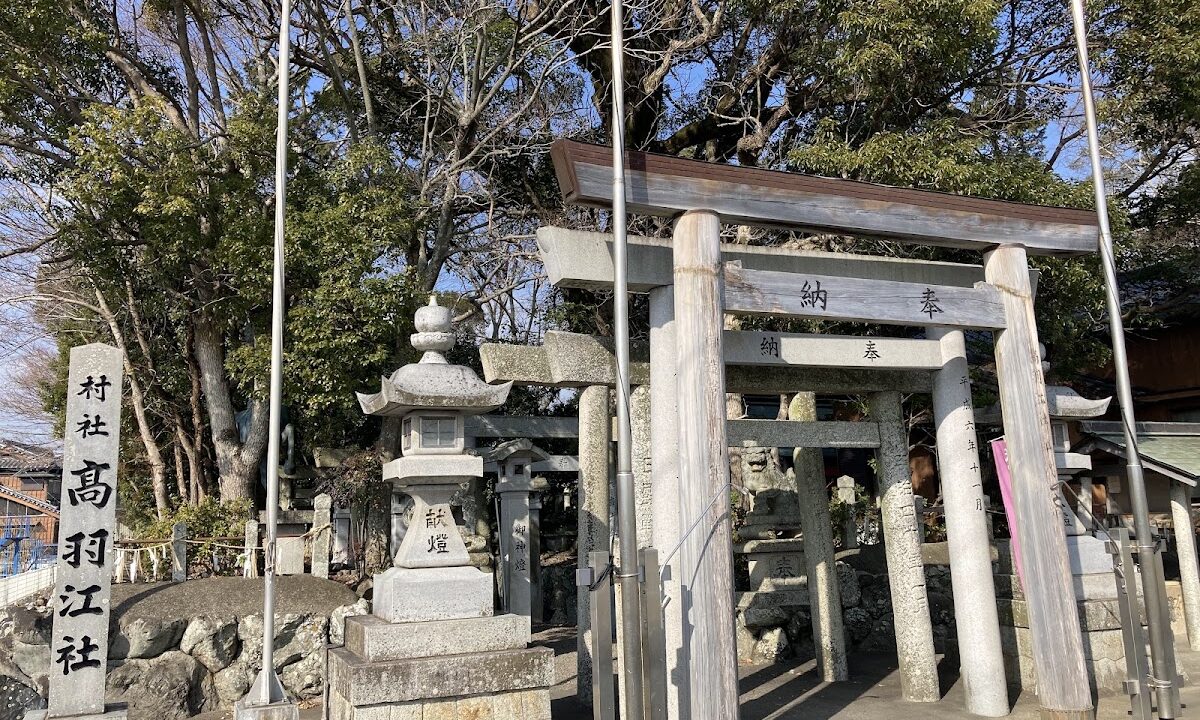
Takabae Shrine (Ise City, Mie Prefecture) Complete Guide | History, Rice Planting Festival, and Access Information
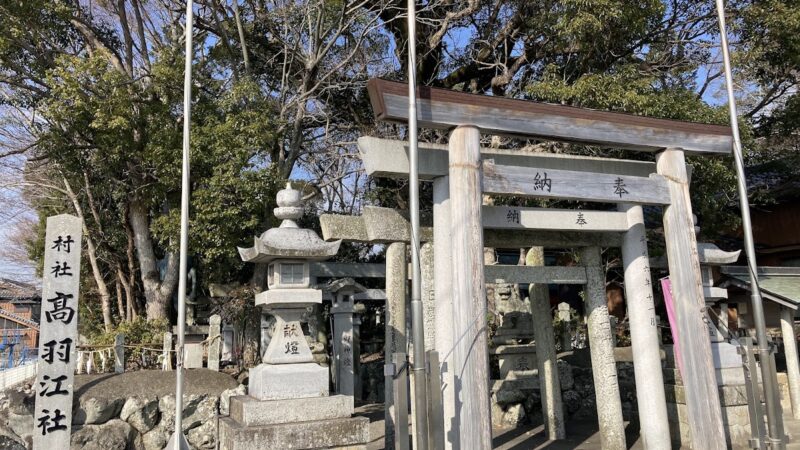
Takabae Shrine, located in Higashi-Toyohama-cho, Ise City, Mie Prefecture, is a shrine with a long history, deeply revered by local residents as their guardian deity. This article provides a detailed explanation of Takabae Shrine’s history, enshrined deities, traditional events such as the Rice Planting Festival, and access information.
Basic Information on Takabae Shrine
Takabae Shrine is located at 1458 Higashi-Toyohama-cho, Ise City, Mie Prefecture, in a naturally rich area surrounded by the Miyagawa and Sotojoda rivers. It is approximately a 37-minute walk (about 3km) from Omata Station and is revered by local people as the guardian deity watching over the three districts of Tojiro, Saijo, and Kashihara in the Toyohama East area.
Location and Access
Address: 1458 Higashi-Toyohama-cho, Ise City, Mie Prefecture
Nearest Station: Approximately 37 minutes on foot (approx. 3km) from Omata Station on the Kintetsu Yamada Line
Bus Access: Approximately 2 minutes on foot from the Mie Kotsu bus stop “Toyohama Agricultural Cooperative”
Surrounding Environment: Near Toyohama Higashi Elementary School, along the Miyagawa River left bank embankment road
History and Origins of Takabae Shrine
Founding and Former Name
The founding date of Takabae Shrine is unknown, but it is said to have been formerly known as “Hachioji Shrine.” In October 1870 (Meiji 3), it was renamed to its current name, “Takabae Shrine.” This name change is thought to be due to the Meiji government’s reorganization of the shrine system.
Origin of the Deities
Takabae Shrine enshrines two deities:
- Masaida Arakida Ujigami
- Hiroida Arakida Ujigami
These deities are revered as ancestral gods who pioneered this land long before the Taika Reforms (645 AD). The Arakida family is known as a prestigious family that served as priests of Ise Grand Shrine for generations, and they were deeply involved in the development and cultivation of this region. Their divine virtues are still recounted by the local people today.
Connections to the Community
The Toyohama East region faces Ise Bay and is a fertile land surrounded by the Miyagawa and Sotojiroda rivers. The three districts of Tsuchiro, Saijo, and Kashihara in this region are strongly bound together by Takabae Shrine, which serves as the spiritual pillar of the local community. The Toyohama Higashi Community Development Council also positions Takabae Shrine as a symbol of the region and aims to create a vibrant community.
Takabae Shrine’s Rice Planting Festival (Rice Planting Ritual)
The most important annual event at Takabae Shrine is the “Rice Planting Festival (Rice Planting Ritual),” held every year on May 3rd. This festival is a traditional event praying for a bountiful harvest and is cherished and passed down by the local people.
Overview of the Rice Planting Festival
Date: Every year on May 3rd
Start Time: 1:00 PM (13:00)
Procession: Departing from Takabae Shrine and proceeding to the sacred rice field (saiden)
Significance of the Rice Planting Festival
The Rice Planting Festival is an agricultural ritual praying for a good harvest that year. Shinto priests and local residents participate, dressed in traditional attire, forming a procession to the sacred rice field. This festival is a valuable cultural heritage that conveys the history of this region, which has historically relied on agriculture for its livelihood.
At the sacred rice field located in Saijo, Higashi-Toyohama-cho, Ise City, a Shinto ritual mimicking the actual act of rice planting is performed, praying to the gods for a bountiful harvest. This event is also an important opportunity to foster a sense of community and has been passed down through generations.
About Visiting
The Rice Planting Festival is open to the public. You can experience a simple and warm festival rooted in the local community, different from the rituals of Ise Grand Shrine. Please be considerate when taking photographs, ensuring that you do not disrupt the ritual.
Grounds and Highlights of Takabae Shrine
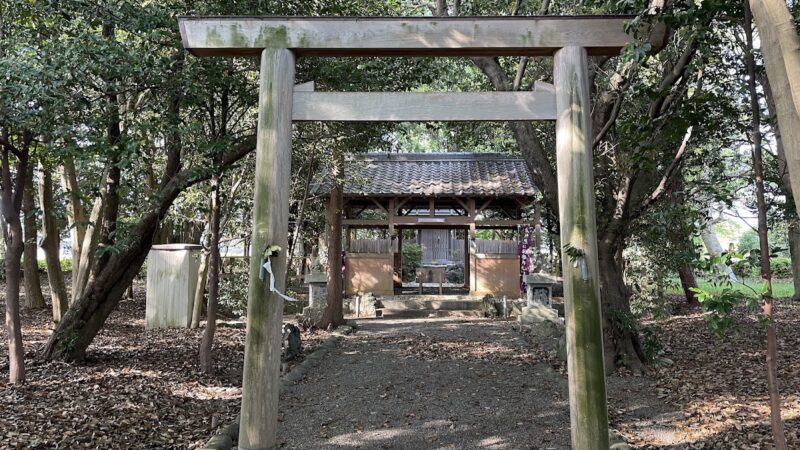
Shrine Grove
Takabae Shrine is surrounded by a lush shrine grove. Walking along the left bank embankment road of the Miyagawa River, the verdant forest visible to the left from beside Toyohama Higashi Elementary School is the shrine grove of Takabae Shrine. This forest also plays a role in preserving the region’s valuable natural environment.
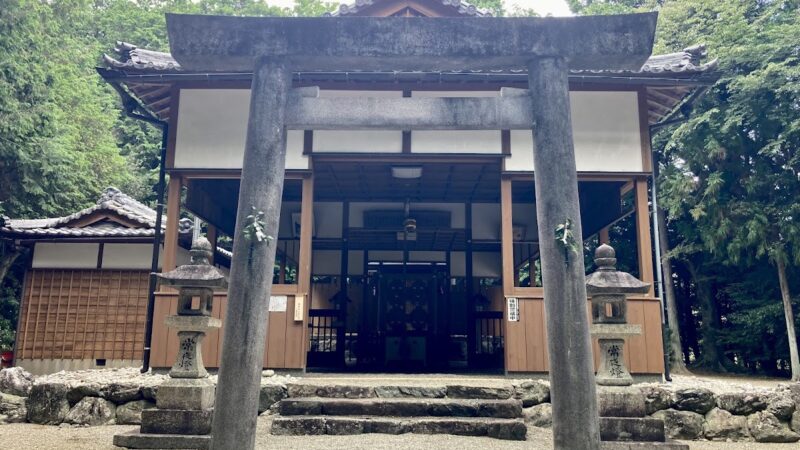
Shrine Building
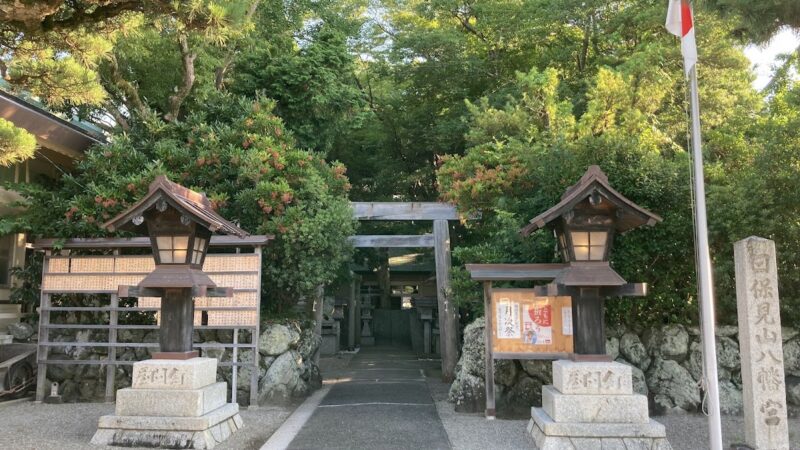
The shrine building of Takabae Shrine, which was renamed during the Meiji era, follows traditional shrine architectural styles. Although not large in scale, it is carefully maintained as the local guardian shrine and warmly welcomes visitors.
Sacred Rice Field
The sacred rice field where the Otaue Festival is held is also an important place associated with Takabae Shrine. Although located a short distance from the shrine, it holds special significance as a sacred space during religious ceremonies.
Shrines and Temples Around Takabae Shrine
Ise City in Mie Prefecture has numerous shrines and temples. When visiting Takabae Shrine, visiting the surrounding temples and shrines will allow you to gain a deeper understanding of the rich religious culture of this region.
Major Shrines in Ise City
Ise Grand Shrine: A well-known and representative shrine of Japan. It consists of 125 shrines and temples, centered around the Inner Shrine (Kotai Jingu) and the Outer Shrine (Toyouke Daijingu).
Futami Okitama Shrine: A shrine famous for its Meoto Iwa (Married Couple Rocks). Known as a place of purification before visiting Ise Grand Shrine
Sarutahiko Shrine: Dedicated to Sarutahiko-no-Okami, worshipped as the great god of guidance
Temples and Shrines around Omata Station
There are approximately 19 temples and shrines around Omata Station, and Takabae Shrine is one of them. In Ise City as a whole, there are 244 temples and shrines, and in the Ise, Shima, and Toba region as a whole, there are as many as 456 temples and shrines scattered throughout.
How to Access Takabae Shrine
Access by Train
Using the Kintetsu Yamada Line:
- Get off at Kintetsu “Omata Station,” approximately 37 minutes on foot (approx. 3km)
- Since it’s a distance from the station, using a bus or taxi is recommended.
Access by Bus
Using Mie Kotsu Bus:
- Get off at the “Toyohama Agricultural Cooperative” bus stop, approximately 2 minutes on foot
- It’s convenient to take the bus from Omata Station.
Access by Car
Using the Ise Expressway:
- Approximately 15 minutes from Ise-Nishi IC
- Approximately 20 minutes from Ise IC
Parking: There is parking space for visitors on the shrine grounds, but congestion is expected during events such as the Rice Planting Festival.
Access on Foot (Via Miyagawa River Embankment Road)
The route crossing the Miyagawa Bridge and walking along the Miyagawa River left bank embankment road is a recommended course where you can enjoy nature while visiting the shrine. Walking along the fence beside Toyohama Higashi Elementary School, you will see the sacred grove of Takabae Shrine on your left.
Guidelines for Visiting Takabae Shrine
Etiquette for Visiting Shrines
Follow the general etiquette for visiting shrines:
- Bow before passing through the torii gate
- Avoid walking in the center of the path
- Purify yourself at the water basin
- Bow twice, clap twice, and bow once in front of the main hall
Attire for Visiting Shrines
There are no specific dress code requirements, but it is desirable to wear clothing that reflects the sacred nature of the place. When observing Shinto rituals such as the Rice Planting Festival, please wear clothing that is both comfortable and respectful.
Photography
Photography is generally permitted on the shrine grounds, but consideration is needed during Shinto rituals. Especially during rituals such as the Rice Planting Festival, please be careful not to obstruct the priests or participants.
Takabae Shrine and the Local Community
Relationship with Toyohama Higashi Community Development Council
The Toyohama Higashi Community Development Council positions Takabae Shrine as the spiritual center of the community, aiming for a vibrant community built on love for the region. The shrine functions not only as a place of worship, but also as a place where local residents gather and deepen their bonds.
Involvement with Local Events
Shrine events, including the Rice Planting Festival, are carried out with the participation of all local residents. Through these activities, intergenerational exchanges are fostered, and the region’s traditional culture is passed down to the next generation.
Prayers for Health and Safety
As the guardian deity of the region, Takabae Shrine also plays a role in protecting the health and safety of residents. Through daily visits and annual events, it serves as a spiritual anchor for the people of the community.
The Position of Takabae Shrine in Mie Prefecture’s Shrine Culture
Relationship with Ise Grand Shrine
The Arakida family, whose deities are enshrined at Takabae Shrine, are a family that served as priests at Ise Grand Shrine. Given this historical background, Takabae Shrine holds special significance as a shrine belonging to the cultural sphere of Ise Grand Shrine.
The Importance of Local Shrines
While large shrines like Ise Grand Shrine attract attention, small, locally rooted shrines like Takabae Shrine are also important in supporting Japan’s religious culture. These shrines strengthen the bonds of local communities and play a role in preserving traditional culture.
Shrine Network in Mie Prefecture
Mie Prefecture has 2,231 shrines and temples, with 456 temples and shrines located in the Ise, Shima, and Toba regions. Takabae Shrine is part of this network, shaping the local religious culture.
Annual Events at Takabae Shrine
May 3rd: Rice Planting Festival
As mentioned above, this is the most important annual event. The procession departs from the shrine at 1 PM, and a Shinto ritual is performed in the sacred rice field.
Other Festivals
Detailed information can be found on local bulletin boards and at the Toyohama Higashi Community Development Council. It is believed that regular Shinto rituals, such as annual festivals and monthly festivals, are held here.
How to Enjoy Visiting Takabae Shrine
Connecting with Nature
Takabae Shrine is located in a rich natural environment surrounded by the Miyagawa and Sotojiroda rivers. When visiting, you can also enjoy exploring the surrounding nature. The view from the Miyagawa riverbank road is particularly beautiful, showing different expressions with each season.
Exploring Local History
By learning about the history of the Toyohama East area while visiting, you can gain a deeper understanding. Researching the history of local development, agriculture, and the footsteps of the Arakida clan beforehand will enhance the significance of your visit.
Witnessing the Rice Planting Festival
The Rice Planting Festival on May 3rd is an excellent opportunity to visit Takabae Shrine. It offers a valuable experience of witnessing traditional agricultural rituals up close.
Information Sources Regarding Takabae Shrine
Online Information
Basic information and visitor records for Takabae Shrine can be found on shrine and temple information websites such as “Omairi,” “Hotokami,” and “Yaoyorozu no Kami.” Checking these sites before your visit is recommended.
Local Information
The Toyohama Higashi Community Development Council website provides information on Takabae Shrine along with local activity information.
Ise City Tourism Information
The Ise City Tourism Association and the Mie Prefecture Tourism Federation websites also mention Takabae Shrine along with surrounding tourist information.
Summary
Takabae Shrine is a historical shrine located in Higashi Toyohama-cho, Ise City, Mie Prefecture. It enshrines the ancestral deity of the Arakida clan, who pioneered this land before the Taika Reforms, and adopted its current name in 1870 (Meiji 3). The annual Rice Planting Festival, held on May 3rd, is an important traditional event praying for a bountiful harvest and is cherished by the local people.
Located approximately 37 minutes on foot from Omata Station, or about 2 minutes on foot from the “Toyohama Agricultural Cooperative” bus stop, Takabae Shrine is situated in a naturally rich environment surrounded by the Miyagawa and Sotojiroda rivers. As the local guardian shrine, it watches over the three districts of Tsuchiro, Saijo, and Kashihara, and is a central presence in the Toyohama East community.
Unlike large-scale shrines such as Ise Grand Shrine, Takabae Shrine’s charm lies in its simple, warm atmosphere deeply rooted in the local community. When visiting Ise, why not extend your trip a little further to visit Takabae Shrine and experience the local history and culture? The Otaue Festival on May 3rd, in particular, offers a valuable opportunity to experience traditional Japanese agricultural culture.