About Matsuo Kannonji Temple
Matsuo Kannonji Temple is a Tendai sect temple located on the slopes of Mt. Matsuo in Nishikyo Ward, Kyoto City. Its official name is “Matsuo-san Kannonji Temple.” It is said to have been founded during the Nara period, and its principal image, the Eleven-Faced Thousand-Armed Kannon Bodhisattva, has long been revered as a Kannon that wards off evil.
History and Origins
Origin of Founding
According to temple tradition, Matsuo Kannonji Temple was founded in the first year of the Ten’ō era (781 AD) during the Nara period, by imperial decree of Emperor Kanmu. The founder is said to be the monk Keishun. During the relocation of the capital to Heian-kyo, it played an important role as a temple protecting the western part of the capital.
From the Medieval to the Early Modern Period
During the Kamakura period, it received the patronage of Minamoto no Yoritomo, and during the Muromachi period, it flourished under the protection of the Ashikaga shogunate. Although temporarily devastated during the Ōnin War, the temple was rebuilt during the Edo period, laying the foundation for its current complex.
Modern Era
Having overcome the anti-Buddhist movement of the Meiji era, the main hall and priest’s quarters were restored during the Showa period. Even today, it remains a center of local faith, welcoming many worshippers.
Highlights of the Temple Grounds
Main Hall
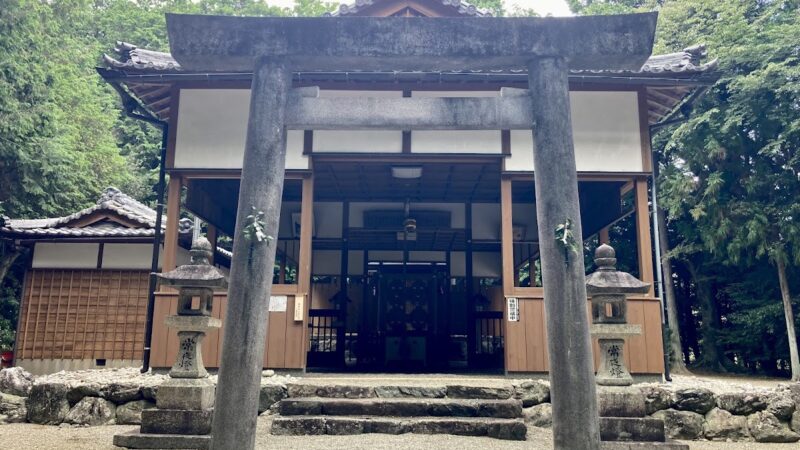
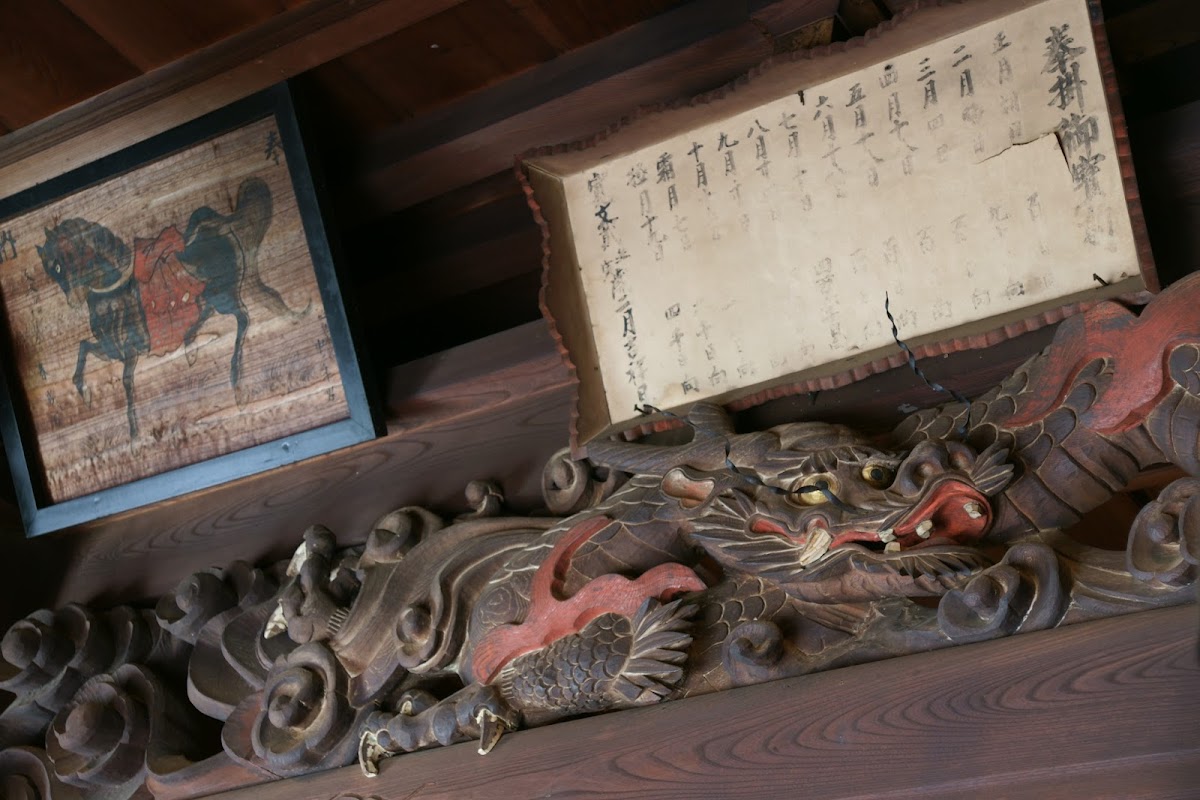
The main hall, which retains the architectural style of the mid-Edo period, houses the principal image, the Eleven-Faced Thousand-Armed Kannon Bodhisattva, a hidden Buddha. It is unveiled annually on April 17th (Spring Festival) and November 17th (Autumn Festival). Many Edo-period votive paintings and offerings remain inside the hall.
Bell Tower and Bell
The bell tower on the temple grounds houses a bell cast during the Genroku era (1688-1704). Known for its beautiful tone, it is open to the public during the New Year’s Eve bell-ringing ceremony. ### View from the Observation Deck
From the observation spot within the temple grounds, you can enjoy a panoramic view of Kyoto city. The scenery, especially towards the Katsura River and Arashiyama, is beautiful, and on clear days, you can even see Mount Hiei. The view at sunset is exceptional.
Nature in the Four Seasons
In spring, the cherry blossoms within the temple grounds are in full bloom; in early summer, the fresh greenery is beautiful; and in autumn, the autumn leaves color the path from the main gate to the main hall. The snowy landscape in winter is also picturesque, making it worthwhile to visit throughout the year.
Benefits and Faith
Protection from Misfortune and Disaster
The principal image of Matsuo Kannon-ji Temple is widely known as the “Kannon of Protection from Misfortune.” Many visitors, especially those in their unlucky years, come to pray, and a Goma fire ritual for protection from misfortune is regularly held. Prayers for traffic safety and family safety are also accepted.
Prayer for Safe Childbirth and Conception
Looking to the compassion of Kannon Bodhisattva, this temple attracts worshippers seeking prayers for safe childbirth and conception. Prayers for maternity belts and amulets for safe childbirth are offered, and many return to give thanks after a successful delivery.
Matchmaking and Finding a Good Partner
The temple grounds also house a Kannon statue dedicated to matchmaking, and the number of young people seeking good relationships is increasing. Matchmaking amulets and votive tablets are also popular.
Other Benefits
- Healing from Illness: Seeking the healing power of Kannon (Goddess of Mercy)
- Academic Success: Students visit during exam season
- Business Prosperity: Deeply revered by local shop owners
Points for Visiting
Proper Way to Visit
- Bow at the Temple Gate: Bow before entering the temple grounds to compose yourself
- Purify at the Water Basin: Purify your left hand, then your right hand, then your mouth
- Pray at the Main Hall: Offer your donation, then bow twice, clap twice, and bow once (you can also quietly put your hands together in prayer instead of following the Shinto shrine style)
- Receive a Goshuin (Temple Stamp): Available at the temple office next to the main hall (300 yen)
Recommended Visiting Times
Early Morning (8:00-9:00): Enjoy a peaceful visit in tranquility; the temple grounds are beautifully illuminated by the morning sun.
Weekday Mornings: Relatively uncrowded, allowing for a leisurely stroll through the grounds.
Evening (16:00-17:00): A time to enjoy the evening view of Kyoto city. However, in winter, visit earlier.
Estimated Time Required
If you only wish to visit the temple grounds, allow about 30 minutes. If you want to stroll around and enjoy the views, allow about 1 hour.
Clothing and Items to Bring
As the temple is located on a mountainside, comfortable walking shoes are essential. Since there are many stone steps, sneakers or athletic shoes are recommended. Don’t forget insect repellent in summer and warm clothing in winter.
Annual Events
Main Events
- January 1st-3rd: First Shrine Visit of the Year, New Year’s Prayer Ceremony
- February 3rd: Setsubun Festival, Bean Scattering
- April 17th: Spring Grand Festival, Unveiling of the Main Image
- August 9th: Sennichi Mairi (Visiting on this day is equivalent to 1000 days of merit)
- November 17th: Autumn Grand Festival, Unveiling of the Main Image
- December 31st: New Year’s Eve Bell Ringing (Around 23:30)
Access Information
Access by Train and Bus
Using Hankyu Railway
- Get off at Matsuo Taisha Station on the Hankyu Arashiyama Line, approximately 20 minutes on foot (mountain path)
- Approximately 10 minutes by taxi from Katsura Station on the Hankyu Kyoto Line
Using City Bus
- Get off at Matsuo Taisha-mae bus stop on the Kyoto City Bus, approximately 20 minutes on foot
- Take the Kyoto Bus to “Matsuo Taisha-mae” bus stop, then walk for approximately 20 minutes.
Access by Private Car
From Kyoto City
- Head west on National Route 9 (Gojo-dori), cross Matsuo Bridge, and drive for approximately 5 minutes.
From Osaka
- Approximately 30 minutes from the Meishin Expressway “Kyoto Minami IC” via National Route 1.
Parking
- Free parking available on the temple grounds (approximately 10 cars).
- During busy periods, the paid parking lot at Matsuo Taisha Shrine (20-minute walk) is also available.
Precautions
- Due to the mountainous terrain, car navigation directions may be inaccurate.
- There are narrow sections of road, so large vehicles should exercise caution.
- Roads may be icy in winter.
Basic Information
| Item | Content |
|——|——|
| Official Name | Matsuo-san Kannon-ji Temple |
| Sect | Tendai Sect |
| Principal Image | Eleven-faced Thousand-armed Kannon Bodhisattva || Founded | Ten’ō 1 (781) || Founder | Keishun Sōzu || Address | Matsuo-yama, Nishikyo-ku, Kyoto City || Visiting Hours | 8:00-17:00 (until 16:30 in winter) || Admission Fee | Free entry to the grounds (donation required for entry into the main hall) || Goshuin (temple stamp) | Available (300 yen) || Parking | Available (free, approximately 10 spaces) || Official Website | (Varies by temple) |
Nearby Tourist Attractions
Matsuo Taisha Shrine
Approximately 15 minutes on foot. One of Kyoto’s oldest shrines, famous as the god of sake brewing. The garden “Shōfūen,” designed by Shigemori Mirei, is a must-see.
Suzumushi-dera Temple (Kegon-ji Temple)
Approximately 10 minutes by car. Famous as a temple where the sound of crickets can be heard all year round. The “Happiness Jizo,” said to grant one wish, is a popular attraction.
Kokedera Temple (Saihoji Temple)
Approximately 15 minutes by car. A beautiful garden with approximately 120 types of moss covering the temple grounds. Reservations are required, so planning is necessary for a visit.
Arashiyama Area
Approximately 10 minutes by car. This area is home to many of Kyoto’s most representative tourist attractions, including Togetsukyo Bridge, the Bamboo Grove, and Tenryuji Temple.
Visitor Comments
“The stone steps are a bit challenging, but the sense of accomplishment and the magnificent view upon reaching the top are exceptional.” (Woman in her 40s)
“I visited to pray for protection from misfortune during my unlucky year. The priest’s sincere prayers were truly refreshing.” (Man in his 30s)
“I visited during the autumn foliage season. I liked the quiet atmosphere, which wasn’t overly commercialized.” (Woman in her 50s)
Summary
Matsuo Kannonji Temple is a quiet, ancient temple nestled in the natural beauty of Kyoto’s Nishiyama. This temple is recommended not only for those seeking protection from misfortune or prayers for safe childbirth, but also for those who want to enjoy the panoramic view of Kyoto city and the beauty of nature throughout the seasons. It is a precious temple where you can pray in peace in a tranquil atmosphere that is not commercialized by tourists.