Complete Guide to Chōsenji Temple (Miyagi Prefecture, Aoba Ward) | Detailed Information on a Historic Soto Zen Temple
Overview and Basic Information of Chōsenji Temple
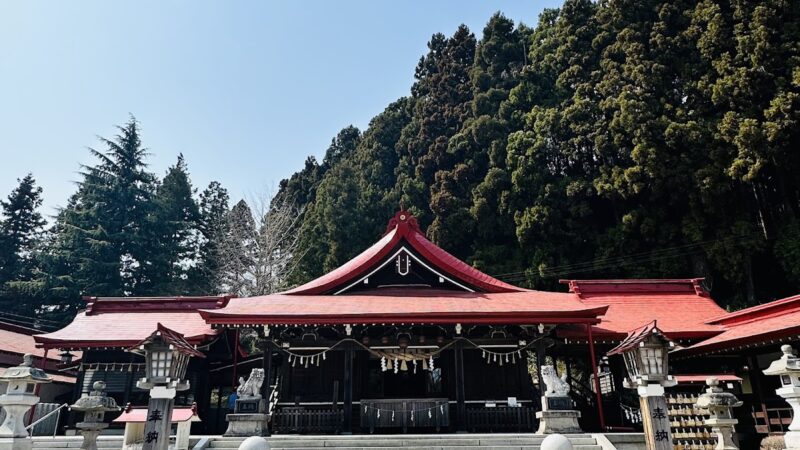
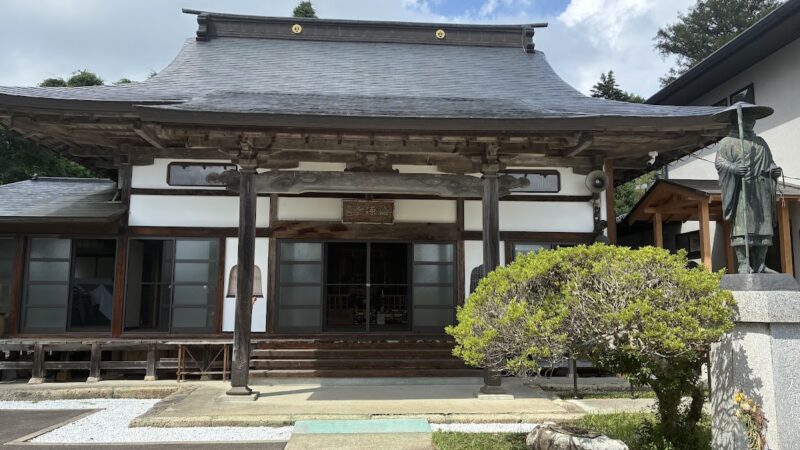
Chōsenji Temple is a Soto Zen temple located at 30 Imozawa, Kano, Aoba Ward, Sendai City, Miyagi Prefecture. Situated in the naturally rich Imozawa area west of central Sendai, this temple has long been a beloved center of faith for local residents.
Basic Data
Location: 30 Imozawa, Kano, Aoba Ward, Sendai City, Miyagi Prefecture
Sect: Soto Zen
Chief Priest: Mayama Shōryū
Opening Hours: 9:00 AM – 5:00 PM
Phone Number: Please contact the temple directly.
Chōsenji Temple also functions as a temple funeral hall, allowing for funeral and memorial services. As a temple deeply rooted in the community, it accommodates a wide range of funeral arrangements, from family funerals to general funerals.
Access and Transportation Information
Access by Train
While there are several train stations near Chōsenji Temple, they are all a considerable distance away on foot, so using a taxi or bus is necessary.
Main Nearest Stations:
- JR Senzan Line, Rikuzen-Ochiai Station – Approximately 5 minutes by taxi, approximately 25 minutes on foot
- JR Senzan Line, Kuzuoka Station – Approximately 10 minutes by taxi
- JR Senzan Line, Ayashi Station – Approximately 15 minutes by taxi
Rikuzen-Ochiai Station is the closest station, but walking involves a continuous uphill slope, so using a taxi is recommended. Especially for the elderly or those with a lot of luggage, taking a taxi from the station provides a comfortable access.
Access by Car
Visiting by car is the most convenient method of access.
From central Sendai:
- Head west on National Route 48 towards Imozawa
- Travel time: Approximately 30 minutes
From Sendai Miyagi Interchange:
- Take the Tohoku Expressway and then National Route 48
- Travel time: Approximately 40 minutes
The temple has ample parking, accommodating multiple vehicles during funerals and memorial services. However, for large-scale services, it is recommended to check parking availability in advance.
Access by Bus
If using Sendai City Buses, buses depart from Sendai Station West Exit towards Imozawa. The temple is accessible on foot from the nearest bus stop, but due to limited service, it is necessary to check the timetable in advance.
History and Origins of Chōsenji Temple
Chōsenji Temple, a Sōtō Zen Buddhist temple, has walked hand in hand with the history of the region. The Imozawa area has long been known as Sendai’s inner sanctuary, and faith has flourished in its naturally rich environment.
The Soto Zen sect is a branch of Zen Buddhism, founded by Zen Master Dogen, and is one of Japan’s leading Buddhist sects. It is characterized by its emphasis on seated meditation (“shikantaza”), and its core teachings view daily life itself as a form of spiritual practice.
Chōsenji Temple, based on the teachings of the Soto Zen sect, has played an important role as a spiritual center for local residents and as a place for ancestral worship. Under the current head priest, Reverend Shōryū Mayama, the temple is managed to preserve tradition while also meeting modern needs.
Funeral and Memorial Service Information
Features of Funeral Services
Chōsenji Temple, as a temple funeral hall, accommodates various types of funerals. A major characteristic of funerals held at a temple is the solemn atmosphere based on Buddhist teachings, allowing for a respectful farewell to the deceased.
Available Funeral Types:
- Family Funeral: – A small-scale funeral attended only by relatives and close friends.
- General Funeral: – A traditional funeral that accepts a wide range of attendees.
- One-Day Funeral: – A funeral service that omits the wake and consists only of the funeral ceremony.
- Direct Cremation: – A funeral service with only the bare minimum of rituals to send off the deceased.
About Memorial Services and Offerings
At Chōsenji Temple, we conduct not only funerals but also various memorial services and offerings.
Main Memorial Services:
- Memorial services such as the 7th day and 49th day after death.
- Annual memorial services such as the 1st, 3rd, and 7th anniversaries.
- Obon (Buddhist festival) memorial service.
- Higan (Buddhist equinox) memorial service.
- Perpetual memorial service.
For details regarding the dates and arrangements of memorial services, please consult directly with the temple. We can accommodate your wishes. Early consultation is especially recommended for important memorial services such as the 49th day and the 1st anniversary.
Flow of Funeral Services
- Preliminary Consultation – Discuss your desired funeral style and budget.
- Schedule Adjustment – Determine the date, taking into consideration the availability of the crematorium.
- Detailed Meeting – Determine details such as the order of service, number of attendees, and floral tributes.
- Funeral Execution – Conduct the wake and funeral service.
- Aftercare – Guidance regarding memorial services from the seventh day onward.
Cemetery/Graveyard Information
About the Cemetery at Chōsenji Temple
Chōsenji Temple has an attached cemetery with general burial plots. It offers a peaceful environment for honoring ancestors amidst a rich natural setting.
Cemetery Features:
- Peace of mind as a temple cemetery
- Regular maintenance and memorial services by the head priest
- Convenient parking available for visits
- Perpetual memorial service facilities and columbarium facilities available
About Perpetual Memorial Services
For those without successors or those who do not wish to burden their descendants with grave maintenance, perpetual memorial services are available. With perpetual memorial services, the temple takes responsibility for continuing memorial services indefinitely, providing peace of mind.
Regarding cemetery use and perpetual memorial services, availability and conditions may change, so please contact the temple directly for details.
Goshuin (Temple Seal) Information
Goshuin of Chōsenji Temple
Chōsenji Temple offers Goshuin (temple seals), and many people receive them as a memento of their visit. The powerful calligraphy and red seal are characteristic of a Sōtō Zen temple.
Goshuin (Temple Stamp) Reception:
- Reception Hours: During opening hours (9:00 AM – 5:00 PM)
- Offering Fee: Generally around 300-500 yen
- Direct writing in your Goshuincho (stamp book) is standard.
If you wish to receive a Goshuin, please request it at the main hall or temple office after your visit. Since the head priest may not be available due to memorial services or funerals, it is recommended to contact them in advance if you wish to be sure to receive one.
Goshuin Pilgrimage Etiquette
Goshuin are not merely stamps; they are given as proof of your visit. Please observe the following manners:
- First, visit the main hall before receiving a Goshuin (temple stamp).
- Prepare a Goshuincho (stamp book) (it is preferable to have separate books for shrines and temples).
- Remember to express your gratitude to the head priest and temple staff.
- Obtain permission before taking photographs.
Information on facilities around Chōsenji Temple
Nearby Crematoriums
Here are the main crematoriums used when funerals are held at Chōsenji Temple.
Kuzuoka Crematorium
A public crematorium operated by Sendai City, and one of the closest to Chōsenji Temple.
- Location: 42 Kuzuoka, Gōroku, Aoba-ku, Sendai City
- Distance from Chōsenji Temple: Approximately 10km
- Travel time: Approximately 20 minutes by car
- Features: A public facility where Sendai residents’ rates apply.
Kurokawa Jōsaijo Crematorium
A crematorium located in Yamato-cho, Kurokawa-gun, used by residents of northern Sendai City and surrounding municipalities.
- Location: Yamato-cho, Kurokawa-gun, Miyagi Prefecture
- Distance from Chōsenji Temple: Approximately 15km
- Travel time: Approximately 25 minutes by car
Rifu Crematorium
A crematorium located in Rifu-cho, equipped with modern facilities.
- Location: Rifu-cho, Miyagi-gun, Miyagi Prefecture
- Distance from Chōsenji Temple: Approximately 20km
- Travel time: Approximately 30 minutes by car
Funeral dates are affected by the crematorium’s reservation status, so checking availability is essential when scheduling a funeral.
Recommended Funeral Homes Nearby
Information on nearby funeral homes in case you are considering a funeral other than at Chōsenji Temple.
Main Funeral Homes in Aoba Ward:
- Public Funeral Homes (e.g., Kuzuoka Funeral Home)
- Private Funeral Halls (several in Sendai City)
- Other Temple Funeral Homes
Each funeral home has its own characteristics, differing in size, facilities, and costs. It is important to choose an appropriate funeral home according to your desired funeral style and budget. ## Estimated Funeral Costs at Chōsenji Temple
Breakdown of Funeral Costs
Funeral costs at a temple can be broadly divided into the following categories:
- Funeral Home Fees
- Funeral supplies such as altar, coffin, and floral tributes
- Venue usage fee (payment to the temple)
- Personnel costs (funeral staff)
- Vehicle costs (hearse, minibus, etc.)
- Temple Fees
- Chanting fee (offering)
- Posthumous name fee
- Transportation fee
- Meal fee
- Other Costs
- Cremation fee
- Food and beverage expenses
- Gift of appreciation expenses
Average Costs
The general average costs for funerals in Sendai City, Miyagi Prefecture are as follows:
- Family Funeral: 500,000 to 1,000,000 yen
- General Funeral: 1,000,000 to 2,000,000 yen
- One-Day Funeral: 400,000 to 800,000 yen
Regarding offerings to temples, these vary depending on the region and temple, but generally, the following are guidelines:
- Chanting fee: 150,000 to 300,000 yen
- Posthumous name fee: 100,000 to over 1,000,000 yen depending on rank
For specific costs, it is important to consult with the temple or funeral home in advance and obtain an estimate. Many temples can offer plans tailored to your budget, so don’t hesitate to express your wishes.
Points to consider when using Chōsenji Temple
Importance of advance consultation
Funerals are often needed suddenly, but if possible, consulting in advance will prevent panic when the time comes.
Benefits of advance consultation:
- You can understand the funeral process and costs in advance.
- You can discuss your desired funeral style with your family.
- You can confirm necessary documents and preparations.
- You can build a relationship with the temple.
About the Danka system
When using funeral or cemetery services at Chōsenji Temple, you may be asked to become a Danka (temple parishioner). A Danka refers to a family that provides financial and spiritual support to a specific temple. Benefits of Becoming a Temple Member:
- Access to the temple cemetery
- Priority service for funerals and memorial services
- Regular memorial services
- Establishment of a relationship with the head priest where consultations are possible
Obligations of a Temple Member:
- Payment of annual maintenance fees (temple upkeep fees)
- Participation in temple events (to the extent possible)
- Cooperation with temple repairs, etc.
Regarding the temple membership system, conditions vary by temple, so it is necessary to check directly with the temple for details.
Choosing a Funeral Home
Even when holding a funeral at Chōsenji Temple, it is common to entrust the practical aspects to a funeral home.
Key Points for Choosing a Funeral Home:
- Experience and Reliability – Check their track record and customer reviews in the area.
- Clarity of Estimates – Is the breakdown of costs clear?
- Courteous Service – Are the staff courteous and provide thorough explanations?
- Collaboration with Temples – Do they have experience conducting funerals at Chōsenji Temple?
- After-Funeral Support – Do they offer support for memorial services after the funeral?
We recommend obtaining estimates from multiple funeral homes and comparing them. Using online funeral consultation and request sites allows you to efficiently gather information from multiple companies.
Characteristics and Attractions of the Imozawa Area
Rich Natural Environment
The Imozawa area, where Chōsenji Temple is located, is situated west of central Sendai City and surrounded by abundant nature. Located at the foot of the Ōu Mountains, it offers beautiful scenery throughout the seasons.
Regional Characteristics:
- A natural environment blessed with clear streams and lush greenery
- Known as a hot spring area (Akiu Onsen and Sakunami Onsen are nearby)
- A region where agriculture thrives
- Quiet and peaceful atmosphere
Access and Convenience
Despite its rich natural environment, it boasts excellent access, being only about 30 minutes by car from central Sendai. Its location on National Route 48 also provides convenient access to Yamagata Prefecture.
Other Cemeteries and Burial Grounds in Miyagi Prefecture
Besides Chōsenji Temple, there are various other cemeteries and burial grounds in Miyagi Prefecture. Here are a few examples for your comparison.
Rifu Town-operated Tateyama Cemetery
A public cemetery operated by Rifu Town, and one of the popular cemeteries near Sendai City.
- Location: Rifu-cho, Miyagi-gun, Miyagi Prefecture
- Features: Relatively low cost due to public management, well-maintained
- Access: Approximately 30 minutes by car from central Sendai
Natori City Municipal Cemetery Park
A large-scale public cemetery park operated by Natori City.
- Location: Natori City, Miyagi Prefecture
- Features: Vast grounds, barrier-free access, ample parking
- Access: Approximately 40 minutes by car from central Sendai
Kami Town Municipal Kumano Cemetery
A public cemetery located in Kami Town, blessed with a beautiful natural environment.
- Location: Kami-cho, Kami-gun, Miyagi Prefecture
- Features: Quiet environment, peace of mind unique to public cemeteries
Misato Town Municipal Machiyashiki Joint Burial Ground
A joint burial ground operated by Misato Town, used by local residents.
- Location: Misato-cho, Toda-gun, Miyagi Prefecture
- Features: Community-based cemetery, relatively low management fees
Misato Town Municipal Cattle Herders’ Burial Cemetery
This is also a burial cemetery operated by Misato Town.
- Location: Misato-cho, Toda-gun, Miyagi Prefecture
- Features: Reliability as a town-operated cemetery
These public cemeteries tend to be less expensive than private cemeteries or temple cemeteries, but some municipalities may have conditions such as residency requirements.
Points to Consider When Choosing a Grave
Types and Characteristics of Cemeteries
When choosing a grave, it is important to first understand the different types of cemeteries.
1. Temple Cemeteries (e.g., Chōsenji Temple)
- Advantages: Memorial services performed by the head priest, religious reassurance
- Disadvantages: Often requires becoming a temple parishioner, limited to certain denominations
2. Public Cemeteries
- Advantages: Relatively low cost, high permanence
- Disadvantages: Residency requirements, popular and few vacancies
3. Private Cemeteries
- Advantages: No religious restrictions, excellent facilities, many options
- Disadvantages: Higher costs, dependent on the operating company’s financial situation
Location and Access
Since a grave is a place to visit regularly, good accessibility is an important factor.
Points to Check:
- Distance and travel time from home
- Accessibility via public transportation
- Availability and size of parking
- Ease of visiting even in old age
Costs and Budget
The costs associated with a grave can be broadly divided into the following three categories:
- Perpetual Use Fee – Cost of the right to use the cemetery land
- Gravestone Cost – Cost of the gravestone itself and construction
- Management Fee – Annual or monthly cemetery management fee
The total cost is generally around 1 million to 3 million yen, but this varies greatly depending on the location and size.
Choosing with the Future in Mind
In modern times, more and more people are choosing alternatives to traditional graves because they have no successors to maintain the grave, or they don’t want to burden their descendants.
New Forms of Memorial Service:
- Perpetual Memorial Grave – The temple provides perpetual memorial services.
- Tree Burial – Using a tree as a grave marker instead of a tombstone.
- Columbarium – Utilizing an indoor ossuary space.
- Scattering of Ashes – Scattering cremated remains in the sea or mountains.
Chōsenji Temple also has perpetual memorial facilities, so those with future concerns should consider consulting with them.
Arranging Floral Tributes and Offerings
Floral Tributes at Funerals
When holding a funeral at Chōsenji Temple, you can arrange for floral tributes. Floral tributes express condolences for the deceased and also serve to adorn the ceremony hall with solemnity.
Types of Funeral Flowers:
- Wreaths – Traditional style of funeral flowers
- Standing Flowers – Western-style funeral flowers
- Basket Flowers – Flowers arranged in a basket
- Pillow Flowers – Flowers placed at the deceased’s bedside
Funeral flowers are generally arranged through the funeral home and are set up before the start of the wake and funeral service. The cost is typically around 15,000 to 30,000 yen per arrangement.
Funeral Flowers for Grave Visits
When visiting a grave, offering seasonal flowers is a way to remember the deceased.
Points to Consider When Choosing Flowers for Grave Visits:
- Avoid flowers with thorns (e.g., roses)
- Avoid poisonous flowers (e.g., spider lilies)
- Avoid flowers with an overly strong fragrance
- Choose seasonal flowers
In Buddhism, chrysanthemums, carnations, gentians, and lilies are commonly used.
Kamakura Shinsho Group Sites
When searching for information on funerals and cemeteries, it is crucial to use reliable sources. Kamakura Shinsho Co., Ltd. operates Japan’s largest information service providing information on end-of-life planning, funerals, and cemeteries.
About Kamakura Shinsho
Kamakura Shinsho is a long-established company founded in 1984, with many years of experience in providing information related to end-of-life planning. From a fair and neutral standpoint, we provide information on funeral homes, cemeteries, and Buddhist altar shops nationwide, supporting users in making appropriate choices.
Main Services
Good Funeral
- A funeral consultation and request site listing information on funeral homes nationwide
- Introduces funeral homes that meet your desired conditions
- 24/7 consultation support
- Questions and consultations available
Good Cemetery
- Lists information on cemeteries and burial grounds nationwide
- Free information requests
- Abundant reviews and detailed information
- Easy comparison of cemeteries
Good Buddhist Altar
- Lists information on Buddhist altar shops nationwide
- Abundant guide information for choosing a Buddhist altar
These sites also list information on individual temples like Chōsenji Temple, allowing you to check user reviews and detailed information. These are excellent services that provide a wide range of information when comparing multiple options.
Benefits of Using Information Websites
- Comprehensive Information – Allows comparison of multiple options at once
- Checking User Reviews – Provides insights from actual users
- Streamlined Information Request Process – Allows requesting information from multiple sources at once
- Consultation with Experts – Allows asking questions about unclear points
- Neutral Information – Provides information without bias towards specific businesses
This website, like the information websites operated by Kamakura Shinsho, provides information on temples and cemeteries in Miyagi Prefecture, including Chōsenji Temple, from a fair and neutral standpoint.
Summary
Chōsenji Temple is a Sōtō Zen Buddhist temple located in Imozawa, Aoba-ku, Sendai City, Miyagi Prefecture. It offers a wide range of services, including funeral and memorial service execution, cemetery provision, and issuance of temple seals (Goshuin). Located in a rich natural environment, it has long been a beloved temple rooted in the local community.
Main Features of Chōsenji Temple:
- Performs traditional Buddhist rituals as a Soto Zen temple
- Accommodates funeral services ranging from family funerals to general funerals
- Equipped with a cemetery and perpetual memorial service facilities
- Closest to Rikuzen-Ochiai Station on the JR Senzan Line (5-minute taxi ride)
- Convenient access by car with ample parking
- Courteous service provided by the head priest
When considering funeral services or cemetery use, it is recommended to consult with the temple in advance to confirm details regarding your desired services and conditions. Furthermore, when comparing multiple options, information websites operated by Kamakura Shinsho and others can be used to efficiently gather information.
Chōsenji Temple, nestled in the natural environment of western Sendai City, will continue to be used by local residents as a place to quietly send off the deceased and honor ancestors. For questions or consultations regarding funerals, memorial services, or cemeteries, please contact the temple directly.