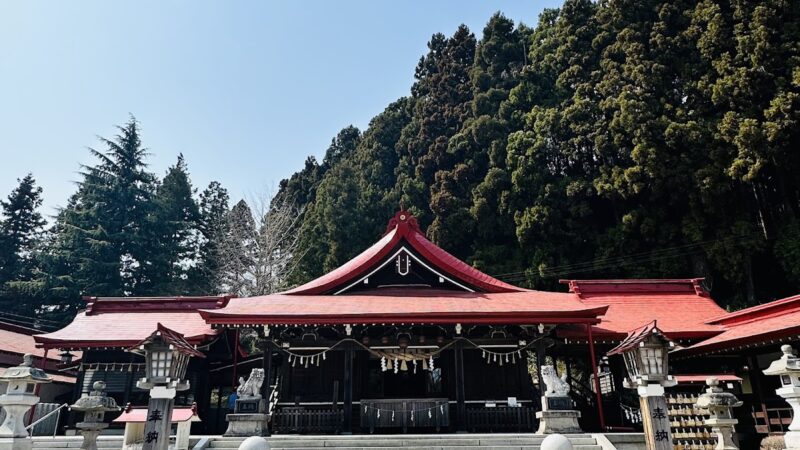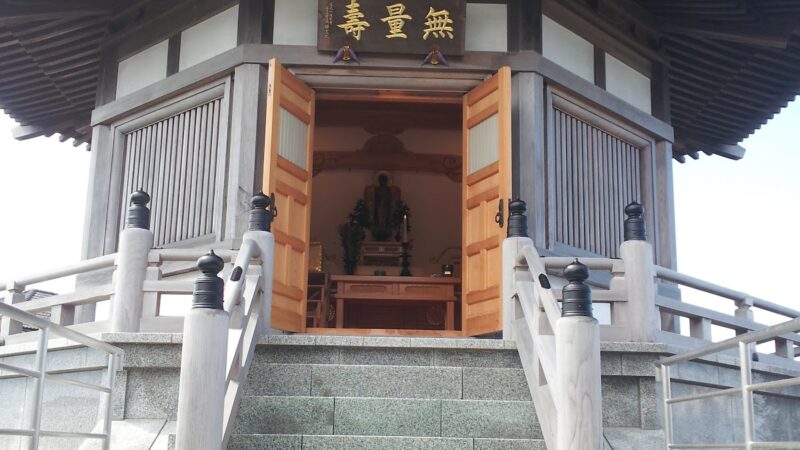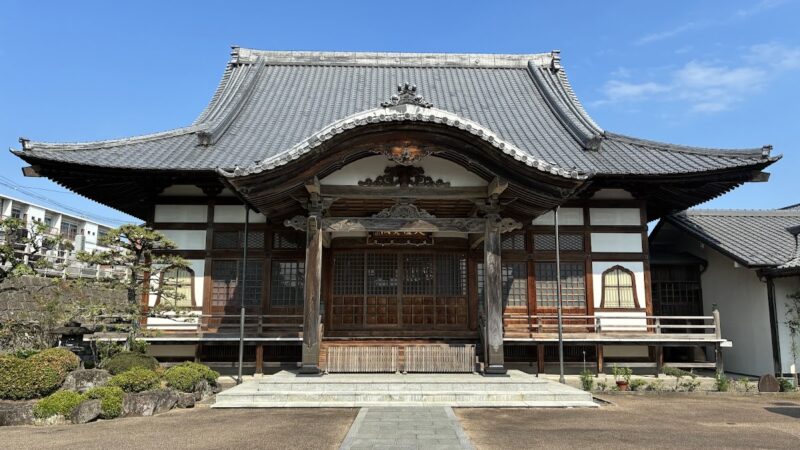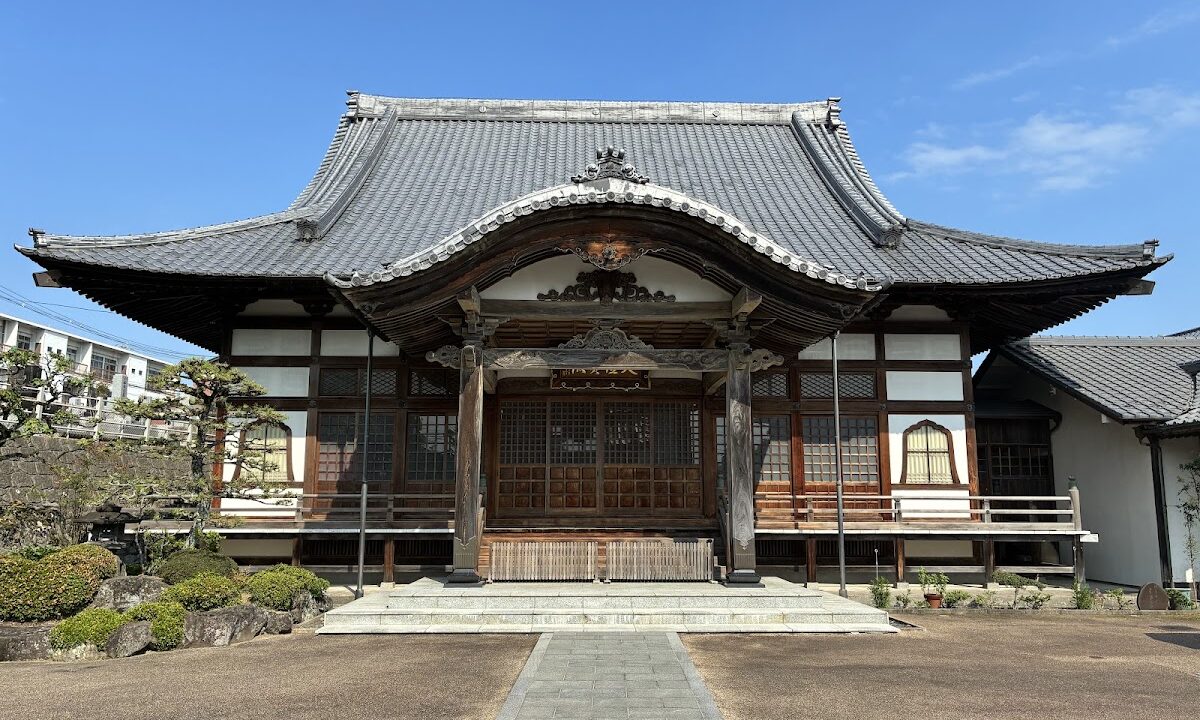
Manju-ji Temple (Aoba-ku, Sendai City, Miyagi Prefecture) Complete Guide | History, Access, and Funeral Information
Located in Takamatsu, Aoba-ku, Sendai City, Miyagi Prefecture, Manju-ji Temple is a historic temple belonging to the Obaku sect of Buddhism. As a temple deeply rooted in the community, it offers a wide range of services, including funerals, memorial services, and perpetual memorial services, making it a familiar presence for the citizens of Sendai. This article comprehensively introduces information useful for those considering a visit or planning a funeral at Manju-ji Temple, from basic information and history to access methods and detailed information on funerals and memorial services.
Basic Information on Manju-ji Temple
Location and Access
Address: 2-14-18 Takamatsu, Aoba-ku, Sendai City, Miyagi Prefecture
Manju-ji Temple is located in the Takamatsu area of Aoba-ku, Sendai City, in a quiet residential area. The surrounding environment is peaceful, maintaining a tranquil atmosphere suitable for worship and funerals.
Sect and Principal Image
Sect: Obaku School
Chief Priest: Yasutaka Okada
The Obaku School is a branch of Zen Buddhism that was introduced from China in the early Edo period. It is one of the three major Zen schools in Japan, alongside the Rinzai and Soto schools. It is characterized by its Chinese-style architecture and rituals, and continues to preserve its unique culture.
Contact Information
For inquiries about the temple or funeral arrangements, please contact the temple directly or use the 24/7 service available through our affiliated funeral service company.
History and Origin of Manju-ji Temple
About the Obaku School
The Obaku School was founded in 1654 by Zen Master Ingen Ryuki, who came to Japan from Fujian Province, China. Its head temple is Manpuku-ji Temple on Mount Obaku in Uji City, Kyoto Prefecture, and it has approximately 500 temples throughout Japan.
The following are some of the characteristics of the Obaku school of Zen Buddhism:
- Zen style of the Chinese Ming Dynasty: The style of rituals and customs of the Chinese Ming Dynasty remains strongly present.
- Bonbai: A unique style of chanting sutras with distinctive melodies.
- Fucha Ryori: A Chinese-style vegetarian cuisine culture.
- Architectural style: Chinese-style temple layout and decoration.
The Position of Manju-ji Temple in Sendai
Many temples exist in Aoba Ward, Sendai City, each supporting the local faith and culture. As a temple of the Obaku school, Manju-ji Temple is one of the centers of Zen teachings in this region.
Within the temple culture that has continued since the time of the Sendai Domain, Manju-ji Temple has played an important role as a spiritual support for local residents and as a venue for funerals and memorial services.
Access and Surrounding Information
Access by Public Transportation
Manju-ji Temple can be accessed in the following ways:
Nearest Station:
- Approximately 15 minutes on foot from Asahigaoka Station on the Sendai City Subway Namboku Line
- Approximately 18 minutes on foot from Daihara Station on the Sendai City Subway Namboku Line
By Bus:
- Approximately 5 minutes on foot from the Takamatsu 1-chome bus stop (Sendai City Bus)
- Please check the Sendai City Transportation Bureau website for bus timetables for each route.
Access by Car
Route from Major Roads:
- Accessible via Prefectural Roads from National Route 4
- Approximately 15 minutes by car from Sendai Station
- Please inquire with the temple in advance regarding parking availability.
Nearby Temples and Facilities
Several other temples are scattered around Takamatsu, Aoba Ward:
- Sengaku-in: A temple located within walking distance of Manju-ji Temple
- Other Temples: Numerous historical temples are located within Aoba Ward.
Although the surrounding area is residential, it maintains a quiet environment with plenty of greenery, creating a peaceful atmosphere suitable for worship and funerals.
Checking the Map and Location
Before visiting, we recommend searching for “2-14-18 Takamatsu, Aoba Ward, Sendai City, Miyagi Prefecture” on a map app or car navigation system to confirm the exact location and route. Especially for first-time visitors or those attending a funeral, we recommend allowing ample time for travel.
Funeral and Memorial Service Services at Manju-ji Temple
About Temple Funerals
Manju-ji Temple can conduct temple funerals. A temple funeral is a funeral held using the main hall or grounds of a temple, and has the following characteristics:
Advantages of a Temple Funeral:
- You can send off the deceased in a solemn atmosphere.
- It is possible to hold a funeral that emphasizes religious rituals.
- Respectful chanting and sermons by the head priest.
- For temple parishioners, the peace of mind of holding the funeral at their family temple.
Flow of a Temple Funeral:
- Contact the temple and schedule the funeral.
- Meeting with the funeral home (introductions to affiliated funeral homes are also possible).
- Conduct the wake and funeral.
- First seven-day memorial service (may be held on the day of the funeral).
Memorial Service and Remembrance Services
Manju-ji Temple offers the following memorial services and remembrance:
Annual Memorial Services:
- First seven-day and forty-ninth-day memorial services
- First, third, and seventh anniversary memorial services
- Thirteenth, seventeenth, and twenty-third anniversary memorial services
- 33rd and 50th Anniversary Memorial Services
Other Memorial Services:
- Monthly Memorial Service
- Obon Memorial Service
- Higan Memorial Service
- Perpetual Memorial Service
About Perpetual Memorial Services
In modern society, with its declining birthrate, aging population, and increasing nuclear families, the need for perpetual memorial services is growing. Manju-ji Temple also accepts consultations regarding perpetual memorial services.
Key Points of Perpetual Memorial Services:
- Peace of mind even for those without successors
- The temple will continue the memorial services responsibly
- Costs and contract details must be confirmed in advance
- Various forms are available, such as communal graves and individual graves
Estimated Funeral Costs
Funeral costs vary greatly depending on the scale and content. The general breakdown of costs is as follows:
Main Cost Items:
- Temple Fees: Offering, posthumous name fee, transportation fee, etc.
- Funeral Home Fees: Altar, coffin, hearse, venue usage fee, etc.
- Hospitality Fees: Wake reception, post-funeral meal, etc.
Regarding costs, it is important to consult thoroughly with the funeral home and temple in advance to choose an appropriate plan that you will not regret.
Pre-Funeral Consultation
Manju-ji Temple also accepts pre-funeral consultations. Benefits of pre-funeral consultations include:
- You can calmly consider the details of the funeral.
- You can understand the cost estimate in advance.
- You can clarify the desired funeral format.
- You can have time to coordinate opinions with family members.
We also have partner services that provide 24/7 consultation services, so you can rest assured even in the event of a sudden funeral.
The Danka System and How to Interact with Temples
What it Means to Become a Danka
Becoming a Danka refers to a relationship where one provides financial and spiritual support to a specific temple, and in return receives religious services such as funerals and memorial services.
Benefits of Being a Danka:
- Ability to confidently request funerals and memorial services
- Building a continuous relationship with the head priest
- Right to use the temple cemetery
- Participation in regular sermons and events
Obligations of Being a Danka:
- Annual maintenance fee (temple upkeep costs)
- Participation in and cooperation with temple events
- Cooperation in the maintenance of the main hall and temple grounds
Use by Non-Dankas
In modern times, an increasing number of temples accept requests for funerals and memorial services even from non-Dankas. Manju-ji Temple may also accept consultations from non-Dankas; please inquire directly for details.
The Teachings and Practices of the Obaku School
Zen Teachings
The Obaku school, as a branch of Zen Buddhism, emphasizes training centered on seated meditation (zazen).
Basic Principles of Zen:
- Zazen: A practice of sitting with correct posture and unifying the mind.
- Koan: The path to enlightenment through Zen dialogue.
- Samu: Daily work is also part of the practice.
Unique Characteristics of the Obaku School
Bonbai: The sutras of the Obaku school are chanted with a unique Chinese-style melody. This Bonbai is highly valued musically and occupies a unique position within Japanese Buddhist music.
Fucha Cuisine: Fucha cuisine, a Chinese-style vegetarian cuisine, is one of the cultural traditions introduced to Japan by the Obaku school. The style of sharing dishes served on large platters represents the spirit of equality and harmony.
Temple Culture of Aoba Ward, Sendai City
History of Temples in Aoba Ward
Aoba Ward in Sendai City is an area that developed as a castle town of Sendai Castle, built by Date Masamune. Many temples were located in the area, forming a district known as “Teramachi” (Temple Town).
Main Temple Areas:
- Kitayama District: The “Kitayama Gozan” (Five Temples of Kitayama), a concentration of many temples
- Shintera District: Historic temples such as Daiganji Temple are scattered throughout the area
- Takamatsu District: A residential area where temples such as Manjuji Temple are located
Daiganji Temple and Manjuin-dono Mausoleum Gate
In Aoba Ward, there is Daiganji Temple, founded in 1613 by Date Tadamune, the second son of Date Masamune. Daiganji Temple has the former Manjuin-dono Mausoleum Gate, which is known as an important building associated with the Date family.
As such, Aoba Ward has many temples with deep ties to the Date family, preserving the history and culture of Sendai to this day.
Funeral Home and Crematorium Information
Major Funeral Homes in Sendai City
In addition to temple funerals at Manju-ji Temple, there are many funeral homes in Sendai City:
Funeral Homes in Aoba Ward:
- Dedicated halls operated by various funeral companies
- Public halls
- Home funerals
The choice of funeral home should be made considering factors such as the number of attendees, accessibility, and cost.
About Crematoriums
Major crematoriums in Sendai City:
Sendai City Municipal Crematoriums:
- Crematorium within Kuzuoka Cemetery
- Access and reservation methods must be confirmed in advance
While funeral homes generally handle crematorium reservations, it is recommended to allow ample time, as reservations may not be available on your desired date and time due to congestion.
Post-Funeral Procedures and Inheritance
Main Post-Funeral Procedures
Even after the funeral, various procedures are necessary:
Government-Related Procedures:
- Submission of Death Certificate (often handled by the funeral home)
- Obtaining a Cremation Permit
- Receiving a Burial Permit
Other Procedures:
- Pension Suspension Procedures
- Notification of Loss of Health Insurance Eligibility
- Notification of Change of Household Head
- Change of Name for Utility Bills
- Unfreezing of Bank Accounts
Knowledge Regarding Inheritance
Inheritance is an important matter that needs to be considered in parallel with the funeral:
Basic Flow of Inheritance:
- Identification of Heirs
- Investigation of Estates
- Estate Division Agreement
- Inheritance Tax Filing (if necessary)
Inheritance Deadlines:
- Renunciation of Inheritance: Within 3 months
- Inheritance Tax Filing: Within 10 months
If you require specialized knowledge, it is recommended to consult with a professional such as a lawyer or tax accountant.
Estate Cleanup and Sea Burial
Estate Cleanup Services
In recent years, the need for estate cleanup services has been increasing. The use of a professional service is particularly recommended in the following cases:
- When there is a large amount of belongings to be disposed of
- When living far away and sorting is difficult
- When there is insufficient time
- When you want to reduce emotional burden
Points to note when sorting through belongings:
- Checking for valuables and important documents
- Sorting through sentimental items
- Selecting an appropriate service provider
- Obtaining a cost estimate in advance
The option of scattering ashes at sea
In recent years, more people are choosing to scatter ashes at sea:
Benefits of scattering ashes at sea:
- No need to purchase or maintain a cemetery plot
- The philosophy of returning to nature
- Solving the problem of successors
Points to note when scattering ashes at sea:
- Compliance with laws and regulations
- Understanding from family and relatives
- Hiring a professional service provider
- Combining with keeping ashes at home
Voices and reviews of Manju-ji Temple users
The importance of reviews
When choosing a temple or funeral service, reviews and reputations from actual users are important factors in making a decision.
Points to Check:
- The priest’s demeanor and personality
- The thoroughness of the funeral service
- Transparency of costs
- Cleanliness and facilities
- Accessibility
Posting and Utilizing Reviews
Those who have actually used Manju-ji Temple can contribute to information sharing by posting reviews for those considering using the service in the future. However, please be mindful of posting appropriate content, avoiding personal information or defamation.
Partner Services and Operating Company
Funeral-Related Partner Services
Many temples partner with funeral homes and related services:
Types of Partner Services:
- Introduction to funeral homes
- Buddhist altar and religious goods stores
- Stone masons (tombstones)
- Florists
- Catering and catering services
Benefits of Partner Services:
- One-stop arrangement possible
- Smooth coordination with temples
- Introduction to reliable vendors
24/7 Consultation Service
Funerals are often needed suddenly, so a 24/7 consultation service is important:
Free Consultation/Call Service:
- Available even late at night or early in the morning
- Appropriate guidance by professional staff
- Coordination with temples and funeral homes
Sendai City Service Area and Surrounding Information
Manju-ji Temple’s Service Area
Manju-ji Temple primarily provides services to people in the following areas:
Sendai City:
- Aoba Ward
- Miyagino Ward
- Wakabayashi Ward
- Taihaku Ward
- Izumi Ward
Other Areas:
We may also accept consultations from other municipalities within Miyagi Prefecture. Please contact the temple directly for details.
Characteristics of Aoba Ward
Aoba Ward is located in the heart of Sendai City and is the administrative, commercial, and cultural center:
- Commercial district around Sendai Station
- Lush green streets such as Jozenji-dori
- Historical spots such as Sendai Castle Ruins
- Educational institutions such as Tohoku University
- Quiet residential areas
The Takamatsu area, where Manju-ji Temple is located, is a region with a good living environment where urban functions and nature are in harmony.
Manners and Etiquette for Visiting Temples
Basic Manners for Visiting Temples
It is important to know the basic manners when visiting a temple:
Attire:
- For funerals and memorial services, wear mourning clothes or semi-formal attire.
- For general visits, wear clean clothing.
- Avoid excessive exposure.
Etiquette for Visiting Temples:
- Bow at the temple gate.
- Cleanse your hands and mouth at the water basin (if available).
- Join your hands in prayer and bow in front of the main hall.
- Move quietly through the temple grounds.
- Bow again at the temple gate when leaving.
Understanding Offerings
Offerings at funerals and memorial services are a way of expressing gratitude to the monks:
Average Offering Amount:
- Funeral: Approximately 150,000 to 500,000 yen (varies depending on region and scale)
- Memorial Service: Approximately 30,000 to 100,000 yen
- Posthumous Name Fee: The cost varies depending on the rank of the posthumous Buddhist name.
The cost varies depending on local customs and the temple, so we recommend checking in advance.
Summary: Reasons to Choose Manju-ji Temple
Manju-ji Temple is an Obaku Zen Buddhist temple located in Takamatsu, Aoba-ku, Sendai City, Miyagi Prefecture, offering a wide range of services to the local community.
Features of Manju-ji Temple:
- A historic temple preserving the traditions of the Obaku Zen sect
- Courteous service by Chief Priest Yasutaka Okada
- Diverse services including funerals, memorial services, and perpetual memorial services
- A peaceful environment in Takamatsu, Aoba-ku
- Comprehensive support through affiliated services
Funerals and memorial services are important milestones in life. Gathering information and consulting beforehand is crucial to making choices you won’t regret. At Manju-ji Temple, we help you respectfully send off and commemorate your loved ones.
Please feel free to contact us for consultations regarding funerals and perpetual memorial services, or to visit the temple. A 24/7 consultation service is also available.
If you are looking for a temple in Aoba Ward, Sendai City, or are considering funerals or memorial services, please consider Manju-ji Temple as one of your options.
Frequently Asked Questions (FAQ)
Q1: Can I request funeral services from Manju-ji Temple even if I am not a temple parishioner?
A1: Many temples accept funerals from non-parishioners, but conditions and costs may vary. For information regarding Manju-ji Temple’s services, please contact the temple directly or consult through our affiliated funeral service. Pre-consultations are also available, so we recommend contacting us without hesitation.
Q2: How do I get to Manju-ji Temple?
A2: Manju-ji Temple is located at 2-14-18 Takamatsu, Aoba Ward, Sendai City, Miyagi Prefecture. If using public transportation, it is approximately a 15-minute walk from Asahigaoka Station on the Sendai City Subway Namboku Line, or approximately a 5-minute walk from the Takamatsu 1-chome bus stop on the Sendai City Bus. If traveling by car, it is approximately 15 minutes from Sendai Station. Please check with the temple in advance regarding parking availability.
Q3: How much do funerals cost?
A3: Funeral costs vary greatly depending on the scale and content. Generally, you will need to pay offerings to the temple, fees to the funeral home, and hospitality expenses. The total cost can range from several hundred thousand yen to several million yen. To choose an appropriate plan that you won’t regret, we recommend that you consult thoroughly with the funeral home and temple in advance and obtain an estimate. You can also use our 24/7 consultation service.
Q4: Is perpetual memorial service possible?
A4: Manju-ji Temple accepts consultations regarding perpetual memorial services. Perpetual memorial services are a reassuring option for those who have no successors or who are worried about the future management of their grave. Costs, contract details, and forms of memorial services vary depending on the temple, so please contact Manju-ji Temple directly for details.
Q5: What kind of sect is the Obaku school?
A5: The Obaku school is a branch of Zen Buddhism that was introduced from China in the early Edo period. It is one of the three major Zen schools in Japan, alongside the Rinzai and Soto schools. It retains strong influences from the Ming Dynasty of China, and is characterized by its unique style of chanting (bonbai), Chinese-style architecture, and Fucha cuisine. Its head temple is Manpuku-ji Temple on Mount Obaku in Uji City, Kyoto Prefecture.
Q6: Can I have a pre-funeral consultation?
A6: Yes, pre-funeral consultations are possible. In fact, we recommend them as they allow you to calmly consider the details of the funeral. Taking the time to prepare, including cost estimates, desired funeral format, and family discussions, will help you hold a funeral without regrets. Please feel free to consult with Manju-ji Temple or our affiliated funeral services.
Q7: What kinds of memorial services are available?
A7: Manju-ji Temple holds various memorial services, including annual memorial services such as the seventh day, forty-ninth day, first anniversary, and third anniversary, as well as memorial services during Obon and Higan. The dates and content of the services will be decided in consultation with the temple. Remembering and honoring the deceased is an important time for the bereaved family.
Q8: Can I use your services from other areas of Sendai City?
A8: Yes, Manju-ji Temple provides services to people throughout Sendai City, including not only Aoba Ward but also Miyagino Ward, Wakabayashi Ward, Taihaku Ward, and Izumi Ward. We may also accept consultations from other municipalities in Miyagi Prefecture, so please contact the temple directly for details.
Q9: Can you also provide support for procedures after the funeral?
A9: After the funeral, various procedures are necessary, such as filing with the local government, stopping pension payments, and inheritance procedures. Some affiliated funeral services may provide information and support regarding these procedures. They may also be able to introduce you to specialists such as lawyers and tax accountants for complex inheritance issues.
Q10: Is it possible to visit the temple?
A10: Generally, it is possible to visit the temple, but since memorial services and other events may be taking place, we recommend contacting them in advance before visiting. Those considering a funeral can make a more informed decision by actually visiting the temple to check the atmosphere and facilities.