
-1020x720.png)
Eimyoji Temple (Sendai City, Miyagi Prefecture) Complete Guide | History, Access, and Visiting Information
Eimyoji Temple, located in Tsutsujigaoka, Miyagino Ward, Sendai City, Miyagi Prefecture, is a historic temple belonging to the Shinshu Otani sect. Despite being in an urban area right next to the Sendai Sunplaza Hall, this temple maintains a tranquil atmosphere. This guide provides detailed information on its history, the story of its founding, access methods, and surrounding area.
Basic Information about Eimyoji Temple
Eimyoji Temple is a Shinshu Otani sect temple located in the heart of Sendai City, Miyagi Prefecture, close to Tsutsujigaoka Station.
Location and Contact Information
- Address: 5-9-15 Tsutsujigaoka, Miyagino-ku, Sendai City, Miyagi Prefecture 983-0852
- Phone Number: 022-256-3742
- Mountain Name: Shinshozan
- Sect: Shinshu Otani-ha (Jodo Shinshu)
- Principal Image: Amida Buddha
Access
Eimeiji Temple is within walking distance of major stations in Sendai City, making it very convenient to access.
Access by Train
- Approximately 3-5 minutes on foot from Exit 2 of Tsutsujigaoka Station on the JR Senseki Line
- Approximately 8 minutes on foot from Renbo Station on the Sendai City Subway Tozai Line
- Approximately 10 minutes on foot from Miyagino-dori Station on the Sendai City Subway Tozai Line
Access by Car
Approximately 5 minutes by car from the east exit of Sendai Station. Located along Higashi-Kyubancho Street, it’s easy to find using Sendai Sunplaza Hall as a landmark.
Location Characteristics
Eimeiji Temple is located in the block right next to Sendai Sunplaza Hall. Despite being near a bustling concert hall, the area where the two temples stand side-by-side maintains a tranquil atmosphere. Facing Higashi-Kyubancho Street, it’s a peaceful space in the heart of the city, cherished by local residents.
History of Eimeiji Temple and its Founder, Eikaku Shonin
The history of Eimeiji Temple is deeply intertwined with the life of its founder, Eikaku Shonin.
The Background of the Founder, Eikaku Shonin
Eikaku Shonin was born in Ikarugimacho, Ashikaga City, Tochigi Prefecture, which was part of the Ashikaga clan’s territory in Yanada-go, Yasu-gun, Omi Province (present-day Shiga Prefecture). The Ashikaga clan was a prestigious branch of the Minamoto clan, and Eikaku, born in their land, chose to enter the Buddhist priesthood at a young age.
Study in the Tendai Sect
Eikaku studied at Jokoji Temple, a Tendai sect temple located in the area, for over thirty years. He spent a long time studying the teachings of the Tendai sect, solidifying his foundation in Buddhism. During this period, it is believed that Eikaku dedicated himself to studying the profound doctrines of Buddhism and practicing asceticism.
Devotion to the Teachings of Shinran Shonin
However, after more than thirty years of study, Eikaku was deeply impressed by the teachings of Shinran Shonin, that is, the doctrines of Jodo Shinshu Buddhism. He decided to devote himself to Shinran Shonin’s teaching of “other-power vow,” the teaching that all people will be saved through the original vow of Amida Buddha.
Ordination under Abbot Kennyo of Honganji Temple
Eikaku received ordination under Abbot Kennyo, the 11th head of Honganji Temple. Abbot Kennyo was a high-ranking priest who led Honganji Temple during the Sengoku period and is also known as an important figure in the Ishiyama War against Oda Nobunaga. Having officially become a Jodo Shinshu Buddhist priest under Abbot Kennyo, Eikaku began his next path with a new mission in his heart.
Missionary Work in Tohoku
After his ordination, Abbot Eikaku embarked on a missionary journey to the Tohoku region. At that time, Tohoku was a remote area far from the capital, and there were many areas where Buddhist teachings had not spread sufficiently. Abbot Eikaku entered Tohoku after a difficult journey and worked to spread the teachings of Jodo Shinshu Buddhism.
It is believed that during this process, he founded Eimeiji Temple in what is now Sendai City, Miyagi Prefecture. The temple’s name, “Eimei-ji,” bearing the name of the founder, Eikaku Shonin, likely expresses respect for the founder and a commitment to clarifying his teachings.
Affiliation with the Shinshu Otani School
Eimei-ji Temple belongs to the Shinshu Otani School. The Shinshu Otani School is a branch of Jodo Shinshu Buddhism that inherits the teachings of Shinran Shonin, and its head temple is Higashi Hongan-ji (Shinshu Honbyo) in Kyoto. When Hongan-ji split into East and West in the early Edo period, it developed as a religious organization centered around Higashi Hongan-ji.
Based on the teachings of the Shinshu Otani School, Eimei-ji Temple enshrines Amida Buddha as its principal deity and continues to transmit the teachings of Nembutsu (recitation of Amida Buddha’s name) to the local people.
Shinshu Otani School and Amida Buddha Worship
Understanding the characteristics of the teachings of the Shinshu Otani School, to which Eimei-ji Temple belongs, deepens our understanding of the temple.
The Teachings of Jodo Shinshu Buddhism
Jodo Shinshu is a Buddhist sect founded by Shinran Shonin (1173-1263), a monk of the Kamakura period. Its central teaching lies in “reliance on the power of others.” It teaches that salvation is not attained through one’s own practice or good deeds, but rather through believing in the original vow of Amida Buddha (the vow to save all sentient beings) and chanting the Nembutsu (invocation of Amida Buddha).
About Amida Buddha
Amida Buddha, the principal image of Eimeiji Temple, is worshipped as a Buddha possessing immeasurable light and immeasurable life. It is a transliteration of the Sanskrit words “Amitabha” (immeasurable light) and “Amitayus” (immeasurable life), and is considered the principal deity of the Western Pure Land.
Amida Buddha, during his time as Bodhisattva Dharmakara, made forty-eight vows, and the eighteenth vow, “the vow of rebirth through chanting the Nembutsu,” is considered particularly important. This is a vow to “welcome all who call upon my name to the Pure Land,” and forms the foundation of Jodo Shinshu Buddhism.
Characteristics of the Shinshu Otani School
The Shinshu Otani School faithfully inherits the teachings of Shinran Shonin and has the following characteristics:
- Meat-eating and Marriage of Monks: Because Shinran Shonin himself was married, marriage for monks is permitted.
- Funeral Practices: In Jodo Shinshu, it is believed that the deceased immediately attain rebirth in the Pure Land through the salvation of Amida Buddha.
- No Use of Memorial Tablets: In most cases, a family register or a Buddhist name scroll is used instead of a memorial tablet.
- Head Temple: The head temple is Higashi Honganji (Shinshu Honbyo) in Kyoto.
Temple Grounds and Visiting Procedures
Eimeiji Temple is located in an urban area, but the temple grounds maintain a quiet and peaceful atmosphere.
Features of the Temple Grounds
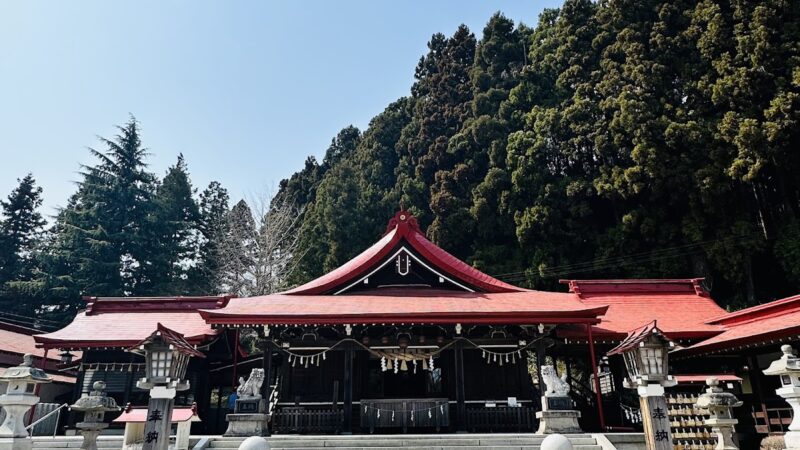
Located on Higashi-Kyubancho Street, Eimeiji Temple offers a tranquil space, a welcome respite from the hustle and bustle of the surrounding area, despite its central location in Sendai. With another temple nearby, this area has the atmosphere of a temple district.
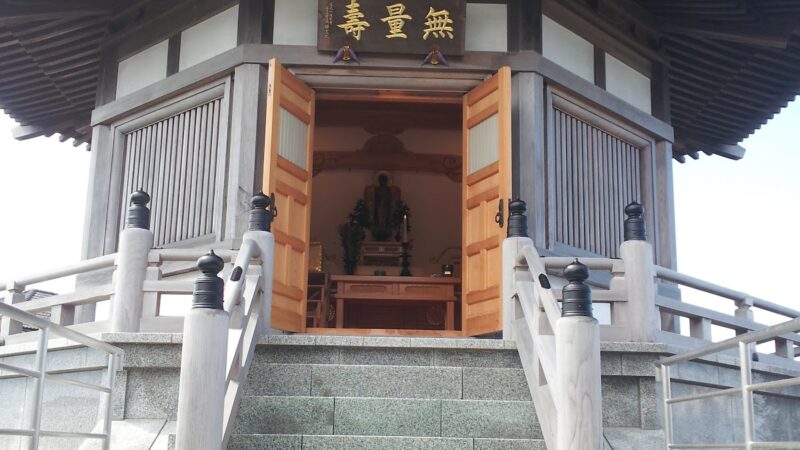
The main hall houses the principal image, Amida Buddha, welcoming visitors. As an urban temple, it serves as a place of worship for local parishioners and visitors.
Etiquette for Visiting a Temple
The etiquette for visiting a Jodo Shinshu temple differs slightly from that of other sects:
- Gassho and Bowing: Join your hands in prayer and bow before the main hall.
- Nembutsu: Chant “Namu Amida Butsu.”
- No Clapping: Unlike Shinto shrines, clapping is not done at temples.
- Offering Money: Offer money with gratitude.
In Jodo Shinshu, the essence of visiting a temple is to express gratitude and devotion to Amida Buddha, rather than making wishes.
Ceremonies and Events Held at Eimeiji Temple
Eimeiji Temple, as a temple of the Shinshu Otani sect, holds various ceremonies and events.
Regular Memorial Services
- Monthly Dharma Gathering: Regularly held monthly sermons and chanting sessions.
- Ho-on-ko (Memorial Service): The most important memorial service commemorating the death anniversary of Shinran Shonin (28th day of the 11th lunar month).
- Eitaikyo Memorial Service: A memorial service for ancestors.
- Obon Memorial Service: A memorial service to remember ancestors during the Obon festival.
Funerals and Memorial Services
Eimeiji Temple also conducts funerals and memorial services for parishioners and local residents. Following the customs of the Shinshu Otani sect, the services are held to praise the deceased’s attainment of rebirth in the Pure Land and to provide an opportunity for those left behind to encounter Buddhist teachings.
Nearby Attractions and Facilities
Eimeiji Temple is surrounded by various facilities and landmarks in Sendai City.
Sendai Sunplaza
A large multi-purpose complex located right next to Eimeiji Temple. This area features concert halls, hotels, and wedding venues, and hosts numerous events. It’s one of Sendai’s cultural centers, hosting concerts by famous artists.
Tsutsujigaoka Park
A park known for its cherry blossoms, located within walking distance. In spring, it’s bustling with many cherry blossom viewers, boasting approximately 370 Somei Yoshino and weeping cherry trees in full bloom. This historic park is said to have originated when Date Tsunamura, the fourth lord of the Sendai domain, planted cherry trees brought from Kyoto.
Tsutsujigaoka Tenmangu Shrine
Located within Tsutsujigaoka Park, this Tenmangu shrine enshrines Sugawara no Michizane, the god of learning. Many worshippers visit during exam season.
Sendai Station East Exit Area
The Sendai Station East Exit area, within walking distance of Eimeiji Temple, is convenient for shopping and dining, with a concentration of stores including Yodobashi Camera, restaurants, and hotels.
Shinshu Otani-ha Temples in Miyagi Prefecture
Besides Eimei-ji Temple, there are several other Shinshu Otani-ha temples in Miyagi Prefecture.
Shinshu Temples in Sendai City
In Sendai City, there are several Shinshu Otani-ha temples, including Eimei-ji Temple. Each serves as a center of faith in the region, providing spiritual support to parishioners and local residents.
Jodo Shinshu in the Tohoku Region
The spread of Jodo Shinshu in the Tohoku region was advanced through the efforts of missionaries like Eikaku Shonin. From the Sengoku period to the Edo period, Shinshu temples were built throughout the region and became deeply rooted in the communities.
Even today, Shinshu Otani-ha temples are scattered throughout the Tohoku region, including Miyagi Prefecture, supporting the faith of local people.
About Perpetual Memorial Services, Interment, and Cemeteries
Eimei-ji Temple also accepts consultations regarding perpetual memorial services and interment.
What is Perpetual Memorial Service?
Perpetual memorial service is a system where the temple takes responsibility for performing memorial services in perpetuity. It is chosen by those without successors or those who do not want to burden their descendants with the responsibility of maintaining the grave.
How to Inquire
For inquiries regarding perpetual memorial services, interment, cemeteries, funerals, etc., please contact Eimeiji Temple directly by phone (022-256-3742). The head priest and temple staff will provide courteous assistance.
Points to Note and Manners When Visiting
When visiting Eimeiji Temple, please note the following points:
Attire
For regular visits, no special attire is required, but clean and subdued clothing is preferred. For memorial services, formal attire such as semi-formal wear or a black suit is appropriate.
Photography
When taking photographs on the temple grounds, please be considerate of other visitors and avoid disturbing memorial services. Please obtain permission before taking photographs inside the main hall.
Visiting Hours
For general visiting hours, it is recommended to check with the temple in advance. General visits may be restricted during memorial services or events.
Temple Culture in Sendai
Sendai developed as a castle town built by Lord Date Masamune, and many temples were established.
Formation of Temple Districts
Several temple districts formed in the castle town of Sendai. Many temples were concentrated in areas such as Kitayama, Shinterakoji, and Minami-Kajimachi, and they also played a role in the defense of the castle town.
The Tsutsujigaoka district, where Eimeiji Temple is located, was once an area with many scattered temples, and several temples still remain today.
The Role of Temples in Modern Times
In modern urban areas, temples serve not only as religious facilities but also as centers of local communities, inheritors of culture, and spiritual havens. Eimeiji Temple continues to be an important presence as a spiritual support for the citizens of Sendai.
The Teachings of the Shinshu Otani School and Modern Society
The teachings of Shinran Shonin offer many insights even in modern society.
The Idea of Equality
At the heart of Jodo Shinshu teachings lies the idea that all people are equally eligible for the salvation of Amida Buddha. The teaching that all people, regardless of social status, gender, or moral character, can be saved through nembutsu (recitation of Amida Buddha’s name), possesses a universality that resonates with modern human rights philosophy.
The True Meaning of “Reliance on Other Power”
While the term “reliance on other power” is sometimes used negatively in modern times, meaning “leaving things to others,” its original meaning is different. It represents a profound attitude of faith, recognizing the limits of one’s own power and entrusting oneself to the original vow (great power) of Amida Buddha.
View of Life and Death
Jodo Shinshu views death not as an end, but as rebirth in the Pure Land, a new beginning. This perspective alleviates the fear of death and provides an opportunity to re-examine the meaning of life.
Detailed Access Information
We will provide more detailed information about accessing Eimeiji Temple.
By Public Transportation
Using the JR Senseki Line
- Take the JR Senseki Line one stop from Sendai Station and get off at “Tsutsujigaoka Station”
- Approximately 3-5 minutes on foot from Exit 2
- Exit the station and proceed along Higashi-Kyubancho Street, using Sendai Sunplaza as a landmark.
Using the Subway Tozai Line
- Within walking distance from “Renbo Station” or “Miyagino-dori Station”
- Approximately 15 minutes on foot from Sendai Station
By Car
- Approximately 5 minutes from Sendai Station East Exit
- Approximately 20 minutes from Tohoku Expressway “Sendai Miyagi IC”
- Please inquire with the temple in advance regarding parking.
Nearby Landmarks
- Sendai Sunplaza Hall (adjacent)
- Tsutsujigaoka Park (approximately 5 minutes on foot)
- Along Higashi-Kyubancho Street
Summary
Eimeiji Temple is a Shinshu Otani sect temple located in Tsutsujigaoka, Miyagino-ku, Sendai City, Miyagi Prefecture. This is a venerable temple with a rich history, tracing the footsteps of its founder, Eikaku Shonin, its conversion from Tendai Buddhism to Jodo Shinshu Buddhism, and its missionary work in the Tohoku region.
Despite being located in the heart of the city, it maintains a tranquil atmosphere, supporting the faith of the local people with Amida Buddha as its principal deity. It boasts a prime location next to the Sendai Sunplaza Hall and is easily accessible, just a few minutes’ walk from JR Senseki Line’s Tsutsujigaoka Station.
Continuing to uphold the spirit of “reliance on the power of others” and “rebirth through chanting the Buddha’s name,” which are teachings of the Shinshu Otani sect, Eimeiji Temple remains an important spiritual center in modern society, providing emotional support to the citizens of Sendai.
For inquiries regarding visits, perpetual memorial services, interment, funerals, etc., please contact the temple directly. When visiting Sendai, we highly recommend a visit to the historic Eimeiji Temple.
-800x450.png)