Entoku-ji Temple (Sendai City, Miyagi Prefecture) Complete Guide | History, Cultural Assets, Access, and Visiting Information
Entoku-ji Temple, located in Tsutsujigaoka, Miyagino-ku, Sendai City, Miyagi Prefecture, is a Jodo sect temple with a long history and has been cherished by the local community. This article comprehensively introduces information you should know before visiting, including the historical background of Entoku-ji Temple, its valuable cultural assets, highlights within the temple grounds, access methods, and visiting information.
Basic Information on Entoku-ji Temple
Location and Access
Location
4-10-1 Tsutsujigaoka, Miyagino-ku, Sendai City, Miyagi Prefecture 983-0852
Entoku-ji Temple is conveniently located within walking distance of Sendai Station, making it very easily accessible for visitors.
Sect and Formal Name
- Sect: Jodo-shu (Pure Land Buddhism)
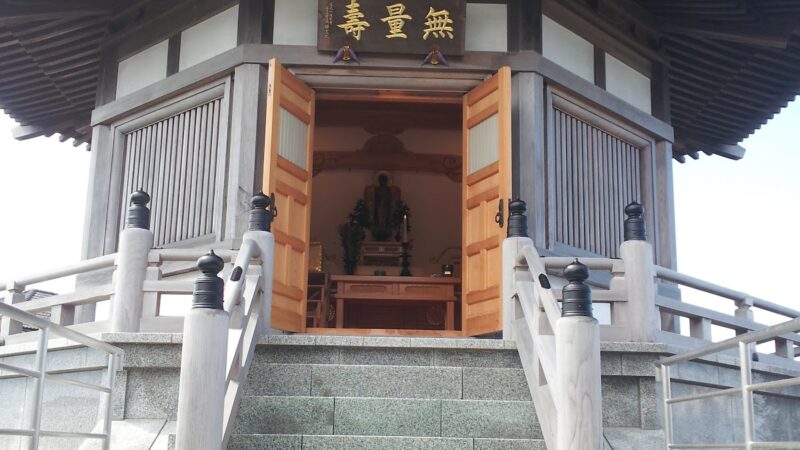
- Mountain Name: Muryozan
- Temple Name: Jukyoin
- Formal Name: Muryozan Jukyoin Entoku-ji
The Jodo-shu is a Buddhist sect founded by Honen Shonin, and it teaches the desire to attain rebirth in the Pure Land by chanting the Nembutsu, “Namu Amida Butsu.” Entoku-ji Temple also follows this teaching and serves as a center of faith for the local people.
Temple Rank and Relationship with Branch Temples
Entoku-ji Temple, as a branch temple of Seikaku-ji Temple in Shin-tera, Aoba-ku, Sendai City, has played a part in the temple network that has continued since the Sendai Domain era. Seikaku-ji Temple is a central figure among Jodo-shu temples in Sendai, and Entoku-ji Temple is an important temple that inherits its lineage.
History of Entoku-ji Temple
Founding and Connection to the Sendai Domain
While there are limited clear records regarding the founding date of Entoku-ji Temple, it is believed to have been established within the Sendai Domain during the early to mid-Edo period. The Sendai Domain, since the time of Lord Date Masamune, had focused on protecting and nurturing temples and shrines, and many temples were established as the castle town was developed.
The area known as Tsutsujigaoka was once a region that developed around Tsutsujigaoka Tenjin Shrine (present-day Tsutsujigaoka Tenmangu Shrine), and it held an important position as the eastern gateway to the Sendai castle town. Entoku-ji Temple also functioned as one of the religious centers of this region.
Changes After the Meiji Restoration
Despite the impact of the anti-Buddhist movement after the Meiji Restoration, Entoku-ji Temple survived with the support of local residents. From the Meiji era to the early Showa era, as Sendai City urbanized, the Tsutsujigaoka area underwent significant transformation, but Entoku-ji Temple continued to play its role as a spiritual pillar of the region.
During World War II, Sendai City also suffered damage from air raids, but Entoku-ji Temple escaped the ravages of war, preserving its valuable cultural assets.
Entoku-ji Temple in Modern Times
Currently, Entoku-ji Temple maintains its role as a traditional temple while also developing activities that meet the needs of modern society. It functions not only as a venue for Buddhist services such as funerals and memorial services, but also as a hub for the local community.
Highlights of the Temple Grounds and Cultural Assets
Sendai City Designated Cultural Property: Wooden Amida Triad
The most important cultural asset owned by Entoku-ji Temple is the Wooden Amida Triad, a Sendai City designated cultural property.
What is the Amida Triad?
The Amida Triad is a set of three Buddhist statues: Amida Buddha in the center, Kannon Bodhisattva on the right, and Seishi Bodhisattva on the left. In the Jodo sect, Amida Buddha is the most important being as the principal deity of the Pure Land, while Kannon Bodhisattva and Seishi Bodhisattva serve as attendants to Amida Buddha, playing a role in saving sentient beings.
Characteristics of the Three Bodhisattvas at Entoku-ji Temple
The wooden Amida Triad statues at Entoku-ji Temple are a valuable example that conveys the excellent Buddhist sculpture techniques of the Edo period. Based on the style and technique of the statues, they are estimated to have been created in the mid-Edo period.
- Condition: They are in excellent condition due to proper management over many years.
- Artistic Value: A work that demonstrates the high skill of Edo period Buddhist sculptors.
- Religious Significance: They continue to attract fervent devotion as the principal image of worship.
Their high historical and artistic value is recognized by their designation as a cultural property of Sendai City.
Main Hall and Temple Grounds Architecture
The main hall of Entoku-ji Temple inherits the style of traditional temple architecture while being properly maintained. Despite its urban location, the temple grounds maintain a tranquil atmosphere, offering peace of mind to visitors.
Layout of the Temple Grounds
- Main Hall: The central building housing the Amida Triad statues
- Priest’s Quarters: The living quarters and temple office for the head priest
- Cemetery: The burial grounds for parishioners
The temple grounds are neatly maintained and meticulously cleaned daily.
Seasonal Scenery of the Temple Grounds
At Entoku-ji Temple, you can experience the changing seasons and the beauty of nature.
- Spring: During cherry blossom season, the temple, along with the surrounding Tsutsujigaoka Park, announces the arrival of spring.
- Summer: The lush green grounds create a cool and refreshing atmosphere.
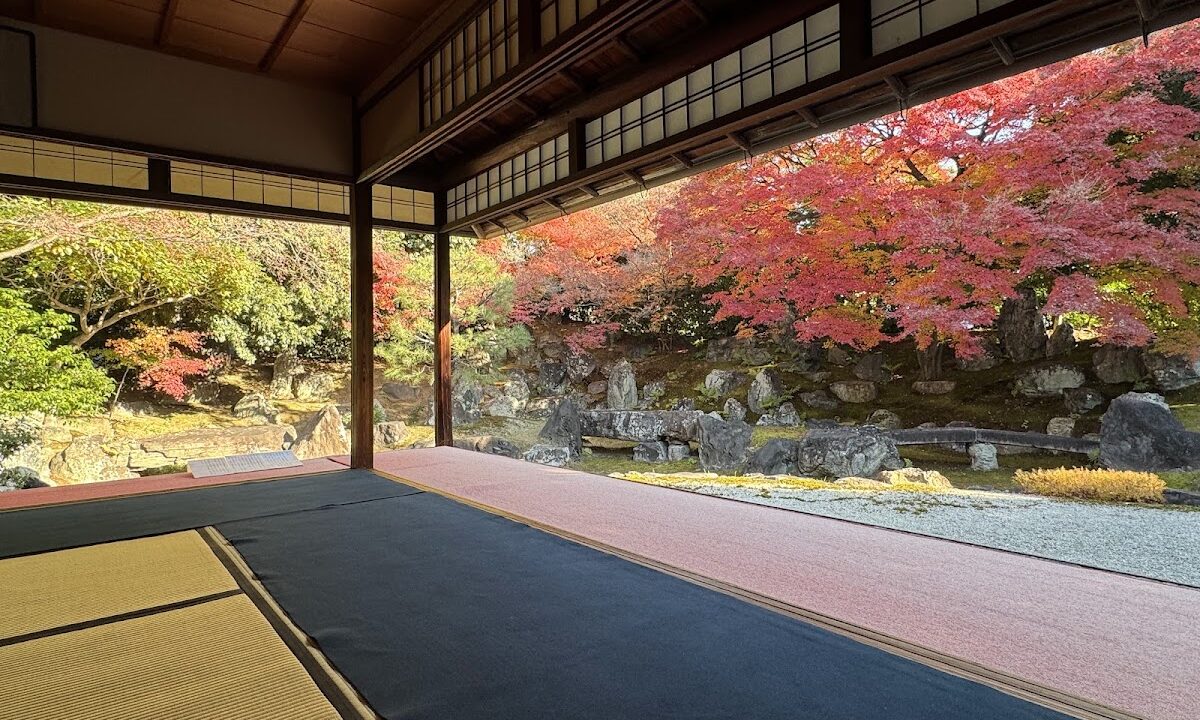
- Autumn: Autumn leaves adorn the grounds, highlighting their beauty amidst the tranquility.
- Winter: The snow-covered grounds are enveloped in a solemn atmosphere.
Detailed Access Information
Access by Train
Entoku-ji Temple is easily accessible by public transportation.
Using JR Lines
From JR Sendai Station
- Distance: Approximately 700m
- Walking Time: Approximately 7-10 minutes
- Route: Head east from the East Exit and proceed straight towards Tsutsujigaoka.
Sendai Station is the largest terminal station in the Tohoku region, served by the Tohoku Shinkansen, JR Tohoku Main Line, Senzan Line, and Senseki Line. From Tokyo, it takes approximately 1 hour and 30 minutes by Shinkansen (bullet train), and from Sendai Airport, it takes approximately 25 minutes by the Sendai Airport Access Line.
From JR Senseki Line, Tsutsujigaoka Station
- Distance: Approximately 600m
- Walking Time: Approximately 8 minutes
- Route: Southwest from the station
Tsutsujigaoka Station is on the Senseki Line and is the next station to Sendai Station. It is conveniently located near Entoku-ji Temple.
Access by Subway
From Sendai City Subway Tozai Line, Miyagino-dori Station
- Distance: Approximately 800m
- Walking Time: Approximately 10 minutes
The Tozai Subway Line connects Sendai City from east to west, and it is one stop from Sendai Station.
Access by Bus
Various Sendai City Bus routes pass through the Tsutsujigaoka area. It is accessible within a few minutes’ walk from the nearest bus stop.
Access by Car
From the Expressway
- From Sendai Miyagi IC: Approximately 15 minutes
- From Sendai Higashi IC: Approximately 10 minutes
When using the Tohoku Expressway, exit at Sendai Miyagi IC or Sendai Higashi IC and head towards the city center.
Parking Information
Entoku-ji Temple has limited parking space. It is recommended to check in advance before visiting. There are also several coin-operated parking lots nearby, so please consider using those as well.
Landmarks in the Area
- Tsutsujigaoka Park: Approximately 5 minutes on foot, one of Sendai’s leading cherry blossom viewing spots
- Tsutsujigaoka Tenmangu Shrine: Approximately 7 minutes on foot, a shrine dedicated to the god of learning
- Sendai Station East Exit: Approximately 7 minutes on foot, abundant shopping and dining options
Visiting Information and Manners
Visiting Hours
Entoku-ji Temple is generally open during daytime hours. For specific times, it is recommended to check with the temple in advance.
Manners for Visiting a Temple
When visiting a temple, please observe the following basic manners.
Attire
- Clean and modest attire is preferred.
- Avoid revealing clothing.
- Remove hats and sunglasses inside the main hall.
Etiquette on the Temple Grounds
- Bow at the Temple Gate: Bow before entering the temple grounds.
- Silence: Be quiet on the temple grounds and refrain from loud conversations.
- Photography: Photography is only permitted in designated areas. Prior confirmation is required before taking photographs of cultural properties or the interior of the main hall.
- Offering: Place your offering in front of the main hall and bow with clasped hands.
- Bow upon leaving: When leaving the temple grounds, turn around and bow.
Jodo Sect Worship Etiquette
At Jodo Sect temples, the basic practice is to clasp your hands together while chanting “Namu Amida Butsu.”
- Straighten your posture in front of the main hall.
- Bow slightly.
- Place your offering.
- If there is a bell (waniguchi), ring it quietly.
- Clasp your hands together and silently chant “Namu Amida Butsu.”
- Bow deeply.
About Goshuin (Temple Seals)
Many temples offer Goshuin, but it is recommended to inquire directly with Entoku-ji Temple regarding their availability and reception hours. When receiving a Goshuin (temple stamp), please bring your Goshuincho (stamp book) and make your request respectfully.
Events and Memorial Services
Regular Memorial Services
Entoku-ji Temple, as a Jodo-shu (Pure Land) sect temple, holds various memorial services throughout the year.
- Higan-e: During the Higan period, centered around the spring and autumn equinoxes
- Obon: The Obon festival in mid-August
- Annual Memorial Service: Memorial service for the ancestors of temple parishioners
Special Events
The following events may be held as important Jodo-shu memorial services:
- Gyoki-dai-e: Memorial service for Honen Shonin (April)
- Juya-hoyo: Ten-day Nembutsu practice (October-November)
For specific dates and whether general participation is possible, please contact the temple directly.
Funeral and Memorial Service Information
Entoku-ji Temple as a Funeral Venue
Entoku-ji Temple is also used as a temple funeral hall, allowing for traditional Buddhist funeral services.
Characteristics of Temple Funerals
- Solemn Atmosphere: Funerals held in the main hall provide a solemn and dignified atmosphere for sending off the deceased.
- Religious Significance: A respectful funeral ceremony based on the teachings of the Jodo sect.
- Easy Access: Conveniently located near Sendai Station, making it easily accessible for attendees.
Memorial Services
Entoku-ji Temple also holds various memorial services.
- From the 7th to the 49th Day: Memorial services for the deceased.
- Annual Memorial Services: First anniversary, third anniversary, seventh anniversary, thirteenth anniversary, etc.
- Obon and Higan Memorial Services: An important opportunity for ancestor worship.
If you wish to hold a memorial service, it is necessary to consult with the temple in advance regarding the date and content.
About Cemeteries and Perpetual Memorial Services
Overview of Cemeteries
Entoku-ji Temple has a cemetery for its parishioners. Despite being located in an urban area, it is cherished as a place where ancestors can be honored in a peaceful environment.
Perpetual Memorial Services and Columbariums
With the changing lifestyles of modern times, interest in perpetual memorial services and columbariums is increasing. Entoku-ji Temple may also be able to meet these needs, but please contact the temple directly for details.
Benefits of Perpetual Memorial Services
- No Successor Required: Peace of mind for those without descendants or successors.
- No Management Worries: The temple will manage and perform memorial services indefinitely.
- Clear Costs: One-time payment eliminates future burdens.
Nearby Shrines and Temples
Many shrines and temples that tell the history of Sendai are located around Entoku-ji Temple. We recommend visiting these temples and shrines as well when you come to worship.
Tsutsujigaoka Tenmangu Shrine
- Distance: Approximately 7 minutes on foot
- Deity: Sugawara no Michizane
- Features: A shrine revered as the god of learning. Many worshippers visit during exam season.
Seikaku-ji Temple (Shinji area)
- Distance: Approximately 15 minutes on foot
- Sect: Jodo sect
- Features: The head temple of Entoku-ji Temple. A central figure in the Shinji area, where historical temples dating back to the Sendai domain era are gathered.
Mutsu Kokubun-ji Temple (Wakabayashi Ward, Sendai City)
- Distance: Approximately 15 minutes by car
- Sect: Shingon Chizan sect
- Features: An ancient temple founded during the Nara period. Famous for its Yakushido Hall, a nationally designated historical site.
Osaki Hachimangu Shrine
- Distance: Approximately 20 minutes by car
- Features: A shrine with a national treasure shrine building founded by Date Masamune. Famous for the Dontosai festival.
The Charm of the Tsutsujigaoka Area
The Tsutsujigaoka area, where Entoku-ji Temple is located, is an area where history and culture thrive, even though it is adjacent to the east exit of Sendai Station.
Tsutsujigaoka Park
Tsutsujigaoka Park, known as one of Sendai’s leading cherry blossom viewing spots, is about a 5-minute walk from Entoku-ji Temple. In spring, approximately 370 Somei Yoshino cherry trees bloom, attracting many visitors. The park also houses the Sendai City Historical and Folk Museum, where you can learn about Sendai’s history.
The History of the Tsutsujigaoka Area
The name Tsutsujigaoka is said to originate from the pomegranates that once grew wild in this area. During the Edo period, the area was lined with samurai residences of the Sendai Domain, and after the Meiji Restoration, it housed military facilities, undergoing transformations over time.
Currently, with the redevelopment of the east exit of Sendai Station, it forms a unique landscape where modern buildings and historical structures coexist.
Sendai Sightseeing and Entoku-ji Temple
Tourist Spots Around Sendai Station
You can enjoy sightseeing in Sendai in conjunction with a visit to Entoku-ji Temple.
Sendai Castle Ruins (Aoba Castle Site)
- Distance: Approximately 15 minutes by car
- Features: The site of the castle of Lord Date Masamune. There is an observation deck offering panoramic views of Sendai city.
Zuihoden Mausoleum
- Distance: Approximately 10 minutes by car
- Features: The mausoleum of Lord Date Masamune. Magnificent Momoyama-style architecture
Sendai City Museum
- Distance: Approximately 15 minutes by car
- Features: Exhibits materials related to the Date family and the history of Sendai
Sendai Gourmet
After visiting the temple, we recommend enjoying Sendai’s local specialties.
- Beef Tongue: A representative Sendai delicacy
- Zunda Mochi: A local confection made with edamame beans
- Sasakamaboko: A representative processed seafood product of Sendai
- Sendai Miso: Miso culture encouraged by Lord Date Masamune
Contact Information for Entoku-ji Temple
Contact Information
For inquiries regarding visits, funerals, memorial services, cemeteries, etc., please contact Entoku-ji Temple directly.
Address: 4-10-1 Tsutsujigaoka, Miyagino-ku, Sendai City, Miyagi Prefecture 983-0852
By calling ahead to confirm, you can be sure to visit or consult. We especially recommend checking in advance regarding viewing cultural properties and obtaining temple stamps (Goshuin).
Points to Note When Making Inquiries
- Time of Day: Avoid contacting us early in the morning or late at night; please contact us during daytime hours.
- Clearly State Your Inquiry: Clearly state your purpose, such as visiting the temple, funeral consultation, or requesting a memorial service.
- Polite Communication: When contacting the temple, please use polite language.
About the Jodo Sect
Having basic knowledge about the Jodo Sect, to which Entoku-ji Temple belongs, will make your visit more meaningful.
Teachings of the Jodo Sect
The Jodo Sect is a Buddhist sect founded by Honen Shonin (1133-1212), who was active from the late Heian period to the early Kamakura period.
Basic Doctrines
- Exclusive Nembutsu Recitation: By chanting “Namu Amida Butsu,” anyone can attain rebirth in the Pure Land.
- Salvation by Other Power: The teaching that salvation is achieved through the power of Amida Buddha’s original vow.
- Equal Salvation: All people are saved regardless of social status or education.
The Life of Honen Shonin
Honen Shonin was born the son of a samurai, but entered the Buddhist priesthood after his father’s death. After studying at Mount Hiei, at the age of 43, he had an epiphany about the teachings of exclusive nembutsu recitation and founded the Jodo sect.
At that time, Buddhism was limited to a select few, such as nobles and monks, but Honen Shonin preached a revolutionary doctrine that “anyone can be saved simply by chanting the nembutsu,” spreading Buddhism to the common people.
Head Temples of the Jodo Sect
- Grand Head Temple: Chion-in (Higashiyama-ku, Kyoto)
- Major Head Temples: Zojo-ji (Minato-ku, Tokyo), Konkai-Komyoji (Sakyo-ku, Kyoto), etc.
Summary: The Significance of Visiting Entoku-ji Temple
Entoku-ji Temple, located in the heart of Sendai City, Miyagi Prefecture, is a valuable temple that offers a tranquil space for prayer. Its cultural assets, including the wooden Amida Triad statue (a Sendai City designated cultural property), convey the history of faith dating back to the Edo period.
Points to Note When Visiting Entoku-ji Temple
- Easy Access: Within walking distance of Sendai Station, making it possible to visit during sightseeing or business trips.
- Cultural Value: Houses a wooden statue of Amida Triad, a Sendai City designated cultural property.
- Jodo Sect Teachings: The teaching of salvation through the chanting of “Namu Amida Butsu.”
- Local History: A venerable temple with a history dating back to the Sendai Domain era.
- Tranquil Environment: A space where you can calm your mind despite being in an urban area.
Recommended for Visitors
- Those interested in Sendai’s history and culture
- Those visiting Jodo Sect temples
- Those who want to enjoy visiting temples and shrines while sightseeing in Sendai
- Those who want to find peace of mind in a quiet place
- Those interested in traditional Japanese culture and Buddhist art
Entoku-ji Temple is an important place that continues to preserve traditional Buddhist culture and spirituality amidst the hustle and bustle of modern life. When you visit Sendai, why not pay a visit? ## Checklist of Items to Bring When Visiting Entoku-ji Temple
Here is a list of items that are useful to bring when visiting Entoku-ji Temple.
- Offering Money: Please prepare small change.
- Goshuincho (Stamp Book): Bring it if you wish to receive a Goshuin (temple stamp).
- Camera: If photography is permitted on the temple grounds (prior confirmation is necessary).
- Notebook: To record anything you notice or feel.
- Handkerchief: To use after purifying your hands at the water basin.
- Appropriate Attire: Clean clothing that does not expose too much skin.
- Comfortable Shoes: Shoes suitable for walking around the temple grounds.
Entoku-ji Temple in Sendai City, Miyagi Prefecture, is a special place where history, culture, and faith thrive. We hope this article will be helpful for your visit to Entoku-ji Temple.