Complete Guide to Saihoji Temples: History, Culture, and Visiting Information for Famous Temples in Japan and Around the World
There are temples named Saihoji not only in Japan, but also in various parts of the world, including Hong Kong and the United States. Each has its own unique history and culture, and is beloved by many worshippers and tourists. This article comprehensively introduces the major Saihoji temples, including their history, highlights within the temple grounds, annual events, and visiting information.
What is Saihoji Temple?: Origin and Meaning of the Name
The temple name “Saihoji” originates from the “Western Pure Land” in Buddhism. The Pure Land where Amida Buddha resides is believed to be in the west, and the name Saihoji has been adopted by temples throughout Japan based on the belief in attaining rebirth in this Pure Land.
In Buddhism, the west is considered a special direction; the west, being the direction of sunset, symbolizes the end and rebirth of life. Therefore, the belief in the Western Pure Land is shared not only in Japan but also widely in Buddhist regions such as China, Korea, and Southeast Asia, which is the background for the establishment of Saihoji temples in various locations.
Sasebo Saihoji Temple: A Soto Zen Temple
History of Sasebo Saihoji Temple
Located in the heart of Sasebo City, Nagasaki Prefecture, Saihoji Temple is a Zen temple belonging to the Soto Zen sect. The Soto Zen sect is a branch of Zen Buddhism introduced to Japan by Zen Master Dogen during the Kamakura period, and is known for its practice of Shikantaza, a form of seated meditation.
Sasebo Saihoji Temple has long been cherished as a spiritual haven for the people of the region. Despite its urban location, it maintains a tranquil environment, providing a place for the teachings and practice of Zen to people living in modern society.
Greetings and Temple Philosophy
Saihoji Temple’s mission is to contribute to the local community through the spirit of Zen. The head priest and other monks strive to operate the temple in a way that is open not only to parishioners but also to the general public.
At Saihoji Temple, a vital role is to help people feel closer to the teachings of Buddhism through Zen meditation sessions and various Buddhist services, and to assist them in finding inner peace in their daily lives.
Temple Grounds Guide: Highlights and Facilities
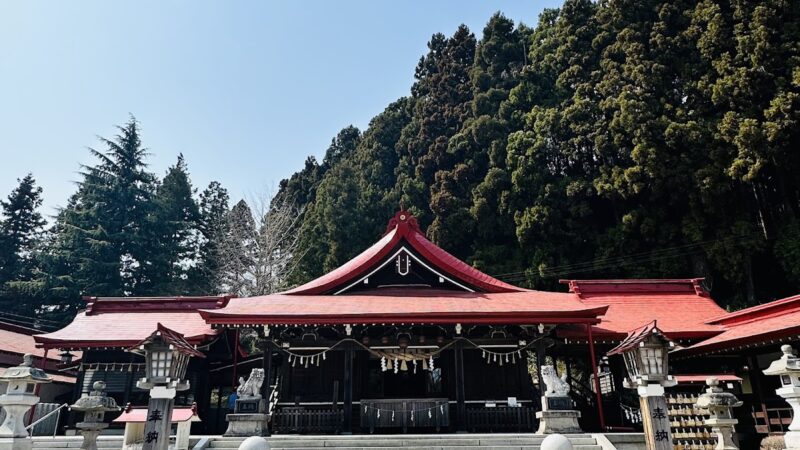
The grounds of Sasebo Saihoji Temple feature traditional temple architecture, including the main hall. Daily services are held in the main hall, where parishioners and visitors can be seen praying before the Buddha.
The temple grounds are surrounded by well-maintained gardens, allowing visitors to enjoy the beauty of nature throughout the seasons. Many visitors come, especially during the cherry blossom season in spring and the autumn foliage season.
The Zen meditation hall is used as the venue for weekly Zen meditation sessions, creating an atmosphere where even beginners can easily participate. The time spent in this tranquil space to confront oneself will be a valuable experience for modern people.
Zen Meditation Sessions: A Zen Experience Open to Everyone
Saihoji Temple holds Zen meditation sessions every Saturday at 2 PM. This Zen meditation session is open to everyone, regardless of age or experience.
Zen meditation is a practice of calming the mind and becoming aware of one’s true self by sitting quietly with correct posture. Taking time away from the hustle and bustle of daily life and facing oneself leads to mental and physical refreshment.
For first-time participants, thorough instruction on Zen meditation etiquette and breathing techniques will be provided. No special preparations are necessary; simply wear comfortable clothing. Regular participation will gradually allow you to experience the depths of Zen meditation.
Annual Events
Nishihoji Temple holds various Buddhist events throughout the year. Many of these events are open to both temple members and general visitors.
Great Prajnaparamita Prayer Ceremony
The Great Prajnaparamita Prayer Ceremony, held at the beginning of the year, is a ceremony in which the 600 volumes of the *Mahaprajnaparamita Sutra* are recited to pray for peace and prosperity throughout the year. The unique sounds and movements during the recitation of scriptures envelop those who witness them in a solemn atmosphere.
During this service, prayers are offered for various wishes, including family safety, business prosperity, and traffic safety. Many parishioners gather for this important event, renewing their New Year’s resolutions.
O-Higan Memorial Service
During the O-Higan period, centered around the spring and autumn equinoxes, O-Higan memorial services are held to honor ancestors. O-Higan is considered a period of Buddhist practice, leading from this world to the other world (the realm of enlightenment).
O-Higan is seen as an opportunity to visit graves, express gratitude to ancestors, and reflect on one’s own way of life. At Saihoji Temple, after the joint memorial service, support for individual grave visits is also provided.
Segaki Memorial Service
The Segaki memorial service, held in summer, is a Buddhist service to offer food and prayers to spirits who have fallen into the realm of hungry ghosts and to spirits without relatives. It is an important event for cultivating compassion by offering prayers not only for one’s own ancestors but for all spirits.
During the Segaki memorial service, a special altar is set up, and various offerings are presented. Through this service, one can cultivate a heart of compassion for all living beings.
General Meeting of Temple Members
The general meeting of temple members, held once a year, involves reporting and discussions on the temple’s operations and future plans. It is an important opportunity for temple members and parishioners to work together to create a better temple.
At the general meeting, the previous year’s financial report and the current year’s business plan are shared, and opinions and requests from parishioners are accepted. It is an important forum for deepening the bond between the temple and its parishioners.
Doll Memorial Service and Burning Ceremony
Nishihoji Temple accepts dolls and mementos that have been cherished for many years for memorial services. A doll memorial service is a ceremony to express gratitude for the souls and memories residing in the objects and to send them off in an appropriate manner.
Various types of dolls are eligible for memorial services, including stuffed animals, Japanese dolls, Hina dolls, and May Festival dolls. Those wishing to have their dolls memorialized can contact the temple in advance to discuss the date, time, and method of bringing them in.
In the burning ceremony, old amulets, talismans, photographs, and other items that cannot be disposed of as ordinary garbage are burned in a purifying fire accompanied by chanting of sutras. This allows one to express gratitude for the objects and find closure.
Western Monastery, Hong Kong: A Buddhist Monastery in Tsuen Wan
History and Overview of Western Monastery, Hong Kong
Located in Sandie Tam, Lao Wai, Tsuen Wan, in the New Territories of Hong Kong, Western Monastery is a Buddhist monastery established in 1972 by Venerable Wing Sheng, president of the Hong Kong Bodhi Society. It boasts a geomantically auspicious location, backed by Tai Mo Shan and facing Sandie Tam.
The entire temple complex covers approximately 140,000 square feet (approximately 13,000 square meters), making it one of the largest temples in Hong Kong. Based on the teachings of the Tiantai school, it has developed as a comprehensive Buddhist facility offering both training and worship services.
Architectural and Grounds Features
Western Monastery, Hong Kong, is characterized by its magnificent temple layout incorporating traditional Chinese Buddhist architectural styles. The main hall (Dai Xiong Baodian) is at the center, surrounded by multiple halls and training facilities. The temple grounds house numerous Buddhist statues, including those of Kannon Bodhisattva and Amida Buddha, allowing visitors to worship according to their individual beliefs. The expansive gardens feature lotus ponds and Bodhi trees, creating a tranquil environment that allows visitors to forget the hustle and bustle of the city.
While the architectural style is classical, modern facilities have also been incorporated, demonstrating consideration for the convenience of visitors. In particular, the viewpoints offer panoramic views of Tsuen Wan and Hong Kong’s natural landscape.
Visiting Information and Access
Sai Fong Temple is open daily from 9:00 AM to 5:00 PM, and anyone is welcome to visit. Admission is free, but donations for the temple’s maintenance are appreciated.
Access is convenient by taxi or bus from Tsuen Wan MTR station. As it is located in a mountainous area, comfortable walking shoes are recommended. Weekends and Buddhist holidays can be crowded, so weekday visits offer a relatively quieter experience.
As a tourist spot recommended by the Hong Kong Tourism Board, it is popular with international tourists and is a valuable place to experience Hong Kong’s Buddhist culture.
Fo Guang Shan Hsi Fang Temple: San Diego’s International Buddhist Center
Establishment and Mission of Fo Guang Shan Hsi Fang Temple
Located in San Diego, California, USA, Fo Guang Shan Hsi Fang Temple was established as an overseas branch of Fo Guang Shan, which has its main temple in Taiwan. It is the second Fo Guang Shan temple established in the United States, after Xilai Temple.
From its inception, it was realized through the efforts of many monks, including Master Cichuang who searched for the land and Master Yi Qin who supervised the construction. Based on Master Hsing Yun’s concept of “humanistic Buddhism,” it aims to adapt Buddhism to modern society and be a temple open to all people.
Facilities and Activities
Fo Guang Shan Xifang Temple, located on Park Blvd., is also known as the San Diego Buddhist Association. As a Chinese Buddhist temple that spreads Mahayana Buddhist teachings, it disseminates Buddhist teachings to people from diverse cultural backgrounds.
The temple regularly holds religious services, Zen meditation sessions, Buddhist lectures, and cultural events. Activities are conducted in both English and Chinese, allowing people to learn about Buddhism without language barriers.
Furthermore, it is equipped with facilities such as a library, meditation rooms, and a multi-purpose hall, serving as a community center. Active Buddhist education programs for children and youth activities are also offered.
International Buddhist Network
Fo Guang Shan is an international Buddhist organization with over 300 temples and centers across five continents. Xifang Temple is part of this network, working in cooperation with Fo Guang Shan temples worldwide.
It actively participates in international Buddhist conferences and cultural exchange events, promoting dialogue between different Buddhist traditions and religions. Through these activities, it conveys the universal values of Buddhism to modern society.
Jogi Nyorai Saihoji Temple: An Ancient Temple in Sendai City, Miyagi Prefecture
History of Jogi Nyorai Saihoji Temple
Located in the mountainous northwestern part of Sendai City, Miyagi Prefecture, Jogi Nyorai Saihoji Temple boasts a long history dating back to the late Heian period. Its most distinctive feature is the enshrinement of a hanging scroll of Amida Buddha, said to have been brought from Mount Wutai in China by Taira no Shigemori (the eldest son of Taira no Kiyomori).
After the fall of the Taira clan, this precious image was brought to the Tohoku region by Taira clan refugees and is said to have been enshrined in its current location. The place name “Jogi” itself is deeply intertwined with the history of this temple.
Highlights for Visitors
Jogi Nyorai Saihoji Temple is known as one of the leading pilgrimage sites in the Tohoku region, particularly for its blessings related to matchmaking, fertility, and safe childbirth, attracting many visitors. In addition to the main hall, the temple grounds include a five-story pagoda and the Teino-do Hall. The approach to the temple is lined with souvenir shops and restaurants, and the local specialty, “Sankaku Jogi Aburaage” (triangular fried tofu), is very popular with visitors. The large, thick fried tofu can be enjoyed fresh on the spot, making it one of the pleasures of visiting the temple.
Surrounded by a rich natural environment, the temple boasts beautiful scenery throughout the seasons, and is especially bustling with tourists during the autumn foliage season. It’s easily accessible, about an hour’s drive from central Sendai.
Etiquette and Manners for Visiting Saihoji Temple
Basic Worship Etiquette
When visiting Saihoji Temple, it is important to observe basic manners befitting a Buddhist temple. First, bow at the main gate or entrance before entering the temple grounds. This shows respect for entering the realm of Buddha.
In the main hall, after placing your offering in the offering box, quietly clasp your hands together and pray. It is also important to refrain from making loud noises or talking. Photography is only permitted in designated areas. Note that photography is often prohibited inside the main hall and around Buddhist statues.
Clothing and Belongings
When visiting temples, clean and modest attire is preferred. Avoid overly revealing or flashy clothing. If participating in a Zen meditation session, choose clothing that allows for easy movement and comfortable leg crossing.
Even in summer, the main hall can be chilly, so it’s a good idea to bring a light jacket. Also, since you’ll often need to remove your shoes, choose shoes that are easy to put on and take off.
Goshuin (Temple Seals) and Amulets
Many temples, including Saihoji, offer Goshuin (temple seals). Bring your Goshuincho (seal book) and politely request one at the reception or sutra copying office. Remember that Goshuin are proof of your visit, not collectibles.
Amulets and talismans are also available at each temple. There are various types, such as those for traffic safety, academic success, and family safety, so choose one that suits your wishes. The proper way to handle old amulets is to return them to the temple where you received them or to have them cremated as part of a memorial service.
Saihoji Temple and the Local Community
Preservation of Local Culture
Saihoji Temple is not merely a religious institution; it plays a vital role in the preservation and development of local culture. Through annual events and festivals, it serves as a place to pass on traditional Buddhist culture to the next generation.
In particular, Buddhist and moral education for local children is a valuable opportunity in modern society. Through summer school experiences and sutra copying sessions, children can experience traditional Japanese culture.
Social Contribution Activities
Many Saihoji temples engage in broad social contribution activities in addition to religious services for their parishioners. They contribute to the local community in various ways, such as providing shelter during disasters, conducting community cleanup activities, and visiting welfare facilities.
They also serve as a counseling service for people struggling with mental health issues, becoming a safety net in modern society.
The Significance of Visiting Saihoji Temple
Seeking Peace of Mind
Modern society is an information-overloaded and stressful environment. Visiting Saihoji Temple offers a valuable opportunity to escape the hustle and bustle of daily life and regain inner peace. The time spent praying in the tranquil temple grounds will provide an opportunity to confront yourself and re-examine your life.
Through experiences such as Zen meditation and sutra copying, you can calm your mind and improve your concentration. These practices serve as mental training that is useful in daily life.
Learning About History and Culture
Visiting Saihoji Temple is also an excellent opportunity to learn about the history of Buddhism and Japanese culture. Various cultural elements are condensed within, including architectural styles, Buddhist statues, and gardens.
By experiencing the unique history and traditions of each Saihoji Temple, you can learn about the history of the region and the journey of people’s faith. This will be a deeper cultural experience than mere sightseeing.
Summary: The Diversity and Universality of Saihoji Temple
Temples bearing the name Saihoji exist all over the world, from within Japan to Hong Kong and the United States. While each temple has its own distinct history and characteristics, they are united by the common ideal of faith in the “Western Pure Land.”
At Saihoji Temple of the Soto Zen sect in Sasebo, you can experience the practice of Zen through seated meditation; at Saihoji Temple in Hong Kong, you can feel the solemnity of traditional Chinese Buddhism; at Fo Guang Shan Saihoji Temple in San Diego, you can witness the development of international, humanistic Buddhism; and at Jogi Nyorai Saihoji Temple in Sendai, you can experience the fusion of historical romance and local faith.
Wherever you visit a Saihoji Temple, you will find peace of mind and spiritual fulfillment. For us living in modern society, Saihoji Temples are bridges connecting the past and present, East and West, and places that become a spiritual home.
We hope that visiting Saihoji Temples in various locations will give you an opportunity to feel the diversity and universality of Buddhism and to reflect on your own state of mind.