Iwagase Suijin Shrine (Miyazaki Prefecture) Complete Guide: The History and Blessings of an Ancient Shrine Situated on the Legendary Site of Tachibana no Odo
Nearby nestled in the city center of Miyazaki City, Miyazaki Prefecture, is the historic Iwagase Suijin Shrine, located on the left bank of the lower reaches of the Oyodo River. Known as the legendary site of “Awagihara at Tachibana no Odo” as described in the Kojiki (Records of Ancient Matters), it has long been revered by local people and shipowners as a center of water deity worship. This article provides a detailed overview of the history of this historic shrine, its enshrined deities, blessings, and its evolution up to the present day.
Basic Information on Iwagase Suijin Shrine
Location and Access
Address: 109 Azuma-cho, Miyazaki City, Miyazaki Prefecture 880-0864
Phone Number: 0985-20-7878
Nearest Station: Approximately 14-16 minutes on foot from the East Exit of JR Miyazaki Station (approx. 1.2 km)
Located in a residential area close to the center of Miyazaki City, the shrine is situated in a quiet environment where you can feel the flow of the Oyodo River. It is easily accessible on foot from Miyazaki Station, making it a convenient stop during a stroll around the city.
Festival Date and Visiting Hours
Festival Date: July 30th
While you can generally visit freely, it is recommended to check the shrine office’s operating hours in advance. Regarding Goshuin (shrine stamps), the availability is unclear, so please inquire directly if you wish to receive one.
Deities and Divine Virtues
Iwagase Suijin Shrine enshrines three deities who protect water, agriculture, and all aspects of life.
Main Deities
Iwagase Suijin
As a water deity deeply rooted in the region, this deity has protected the water source of this area since ancient times. It is called by this name because it was enshrined at the water inlet where water from the Oyodo River was drawn to irrigate the surrounding rice paddies.
Hayaakitsuhime no Mikoto
A goddess known as the god of water and rivers. She is believed to possess the power of purity and purification, cleansing away all sins and impurities. She has the divine virtue of cleansing impurities through the flow of water and bringing about a state of purity.
Ukanomitama no Kami
A god of grain, widely known as Inari-sama. As the deity who presides over all food, this shrine is believed to bring blessings such as abundant harvests, business prosperity, and family safety.
Subsidiary Shrine: Tachibana Inari Daimyojin
Within the shrine grounds is a subsidiary shrine dedicated to Tachibana Inari Daimyojin, which also attracts local devotion. It preserves a unique form of worship that blends Inari worship and water deity worship.
History and Origins of Iwagase Suijin Shrine
The Legendary Site of “Tachibana no Odo no Awagihara”
The site where Iwagase Suijin Shrine is located is known as the legendary site of “Tachibana no Odo no Awagihara,” as described in the Kojiki (Records of Ancient Matters). This is a sacred site in Japanese mythology where Izanagi-no-Mikoto performed a purification ritual to cleanse himself of defilement after returning from the underworld.
This purification ritual is said to be the birthplace of many gods, including the three noble children Amaterasu Omikami, Tsukuyomi-no-Mikoto, and Susanoo-no-Mikoto, making it a place of great significance in Japanese mythology. While there are several legendary sites related to Awagihara within Miyazaki City, the location of the Iwagase Suijin Shrine has long been considered one of the possible sites.
As a Center of Water Deity Worship
In ancient times, the shrine was located near an inlet of the Oyodo River, with the river reportedly reaching behind the shrine. This geographical feature greatly contributed to the development of water deity worship.
Because the water deity was enshrined at the water inlet used to irrigate the rice paddies in the area with water from the Oyodo River, it came to be known as “Iwagase Suijin” (Iwagase Water Deity). Securing agricultural water was a crucial issue directly related to the lives of the local people, and this worship of the water deity was an expression of the farmers’ earnest wishes.
Reverence of Shipowners
During the heyday of water transport on the Oyodo River, Iwagase Suijin Shrine was a shrine revered by shipowners and sailors. It served as a place to pray for safe river navigation and to express gratitude for safe journeys, becoming a center of faith for those involved in water transport.
The Suijin (water god) has attracted the faith of diverse people as a guardian deity of all water-related activities, including agriculture, water transport, and fishing.
Connection with the Japan Maritime Self-Defense Force Destroyer “Iwase”
A noteworthy aspect of Iwagase Suijin Shrine’s history is its deep connection with the Japan Maritime Self-Defense Force.
In 1972, the deity of this shrine was enshrined as a分神 (bunshin – a divided spirit) on the Japan Maritime Self-Defense Force destroyer “Iwase,” becoming the ship’s guardian deity. This auspicious event, made possible because the shrine’s name and the destroyer’s name are the same (“Iwase”), became a topic of conversation in the local community.
The destroyer escort “Iwase,” the eighth ship of the Hatsuyuki-class destroyers, served in Japan’s maritime defense for many years. By enshrining the deity of Iwagase Suijin Shrine within the ship, prayers were offered for the safety of the crew and the ship’s security.
This event is an interesting example demonstrating how ancient water deity worship has been passed down to modern maritime defense. The divine protection of the god who safeguards waters extends across generations, even to the Japan Maritime Self-Defense Force.
Features of the Shrine and Grounds
Shrine Architecture
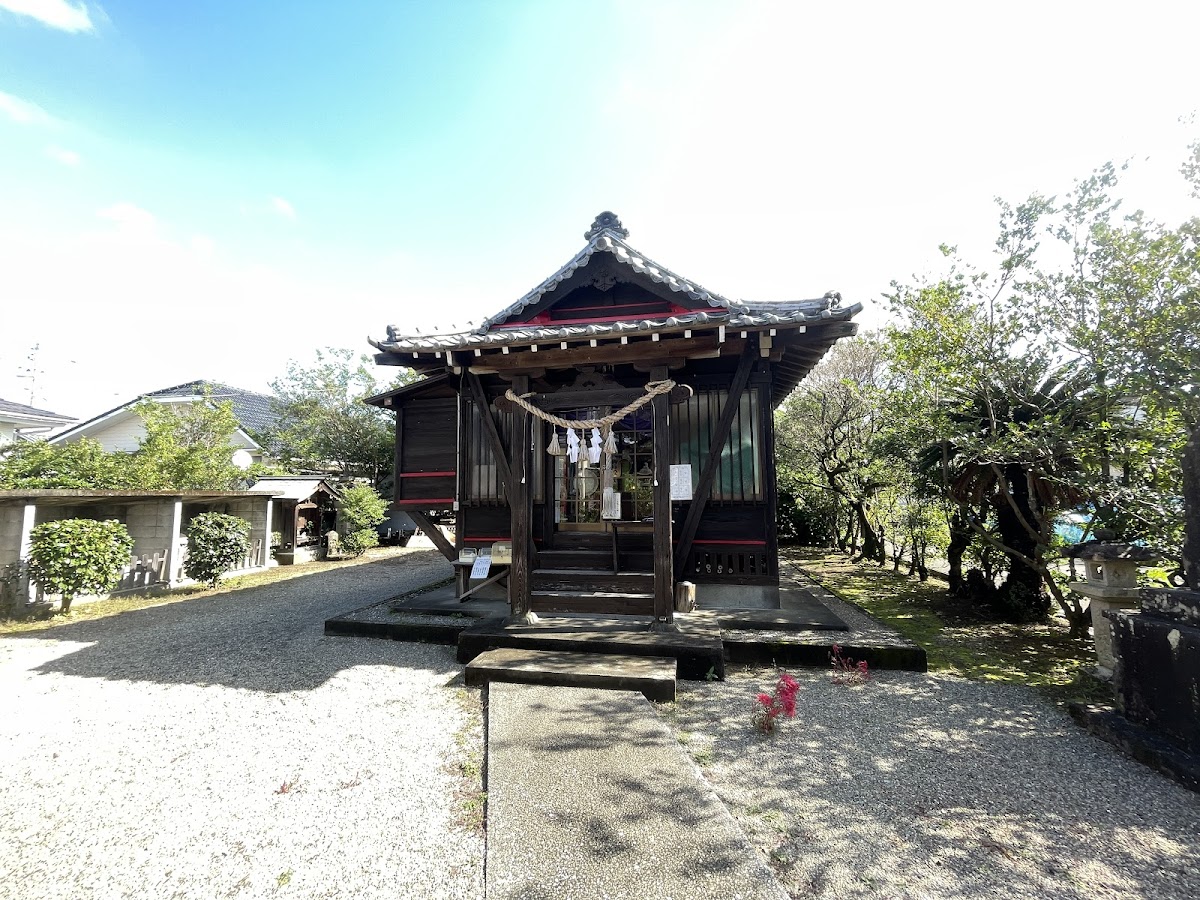
The shrine building of Iwagase Suijin Shrine is constructed in the Nagare-zukuri style, a traditional Japanese shrine architecture. Nagare-zukuri is characterized by its elegant shape with a long, extended roof, and is a style adopted by many shrines throughout Japan.
Despite being located in a residential area, the shrine maintains a tranquil atmosphere, inviting visitors into a sacred space.
Shrine Grounds and Environment
Although the shrine grounds are currently surrounded by residential areas, it is imagined that they were once closer to the waterfront of the Oyodo River, creating an environment more closely connected to water. While the surrounding environment has changed significantly due to urbanization, the shrine continues to exist as a spiritual center for the community.
Within the grounds is a subsidiary shrine of Tachibana Inari Daimyojin, which, along with the main shrine, attracts the faith of the local community.
Benefits of Iwagase Suijin Shrine
Protection from Water Disasters and Safe Voyages
As a shrine dedicated to the water god, it is believed to offer protection from water disasters and safe voyages. It has a long history of being revered by shipowners and sailors, and worshippers visit to pray for safety at sea.
Agricultural Prosperity and Abundant Harvests
Due to its history as a shrine located at the water inlet of an irrigation system, it has traditionally been believed to bring agricultural prosperity and abundant harvests. The enshrinement of Ukanomitama-no-kami further strengthens these divine blessings. ### Purification of Sins and Impurities, and Protection from Misfortune
Through the divine virtues of Hayaakitsuhime-no-Mikoto, it is believed that this shrine offers the benefit of purifying various sins and impurities and warding off misfortune. The power of pure water purifies the mind and body, guiding you to live life with a renewed spirit.
Business Prosperity and Family Safety
Through the divine virtues of Ukanomitama-no-Kami, the Inari deity, you can also expect benefits of business prosperity and family safety. As a god who protects all aspects of life, this deity will grant a wide range of wishes.
Nearby Attractions and Related Spots
The Scenery of the Oyodo River
The Oyodo River, located close to Iwagase Suijin Shrine, is a representative river of Miyazaki City. A promenade is maintained along the river, allowing you to enjoy a stroll. Before or after visiting the shrine, why not take a look at the flow of the Oyodo River, which has also been the setting for myths?
Shrines Related to Awagihara
Several shrines related to the legend of Awagihara exist in Miyazaki City. Eda Shrine and Miyazaki Jingu Shrine are also known as places associated with mythology. Visiting them together with Iwagase Suijin Shrine allows you to experience the mythological world of Miyazaki more deeply.
Tourist Spots in Miyazaki City
The area around Miyazaki Station is the central area of the city, including the Miyazaki Prefectural Government building and Tachibana Street. Incorporating a visit to Iwagase Suijin Shrine as part of your Miyazaki city sightseeing allows you to efficiently enjoy the charms of Miyazaki.
Etiquette and Manners for Worship
Basic Worship Etiquette
- Bow Before the Torii Gate: Before entering the shrine grounds, bow before the torii gate to inform the gods that you are entering the sacred area.
- Purify at the Water Basin: If there is a water basin, purify your left hand, then your right hand, and then your mouth.
- Worship at the Main Hall: The basic procedure is two bows, two claps, and one bow. Bow deeply twice, clap twice, and finally bow deeply once.
- Bow Upon Exit: When leaving the shrine grounds, turn around and bow once after passing through the torii gate.
Mindset During Worship
Shrines are sacred places. Worship quietly and with respect. When taking photographs, be considerate of other worshippers.
Summary of the Charms of Iwagase Suijin Shrine
Iwagase Suijin Shrine, located in a residential area of Miyazaki City, is a shrine with a deep history dating back to the mythological age of the Kojiki. It has been cherished by the local people as a center of water deity worship that has flourished thanks to the blessings of the Oyodo River, and as the setting for the myth of “Tachibana no Odo no Awagihara.”
By combining the characteristics of a water god, an agricultural god, and an Inari god, this shrine bestows diverse blessings, including protection from water-related disasters, agricultural prosperity, and business success. Furthermore, it boasts a modern anecdote: its deity is enshrined on a Japan Maritime Self-Defense Force destroyer, reflecting the continuous history of faith from ancient times to the present.
Its convenient location, within walking distance of Miyazaki Station, is another attractive feature. When visiting Miyazaki, be sure to visit this historic shrine and experience the sacred atmosphere that has continued since the age of mythology. As you offer your prayers in the tranquil grounds, your heart will be cleansed along with the flowing waters of the Oyodo River.
Experiencing Miyazaki’s Mythological Culture
Visiting Iwagase Suijin Shrine is more than just a tourist spot visit. It is a valuable opportunity to touch upon the origins of Japanese mythology and experience the tradition of water god worship that has continued since ancient times.
Miyazaki Prefecture is known as the “homeland of mythology,” and is dotted with many legendary sites described in the Kojiki and Nihon Shoki. Iwagase Suijin Shrine is one such example, playing a vital role in preserving Miyazaki’s mythological and cultural heritage.
Even in today’s increasingly urbanized world, the fact that such historic shrines are carefully preserved within their communities demonstrates Japan’s cultural richness. Through worship, we can feel the faith, reverence for nature, and strong community bonds that our ancestors cherished.
When visiting Miyazaki, be sure to stop by Iwagase Suijin Shrine and experience this sacred space that has been preserved through the passage of time. The time spent quietly offering prayers and expressing gratitude for the blessings of the Oyodo River will surely add profound meaning to your journey.