Complete Guide to Eda Shrine (Miyazaki Prefecture, Miyazaki City) | The Birthplace of Misogi and a Sacred Site in Japanese Mythology
Eda Shrine, located in Awagihara-cho, Miyazaki City, Miyazaki Prefecture, is an ancient shrine known as the sacred site where Izanagi-no-Mikoto performed a purification ritual after returning from the underworld in Japanese mythology. As the “birthplace of misogi” and the “birthplace of Shinto prayers,” it has become a power spot attracting many worshippers from all over Japan.
This article comprehensively introduces information you should know before visiting Eda Shrine, including its history, enshrined deities, highlights of the grounds, festivals and events, and access methods.
History and Origins of Eda Shrine
An Ancient Shrine Recorded in the Engishiki
While the exact founding date of Eda Shrine is unclear, its history is extremely old, as it is mentioned in the Engishiki Jinmyocho (a list of shrines compiled in the early 10th century, in the 5th year of the Engi era, 927 AD). It is one of the four shrines in Hyuga Province listed in the Engishiki, and its former rank was a prestigious prefectural shrine.
The Engishiki is a legal code compiled during the Heian period, recording shrines throughout the country that were considered important by the imperial court at the time. The inclusion of Eda Shrine in this list indicates that it was a historically significant shrine recognized by the imperial court at least 1000 years ago.
Deep Connections to Japanese Mythology
Eda Shrine is particularly important because it is the setting for myths recorded in the Kojiki and Nihon Shoki, Japan’s oldest historical texts.
The Kojiki mentions “Tsukushi no Himuka no Tachibana no Odono Awakigahara,” and the Nihon Shoki mentions “Tsukushi no Himuka no Odono Tachibana no Awakigahara.” This “Awakigahara” is believed to be the area around the present-day Eda Shrine.
It is a sacred site, considered the origin of Japanese purification rituals, as it is where Izanagi-no-Mikoto performed a purification ritual to cleanse his body after being defiled in the underworld.
Origin of the Name of Eda Shrine
There are various theories regarding the origin of the shrine’s name, “Eda,” but it is thought to derive from the fact that this area has been called “Eda” since ancient times. Furthermore, the place name Awakigahara still exists today as Awakigahara-cho in Miyazaki City, allowing us to feel the continuity of place names from the age of mythology.
Deities and Divine Virtues
Main Deity: Izanagi-no-Mikoto
The main deity of Eda Shrine is Izanagi-no-Mikoto. Izanagi-no-Mikoto is the god of creation who gave birth to the land of Japan and countless other gods, and is one of the most important gods in Japanese mythology.
Together with his wife, Izanami-no-Mikoto, they are considered the first divine couple in Japan, and together they created the land and many gods. However, Izanami-no-Mikoto died after giving birth to the god of fire and went to the underworld.
Izanagi-no-Mikoto went to the underworld to retrieve his wife, but upon seeing her transformed appearance, he fled back and performed a purification ritual at Awagihara to cleanse himself of the defilement. It is said that during this purification ritual, the three noble children—Amaterasu Omikami, Tsukuyomi no Mikoto, and Susanoo no Mikoto—were born.
Enshrined Deities
Along with Izanagi no Mikoto, the following deities are also enshrined at Eda Shrine:
- Izanami no Mikoto: The wife of Izanagi no Mikoto
- Amaterasu Omikami: The supreme deity who governs the sun
- Tsukuyomi no Mikoto: The god who governs the moon
- Susanoo no Mikoto: The god who governs the seas
Eda Shrine, where these deities gather together, can truly be called the central stage of Japanese mythology.
Divine Virtues (Benefits)
The divine virtues of Eda Shrine are diverse:
- Matchmaking and Marital Harmony: As it enshrines Japan’s first married couple deities, many visitors come to pray for successful relationships and marital harmony.
- Protection from Evil and Good Fortune: As a sacred place of purification, it is believed to have the power to cleanse and purify impurities.
- Family Safety and Prosperity of Descendants: As the deity of creation, it offers blessings for the safety and prosperity of families.
- Purification of Mind and Body: As the birthplace of misogi (ritual purification), it bestows the power to purify mind and body and make a fresh start.
Highlights of the Shrine Grounds
Misogi Pond (Miike)
A must-see when visiting Eda Shrine is the Misogi Pond, located just a few minutes’ walk from the shrine grounds. Officially called “Miike,” it is a sacred pond where Izanagi-no-Mikoto is said to have performed his purification ritual.
Nestled in a tranquil space surrounded by lush trees, Misogi Pond is a circular pond approximately 15 meters in diameter, still holding pure water. A walking path surrounds the pond, creating a mystical atmosphere that evokes a world of mythology.
Since ancient times, it has been believed that purifying oneself with the water of this pond cleanses sins and impurities, and even today, the water is believed to possess special purifying powers.
Shrine and Worship Hall
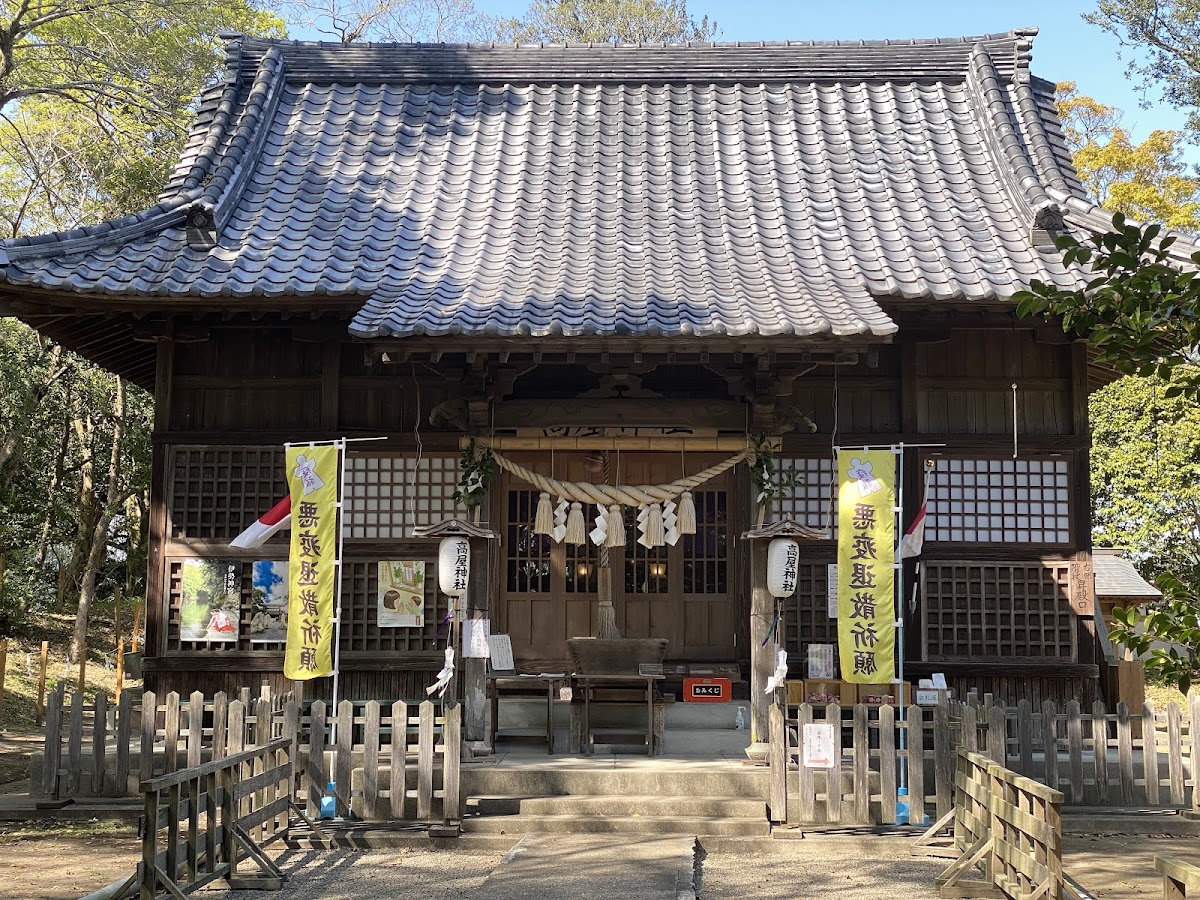
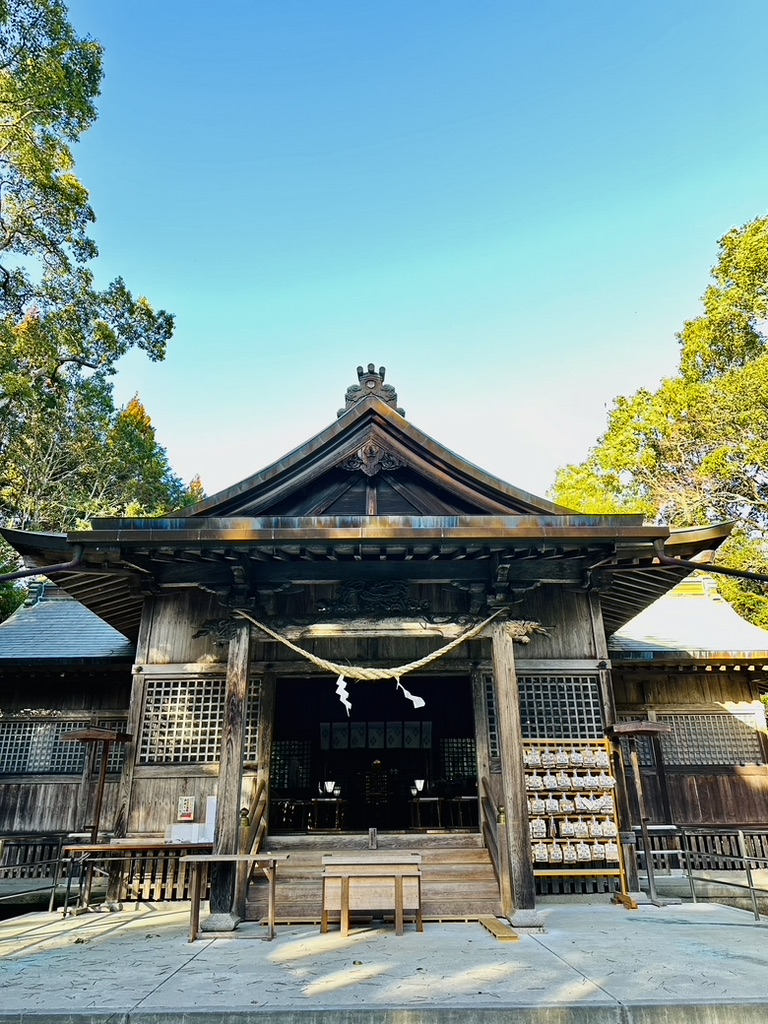
The shrine of Eda Shrine is a simple yet solemn wooden structure. A magnificent shimenawa (sacred rope) hangs in front of the worship hall, welcoming visitors.
The shrine grounds are meticulously maintained, and a refreshing atmosphere permeates the air. Visiting early in the morning, in particular, allows one to feel the sacred atmosphere more deeply in the silence.
Sacred Trees and Nature of the Shrine Grounds
Through the shrine grounds are giant trees, some estimated to be hundreds of years old, telling the story of its long history. The shrine grounds are particularly rich in evergreen trees such as camphor trees and sakaki trees, allowing visitors to enjoy a lush green landscape throughout the year.
The nature within the shrine grounds, which displays different expressions with each season, soothes the hearts of visitors. Spring brings fresh greenery, summer deep green, autumn leaves, and winter crisp air—each season offers its own unique beauty.
Monument to the Origin of Shinto Prayers
A stone monument marking the “birthplace of Shinto prayers” stands within the shrine grounds. This is because the words chanted by Izanagi-no-Mikoto during his purification ritual are considered the origin of Shinto prayers.
The historical fact that the prototype of the prayers recited at shrines today originated in this place demonstrates the extremely important position that Eda Shrine occupies in Japanese religious culture.
Festivals and Annual Events
Eda Shrine holds various festivals throughout the year.
Grand Festival
The Grand Festival, held every autumn, is the most important festival at Eda Shrine. Parishioners and devotees gather to offer gratitude and prayers to Izanagi-no-Mikoto. Kagura (sacred dance) performances are also held, providing a valuable opportunity to experience traditional Shinto rituals.
New Year’s Day Festival
The New Year’s Day Festival is held on January 1st, marking the arrival of the new year. Many visitors come for their first shrine visit of the year, praying for good health and safety for their families in the new year. As the birthplace of misogi (purification ritual), this shrine is ideal for welcoming the new year with a refreshed spirit.
Monthly Festivals
Monthly festivals are held on the 1st and 15th of each month, where prayers for daily peace and gratitude are offered to the gods. Regular visits allow for a deeper connection with the deities.
Summer Purification Ceremony
The Summer Purification Ceremony (Nagoshi no Oharae) is held on June 30th. This Shinto ritual purifies the sins and impurities accumulated over the past six months and prays for good health for the remaining half of the year. The Great Purification Ceremony at Eda Shrine, the birthplace of misogi (ritual purification), is considered to hold special significance.
About Amulets and Talismans
Amulets (Talismans)
Eda Shrine offers amulets to be placed on the household altar. These amulets, from the birthplace of misogi, are believed to bring a pure atmosphere to the home and protect the family.
Types of Amulets
Eda Shrine offers various amulets:
- Matchmaking Amulet: For those wishing for a good match and marital harmony
- Exorcism Amulet: To ward off misfortune and bring good fortune
- Health Amulet: To protect physical and mental health
- Traffic Safety Amulet: To pray for a safe journey
- Academic Success Amulet: To pray for academic improvement
The matchmaking amulet, in particular, is popular as it is from a shrine that enshrines Japan’s first married couple deities, and is received by many couples and those seeking good relationships. ### Goshuin (Shrine Seal)
Eda Shrine offers Goshuin as proof of worship. The Goshuin, bearing the words “Birthplace of Misogi (purification ritual),” will be a valuable keepsake for those visiting shrines.
Bring your Goshuincho (seal book) to the shrine office during their reception hours, and they will carefully write the seal for you.
Access and Transportation Information
Location
127 Sanbo, Awagihara-cho, Miyazaki City, Miyazaki Prefecture 880-0835
Access by Public Transportation
By Bus
- From Miyako City: Approximately 40 minutes by bus bound for Miyazaki City Phoenix Zoo, get off at the “Eda Shrine” bus stop, and it’s a short walk.
- From Miyazaki Station: Approximately 20 minutes by bus bound for Miyazaki City Phoenix Zoo from Miyazaki Station Bus Terminal, get off at the “Eda Shrine” bus stop.
Since bus services are limited, it is recommended to check the timetable in advance.
Access by Car
From Miyazaki City Center
- Approximately 15 minutes by car from Miyazaki Station
- Head south on National Route 220 towards Awagihara
Using the Expressway
- Approximately 20 minutes by car from Miyazaki IC on the Miyazaki Expressway
- Easily accessible from the city center via the Hitotsuba Toll Road “North Line”
From Miyazaki Airport
- Approximately 25 minutes by car
- Convenient access via the Hitotsuba Toll Road
Parking
Eda Shrine has a free parking lot for visitors. There is space for approximately 30 regular cars, and parking for large vehicles is also available.
During busy periods such as New Year’s Day and the annual festival, the parking lot may be full, so it is recommended to visit with plenty of time to spare.
Combining with Nearby Facilities
The following facilities are located near Eda Shrine:
- Miyazaki City Phoenix Zoo: Approximately 5 minutes by car
- Misogi Goten: A rest facility adjacent to Misogi Pond
- Aoshima: Approximately 15 minutes by car; Aoshima Shrine, famous as a god of matchmaking
- Phoenix Seagaia Resort: Approximately 10 minutes by car
By combining your visit with sightseeing and leisure activities, you can enjoy the charm of Miyazaki even more deeply.
Etiquette and Manners for Visiting a Shrine
Basic Etiquette for Visiting a Shrine
Visiting Eda Shrine follows the same etiquette as for any other shrine:
- Bow before passing through the torii gate: Show respect to the sacred area before entering the grounds.
- Purify yourself at the water basin: Purify your left hand, right hand, and mouth in that order.
- Bow twice, clap twice, and bow once in front of the main hall: Bow deeply twice, clap twice, and finally bow once.
- Bow again at the torii gate when leaving: Express gratitude to the gods.
Precautions When Visiting the Misogi Pond
The Misogi Pond is a sacred place. Please observe the following points:
- Refrain from touching the water in the pond.
- Avoid loud conversations.
- Always take your trash with you.
- Be considerate of others when taking photographs.
Appropriate Attire for Visiting a Shrine
There are no particularly strict dress code regulations, but it is desirable to wear clothing that reflects the sacred nature of the place. Please avoid revealing or overly flashy clothing and dress in a clean and presentable manner when visiting the shrine.
To fully enjoy the charm of Eda Shrine
Recommended visiting times
Eda Shrine can be visited at any time during the day, but there are particularly recommended times:
- Early morning (around 7:00-8:00): There are fewer people, and you can enjoy the sacred atmosphere in silence.
- Morning (around 9:00-11:00): You can visit at your leisure in the refreshing air.
- Evening (around 16:00-17:00): The setting sun illuminates the shrine grounds, creating a magical atmosphere.
Recommended seasons
Eda Shrine offers beautiful scenery throughout the four seasons, but the most recommended seasons are:
- Spring (March-May): The fresh greenery is beautiful, and you are enveloped in refreshing air.
- Autumn (October-November): The autumn leaves color the shrine grounds, and the annual festival is also held.
- New Year’s Visit (January 1st-3rd): Many worshippers visit to offer prayers for the new year.
Estimated Time to Visit
If you plan to visit Eda Shrine and Misogi Pond at a leisurely pace, allow approximately 1 to 1.5 hours. If you plan to take photos or stroll around the grounds, it is recommended to allow even more time.
Eda Shrine and Miyazaki’s Mythology and Culture
The Center of Hyuga Mythology
Miyazaki Prefecture is known as the setting for “Hyuga Mythology,” and is the stage for many myths appearing in the *Kojiki* and *Nihon Shoki*. Eda Shrine holds a particularly important position among these sacred sites.
Nearby Mythological Sites
Starting from Eda Shrine, a “Mythological Pilgrimage” visiting Miyazaki’s mythological sites is also popular:
- Aoshima Shrine: The setting of the myth of Yamasachihiko and Toyotamahime
- Udo Shrine: The birthplace of Ugayafukiaezu-no-Mikoto, son of Yamasachihiko
- Takachiho: A mythical village known as the site of the descent of the heavenly grandchild
Combining these sites allows for a deeper understanding of the worldview of Japanese mythology.
Mythological Storyteller Guides
Miyazaki City also offers guided tours led by “mythological storytellers.” Visiting Eda Shrine and Misogi Pond with a professional guide allows you to learn more about the background and history of the myths.
Tours are also organized at Phoenix Seagaia Resort and other locations, allowing you to enjoy them in combination with sightseeing.
Summary: Purifying Mind and Body at the Birthplace of Misogi
Eda Shrine is a venerable ancient shrine with over 1000 years of history, serving as an important stage in Japanese mythology and the birthplace of misogi (ritual purification). As a sacred site where Izanagi-no-Mikoto performed his purification ritual, many people still visit today to pray for purification of mind and body, and for success in relationships.
The sacred misogi pond, the solemn shrine buildings, and the grounds surrounded by abundant nature create a special space that allows you to forget the hustle and bustle of everyday life. When you visit Miyazaki, be sure to visit Eda Shrine and experience the world of Japanese mythology and its sacred atmosphere.
When you want to make a new start, when you reach a turning point in your life, or when you want to purify your heart—Eda Shrine will always warmly welcome you.
Visiting Information
- Visiting Hours: Open all day (Shrine office open from 9:00 to 17:00)
- Admission Fee: Free
- Parking: Free (approx. 30 spaces)
- Inquiries: Eda Shrine Office
- Address: 127 Sanbo, Awagihara-cho, Miyazaki City, Miyazaki Prefecture 880-0835
Enjoy a special worship experience at Eda Shrine, where the myths and history of Miyazaki City come alive.