Complete Guide to Itsukishima Shrine (Nagasaki City, Nagasaki Prefecture) | History, Deities, Access, and Benefits Explained in Detail
Itsukishima Shrine, located in Higashi-Kotohira, Nagasaki City, is a historic shrine affectionately known locally as “Konpira-san.” Founded during the Genroku era by the lord of the Omura domain, this shrine enshrines the Munakata Three Goddesses, guardians of the sea, and Kotohira-gu, and has continuously watched over Nagasaki’s maritime transport and the peace and prosperity of the region.
This article comprehensively introduces all the information you need to know before visiting Itsukishima Shrine, including its detailed history, the origins of its deities, benefits, highlights within the grounds, and access methods.
Basic Information about Itsukishima Shrine
Official Name: Itsukishima Shrine
Common Name: Konpira-san, Benten Shrine
Location: 1-16-1 Higashi-Kotohira, Nagasaki City, Nagasaki Prefecture 850-0932
Former Shrine Rank: Village Shrine
Founded: Genroku 4 (1691)
Annual Festival Date: October 10th
Deities Enshrined:
- Tagirihime-no-Mikoto
- Ichikishima-hime-no-Mikoto
- Tagitsuhime-no-Mikoto
- Omononushi-no-Okami
- Emperor Sutoku
History and Origins of Itsukishima Shrine
History of its Founding
The history of Itsukishima Shrine dates back to 1691 (Genroku 4). It is believed to have begun when Omura Suminaga, the fourth lord of the Omura Domain at the time, enshrined Benzaiten at Michieizaki, at the foot of Mt. Mōzan in Ōura-gō, Tomachi Village.
The Omura Domain ruled the southern region of Nagasaki, a region where maritime transport and fishing flourished. It is thought that the lord invited Benzaiten (a deity identified with Ichikishimahime-no-Mikoto), the guardian deity of the sea, to pray for the safety of his people at sea and for a bountiful catch.
From Benten Shrine to Itsukishima Shrine
Initially known as “Benten Shrine,” it was renamed “Itsukishima Shrine” due to the Meiji-era separation of Shinto and Buddhism, changing its name from the Buddhist-tinged “Benzaiten” to the Shinto-style “Itsukishima Shrine.”
The name “Itsukishima” shares the same etymology as Itsukushima Shrine in Hiroshima Prefecture, meaning “an island where gods are worshipped.” This name is fitting for a shrine whose principal deity is Ichikishimahime-no-Mikoto, giving it a dignified status.
Relationship with Kotohira-gu Shrine
Itsukishima Shrine is called “Konpira-san” because it enshrines Kotohira-gu Shrine. The principal deity of Kotohira-gu Shrine, Omononushi-no-Okami, is also enshrined there, and it has been revered by local sailors and fishermen as a guardian deity of maritime traffic.
From the Edo period to the Meiji period, Nagasaki developed into one of Japan’s leading port cities. For those involved in the shipping industry, “Konpira-san,” where prayers for safe voyages were offered, held a special significance, and Itsukishima Shrine became one of the centers of Kotohira worship in Nagasaki.
Development Since the Modern Era
Under the Meiji era’s shrine ranking system, Itsukishima Shrine was ranked as a village shrine. As the local guardian deity, it continues to attract the faith of residents, primarily in the Higashi-Kotohira area.
While records from the pre-war and wartime periods are limited, Nagasaki City was devastated by the atomic bombing, and Itsukishima Shrine may have also been affected by the war. However, it was rebuilt with the post-war reconstruction and continues to function as a spiritual pillar for the community.
Deities and Benefits
Munakata Three Goddesses
The central deities enshrined at Itsukishima Shrine are the three goddesses known as the Munakata Three Goddesses.
Tagirihime-no-Mikoto
The eldest of the Munakata Three Goddesses, her name means “Goddess who creates fog.” She presides over safe voyages, especially protection from fog and bad weather.
Ichikishima-hime no Mikoto
The second daughter of the Munakata Three Goddesses, and the principal deity of Itsukishima Shrine. Known as the goddess of beauty and performing arts, she has been syncretized with Benzaiten. She is also the principal deity of Itsukushima Shrine in Hiroshima, and the name “Itsukishima” is derived from her.
Tagitsuhime no Mikoto
The third daughter of the Munakata Three Goddesses, she is considered the “goddess who controls the tides.” She is worshipped as the guardian deity of maritime traffic and fishing.
These three goddesses are deities born from the oath (ukei) between Amaterasu-ōmikami and Susanoo-no-Mikoto, as recorded in the Kojiki and Nihon Shoki, and have been revered since ancient times as guardian deities of the sea and gods of safe voyages.
Ōmononushi-no-Ōkami
Ōmononushi-no-Ōkami, the principal deity of Kotohira-gū Shrine, is considered either another name for Ōkuninushi-no-Mikoto or his benevolent spirit (nigimitama).
Known as the guardian deity of maritime traffic, he is also believed to grant a wide range of blessings, including business prosperity, abundant harvests, and healing from illness. Especially during the Edo period, “Konpira pilgrimages” became extremely popular among common people, and Kotohira worship spread throughout Japan.
Emperor Sutoku
Emperor Sutoku was a tragic emperor who was defeated in the Hōgen Rebellion and exiled to Sanuki (present-day Kagawa Prefecture). He is enshrined alongside Ōmononushi-no-Ōkami at Kotohira-gū Shrine and is also enshrined at Itsukishima Shrine.
While feared as a vengeful spirit, he also possessed exceptional talent in waka poetry, and in later generations, he came to be worshipped as a god of learning and performing arts.
Main Benefits
At Itsukishima Shrine, you can expect the following benefits:
- Maritime Safety and Navigation: Protection of the sea by the Munakata Three Goddesses and Omononushi-no-Okami
- Traffic Safety: Safety of travel in a broad sense, including land travel
- Business Prosperity: Development of commerce through Kotohira faith
- Fishing Prosperity: Prayers for a bountiful catch by the god of the sea
- Improvement in Performing Arts: Improvement of artistic and musical talent by Ichikishimahime-no-Mikoto
- Matchmaking and Good Relationships: Smooth interpersonal relationships by the goddess of beauty
- Healing from Illness: Prayers for good health by Omononushi-no-Okami
Highlights of the Shrine Grounds
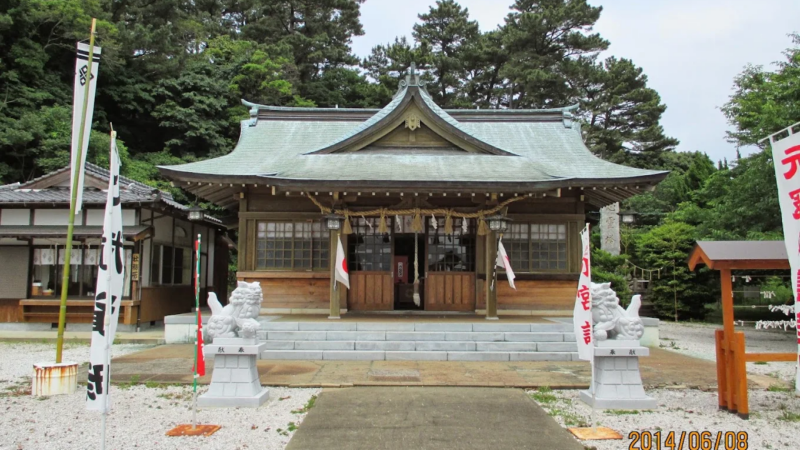
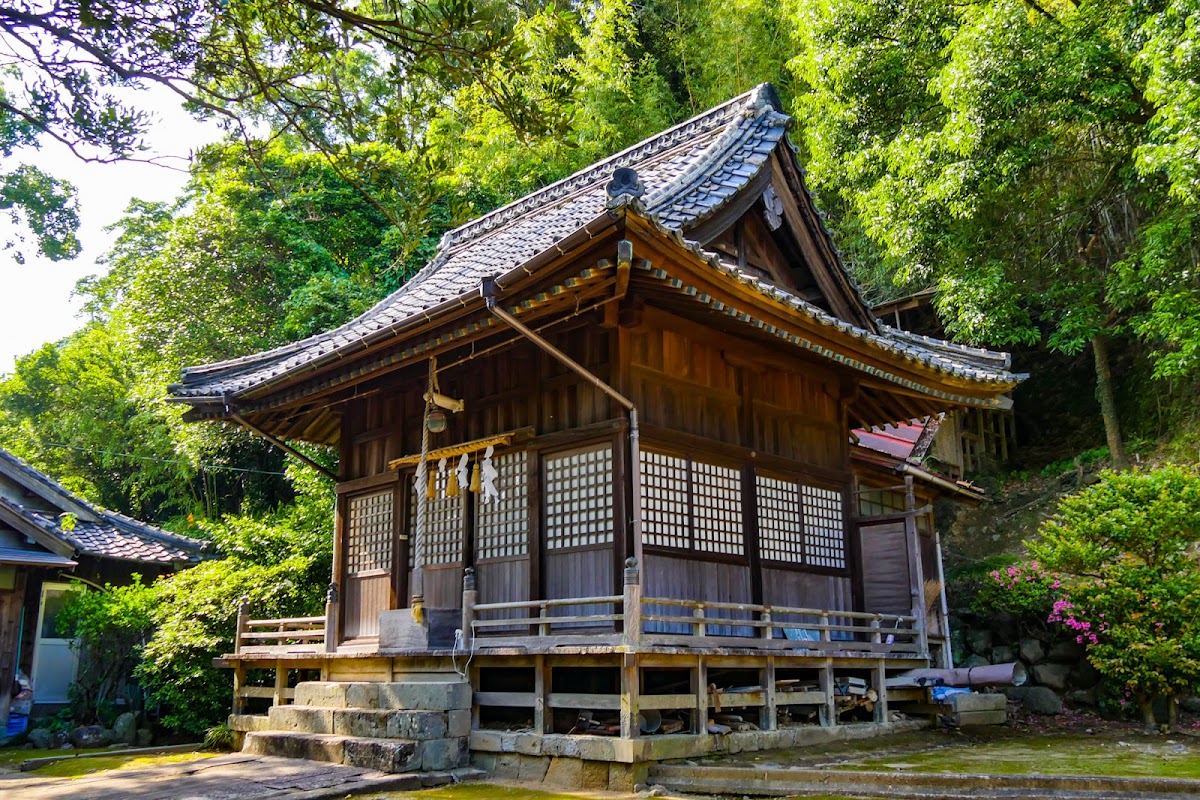
Main Hall and Worship Hall
The main hall of Itsukishima Shrine is a traditional shrine building constructed to suit the topography of Nagasaki. As the place name Higashi-Kotohira suggests, this area is characterized by its undulating terrain, and the shrine grounds are laid out to take advantage of the differences in elevation.
At the main hall, worship is conducted using the same ritual as at any other shrine: two bows, two claps, and one bow. Those working in maritime-related fields, or those who travel frequently, may wish to pray for safe voyages and safe travels.
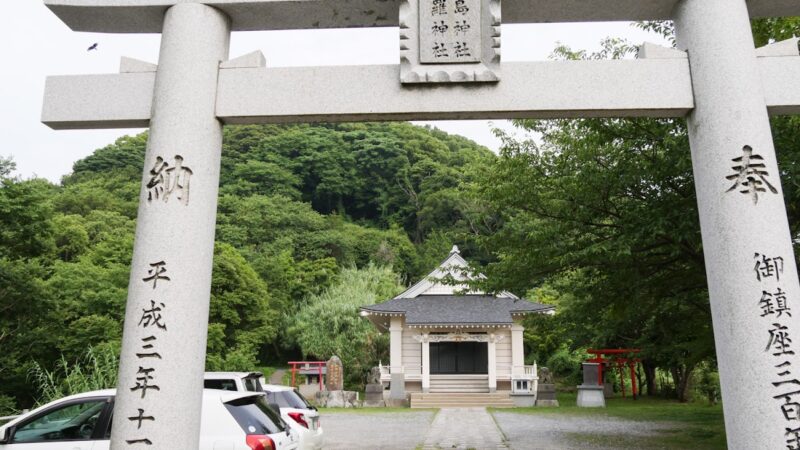
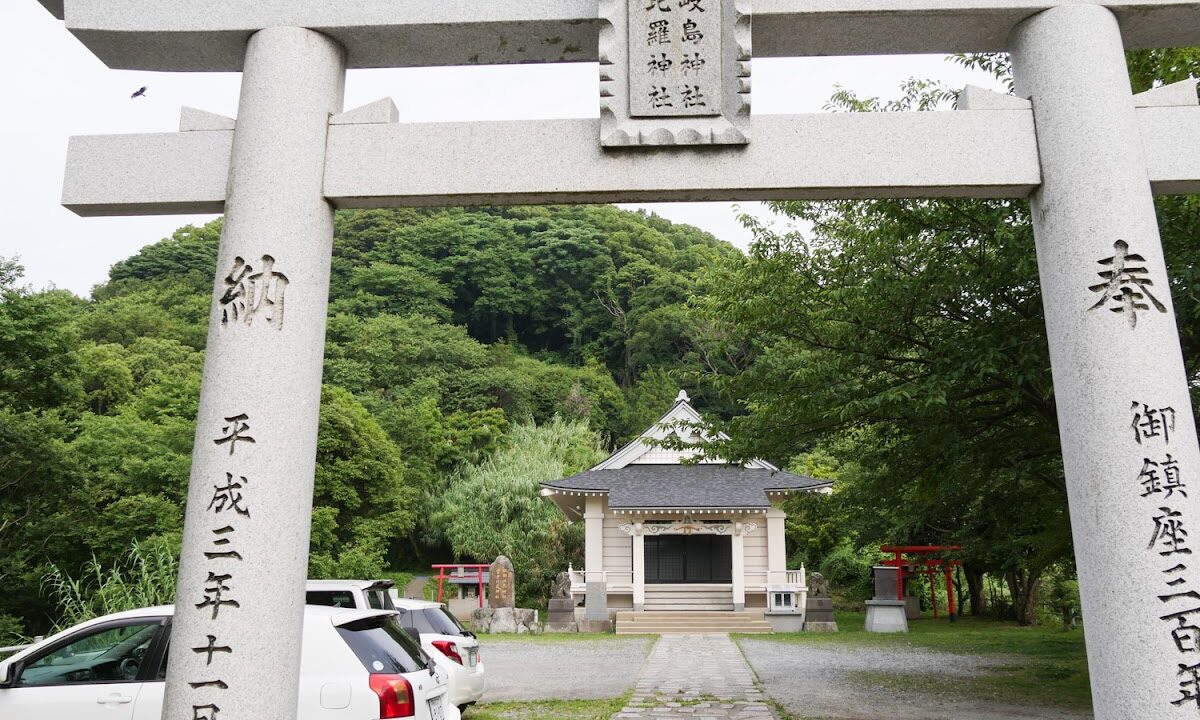
Shrine Name Marker and Torii Gate
At the entrance to the shrine grounds stands a signpost for “Itsukishima Shrine” and a torii gate. The proper etiquette for worship is to bow slightly before passing through the torii gate.
Water Basin
Before worship, purify your body and mind at the water basin. The proper procedure is as follows:
- Take the ladle with your right hand and purify your left hand.
- Switch the ladle to your left hand and purify your right hand.
- Switch the ladle back to your right hand, receive water in your left hand, and rinse your mouth.
- Purify your left hand once more.
- Hold the ladle upright, purify the handle, and return it to its original position.
Shrines within the Precincts and Subsidiary Shrines
Itsukishima Shrine may have subsidiary shrines and minor shrines in addition to the main shrine. When visiting, be sure to look out for these smaller shrines as well.
Annual Events and Festivals
Grand Festival (October 10th)
The most important annual event at Itsukishima Shrine is the Grand Festival, held every year on October 10th. A Shinto ritual is performed to commemorate the founding of the shrine and to express gratitude to the enshrined deities.
Local parishioners and devotees gather, and sometimes Kagura (sacred dance) is performed and a Naorai (feast) is held. This festival is a deeply rooted local tradition and a quintessential autumn event in Nagasaki.
First Shrine Visit of the New Year (January 1st-3rd)
The first shrine visit of the new year is an important event to pray for safety and peace throughout the year. Many worshippers visit Itsukishima Shrine from New Year’s Day onwards.
Those involved in the shipping and fishing industries, in particular, often choose Itsukishima Shrine as their first shrine visit of the new year to pray for safe voyages throughout the year.
Other Annual Events
- Setsubun Festival (around February 3rd): A ritual of bean-throwing to ward off evil and pray for good fortune.
- Summer Purification Ceremony (June 30th): A Shinto ritual to cleanse away the sins and impurities accumulated over the past six months.
- Shichi-Go-San Festival (around November 15th): A visit to celebrate the growth of children.
- Year-End Purification Ceremony (December 31st): A ceremony to cleanse away the sins and impurities accumulated over the past year and prepare for the New Year.
Please note that the specific dates and content of these events may vary from year to year. It is recommended to check with the shrine before visiting.
Access and Transportation Information
Location
Address: 1-16-1 Higashi-Kotohira, Nagasaki City, Nagasaki Prefecture 850-0932
Access by Public Transportation
Nagasaki Electric Tramway (Streetcar)
The nearest tram stops are “Oura Church” or “Ishibashi”. It’s about a 10-15 minute walk from there.
- From Nagasaki Station: Take the No. 5 tram bound for “Ishibashi” and get off at “Oura Church” or “Ishibashi”.
- Travel time: Approximately 15-20 minutes
- Fare: 140 yen (as of 2024)
Nagasaki Bus
The nearest bus stops are “Higashi-Kotohira” or “Kotohira-machi”.
- From Nagasaki Station: Take a bus bound for Oura/Ogakura.
- Travel time: Approximately 20 minutes
- Fare: Around 150 yen (as of 2024)
Bus routes and timetables may change, so please check the latest information on the Nagasaki Bus official website or a transfer guide app.
Access by Car
From Nagasaki City Center
Head south on National Route 499 towards Oura/Ogakura. Follow the signs near the Higashi-Kotohira intersection. Travel time is approximately 15-20 minutes.
From the Nagasaki Expressway
Approximately 30 minutes from Nagasaki IC via National Route 34 and National Route 499.
Parking
We recommend contacting the shrine in advance regarding the availability and number of spaces in their dedicated parking lot. There may be coin-operated parking lots nearby, but the number of spaces may be limited.
During peak seasons such as New Year’s Day and the annual festival, using public transportation is recommended.
Nearby Tourist Attractions
Numerous of Nagasaki’s most famous tourist attractions are located around Itsukishima Shrine.
Oura Church
The oldest existing Christian building in Japan and a component of the World Heritage Site “Hidden Christian Sites in the Nagasaki Region.” Approximately a 10-minute walk from Itsukishima Shrine.
Glover Garden
A tourist facility that preserves and relocates the residences of foreign merchants who were active from the late Edo period to the Meiji era. It offers a spectacular view of Nagasaki Port. Approximately a 15-minute walk from Itsukishima Shrine.
Holland Slope
An area where you can enjoy a typical Nagasaki landscape with cobblestone slopes. The exotic atmosphere of the town is a major draw.
Nagasaki Shinchi Chinatown
One of Japan’s three major Chinatowns. You can enjoy authentic Nagasaki flavors such as Nagasaki Champon and Sara Udon. Approximately 10 minutes by car from Itsukishima Shrine.
Manners and Etiquette for Visiting a Shrine
Attire
There are no specific dress code requirements, but clean attire appropriate for a sacred place is desirable. Avoid revealing clothing and overly casual footwear such as sandals.
Basic Etiquette for Visiting a Shrine
- Bow before passing through the torii gate: This is a greeting before entering the shrine grounds.
- Walk along the edge of the path: The center is considered the path for the gods.
- Purify yourself at the water basin: Purify your mind and body according to the etiquette described above.
- Pray at the main hall: Place your offering, ring the bell, bow twice, clap twice, and bow once.
- Bow again upon leaving: Turn around and bow before leaving the torii gate.
Photography
Generally, photography of the shrine grounds is permitted, but please refrain from taking photos inside the main hall or during Shinto rituals. If you are unsure, please check with the shrine office.
Amulets and Goshuin (Shrine Seals)
During the hours the shrine office is open, you may be able to obtain amulets and goshuin. However, as it is a small shrine, they may not always be available.
When requesting a goshuin, bring your goshuincho (seal book) and politely ask at the shrine office after your visit. Remember that a goshuin is “proof of worship,” not a stamp rally.
The Significance of Itsukishima Faith in Nagasaki
Nagasaki, a Maritime City, and the God of the Sea
Nagasaki has long been a port city that developed as a window for exchange with the outside world. Even under the Edo period’s isolationist policy, trade with the Netherlands and China took place through Dejima, playing a significant role in Japan’s modernization.
In such a maritime city, the Munakata Three Goddesses and Kotohira faith, which protect maritime safety, hold special significance. Itsukishima Shrine has played an important role as a spiritual pillar for people involved in Nagasaki’s shipping and fishing industries.
The Relationship Between the Omura Domain and Nagasaki
The Omura Domain, which founded Itsukishima Shrine, was ruled by the Omura clan, known for the Christian daimyo Omura Sumitada. While Christianity spread during Sumitada’s time, the Edo period saw a resurgence of Shinto and Buddhist beliefs due to the ban on Christianity.
The shrine’s founding in 1691 (Genroku 4) falls precisely during this period. The Omura lord’s enshrinement of Benzaiten is thought to have served not only to provide a place of worship for the people but also to have political significance, such as praying for the safety of maritime traffic.
As a Center of the Local Community
Even today, Itsukishima Shrine remains a central presence in the Higashi-Kotohira community. Annual events such as the grand festival and New Year’s visits provide opportunities for local residents to gather and deepen their bonds.
In today’s increasingly urbanized society, the role played by such local shrines transcends mere places of worship; they become the core of regional identity.
Important Points to Note When Visiting Itsukishima Shrine
Visiting Hours
While entry to the shrine grounds is generally possible during the daytime, the opening hours of the shrine office may be limited. Those wishing to obtain a Goshuin (shrine stamp) or amulet are advised to check in advance.
Contact Information
The most reliable way to contact the shrine is either by visiting directly or through the Nagasaki City Shrine Association. Contact information such as phone numbers may change, so please check the latest information on the Nagasaki City or Nagasaki Prefecture Shrine Association websites.
Accessibility Information
Nagasaki City is known for its hilly terrain, and the area around Itsukishima Shrine is also uneven. Those using wheelchairs or with mobility issues are advised to check the condition of the shrine grounds in advance.
Weather Considerations
Nagasaki is a region with high rainfall. Especially during the rainy season and typhoon season, the ground can be slippery, so please choose appropriate footwear and check the weather forecast before visiting.
Weather Considerations
Nagasaki is a region with high rainfall. Especially during the rainy season and typhoon season, the ground can be slippery, so please choose appropriate footwear and check the weather forecast before visiting. ## Summary: A Visit to Itsukishima Shrine
Itsukishima Shrine is a historic shrine that has watched over Nagasaki for over 330 years since its founding in 1691. Affectionately known as “Konpira-san,” this shrine, which enshrines the Munakata Three Goddesses, guardians of the sea, and the deities of Kotohira-gu Shrine, conveys a form of faith unique to Nagasaki, a maritime city.
Despite being located near Nagasaki’s representative tourist spots such as Oura Church and Glover Garden, Itsukishima Shrine maintains a quiet and peaceful atmosphere. Why not stop by during your sightseeing and experience the depth of Nagasaki’s history and faith?
Itsukishima Shrine bestows blessings that are relevant to us today, such as maritime safety, traffic safety, and business prosperity. When you visit Nagasaki, be sure to pay your respects and receive the blessings of the enshrined deities.
Although it is a small shrine deeply rooted in the local community, it encapsulates the essence of Japanese Shinto culture and the history of Nagasaki. By respectfully offering prayers and experiencing the tranquil atmosphere of the shrine, you will find peace of mind, far removed from the hustle and bustle of everyday life.
We hope that Itsukishima Shrine in Higashi-Kotohira, Nagasaki City, will become a spiritual haven for everyone, a beacon watching over your life’s journey.