Tomachi Shrine (Nagasaki Prefecture) Complete Guide | History, Benefits, Access, and Goshuin Information – A Thorough Explanation
Tomachi Shrine, located in Tomachi, Nagasaki City, Nagasaki Prefecture, is a historical shrine deeply rooted in the community. Situated on a hill overlooking Nagasaki Port, it welcomes visitors in a tranquil atmosphere. This article provides a detailed introduction to Tomachi Shrine, including its history, enshrined deities and benefits, highlights of the grounds, goshuin information, access methods, and nearby tourist attractions.
About Tomachi Shrine
Tomachi Shrine is located in the Tomachi district of Nagasaki City and has long been cherished as a center of faith for local residents. Tomachi is located in the southern part of Nagasaki Port and has a long history of development as a port town.
Although the shrine is located in a residential area, entering the grounds envelops you in tranquility, creating a healing space that allows you to forget the hustle and bustle of the city. It is visited daily by local residents, and becomes bustling with many visitors during New Year’s and the annual festival.
Historical Background of the Tomachi District
From the Edo period to the Meiji period, Tomachi played an important role as part of Nagasaki Port. Nagasaki was Japan’s only gateway to the West during its period of national isolation, and the Tomachi district developed under its influence.
Even today, Tomachi retains traces of its old townscape, creating a historical atmosphere. Tomachi Shrine, having walked hand-in-hand with the region’s history, is an integral part of the local identity.
History of Tomachi Shrine
While there are various theories regarding the founding date of Tomachi Shrine, it is believed to have been worshipped as the local guardian deity by the mid-Edo period. Like many shrines in Nagasaki, it was built as a place to pray for the safety and prosperity of the local residents.
Tomachi Shrine in the Edo Period
During the Edo period, Nagasaki held a special status as a territory directly controlled by the shogunate. In a time when Christianity was strictly prohibited and faith in Shinto shrines and Buddhist temples was encouraged, Tomachi Shrine played a crucial role as a spiritual pillar for the local residents.
At that time, Tomachi was a thriving center of fishing and shipping, and it is said that many fishermen and sailors visited the shrine to pray for safety at sea.
Changes Since the Meiji Era
Due to the Meiji-era decree separating Shinto and Buddhism, many shrines were forced to undergo significant changes. Tomachi Shrine also underwent a reorganization of its rank during this period and was officially positioned as the local tutelary shrine.
During the atomic bombing of Nagasaki in 1945, the Tomachi area was also damaged, but the shrine miraculously escaped major damage. During the post-war reconstruction period, it became an even more important presence as a spiritual anchor for the local residents.
Tomachi Shrine Today
Today, Tomachi Shrine functions as the local tutelary shrine and a center of the local community. It maintains its ties with local residents through regular festivals and cleaning activities.
In recent years, an increasing number of tourists visiting Nagasaki have expressed a desire to visit local shrines, and Tomachi Shrine quietly welcomes such visitors.
Deities and Benefits
Let’s take a closer look at the deities and benefits of Tomachi Shrine.
Main Deity
The main deity of Tomachi Shrine is worshipped as a guardian deity of the region. Like many community-based shrines, it is believed to enshrine a deity who presides over abundant harvests, family safety, and peace in the region.
Many shrines in Nagasaki also enshrine deities related to the sea or individuals who contributed to the development of the region, and Tomachi Shrine may reflect the characteristics of the Tomachi district, a town on the sea.
Expected Benefits
The main benefits you can expect at Tomachi Shrine are as follows:
Family Safety and Harmony
As the local guardian deity, it is believed to protect the health and happiness of families.
Business Prosperity and Success
Due to Tomachi’s history as a port town, many worshippers visit the shrine to pray for success in business and ventures.
Maritime Safety and Traffic Safety
Due to its proximity to the sea, it has been revered as a place to pray for safety at sea and safe travels.
Regional Peace
Above all, it is a shrine cherished by local residents as a place to pray for the peace and development of the entire region.
Etiquette for Worship
When visiting Tomachi Shrine, please follow the general etiquette for visiting a shrine:
- Bow before passing through the torii gate
- Cleanse your hands and mouth at the water basin
- Bow twice, clap twice, and bow once in front of the main hall
- Make your wish quietly in your heart
- After praying, turn around and bow before leaving the torii gate
Highlights of the Shrine Grounds
There are several points of interest worth visiting within the grounds of Tomachi Shrine.
Main Hall and Worship Hall
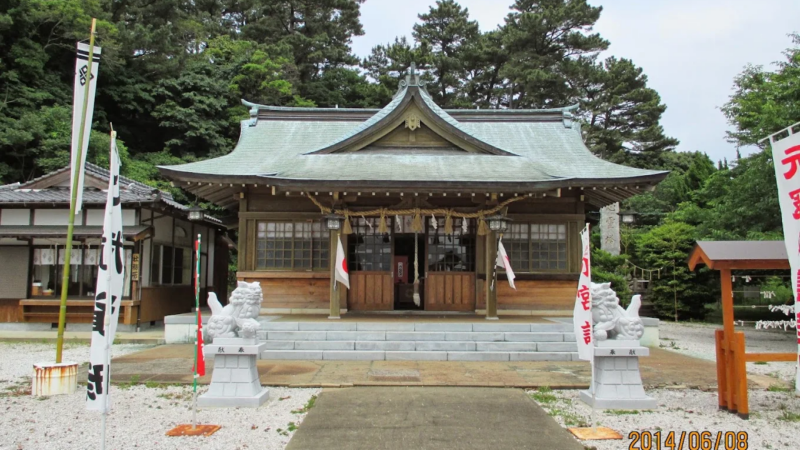
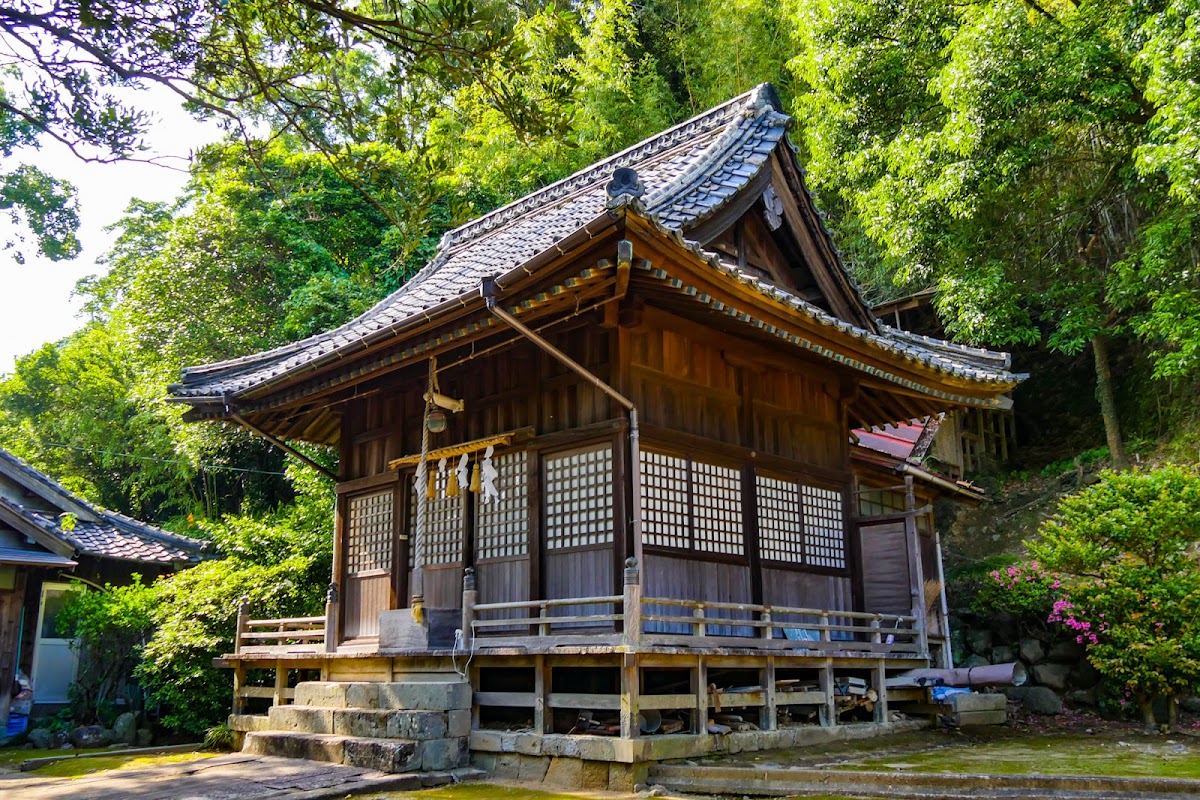
The main hall and worship hall of Tomachi Shrine are simple yet tasteful in their construction. They possess a simple beauty typical of a local shrine; while not flashy, they exude a sense of long history.
In front of the main hall is an offering box, and many worshippers visit daily.
Torii Gate and Approach
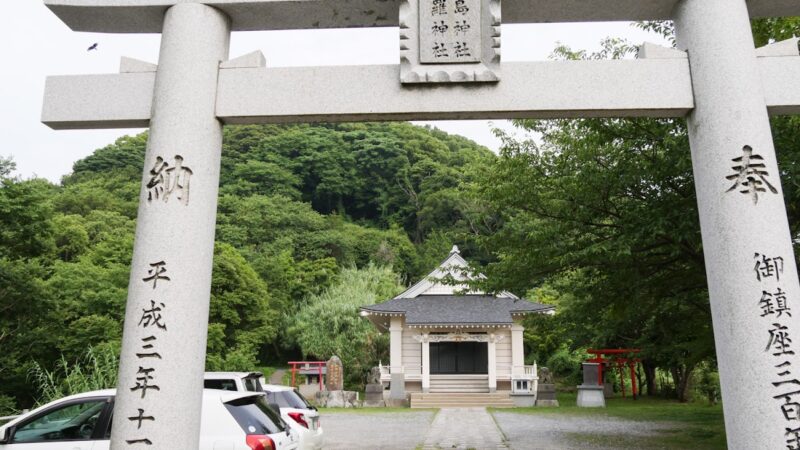
A torii gate stands at the entrance to the shrine, and from there is an approach leading to the main hall. The approach includes sections of stone steps, guiding visitors into the shrine grounds.
Passing through the torii gate, one can feel the unique atmosphere of entering a sacred space from everyday life.
Shrine Office
There is a shrine office on the grounds, where you may be able to receive goshuin (shrine stamps) and amulets. However, it is not always open, so if you definitely want a goshuin or other items, it is recommended to check in advance.
Nature on the Shrine Grounds
The grounds of Tomachi Shrine are lush with ancient trees, allowing visitors to enjoy the changing seasons. Spring brings fresh greenery, summer offers deep green, autumn brings vibrant foliage, and winter presents a tranquil landscape, each showing a different face with each season.
Despite being in an urban area, a peaceful atmosphere prevails upon entering the shrine grounds, creating a space where one can find peace of mind.
Stone Monuments and Memorials
Within the shrine grounds, you may find stone monuments and memorials that tell the story of the local area. These provide clues to the history of Tomachi and the origins of the shrine.
Annual Events and Grand Festival
Tomachi Shrine holds various Shinto rituals and events throughout the year.
New Year’s Visit (January 1st-3rd)
Tomachi Shrine is bustling with many worshippers for the New Year’s visit. Local residents visit with their families to pray for safety and happiness in the new year.
Worshippers begin arriving early on New Year’s Day, and it is especially crowded during the first three days of the year.
Grand Festival (Autumn)
The Grand Festival of Tomachi Shrine is the most important festival of the year. Like many local shrines, it is often held in the autumn and is a festival to celebrate and give thanks for a bountiful harvest and the prosperity of the region.
The date and content of the Grand Festival may vary from year to year, so it is recommended to check local bulletin boards or shrine announcements for details.
Other Annual Events
- Setsubun Festival (around February 3rd): Bean-throwing ceremonies may be held.
- Summer Festival (July-August): May be held as a local summer festival.
- Shichi-Go-San (November): A Shichi-Go-San ceremony celebrating children’s growth is held.
- Great Purification Ceremony (June & December): A Shinto ritual to purify oneself of impurities accumulated over the past six months.
Goshuin (Shrine Seal) Information
Collecting Goshuin has become popular in recent years, and it is possible to obtain one at Tomachi Shrine.
Regarding the Issuance of Goshuin
As Tomachi Shrine is a small, community-oriented shrine, it is unclear whether they always issue Goshuin. They may be able to accommodate your request during the shrine office’s opening hours.
If you definitely want to receive a Goshuin, it is recommended to inquire in advance or visit during events such as the annual festival.
Manners for Receiving a Goshuin (Shrine Stamp)
When receiving a Goshuin, please observe the following manners:
- Complete your prayers first before receiving the Goshuin.
- Prepare your Goshuincho (stamp book) (this is not a stamp rally).
- Prepare a donation (approximately 300-500 yen).
- Request politely.
- Prioritize the convenience of the shrine staff.
Amulets and Souvenirs
Tomachi Shrine may offer various amulets and souvenirs. There may be amulets for various wishes, such as family safety, traffic safety, and academic success.
Access and Basic Information
Detailed access information and basic information for Tomachi Shrine are provided below.
Location
Address: Tomachi, Nagasaki City, Nagasaki Prefecture
The Tomachi area is located in the southern part of Nagasaki City, south of Nagasaki Port.
Access by Train and Bus
Using the Tram
If using the Nagasaki Electric Tramway, you will need to walk from the nearest tram stop.
- Board the tram from Nagasaki Station
- Take the tram bound for Ishibashi and get off at the nearest stop
- Walk from there towards Tomachi
Using a Local Bus
You can take a Nagasaki Bus towards Tomachi.
- Board a bus bound for Tomachi from the Nagasaki Station bus stop
- Get off at the Tomachi bus stop
- Walk from there to the shrine
We recommend checking the official Nagasaki Bus website for specific bus routes and timetables.
Access by Car
By Car from Nagasaki Station
It takes approximately 15-20 minutes by car from Nagasaki Station.
- Head south from Nagasaki Station on National Route 499.
- Proceed towards Tomachi.
- Follow the signs to the Tomachi area.
From the Nagasaki Expressway: Approximately 20-30 minutes from the Nagasaki Interchange on the Nagasaki Expressway.
Parking
Tomachi Shrine is a small shrine located in a residential area, so there may not be a large dedicated parking lot.
Please note the following when visiting:
- Avoid street parking and use nearby paid parking lots.
- Expect congestion, especially during events such as the annual festival.
- Using public transportation is recommended if possible.
- Be considerate of local residents.
Visiting Hours
Entry to the shrine grounds is generally free, but the shrine office may have limited opening hours.
- Shrine Grounds Visit: During daylight hours
- Shrine Office: Irregular hours (during events and certain daytime hours)
We recommend refraining from visiting at night or early in the morning out of consideration for nearby residents.
Admission Fee
Visiting Tomachi Shrine is free. Donations are at your discretion.
Nearby Tourist Attractions
Here are some nearby tourist attractions you might want to visit when you come to Tomachi Shrine.
Nagasaki Port and Megami Bridge
Nagasaki Port, close to Tomachi, is known for its beautiful scenery. Megami Bridge, in particular, is one of Nagasaki’s landmarks, and the view from the bridge is spectacular.
At night, it is illuminated, creating a romantic atmosphere.
Inasayama Observatory
Inasayama Observatory, a representative tourist spot in Nagasaki City, offers a panoramic view of Nagasaki’s nightscape, which is considered one of the world’s new top three night views.
It’s about a 20-30 minute drive from Tomachi. The daytime scenery is wonderful, and on a clear day you can see far into the distance.
Glover Garden and Oura Church
Glover Garden and Oura Church, both classic Nagasaki tourist spots, are also relatively close to Tomachi.
At Glover Garden, you can see Western-style buildings from the Meiji era, and Oura Church is designated a National Treasure as the oldest existing church building in Japan.
Nagasaki Shinchi Chinatown
Nagasaki Shinchi Chinatown, one of Japan’s three major Chinatowns, offers authentic Nagasaki champon and sara udon.
The cobblestone streets are lined with Chinese restaurants and general stores, creating an exotic and charming atmosphere.
Dejima
Dejima, the only window to the West in Japan during the Edo period, has now been restored and is open to the public as a history museum.
Through exhibits recreating the buildings and lifestyle of the time, you can learn about the exchange between Japan and the West during the period of national isolation. ### Nagasaki Peace Park and Atomic Bomb Museum
When visiting Nagasaki, Nagasaki Peace Park and the Atomic Bomb Museum are must-sees.
Peace Park, where the Peace Memorial Statue stands, and the museum, which conveys the tragedy of the atomic bomb and the preciousness of peace, are indispensable places for understanding Nagasaki’s history.
Points to Know When Visiting Tomachi Shrine
Here are some points to know when visiting Tomachi Shrine.
Best Time and Season for Visiting
Season
Tomachi Shrine can be visited throughout the year, but the best seasons are:
- Spring (March-May): Beautiful fresh greenery and mild weather
- Autumn (September-November): High possibility of the annual festival, and the autumn foliage can be enjoyed
- New Year’s Visit (January): Bustling with New Year’s worshippers
Time of Day
Visiting during the daytime, especially in the morning, is recommended. You can worship slowly in a quiet atmosphere.
Clothing and Belongings
Clothing
No special attire is required for visiting the shrine, but please keep the following points in mind:
- Clean and understated clothing
- Comfortable shoes as there may be stone steps
- Don’t forget a hat or parasol in summer, and warm clothing in winter.
Belongings
- Small change for offerings
- Goshuincho (stamp book) (if you wish to receive a Goshuin stamp)
- Camera (if photography is permitted on the shrine grounds)
- Drinks (especially in summer)
Photography Etiquette
Photography on the shrine grounds is generally acceptable for personal commemorative photos, but please observe the following etiquette:
- Refrain from photographing inside the main hall
- Be considerate so as not to include other worshippers in your photos
- Use tripods sparingly
- Prior permission is required for commercial photography
- Refrain from using flash photography
Consideration for Neighbors
Tomachi Shrine is located in a residential area, so consideration for nearby residents is especially important:
- Refrain from loud conversations
- Do not park on the street.
- Always take your trash with you.
- Do not trespass on private property.
- Avoid visiting at night or in the early morning.
Nagasaki’s Shrine Culture and Tomachi Shrine
To understand Tomachi Shrine, it is important to know the characteristics of Nagasaki’s shrine culture.
Nagasaki’s Religious Diversity
Nagasaki is a city with a unique religious culture where Shinto, Buddhism, and Christianity coexist. Even under the Edo period’s isolationist policy, Western culture flowed in through Dejima, and the faith of hidden Christians continued.
Because of this background, Nagasaki’s shrines have developed in a unique way, different from other regions. Tomachi Shrine also plays a part in this Nagasaki religious culture.
The Role of a Shrine in a Port Town
Nagasaki has long flourished as a port town and has deep ties to the sea. Many shrines have functioned as places to pray for maritime safety and the prosperity of fishing.
It is thought that Tomachi Shrine, given its location near the port, has attracted the faith of people involved with the sea.
Center of the Local Community
Even in modern times, shrines play an important role as the center of local communities. Through annual festivals and cleaning activities, they serve as places for local residents to interact.
Tomachi Shrine, too, serves as the core of the Tomachi district community, a place to deepen local bonds.
How to Enjoy Visiting Tomachi Shrine
Here are some suggestions for enjoying Tomachi Shrine more deeply.
Combine with a Local Stroll
Try exploring not only Tomachi Shrine, but the entire Tomachi district. Walking through the old streets and alleys will allow you to feel Nagasaki’s history and culture more deeply.
Visiting local shops and restaurants is also recommended.
Participate in Seasonal Events
Participating in shrine events such as annual festivals and summer festivals will create opportunities for interaction with local people and provide a deeper experience.
Check the event schedule in advance and plan your visit accordingly.
Enjoy a Quiet Time
While it may not have the hustle and bustle of a tourist destination, that is part of Tomachi Shrine’s charm. Sitting quietly in the shrine grounds and taking time to calm your mind allows you to escape the hustle and bustle of everyday life.
Learning about Nagasaki’s History
Learning about Nagasaki’s history before or after visiting Tomachi Shrine will make your visit more meaningful.
Nagasaki City has many historical museums and historical archives, so visiting them as well is recommended.
Summary
Tomachi Shrine is a community-oriented shrine located in Tomachi, Nagasaki City, Nagasaki Prefecture. While not flashy, it is a warm and welcoming shrine supported by a long history and the faith of the local people.
When visiting Nagasaki, visiting local shrines like this, in addition to famous tourist spots, allows you to experience Nagasaki’s culture and history more deeply. Tomachi Shrine is one such place where you can experience “a deeper side of Nagasaki.”
Why not calm your mind in the quiet grounds and pray while reflecting on the region’s history? It will surely be a memorable experience, different from that of major tourist destinations.
When visiting the shrine, please be considerate of the local residents and observe proper etiquette. We hope that Tomachi Shrine will become a special place of peace and tranquility for you.