Complete Guide to Kumano Shrine (Bungo-Takada City, Oita Prefecture) | A Shinto-Buddhist Syncretism Sacred Site Deep Inside the Kumano Magaibutsu
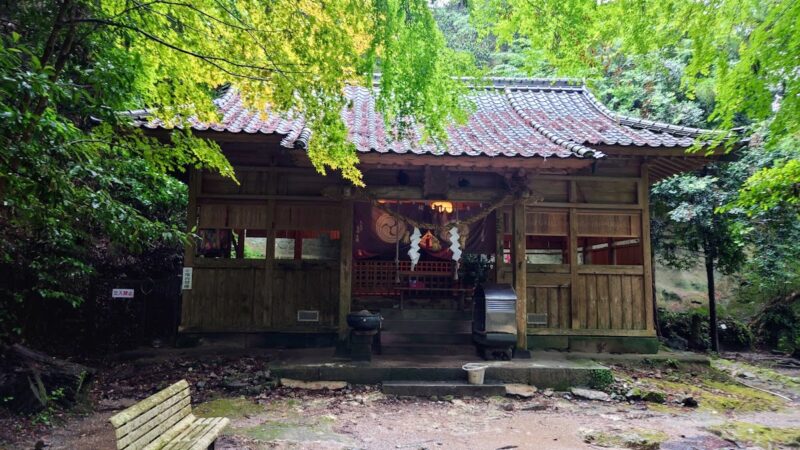
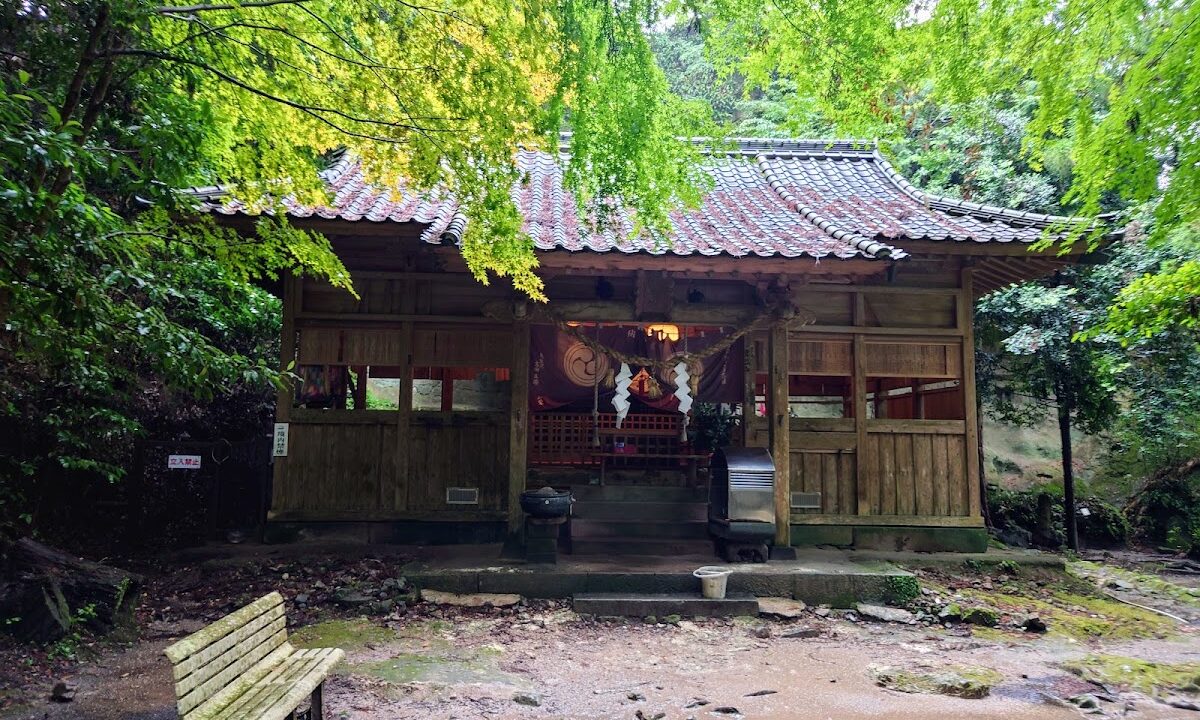
Kumano Shrine, located in Tashiro-Hirano, Bungo-Takada City, Oita Prefecture, is an important shrine that preserves the sacred site culture of the Kunisaki Peninsula. Situated even deeper inside the Kumano Magaibutsu, this shrine, formerly known as Kumano Gongen, boasts a long history as a Shinto-Buddhist syncretism sacred site. This article provides a detailed introduction to this shrine.
What is Kumano Shrine?
Kumano Shrine is a shrine located at 2544 Tashiro-Hirano, Bungo-Takada City, Oita Prefecture, and is registered with the Oita District Legal Affairs Bureau under corporate number 2320005003922. It was assigned its corporate number on October 5, 2015, and is officially recognized as a religious corporation.
The most distinctive feature of this shrine is its location even deeper inside the Kumano Magaibutsu, known as one of the largest rock-carved Buddhas in Japan. While many pilgrims visit the Kumano Magaibutsu (rock-carved Buddha statues), relatively few visit this Kumano Shrine, making it a precious place where one can worship in a tranquil atmosphere.
History of Shinto-Buddhist Syncretism
The Kumano Village map shows it as “Kumano-yama” (Kumano Mountain), and it was formerly called Kumano Gongen. This indicates a form of Shinto-Buddhist syncretism, where ancient Japanese Shinto and Buddhism were fused. Before the Meiji-era separation of Shinto and Buddhism, it was a sacred site where gods and Buddhas were worshipped together, and it played a part in the Rokugo Manzan culture unique to the Kunisaki Peninsula.
The name Kumano Gongen indicates that it was invited to this area when the Kumano Sanzan faith of Kii Province (present-day Wakayama Prefecture) spread throughout Japan. Kumano faith is deeply rooted in the Kunisaki Peninsula, and it has also played an important role as a training ground for Shugendo (mountain asceticism).
Basic Information about Kumano Shrine
Location
Official Address: 2544, Tashibuhirano, Bungo-Takada City, Oita Prefecture 879-0853
Kumano Shrine is located in the Tashibuhirano district, southwest of the center of Bungo-Takada City. This district is part of the “Kunisaki Peninsula and Usa Region,” a World Agricultural Heritage site, and is a historically important place that still preserves the landscape of a manor.
Deities Enshrined
The deities enshrined at Kumano Shrine are believed to be the following gods of the Kumano Sanzan (Three Grand Shrines of Kumano):
- Izanagi-no-Mikoto
- Izanami-no-Mikoto
- Ketsumiko-no-Okami
These are the principal deities of Kumano Hongu Taisha, Kumano Hayatama Taisha, and Kumano Nachi Taisha, and are believed to bestow divine virtues such as the source of life, matchmaking, and industrial development. ### Nearest Station and Access
Nearest Station: Approximately 45 minutes on foot (approx. 3.6 km) from Nakayama-Kō Station on the JR Nippo Main Line.
However, access on foot is actually difficult, and the following methods are recommended:
Access by Car
- Approximately 10 minutes by car from Nakayama-Kō Station
- Approximately 20 minutes by car from the center of Bungo-Takada City
- Parking: There is a parking lot for visitors near Kumano-san Taizōji Temple.
Public Transportation
- Bus services are limited, so using a taxi is more practical.
- During the tourist season, a sightseeing bus may operate.
Pilgrimage Route to Kumano Shrine
Approach from Kumano-san Taizōji Temple
Pilgrimages to Kumano Shrine usually begin from Kumano-san Taizōji Temple at the foot of the mountain.
- Starting from Taizoji Temple: Pass through the grounds of Taizoji Temple from the parking lot.
- Beginning of the Stone Steps: Enter the mountain path next to Taizoji Temple, and the famous stone steps begin.
- Oni no Ishidan (Demon’s Stone Steps): Climb the stone steps (approximately 15 minutes) which are said to have been built overnight by a demon.
- Kumano Magaibutsu (Kumano Cliff Buddha): Arrive at one of Japan’s largest cliff Buddhas.
- Further Up: Climb the stone steps for another 2-3 minutes from the cliff Buddha to reach Kumano Shrine.
Characteristics of the Stone Steps
The stone steps leading to Kumano Shrine are steep, natural stone steps characteristic of the sacred sites of the Kunisaki Peninsula. The steps are of uneven height, requiring considerable physical strength to climb. They can be slippery in rainy weather and winter, so caution is necessary.
Wearing hiking boots or trekking shoes is recommended, and bringing a walking stick is safer. The journey from Taizoji Temple to Kumano Shrine takes approximately 20 minutes one way, but this can vary greatly depending on individual physical fitness.
Relationship with Kumano Magaibutsu
Japan’s Largest Magaibutsu
When visiting Kumano Shrine, you will inevitably see the Kumano Magaibutsu. These rock-carved Buddhas are believed to have been carved in the late Heian period and consist of two statues: a Dainichi Nyorai (approximately 6.7m tall) and a Fudo Myoo (approximately 8m tall).
The Fudo Myoo statue is known as one of Japan’s largest rock-carved Buddhas and is designated as a National Important Cultural Property and Historic Site. These Buddha statues, carved directly into the natural rock face, speak to the high level of stonemasonry and the depth of faith of the time.
Unity as a Sacred Site
The Kumano Magaibutsu and Kumano Shrine are not only geographically close, but have also functioned as a single sacred site religiously. The rock-carved Buddhas represent Buddhist elements, while the Kumano Shrine represents Shinto elements; the fusion of the two embodied the ideal form of Shinto-Buddhist syncretism.
It was believed that worshippers would first offer prayers to the Buddha at the rock-carved Buddhas, and then worship the gods at the Kumano Shrine, thus achieving a complete act of faith.
Kumano Gongen Forest (Specially Protected Forest)
The area surrounding the Kumano Shrine is designated as a specially protected forest by Oita Prefecture, known as the “Kumano Gongen Forest.” Owned by the Kumano Shrine, this forest, located in the Tashiro Plain of Bungo-Takada City, is protected as a valuable natural environment.
Forest Characteristics
This forest is a natural forest primarily composed of evergreen broad-leaved trees, including oak, chestnut, and camphor trees. It is a valuable location preserving the pristine vegetation of the Kunisaki Peninsula and holds significant academic importance.
Within the forest, ancient trees estimated to be hundreds of years old are scattered, creating a solemn atmosphere befitting a sacred area. Known as a habitat for wild birds, visitors can enjoy the changing seasons.
Significance of Environmental Conservation
Designated as a specially protected forest, this forest is safeguarded from uncontrolled development and logging, playing a crucial role in maintaining the local ecosystem. It also contributes to agriculture in the surrounding area by accumulating water resources.
Tashibu-no-Sho and the World Agricultural Heritage Site
The Tashibu-Hirano area, where Kumano Shrine is located, preserves the landscape of a historical manor known as “Tashibu-no-Sho.”
History of the Manor
Tashibu-no-Sho flourished as a manor of Usa Shrine from the Heian period to the Kamakura period. The layout of the land divisions and rice paddies from that time remain largely intact, making it an extremely important site for understanding the history of Japanese agriculture.
Globally Important Agricultural Heritage Systems (GIAHS) Designation
In 2013, the “Kunisaki Peninsula and Usa Region” was designated a Globally Important Agricultural Heritage Systems (GIAHS). This designation was largely due to the preservation of the landscape of Tashibu-sho and the tradition of “agricultural, forestry, and fisheries cycles” fostered by the temples and shrines of Rokugo Manzan, including Kumano Shrine.
The forests of Kumano Shrine have played a vital role in protecting water sources and supplying agricultural water. It is internationally recognized as a model of a sustainable local community where faith in Shinto and Buddhism is closely intertwined with agriculture.
Connection to Rokugo Manzan Culture
What is Rokugo Manzan?
Rokugo Manzan is a unique mountain Buddhist culture that developed on the Kunisaki Peninsula. It is believed to have been established during the Nara period by an oracle from Usa Hachimangu Shrine, dividing the entire peninsula into six districts, each with numerous temples (Manzan).
Kumano Shrine and Kumano-san Taizo-ji Temple, as sacred sites forming part of the Rokugo Manzan (a group of venerable mountain temples), have functioned as training grounds for Shugendo practitioners and places of worship for the common people.
Training Grounds for Shugendo
The steep stone steps and mountainous terrain provided an ideal training ground for Shugendo practitioners. The philosophy of Shugendo, which aims to cultivate mind and body and attain enlightenment through rigorous training in nature, has greatly influenced the landscape of this area.
Even today, the pilgrimage route to Kumano Shrine remains popular with visitors seeking a mini-training experience.
Precautions and Manners When Visiting the Shrine
Clothing and Equipment
- Footwear: Non-slip athletic shoes or trekking shoes are recommended.
- Clothing: Comfortable clothing that you don’t mind getting dirty.
- Items to Bring: Drinking water, towel, insect repellent spray (summer)
- Walking Stick: Bringing a walking stick is recommended if you feel unsure.
Seasonal Precautions
Spring (March-May)
- A time when the fresh greenery is beautiful.
- Those with hay fever should take precautions.
Summer (June-August)
- Insect repellent is essential due to the abundance of insects.
- Be careful of heatstroke and drink plenty of fluids.
- Early morning visits are recommended.
Autumn (September-November)
- The autumn leaves are beautiful, making it the most suitable season for visiting.
- Pay attention to the weather during typhoon season.
Winter (December-February)
- Stone steps may freeze.
- It is recommended to refrain from visiting when there is snow.
- Pay attention to your time management as the sun sets early.
Visiting Etiquette
- Nature Conservation: Always take your trash with you.
- Quietness: Visit quietly and without shouting.
- Photography: Be considerate of other visitors.
- Flora and Fauna: Collection or damage is strictly prohibited.
- Smoking: Smoking is prohibited throughout the mountain.
Nearby Attractions
Kumano-san Taizoji Temple
This temple serves as the starting point for visits to Kumano Shrine. It boasts many points of interest, including the main hall and Nio statues, and also functions as an information center for the Kumano Magaibutsu (rock-carved Buddhas).
Maki Daido Hall
This temple houses a collection of Buddhist statues from the Heian period, including the National Treasure wooden seated Amida Buddha statue. It is approximately a 15-minute drive from Kumano Shrine.
Fukiji Temple
This temple houses the Fukiji Daido Hall (National Treasure), the oldest wooden building in Kyushu. It is a valuable surviving example of Heian period Amida Hall architecture. ### Showa Town
A tourist spot located in the center of Bungo-Takada City. It recreates the townscape of the 1950s (Showa 30s), offering a retro atmosphere.
Kumano Shrine’s Corporate Information
Corporate Registration Details
- Corporate Number: 2320005003922
- Corporate Name: Kumano Shrine
- Address: 2544, Tashiro-Hirano, Bungo-Takada City, Oita Prefecture
- Registering Authority: Oita District Legal Affairs Bureau
- Date of Corporate Number Assignment: October 5, 2015
This corporate number was assigned to all corporations following the introduction of the My Number system. Formal registration as a religious corporation ensures social credibility and transparency.
Distinguishing from Corporations with the Same Name
There are numerous shrines named “Kumano Shrine” throughout Japan. Even within Oita Prefecture alone, there are shrines with the same name in multiple locations, such as Bungo-Ono City. Therefore, it is necessary to accurately distinguish them by their address and corporate number.
The Kumano Shrine in Tashiro-Hirano, Bungo-Takada City, is identified by corporate number 2320005003922 and is an independent religious corporation separate from other Kumano Shrines.
Significance of Visiting Kumano Shrines
Spiritual Value
Kumano Shrines are also attracting attention as power spots. They have been revered as sacred sites since ancient times, offering a place to calm the mind and reflect on oneself in a tranquil forest.
Many people visit at turning points in their lives, seeking the divine blessings of “rebirth” and “renewal,” which are the essence of Kumano faith.
Cultural Value
As a place where Japanese history and culture are condensed, encompassing the syncretism of Shinto and Buddhism, the Rokugo Manzan culture, and its status as a World Agricultural Heritage site, this shrine also possesses high educational and academic value.
It is a place worth visiting for those interested in history and those who wish to learn more about Japanese culture.
Harmony with Nature
The environment surrounded by specially protected forests offers a precious opportunity to experience harmony with nature, something often lost in modern society. You can also expect the benefits of forest bathing, making it ideal for refreshing your mind and body.
Points to Consider When Planning Your Visit
Estimated Time Required
- Round trip from parking lot to Kumano Shrine: Approximately 60 minutes
- Including a visit to Taizoji Temple: Approximately 90 minutes
- Visiting surrounding temples and shrines: Half a day to a full day
Recommended Time of Day
- Early morning (6:00 AM – 8:00 AM): Fewer people, allowing for a peaceful visit. Cool in summer
- Morning (9am-11am): Beautiful lighting, ideal for photography
- Evening (4pm-5pm): Mystical atmosphere as the setting sun illuminates the forest (be careful of sunset in winter)
Combined Sightseeing Plans
Half-Day Course
- Visit Kumano Shrine and Kumano Magaibutsu (2 hours)
- Visit Maki Daido (30 minutes)
- Stroll through Showa Town and Lunch (1.5 hours)
Full-Day Course
- Visit Fukiji Temple (1 hour)
- Visit Kumano Shrine and Kumano Magaibutsu (2 hours)
- Lunch
- Visit Maki Daido (30 minutes)
- Scenic View of Tashibusho (1 hour)
- Stroll through Showa Town (1 hour)
Summary
Located in the Tashiro Plain of Bungo-Takada City, Oita Prefecture, Kumano Shrine is a precious sacred site that preserves the history of Shinto-Buddhist syncretism, situated even deeper within the Kumano Magaibutsu (rock-carved Buddha statues), one of the largest in Japan.
Formerly known as Kumano Gongen, this shrine played a vital role in the Rokugo Manzan culture. Protected by the specially protected forest “Kumano Gongen Forest,” it stands quietly amidst the landscape of Tashiro-sho, a World Agricultural Heritage site.
While it’s a 45-minute walk (approximately 3.6 km) from Nakayama-Kō Station, access by car is recommended. However, the pilgrimage route, climbing the stone steps from Taizōji Temple, is popular with many visitors as a mini-spiritual experience.
Officially registered as corporate number 2320005003922, this shrine is one of the representative sacred sites of the Kunisaki Peninsula, where historical, cultural, and natural values are fused. Please visit Kumano Shrine, where you can pray in peace amidst the beauty of nature throughout the seasons.