Complete Guide to Sakura Hachiman Shrine (Oita Prefecture) | History, Benefits, Access, and Highlights Explained in Detail
Located in Oita City, Oita Prefecture, Sakura Hachiman Shrine is a historic shrine long cherished by the local community. As its name suggests, it is also known for the beauty of its cherry blossoms, attracting many worshippers and cherry blossom viewers in spring. This article provides detailed information you should know before visiting, including the history of Sakura Hachiman Shrine, its benefits, highlights within the grounds, information on its Goshuin (shrine stamp), and access methods.
What is Sakura Hachiman Shrine?
Sakura Hachiman Shrine is a Hachiman worship shrine located in Oita City, Oita Prefecture. Hachiman shrines are numerous throughout Japan and are known for enshrining Emperor Ojin as their main deity. Sakura Hachiman Shrine is one such shrine, and has long been revered as a guardian deity of the region.
As the name of the shrine includes the character “Sakura” (cherry blossom), beautiful cherry trees are planted within the grounds, making it a popular cherry blossom viewing spot during the spring blooming season. Nestled in a quiet residential area, this shrine serves as a place of tranquility, a haven for locals seeking peace and quiet away from the hustle and bustle of everyday life.
History of Sakura Hachiman Shrine
Origin of Founding
While there are various theories regarding the exact founding date of Sakura Hachiman Shrine, it is believed to have been located in Oita Prefecture since ancient times. Hachiman worship spread throughout Japan from the Nara period to the Heian period, and in Kyushu in particular, many Hachiman shrines were built with Usa Shrine as the head shrine.
Sakura Hachiman Shrine is thought to have been founded within this trend, and has attracted the faith of people as the region developed. During the Edo period, it is said to have played an important role as the local guardian deity, a place where people prayed for the safety of the village and for a bountiful harvest.
Developments Since the Modern Era
Even after the Meiji Restoration’s separation of Shinto and Buddhism, Sakura Hachiman Shrine continued to exist as a center of local faith. During the post-war period of rapid economic growth, urbanization progressed in the surrounding area, but the shrine continued to function as the core of the local community.
Even today, many parishioners and worshippers visit the shrine for its annual festival and seasonal events, where traditional Shinto rituals are performed. It also serves as a valuable cultural asset, preserving the history of the region.
Deities and Benefits
Main Deity
The main deity of Sakura Hachiman Shrine is the central god of Hachiman worship. Similar to typical Hachiman shrines, the following deities are believed to be enshrined:
- Emperor Ōjin: The 15th Emperor, deified as Hachiman-sama
- Empress Jingū: Mother of Emperor Ōjin
- Hime Ōkami: Goddess considered one of the three Munakata goddesses
These deities are believed to bestow a wide range of benefits, including military fortune, national protection, and protection from evil.
Expected Benefits
The main benefits you can expect at Sakura Hachiman Shrine are as follows:
- Protection from Misfortune and Disaster: Hachiman has been worshipped since ancient times as a god who protects people from misfortune.
- Family Safety: He protects the health and peaceful lives of families.
- Traffic Safety: In modern times, many people visit to pray for safety in our car-dependent society.
- Business Prosperity: Local shop owners and others pray for the development of their businesses.
- Academic Success: Students and those taking exams visit to pray for academic success.
- Prayer for Safe Childbirth: As Empress Jingu is enshrined here, he is also known as a god of safe childbirth.
Highlights of the Shrine Grounds
Main Hall and Worship Hall
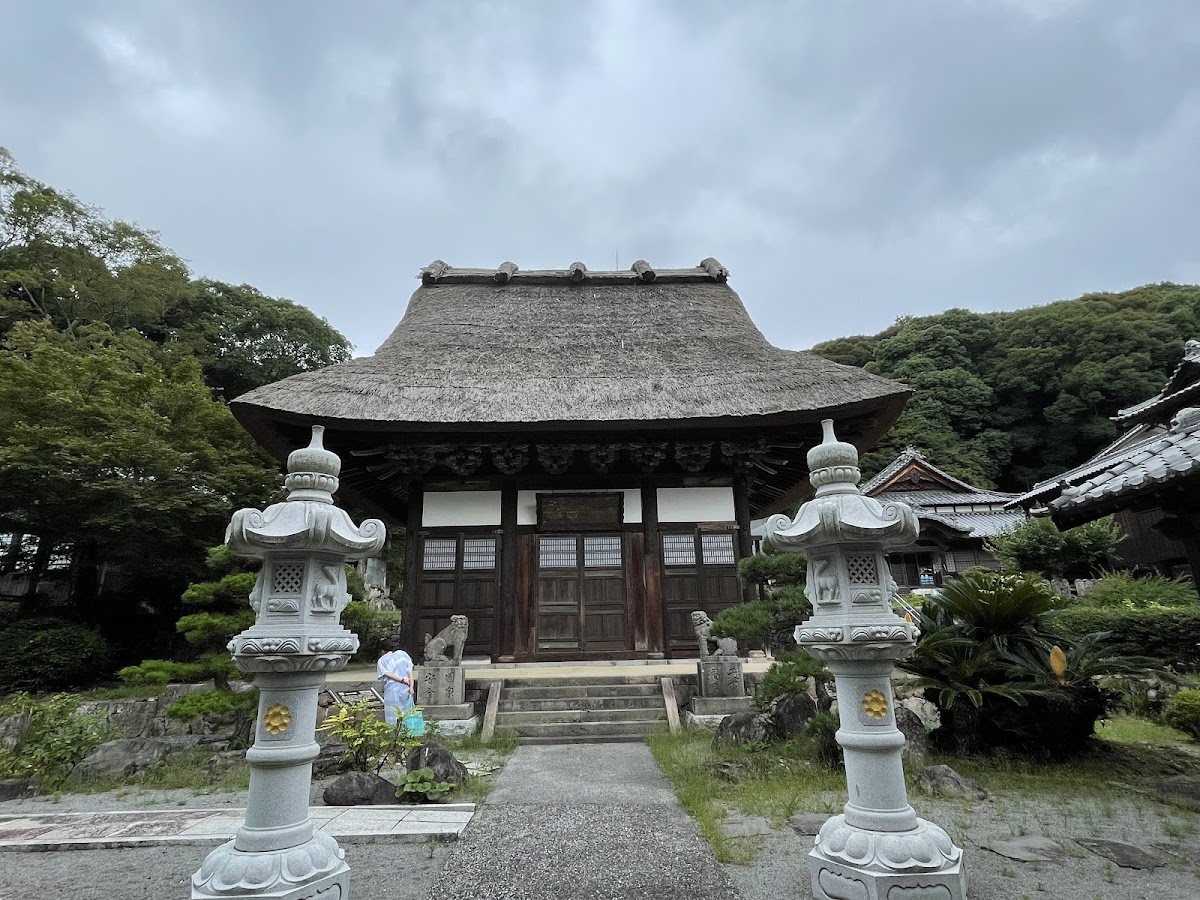
The main hall and worship hall of Sakura Hachiman Shrine preserve the traditional style of shrine architecture. The wooden buildings are regularly repaired and carefully preserved. Standing before the worship hall, one is enveloped in a solemn atmosphere, and one’s mind naturally becomes more focused.
When visiting the shrine, please perform the proper ritual of two bows, two claps, and one bow. The time spent praying in the tranquil grounds will be a precious moment to forget the hustle and bustle of daily life.
Cherry Trees
The cherry trees, which are the origin of the shrine’s name, are one of the biggest attractions on the grounds. In spring, the grounds are dyed in a pale pink, attracting many visitors for cherry blossom viewing. The type and number of cherry trees vary from shrine to shrine, but when they are in full bloom, you can enjoy a magnificent sight.
The cherry blossoms typically bloom from late March to early April, reaching their peak around the same time as other cherry blossom spots in Oita City. Sometimes, the cherry blossoms are illuminated at night, creating a magical atmosphere.
Subsidiary Shrines and Auxiliary Shrines
Around the main shrine, there may be several subsidiary shrines and auxiliary shrines. Each of these small shrines enshrines a different deity, and people visit them seeking various blessings.
When strolling through the shrine grounds, we recommend visiting these subsidiary shrines as well. Learning about their history and the deities enshrined there will deepen your understanding of the shrine.
Water Basin
The water basin, where you purify your body and mind before worship, is an important element of shrine architecture. At Sakura Hachiman Shrine’s water basin, follow the traditional procedure to purify your hands and mouth before proceeding to the main shrine.
The proper procedure for water basin is as follows:
- Hold the ladle in your right hand and purify your left hand.
- Switch the ladle to your left hand and purify your right hand.
- Hold the ladle in your right hand again, receive water in your left hand, and rinse your mouth.
- Purify your left hand once more.
- Stand the ladle upright to purify the handle and return it to its original place.
Shrine Office/Gift Shop
You can obtain Goshuin (shrine stamps), amulets, and fortune slips at the shrine office or gift shop. The shrine office may have limited opening hours, so it is recommended to check in advance if you wish to receive a Goshuin (shrine stamp).
Goshuin Information
About Goshuin
Goshuin are available at Sakura Hachiman Shrine. Goshuin are popular among many visitors as proof of worship and as a tangible memento of their connection with the shrine.
When receiving a Goshuin, please be sure to complete your prayers before visiting the shrine office. You can bring your Goshuincho (stamp book) or receive a pre-printed Goshuin.
Goshuin Reception Hours
Goshuin reception hours vary by shrine, but generally, they are as follows:
- Weekdays, Saturdays, Sundays, and Holidays: Approximately 9:00 AM to 5:00 PM
*Hours may change depending on the season or religious ceremonies, so it is recommended to inquire in advance if you wish to be sure to receive a Goshuin.
Offering Fee
The offering fee for a Goshuin (temple/shrine stamp) is generally around 300 to 500 yen. It’s best to have small change ready to avoid needing change.
Amulets and Souvenirs
Sakura Hachiman Shrine offers a variety of amulets and souvenirs. Here are some of the most representative ones:
Main Amulets
- Exorcism Amulet: For those in their unlucky year or those seeking protection from misfortune.
- Traffic Safety Amulet: For the safety of those driving cars or motorcycles.
- Academic Success Amulet: For students and those taking exams, wishing for academic success.
- Family Safety Amulet: An amulet protecting the health and peace of the family.
- Safe Childbirth Amulet: For those expecting a safe delivery.
- Cherry Blossom Amulet: An amulet featuring cherry blossoms, unique to Sakura Hachiman Shrine.
Amulets can be worn or placed in important locations to feel the blessings of the gods on a daily basis.
Annual Events and Festivals
Sakura Hachiman Shrine holds various festivals and events throughout the year. Here are some of the main events.
Main Annual Events
January
- New Year’s Day Festival/First Shrine Visit of the Year: Many worshippers visit the shrine to pray for happiness in the new year.
- Dondo-yaki (New Year’s bonfire): Old amulets, charms, and New Year’s decorations are burned.
February
- Setsubun Festival: Bean-throwing wards off evil and invites good fortune.
Spring
- Spring Grand Festival: One of the shrine’s important festivals.
- Cherry Blossom Festival: Sometimes held to coincide with the cherry blossom season.
Summer
- Summer Purification Ceremony: A Shinto ritual to purify and cleanse away the sins and impurities accumulated over the past six months.
Autumn
- Autumn Grand Festival: An important festival to give thanks for the harvest and pray for the prosperity of the community.
November
- Shichi-Go-San Festival: Celebrating children’s growth and praying for their healthy development.
December
- Year-End Purification Ceremony: A Shinto ritual to purify oneself of the sins and impurities of the past year and to welcome the new year with purity.
*Please note that the date of the ritual may change from year to year. For details, please contact the shrine.
Access Information
Location
Sakura Hachiman Shrine is located in Oita City, Oita Prefecture. Please check the latest information regarding the specific address before visiting.
Access by Car
From Oita City Center
- Travel Time: Approximately 10-20 minutes (depending on traffic conditions)
- Parking: There may be parking spaces for visitors on the shrine grounds or nearby.
If visiting by car, it is convenient to search for “Sakura Hachiman Shrine” on your car navigation system or smartphone map app. It is recommended to check in advance about the availability and number of parking spaces.
Access by Public Transportation
By Bus
- Take a local bus from Oita Station or a major bus stop in Oita City.
- A few minutes’ walk from the nearest bus stop.
If using public transportation, it is recommended to check the Oita Bus route map and timetable in advance for a smoother experience.
Access by Foot or Bicycle
Those living nearby can visit on foot or by bicycle. Located in a residential area, it offers a quiet environment for a peaceful visit.
Manners and Etiquette for Visiting a Shrine
When visiting a shrine, please observe the following basic manners and etiquette.
How to Pass Through the Torii Gate
- Bow before passing through the torii gate.
- Walk along the edge of the path, as the center is considered the path of the gods.
- When leaving, turn around and bow after passing through the torii gate.
How to Wash Your Hands at the Water Basin
As described in the section on the water basin above, please purify your body and mind using the correct etiquette.
Proper Worship Etiquette
- Stand before the offering box and bow slightly.
- Gently place your offering (do not throw it in).
- If there is a bell, ring it.
- Worship using the two bows, two claps, and one bow method.
- Bow deeply twice.
- Clap your hands twice at chest height.
- Express your wishes and gratitude silently.
- Bow deeply once.
Attire
Everyday clothes are acceptable, but it’s best to avoid overly casual or revealing clothing. Especially if you plan to receive prayers, it is recommended to dress appropriately.
Nearby Tourist Attractions
When visiting Sakura Hachiman Shrine, why not also explore the nearby tourist attractions?
Main Tourist Attractions in Oita City
- Oita Castle Ruins Park (Funai Castle Ruins): A castle ruin park where you can experience the history of Oita City.
- Oita Marine Palace Aquarium “Umitamago”: A popular aquarium for families.
- Takasakiyama Natural Zoological Garden: A zoo where you can observe wild monkeys up close.
- Beppu Onsen: One of Japan’s leading hot spring resorts, about 30 minutes away by car.
- Usa Shrine: The head shrine of all Hachiman shrines nationwide (about 1 hour by car).
Gourmet Information
Oita City has many restaurants where you can enjoy fresh seafood such as Seki mackerel and Seki horse mackerel, as well as local cuisine such as toriten (chicken tempura) and dango-jiru (dumpling soup). Enjoying Oita’s gourmet food after visiting the shrine is highly recommended.
Photography Information
Photography Etiquette
Photography is generally permitted on the shrine grounds, but please observe the following etiquette.
- Do not take photos in areas where photography is prohibited, such as inside the main shrine.
- Be considerate of other visitors.
- If using a tripod, choose a location that does not obstruct passage.
- Keep photography to a minimum during festivals.
- Obtain prior permission for commercial photography.
Cherry Blossom Photography Tips
Many photography enthusiasts visit during the spring cherry blossom season. Taking photos in the soft light of early morning or evening will result in more beautiful pictures. The composition combining the fully bloomed cherry blossoms and the shrine building creates a picturesque scene unique to Sakura Hachiman Shrine.
Frequently Asked Questions
Are there set visiting hours?
While entry to the shrine grounds is generally free, the shrine office has limited opening hours. If you wish to receive a Goshuin (shrine stamp) or amulet, we recommend checking the opening hours in advance.
How much is the offering fee?
Goshuin (temple/shrine stamps) cost around 300-500 yen, and amulets vary in price depending on the type, but are generally around 500-1000 yen. Prayers are available starting from 5000 yen.
Is there parking?
There may be parking spaces for visitors, but the number of spaces may be limited. During major festivals, congestion is expected, so please consider using public transportation.
Can I bring my pet?
Policies regarding bringing pets vary by shrine. Keeping your pet on a leash and being considerate of other visitors is essential, but if you have concerns, it’s recommended to check with the shrine beforehand.
When is the best time to see the cherry blossoms?
The best time to see the cherry blossoms is usually from late March to early April. However, this can vary depending on weather conditions, so it’s a good idea to check the blooming status before visiting.
Summary
Sakura Hachiman Shrine is a historical shrine located in Oita City, Oita Prefecture, and is a place of worship cherished by the local community. This shrine, dedicated to Hachiman, is believed to offer various blessings, including protection from evil, family safety, and traffic safety.
Especially during the spring cherry blossom season, visitors can enjoy the breathtaking scenery of the beautiful cherry blossoms harmonizing with the shrine’s landscape, attracting many worshippers and cherry blossom viewers. Located in a quiet residential area, the shrine grounds maintain a solemn atmosphere, making it an ideal place to escape the hustle and bustle of everyday life and find peace of mind.
When visiting Oita City, be sure to visit Sakura Hachiman Shrine. You can express your gratitude to the gods through proper worship etiquette and spend a peaceful time. You can also receive a Goshuin (shrine stamp) and amulets, which are perfect as a memento of your visit or as a way to feel the gods’ protection in your daily life.
As a shrine deeply rooted in the community, Sakura Hachiman Shrine will continue to be a spiritual haven for many people. Please see its history, tradition, and beautiful surroundings for yourself.