Complete Guide to Oita Prefecture Gokoku Shrine | History, Highlights, Access, and Annual Events Explained in Detail
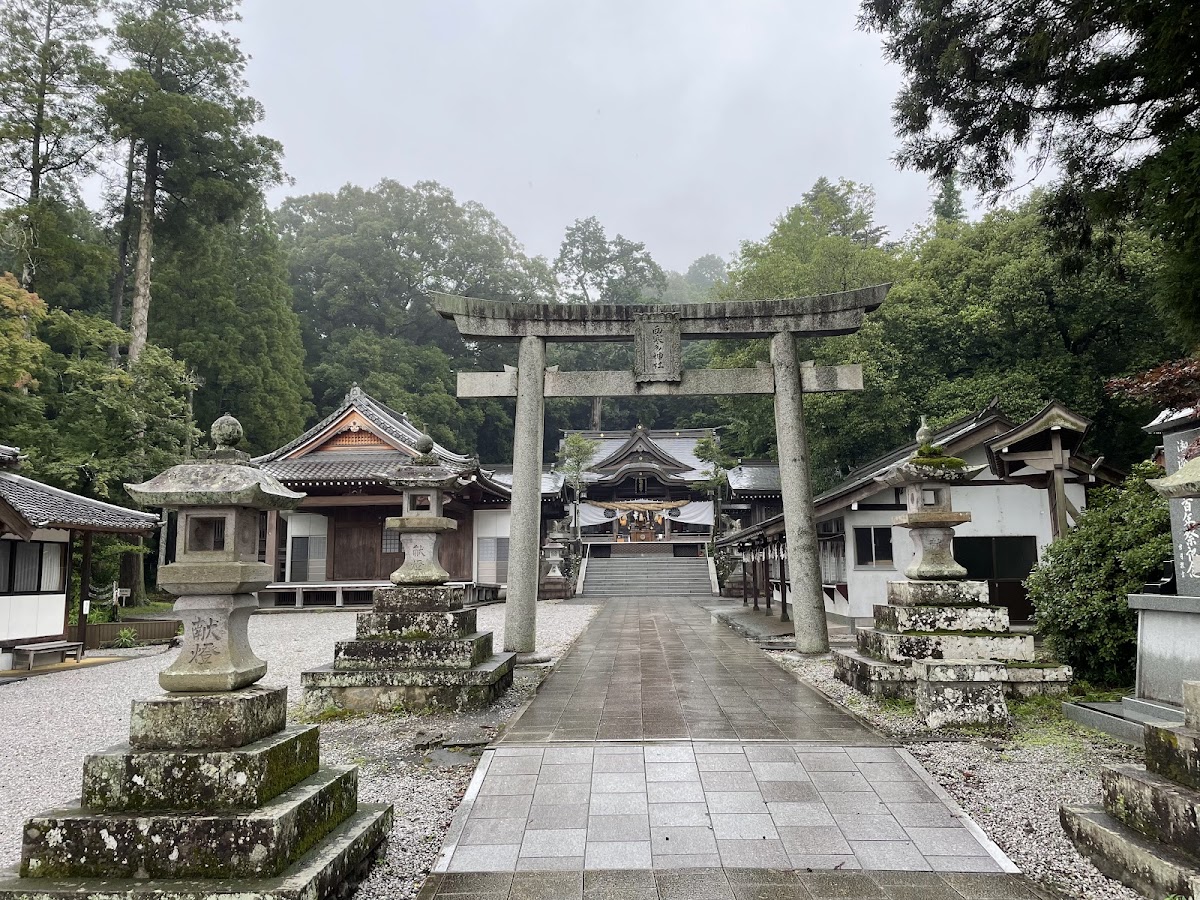
Oita Prefecture Gokoku Shrine, located on the slopes of Matsuei-yama, a small mountain in the central part of Oita City, is a shrine deeply cherished by the local people as it enshrines the spirits of those who died in Oita Prefecture since the Meiji Restoration. Known not only as a famous spot for plum and cherry blossoms, it is also famous as a New Year’s pilgrimage spot, welcoming visitors with Japan’s largest kadomatsu (New Year’s pine decoration), attracting many worshippers throughout the year.
This article provides a detailed explanation of everything you need to know before visiting Oita Prefecture Gokoku Shrine, from its history and origins to its highlights, annual events, and access methods.
History and Origins of Oita Prefecture Gokoku Shrine
From its Founding in 1875 to the Present
Oita Prefecture Gokoku Shrine was founded in 1875 (Meiji 8) as a shrine to summon the spirits of the war dead. Originally built to enshrine soldiers and police officers from Oita Prefecture who died in the Boshin War and the Satsuma Rebellion, the shrine later enshrined the spirits of those who died in wars since the Meiji Restoration.
The shrine’s name was changed from Shokonsha to Gokoku Shrine in 1939 (Showa 14), becoming the current “Oita Prefecture Gokoku Shrine.” Within the shrine grounds remain a cemetery and memorial monument for soldiers and police officers who died in the Satsuma Rebellion, preserving its history as a place of remembrance for war dead.
About the Enshrined Spirits
Oita Prefecture Gokoku Shrine enshrines the spirits of those from Oita Prefecture, and those with ties to Oita Prefecture, who sacrificed their lives for their country in wars from the Meiji Restoration to the Greater East Asia War (Pacific War). The number of enshrined spirits reaches tens of thousands, and each spirit rests peacefully, praying for peace.
Today, the shrine is not only a place to commemorate those who died in war, but also a popular power spot where people can receive a wide range of blessings, including good fortune, protection from evil, business prosperity, and traffic safety. It serves as a spiritual haven for the local people.
Highlights and Charms of the Shrine Grounds
Shrine Grounds Surrounded by the Nature of Matsuei Mountain
Although located in the heart of Oita City, Oita Prefecture Gokoku Shrine is situated on the slopes of a small mountain called Matsuei Mountain, offering a tranquil atmosphere far removed from the hustle and bustle of the city. Stepping onto the grounds, the abundant nature and solemn atmosphere soothe the soul.
As you ascend the approach to the shrine, the grounds, surrounded by trees, unfold, allowing you to appreciate the beauty of nature in every season. The scenery is particularly captivating during the spring plum and cherry blossom season, and during the season of fresh greenery.
Spectacular Views from the Observation Deck
The observation deck on the shrine grounds is a must-visit spot when visiting Oita Prefecture Gokoku Shrine. From the observation deck, you can enjoy a panoramic view of Oita city, Beppu Bay, the coastal industrial area, and the Kunisaki Peninsula. On clear days, you can even see as far as Shikoku.
The view at sunset is particularly magnificent; the scenery created by the setting sun over Beppu Bay and the cityscape of Oita is popular with many photography enthusiasts. The view from the observation deck offers a special time to soothe your soul after visiting the shrine.
Japan’s Largest Kadomatsu
One of the most famous attractions at Oita Gokoku Shrine is Japan’s largest kadomatsu (New Year’s pine decoration), which is set up every year in late November. This gigantic auspicious object boasts an overwhelming scale, standing 18 meters tall and weighing 35.5 tons. It is a magnificent work of art, with a steel framework adorned with real bamboo and pine.
During the first three days of the New Year’s pilgrimage, this large kadomatsu welcomes visitors in a spectacular display. It is also illuminated at night, creating a magical atmosphere. The largest kadomatsu (New Year’s pine decoration) in Japan has become a New Year’s tradition in Oita, attracting many visitors eager to catch a glimpse of this colossal symbol of good fortune.
Attractions as a Famous Spot for Plum and Cherry Blossoms
Plum Garden Centered Around Bungo Plums
Oita Prefectural Gokoku Shrine is widely known as a famous spot for plum blossoms. The shrine grounds are home to approximately 150 to 200 plum trees, primarily the Bungo plum, the prefectural flower of Oita. The Bungo plum is a variety that produces large, beautiful blossoms, captivating visitors with its beauty and fragrance.
The best time to see the plum blossoms is typically from late February to early March, when white and pink flowers adorn the shrine grounds. Visiting the shrine surrounded by the fragrance of plum blossoms is a special moment that truly signals the arrival of spring.
Plum Blossom Festival
The Plum Blossom Festival is held every year on the first Sunday of March. This festival celebrates the blooming of the plum blossoms and includes a Shinto ritual to express gratitude to the war dead. During the Plum Blossom Festival, many visitors come to the shrine, creating a lively atmosphere.
Besides Shinto rituals, various events are held on the shrine grounds, making it an important event for local people to celebrate the arrival of spring.
Spring: Approximately 500 Cherry Trees in Full Bloom
After the plum blossom season ends, the cherry blossom season arrives. Approximately 500 cherry trees are planted on the grounds of Oita Prefecture Gokoku Shrine, offering a variety of blooms including Somei Yoshino and Yaezakura.
The best time to see the cherry blossoms is usually from late March to early April, when the approach to the shrine and the entire grounds are enveloped in beautiful cherry blossoms. Visiting the shrine under the full bloom of cherry blossoms is a special experience, making it one of Oita City’s most popular cherry blossom viewing spots, attracting many visitors.
During the cherry blossom season, you can also enjoy a spectacular view of the cherry blossoms, Oita city, and Beppu Bay from the observation deck. The contrast between the pink-hued shrine grounds, the blue sea, and the cityscape creates a magnificent landscape.
Annual Events and Festivals
New Year’s Visit (First Three Days of the New Year)
Oita Prefecture Gokoku Shrine is a particularly popular spot for New Year’s visits in Oita City. With Japan’s largest kadomatsu (New Year’s pine decoration) welcoming visitors, many people visit during the first three days of the New Year to pray for the new year.
During the New Year’s period, various prayers are offered for family safety, business prosperity, traffic safety, academic success, and more, creating a lively atmosphere of the New Year. Food stalls and other vendors are also present, allowing visitors to enjoy a festive atmosphere.
Spring and Autumn Grand Festivals
Oita Prefecture Gokoku Shrine holds grand festivals in spring and autumn. These festivals involve solemn Shinto rituals of gratitude and remembrance for the war dead, attended by bereaved families, related parties, and local residents.
The annual grand festival is an important Shinto ritual for the Gokoku Shrine, a crucial event where prayers are offered for the repose of those who died in war and for peace.
Other Annual Events
In addition to the Plum Blossom Festival, Oita Prefecture Gokoku Shrine holds various events throughout the year. Prayers for life milestones and daily safety, such as Shichi-Go-San (a traditional Japanese rite of passage for children), exorcism, and traffic safety, are accepted at any time.
Prayers and Goshuin (Shrine Seals)
About Various Prayers
Oita Prefecture Gokoku Shrine accepts various prayers, including exorcism, good fortune, business prosperity, family safety, traffic safety, academic success, and safe childbirth. Applications can be made at the shrine office, and the prayers are performed carefully by the Shinto priests.
Traffic safety prayers are particularly popular, attracting many visitors for blessings upon purchasing new cars. Many prayers for life milestones, such as Shichi-Go-San and exorcisms for unlucky years, are also performed.
About Goshuin (Shrine Seals)
You can receive a Goshuin at Oita Prefecture Gokoku Shrine. Present your Goshuincho (seal book) at the shrine office, and they will carefully write the seal in ink and stamp it in red. The Goshuin bears the name of “Oita Prefecture Gokoku Shrine” and the date, and is popular with many visitors as a memento of their visit.
For those who collect Goshuin as a hobby, the Goshuin from Gokoku Shrine holds special significance, making it an important stop on a pilgrimage to Gokoku Shrines throughout Japan.
Access Information
Location
Address: 1371 Maki, Oita City, Oita Prefecture 870-0108
It is relatively close to the center of Oita City and easily accessible from various locations within the city.
Access by Public Transportation
By Bus
Take an Oita Bus from JR Oita Station and get off at the “Gokoku Shrine-mae” bus stop. It’s about a 5-minute walk from there. Buses run relatively frequently, and during the daytime, waiting times are usually short.
If using a taxi:
It takes about 15 minutes by taxi from JR Oita Station. Except during peak seasons such as New Year’s Day, access is generally smooth. Taxi fares are approximately 1,500 to 2,000 yen.
Access by car:
It takes about 20 minutes by car from the Oita Interchange on the Oita Expressway. The temple grounds have a parking lot for visitors, which is usually free. However, during peak seasons such as New Year’s Day and the plum and cherry blossom seasons, the parking lot can become full, so early arrival is recommended.
Parking Information:
There is a free parking lot for visitors on the temple grounds. While there is ample space, it becomes extremely crowded during New Year’s Day (the first three days of the New Year), the Plum Blossom Festival, and the cherry blossom season. Temporary parking lots may be set up during peak seasons, but considering using public transportation is also advisable.
Parking Information:
There is a free parking lot for visitors on the temple grounds. While there is sufficient capacity, it becomes very crowded during New Year’s Day (the first three days of the New Year), the Plum Blossom Festival, and the cherry blossom season. ## Nearby Tourist Attractions
Sightseeing in Oita City Center
Oita Prefectural Gokoku Shrine is located close to the city center, allowing you to visit local tourist spots before or after your visit. The area around Oita Station boasts numerous commercial facilities and restaurants, making it easy to combine sightseeing with your visit.
Access to Hot Springs
Oita Prefecture is known as the “Onsen Prefecture” (Hot Spring Prefecture) and is a treasure trove of hot springs. Beppu Onsen and Yufuin Onsen are easily accessible from Oita City, and a sightseeing plan combining a visit to Gokoku Shrine with a hot spring tour is popular.
Gourmet Information
Oita City has many restaurants where you can enjoy local cuisine. You can savor Oita’s unique gourmet offerings, including seafood such as Seki horse mackerel and Seki mackerel, local dishes like toriten (chicken tempura) and dango-jiru (dumpling soup), and Oita Usuki pufferfish.
Manners and Precautions for Visiting a Shrine
Etiquette for Visiting a Shrine
The basic etiquette for visiting a shrine is to bow before passing through the torii gate and to avoid walking in the center of the path. After purifying your hands and mouth at the water basin, proceed to the main shrine and offer your prayers using the two bows, two claps, and one bow ritual.
Attire
If you are receiving a prayer, it is preferable to wear attire that is not too casual. However, there are no particular restrictions on clothing for regular visits. However, since there are slopes and stairs on the shrine grounds, we recommend wearing comfortable shoes.
Photography
Photography is generally permitted on the shrine grounds, but there are areas where photography is restricted, such as during Shinto rituals or inside the main shrine. Please be considerate of other visitors and observe proper etiquette when taking photos.
Seasonal Ways to Enjoy
Spring (March-May)
Spring is the most vibrant season at Oita Prefecture Gokoku Shrine. From late February to early March, plum blossoms bloom, followed by cherry blossoms from late March to early April. The Plum Blossom Festival is also held, attracting many visitors. During the season of fresh greenery, the view from the observation deck becomes even more beautiful.
Summer (June-August)
In summer, you can enjoy the coolness of the lush green grounds. The trees on Mt. Matsuei are abundant, making it feel cooler than the city, and it’s a popular spot to escape the heat. The view of Beppu Bay from the observation deck at sunset in summer is exceptional.
Autumn (September-November)
Autumn is the season of autumn leaves. The trees on the grounds begin to change color, creating a tranquil atmosphere for worship. The Autumn Grand Festival is also held, and you can participate in the solemn Shinto rituals. In late November, the installation of Japan’s largest kadomatsu (New Year’s pine decoration) begins, completing preparations for the New Year.
Winter (December-February)
The biggest highlights of winter are, of course, Japan’s largest kadomatsu and the first shrine visit of the year. The first three days of the New Year are bustling with many worshippers, filled with the energy of the new year. From late January, the plum blossoms begin to bud, and the early-blooming varieties start to flower, giving a sense of the early arrival of spring.
Summary of the Charms of Oita Prefecture Gokoku Shrine
Oita Prefecture Gokoku Shrine is a historic shrine founded in 1875, serving as a memorial for those who died in war. It is also a popular spot for New Year’s visits, known for its beautiful plum and cherry blossoms, and for its magnificent New Year’s pine decoration (kadomatsu), the largest in Japan.
Located on the slopes of Mt. Matsuei, the shrine grounds are enveloped in tranquility, yet the observation deck offers breathtaking panoramic views of Oita city and Beppu Bay. The beauty of nature throughout the seasons, the various events held throughout the year, and the solemn atmosphere of the shrine provide solace and rejuvenation to visitors.
When visiting Oita City, be sure to visit Oita Prefecture Gokoku Shrine and experience its history, nature, and the sentiments of the local people. The fragrance of Bungo plum blossoms, the cherry blossoms in full bloom, Japan’s largest kadomatsu (New Year’s pine decoration), and the breathtaking views from the observation deck are sure to provide a memorable and special experience.
Access is also convenient; you can easily visit by bus or taxi from Oita Station. After your visit, you can enjoy Oita city’s gourmet food and hot springs, making it an ideal spot to add to a fulfilling Oita sightseeing trip.